



Roadster: pros, cons, problems
A Roadster is an open-top body style, generally two-seater (sometimes 2+2), characterized by a retractable soft top or folding hard top, designed to maximize the “open-air” driving experience and driver involvement.
From a terminology standpoint, a Roadster often refers to a compact, sporty roadster/cabriolet with a more dynamic than touring-oriented character. From a technical perspective, the distinction from a “classic” cabriolet is less clear-cut and depends on the model: many spiders are cabriolets in all respects, but with sportier proportions and a more intimate cockpit.
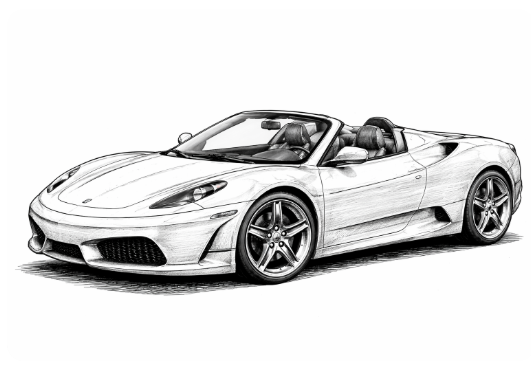
Engineering an open car imposes structural constraints: removing the roof reduces the body’s torsional rigidity, so reinforcements are required in the side members, sills, central tunnel, and subframes. This can increase mass and influence suspension tuning to maintain precision and to reduce vibration and squeaks/rattles (NVH).
The roof can be a soft top (lighter, quicker, with lower packaging volume) or a retractable hard top (better acoustic/thermal insulation, but heavier and more complex). The choice affects center of gravity, weight distribution, and trunk volume: with the hard top stowed, cargo capacity often decreases significantly.
From an aerodynamic and comfort standpoint, driving with the roof down introduces turbulence (“buffeting”) and pressure variations in the cabin. To manage these effects, designers use wind deflectors, optimized windshield profiles, and, on newer models, active solutions. Weather sealing and noise insulation depend heavily on gasket quality and the roof mechanism.
From a dynamics perspective, many Roadsters favor a sportier setup: often a shorter wheelbase, low seating position, and direct steering. When paired with rear-wheel drive or AWD and a limited-slip differential, they can deliver very precise handling; however, the added mass of reinforcements and lower stiffness compared with an equivalent coupé can affect response and comfort, especially on rough roads.
Safety includes both passive protection and rollover-specific measures: fixed or deployable roll hoops, active roll bars, reinforced pillars, and dedicated airbag strategies. Real-world performance depends on the platform and restraint systems; it is not the “Roadster shape” itself that inherently guarantees or reduces safety.
From a usage standpoint, a Roadster is often an “emotional” car: ideal for scenic routes and pleasure driving, less optimal as an only car if space, rear-seat access, and large cargo capacity are needed. Maintenance can also require attention to the roof fabric/panels, drainage channels, seals, and opening mechanisms.
In summary, a Roadster is an open-top car focused on driving pleasure and a direct connection with the environment. It delivers a unique, engaging experience, in exchange for compromises in rigidity, practicality, acoustic comfort, and trunk management—factors that depend strongly on the engineering quality of the chassis and roof system.

