

Hello, Guest!


🔍
 
<1 / 1>from FCS777

Kiwi

32Popularity
8/10 · Very goodAverage expert rating
4Evaluations
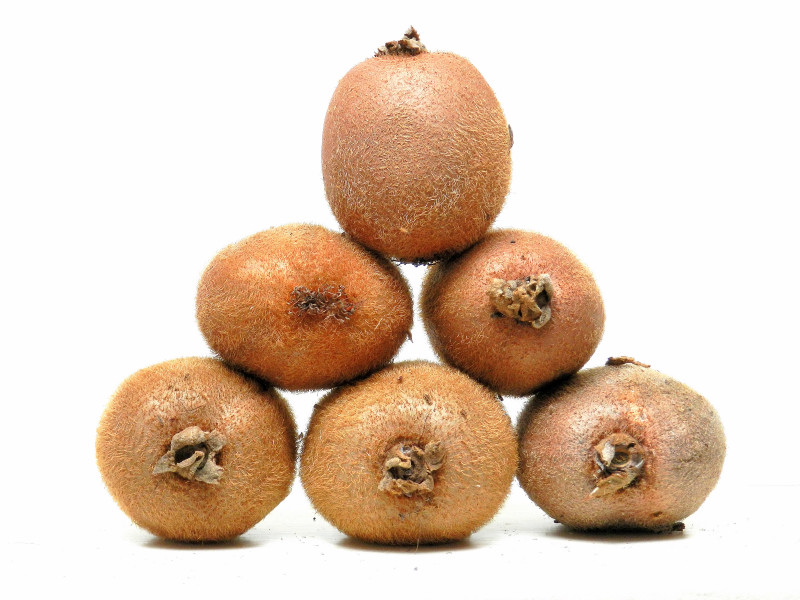
Kiwi Actinidia deliciosa – family Actinidiaceae Description Actinidia deliciosa is the fruit of a perennial climbing plant native to East Asia and now widely cultivated in temperate regions, including Europe. The plant is characterized by vigorous growth, large heart-shaped leaves, and fragrant white flowers. The fruit has a brown, slightly hairy...

Tiiips and reviews about this object


Kiwi
by FCS777 (5359 pt) · 2020-Oct-24
I migliori studi sul Kiwi: Metabolomic Screening of Anti-Inflammatory Compounds from the Leaves of Actinidia arguta (Hardy Kiwi). Kim GD, Lee JY, Auh JH. Foods. 2019 Feb 1;8(2). pii: E47. doi: 10.3390/foods8020047. Actinidia arguta (Hardy Kiwi) Root...

Kiwi
by FRanier (9960 pt) · 2020-Oct-24
Contenuti di carotenoidi nel kiwi (1): Luteina : 54% Neoxantina e violaxantina : 38% Beta carotene : 8% Zeaxantina : 0% Criptoxantina : 0% Licopene : 0% Alfa carotene : 0% Bibliografia___________________________________________________ (1) Fruits...

Kiwi
by Nat45 (5631 pt) · 2020-Oct-24
I tipi di Kiwi che si trovano sul mercato alimentare sono essenzialmente sette : Hayward, Daheung, Haenan, Bidan, Hort16A, Hwamei e SKK12. Tra tutta la frutta fresca, la melagrana ha il potere anti-ossidante più alto e ne riporto la formula : 3895.9...

Kiwi
by Ark90 (12459 pt) · 2020-Oct-24
Il kiwi è utile come : vasodilatatore recupero da sforzi riduzione del colesterolo dannoso regolatore intestinale (1) Sconsigliato a chi è affetto da : Morbo di Crohn colite diverticoli Bibliografia_______________________________________ (1)...
_ssb_tiiips_review_positive
Read the full Tiiip

Kiwi
by FCS777 (5359 pt) · 2025-Dec-18
Kiwi (Actinidia deliciosa – famiglia Actinidiaceae) Descrizione Il kiwi (Actinidia deliciosa) è il frutto di una pianta rampicante perenne originaria dell’Asia orientale, oggi ampiamente coltivata in diverse aree temperate, inclusa l’Italia. La...

Read other Tiiips about this object in English (2)

Object facts

Key information and links

Kcal/100g61
Last update2025-12-18 15:04

Threat factors

  • Eimeria spp.
  • Pseudomonas syringae pv. actinidiae phytopathogenic bacterium