

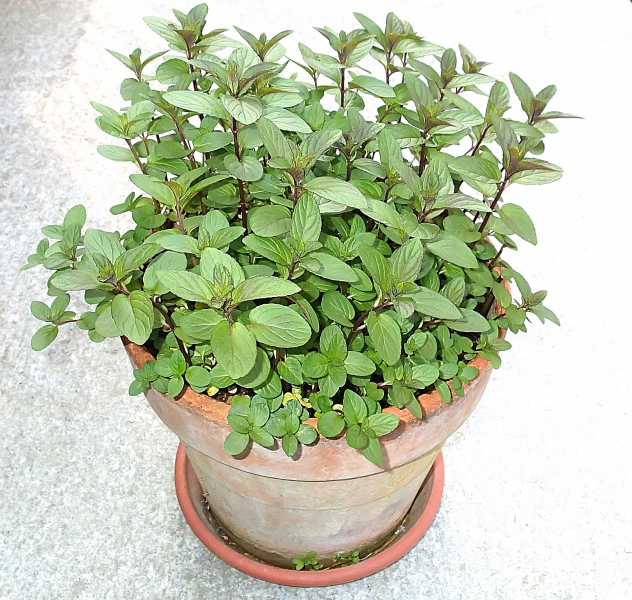
Mentha piperita
Rating : 7.3
| Evaluation | N. Experts | Evaluation | N. Experts |
|---|---|---|---|
| 1 | 6 | ||
| 2 | 7 | ||
| 3 | 8 | ||
| 4 | 9 | ||
| 5 | 10 |
Pros:
Wound-healing (1) Antimicrobial (1) Antifungal (1) Antioxidant (1)10 pts from FCS777
| Sign up to vote this object, vote his reviews and to contribute to Tiiips.Evaluate | Where is this found? |
| "Mentha piperita studies" about Mentha piperita Review Consensus 8 by FCS777 (5544 pt) | 2019-Aug-05 17:19 |
| Read the full Tiiip | (Send your comment) |
A review of the bioactivity and potential health benefits of peppermint tea (Mentha piperita L.).
McKay DL, Blumberg JB.
Phytother Res. 2006 Aug;20(8):619-33.
Peppermint (Mentha piperita L.) extract effectively inhibits cytochrome P450 3A4 (CYP3A4) mRNA induction in rifampicin-treated HepG2 cells.
Kobayashi T, Sugaya K, Onose JI, Abe N.
Biosci Biotechnol Biochem. 2019 Jul;83(7):1181-1192. doi: 10.1080/09168451.2019.1608802.
Mentha piperita L. essential oil inactivates spoilage yeasts in fruit juices through the perturbation of different physiological functions in yeast cells.
Almeida ETDC, de Souza GT, de Sousa Guedes JP, Barbosa IM, de Sousa CP, Castellano LRC, Magnani M, de Souza EL.
Food Microbiol. 2019 Sep;82:20-29. doi: 10.1016/j.fm.2019.01.023.
Toxicity, antifeedant and biochemical efficacy of Mentha piperita L. essential oil and their major constituents against stored grain pest.
Rajkumar V, Gunasekaran C, Christy IK, Dharmaraj J, Chinnaraj P, Paul CA.
Pestic Biochem Physiol. 2019 May;156:138-144. doi: 10.1016/j.pestbp.2019.02.016.
Characterisation of peppermint (Mentha piperita L.) essential oil encapsulates.
Yilmaztekin M, Lević S, Kalušević A, Cam M, Bugarski B, Rakić V, Pavlović V, Nedović V.
J Microencapsul. 2019 Mar;36(2):109-119. doi: 10.1080/02652048.2019.1607596.
Chemical Composition and in vivo Efficacy of the Essential Oil of Mentha piperita L. in the Suppression of Crown Gall Disease on Tomato Plants.
Hsouna AB, Touj N, Hammami I, Dridi K, Al-Ayed AS, Hamdi N.
J Oleo Sci. 2019 May 1;68(5):419-426. doi: 10.5650/jos.ess18261.
Mentha piperita essential oils loaded in a chitosan nanogel with inhibitory effect on biofilm formation against S. mutans on the dental surface.
Ashrafi B, Rashidipour M, Marzban A, Soroush S, Azadpour M, Delfani S, Ramak P.
Carbohydr Polym. 2019 May 15;212:142-149. doi: 10.1016/j.carbpol.2019.02.018.
Effectiveness of Mentha piperita Leaf Extracts against Oral Pathogens: An in vitro Study.
Raghavan R, Devi MPS, Varghese M, Joseph A, Madhavan SS, Sreedevi PV.
J Contemp Dent Pract. 2018 Sep 1;19(9):1042-1046.
Elucidation of the synergistic action of Mentha Piperita essential oil with common antimicrobials.
Rosato A, Carocci A, Catalano A, Clodoveo ML, Franchini C, Corbo F, Carbonara GG, Carrieri A, Fracchiolla G.
PLoS One. 2018 Aug 1;13(8):e0200902. doi: 10.1371/journal.pone.0200902.
Effect of Heat Stress on Yield, Monoterpene Content and Antibacterial Activity of Essential Oils of Mentha x piperita var. Mitcham and Mentha arvensis var. piperascens.
Heydari M, Zanfardino A, Taleei A, Bushehri AAS, Hadian J, Maresca V, Sorbo S, Napoli MD, Varcamonti M, Basile A, Rigano D.
Molecules. 2018 Jul 30;23(8). pii: E1903. doi: 10.3390/molecules23081903.
Antifibrogenic Influence of Mentha piperita L. Essential Oil against CCl4-Induced Liver Fibrosis in Rats.
Ogaly HA, Eltablawy NA, Abd-Elsalam RM.
Oxid Med Cell Longev. 2018 Apr 19;2018:4039753. doi: 10.1155/2018/4039753
| Sign up to vote this object, vote his reviews and to contribute to Tiiips.EvaluateClose | (0 comments) |
| "Descrizione" about Mentha piperita Review Consensus 10 by FCS777 (5544 pt) | 2025-Nov-28 19:03 |
| Read the full Tiiip | (Send your comment) |
Mentha piperita, commonly known as peppermint, is a natural hybrid between Mentha aquatica and Mentha spicata within the Lamiaceae family. It is a perennial herb with stolons and rhizomes that allow rapid vegetative spread, quadrangular stems, and opposite, ovate–lanceolate leaves, dark green in colour, finely serrated and often slightly pubescent. Inflorescences are terminal spikes composed of small pink to lilac flowers. The defining feature of peppermint is its essential oil, rich in menthol and menthone, which gives a very intense, fresh, balsamic and cooling aroma, underpinning its extensive use in food, herbal, pharmaceutical and cosmetic applications.

Common name: peppermint
Scientific name: Mentha × piperita (natural hybrid, mainly M. aquatica × M. spicata)
Family: Lamiaceae
Genus: Mentha
Origin: hybrid of European origin, now cultivated in many temperate regions worldwide
Growth habit: perennial, rhizomatous herb, very aromatic, vigorous but not as invasive as some other mints
Cultivation and growing conditions
Climate
Prefers temperate and cool–temperate climates.
Tolerates winter cold well (down to about –10/–15 °C) if the soil drains properly.
Likes summers that are not too dry; in very hot areas it benefits from some shade and regular watering.
Exposure
Prefers bright partial shade.
In cool climates it can also grow in full sun, as long as the soil remains moist.
In hot climates it is advisable to protect it from direct midday sun to reduce water stress and leaf scorch.
Soil
Grows well in fresh, fertile, organic–rich, well-drained soils.
Ideal pH from slightly acidic to neutral.
Does not like prolonged waterlogging, which encourages root rot.
In pots: use a good universal potting mix with added sand or perlite to improve drainage.
Irrigation
Requires consistently moist soil, especially in midsummer.
The soil should not dry out completely between waterings, particularly in containers.
In winter, when the aerial part dies back, watering should be greatly reduced.
Temperature
Optimal growth between 16 and 24 °C.
The aerial part may die back in winter frosts, but the rhizomes survive and the plant sprouts again in spring.
Fertilization
Medium–low nutrient requirements: it is a naturally vigorous species.
In spring it is usually enough to apply a moderate amount of mature organic fertilizer (compost, worm humus).
Avoid excessive nitrogen, which promotes a lot of soft green mass but can dilute the aroma.
Cultivation care
Periodically remove old or weak stems to encourage new shoots.
Control the spread of the rhizomes: in open ground it can expand quickly, so edging or container cultivation is useful.
Cut flower spikes if the main goal is to obtain many aromatic leaves.
Monitor for aphids, mites and fungal diseases (for example powdery mildew in humid, poorly ventilated conditions).
Harvest
Leaves can be harvested from late spring to early autumn.
For maximum aromatic content, the ideal harvest time is just before or at the start of flowering.
Cut the shoots with clean scissors, harvesting the tender tips; this stimulates new growth and keeps the plant compact.
Leaves can be used fresh or dried in a shaded, well-ventilated place away from direct light.
Propagation
By division of rhizomes or clumps: the simplest and most reliable method; carried out in spring or autumn, ensuring each portion has roots and buds.
By herbaceous cuttings: in late spring or summer; cuttings root easily in water or in a light, moist substrate.
By seed: rarely used because Mentha × piperita is a hybrid and often does not produce viable seed or does not come true to type.
Energy: ~70 kcal
Water: ~78–80 g
Total carbohydrates: ~15 g
sugars: ~7 g
Dietary fibre: ~8 g
Protein: ~3.5–3.8 g
Total fat: ~0.9 g
SFA (saturated fatty acids): very low
MUFA (monounsaturated fatty acids): traces
PUFA (polyunsaturated fatty acids): traces
TFA (trans fatty acids, natural): negligible
Vitamins: vitamin C, carotenoids (provitamin A), small amounts of B-group vitamins
Minerals: potassium (around 500–570 mg/100 g), calcium, iron, magnesium, manganese
(In practice, peppermint is consumed in amounts far below 100 g; these values are mainly useful as compositional reference.)
Essential oil (volatile fraction)
menthol
menthone, isomenthone, neomenthol
menthyl acetate
1,8-cineole (eucalyptol)
limonene, β-pinene, β-caryophyllene
menthofuran and traces of pulegone (chemotype- and cultivation-dependent)
Phenolic compounds
rosmarinic acid
caffeic acid and derivatives
other phenolic acids (e.g. ferulic, p-coumaric)
Flavonoids
luteolin, apigenin and their glycosides
Pigments
chlorophylls
carotenoids (provitamin A)
Vitamins and minerals
vitamin C
potassium, calcium, magnesium, iron, manganese
Fibre fraction
mainly insoluble dietary fibre with a smaller soluble fraction
Cultivation on well-drained, moderately fertile soils with adequate water supply and full or partial sun exposure
Establishment by cuttings or division of stolons and rhizomes, with strong potential for rapid field expansion
Harvesting of aerial parts (leaves and flowering tops) at or just before full flowering, when essential oil and menthol contents are at their peak
Sorting and cleaning to remove foreign material, damaged or yellowed leaves and soil residues
Low-temperature drying (<40 °C) in well-ventilated, shaded conditions to obtain dried herb
Steam distillation of aerial parts to extract peppermint essential oil
Storage of dried herb in closed containers, away from light, heat and humidity; storage of essential oil in well-filled, tightly closed dark glass bottles
Packaging as fresh bunches or trays (fresh herb), sachets and jars (dried herb), and technical bottles (essential oil)
Perennial herb with quadrangular, often hollow stems, typically 30–80 cm in height
Fresh leaves: dark green, slightly rugose, ovate to lanceolate with serrated margin
Dried leaves: olive-green to brownish, brittle and easily crumbled
Essential oil: clear, colourless to slightly yellow liquid with high volatility
Essential oil density: generally around 0.88–0.92 g/mL (depending on composition and temperature)
Aroma: very intense, fresh, balsamic, strongly mentholated with slightly sweet and camphoraceous notes
Taste: markedly cooling and penetrating, with a characteristic “cold” sensation on oral and skin surfaces induced by menthol
Very high flavouring power: low dosages are sufficient in foods and beverages
Essential oil is sensitive to light, heat and oxygen and must be protected from oxidation
In suitable formulations, peppermint oil and extracts can contribute to antimicrobial and antioxidant activity, as well as to a pronounced sensory impact
Herbal teas and infusions, alone or blended with other herbal species
Hot and cold beverages (mint tea, refreshing infusions, flavoured drinks)
Confectionery and sweet products (mint candies, chocolate, chewing gum, ice creams and sorbets)
Savoury dishes in certain culinary traditions (legume, cereal and vegetable dishes, white meat preparations)
Baked goods and desserts, where a refreshing mint note is desired
Syrups, elixirs, liqueurs and herbal bitters
Provides vitamin C, carotenoids and polyphenols that contribute to the overall antioxidant potential of the diet
Phenolic compounds and essential oil have been associated in the literature with antimicrobial and antioxidant activities and potential support for digestive function
Peppermint is traditionally used to promote digestion, relieve mild gastrointestinal discomfort and as a complementary component in balsamic and refreshing preparations
Essential oil, rich in menthol, menthone, menthofuran and other monoterpenes, must be used at controlled doses and only in properly formulated products; monoterpene ketones such as pulegone and menthofuran are subject to toxicological evaluation and regulatory guidance
Fresh leaves used in cooking or infusion: typically around 2–10 g per serving
Dried leaves for tea: usually about 1–2 g per cup, often in blends with other herbs
Essential oil: only within formulated foods, supplements or medicinal products, and always according to recommended doses and legal requirements; it must never be ingested in pure form
Generally well tolerated at normal culinary and herbal use levels
Possible reactions in individuals sensitive or allergic to Lamiaceae species
Essential oil may cause skin or mucosal irritation if used undiluted or after oxidation
Peppermint is not listed among the major regulated food allergens in EU law, although cross-contamination with other allergens is possible in complex products
Fresh peppermint: typically 3–5 days in the refrigerator (around 4 °C) in breathable packaging or perforated bags
Dried peppermint: up to about 12 months if stored in airtight containers, protected from light, heat and moisture
Essential oil: indicative shelf-life of 2–3 years in well-closed dark glass bottles, stored cool and away from heat sources; oxidation reduces quality and may increase irritant potential
Cultivation, harvesting, processing and packaging must comply with GMP and HACCP principles, ensuring hygiene, traceability and control of critical points
Use of peppermint essential oil in foods, supplements and medicinal products is subject to specific guidance and maximum levels for constituents such as menthol, menthofuran and pulegone
Ingestion of pure essential oil is not recommended; particular caution is advised in pregnancy, breastfeeding, in children and in individuals with liver disease or known hypersensitivity
In feed and animal nutrition, peppermint oil is classified as a sensory additive with maximum use levels defined by specific regulations
Fresh or dried herb for food use:
sales name (e.g. “peppermint”, “mint”)
origin, net weight, lot number, best-before date, storage conditions
Essential oil for cosmetic/technical use or as a flavouring:
botanical name Mentha piperita, plant part used, extraction method (steam distillation), country of origin
relevant warnings (e.g. “for external use only”, “do not use undiluted on skin”, “keep out of reach of children”)
Flavoured foods and supplements:
correct declaration in the ingredient list according to flavouring legislation (e.g. “natural peppermint flavour” or equivalent term specified by law)
Cosmetic products:
INCI names (e.g. “Mentha Piperita Oil”, “Mentha Piperita Leaf Extract”) on the ingredient list
Loss of aroma in dried herb
Possible causes: drying at too high temperature, prolonged exposure to light and air, unsuitable packaging.
Browning and “tired” odour
Possible causes: excessive residual moisture, oxidation, long storage time; improved drying and storage management is required.
Essential oil with resinous/oxidised odour
Possible causes: exposure to heat, light or repeated opening of the bottle; mitigation includes reducing storage time, using well-filled containers and storing in cool conditions.
Overly aggressive mint flavour in finished products
Possible causes: excessive dosage or use of oil with particularly high menthol content; solutions include reducing dosage, standardising batches or blending with other flavour notes.
Mentha piperita is a relatively robust crop, suitable for intensive, integrated and organic farming systems when properly managed, with moderate needs for fertilisers and plant protection products
Peppermint cultivation can help diversify crop rotations and reduce disease pressure typical of monocultures
Steam distillation generates wastewater and spent biomass; sustainable management includes monitoring of BOD and COD in effluents and valorisation of spent biomass as soil amendment or energy source
Short supply chains, local sourcing and processing near production areas can reduce transport-related environmental impacts and enhance regional value creation
fragrance / perfuming – provides fresh, minty and balsamic notes to skin care, hair care and oral care products
skin conditioning – contributes to a sensation of freshness and comfort, particularly in rinse-off and leave-on formulations
masking – helps neutralise or reduce undesirable odours from other raw materials in the formula
refreshing / tonic – associated with cooling and “toning” sensations on skin and scalp
antimicrobial – in some formulations can contribute to antimicrobial performance, in synergy with other preservatives or functional ingredients
antioxidant – certain polyphenol-rich extracts can support protection of the formulation and, to some extent, the skin from oxidative processes
soothing (in suitable products) – the cooling effect may be perceived as soothing in after-sun, aftershave or foot-care products
SFA – Saturated fatty acids: fats with no double bonds; excessive intake relative to unsaturated fats may be associated with increased cardiovascular risk.
MUFA – Monounsaturated fatty acids: fats with one double bond; generally considered beneficial when they replace saturated fats in the diet.
PUFA – Polyunsaturated fatty acids: fats with two or more double bonds (including n-6 and n-3 families); contribute to normal heart function within a balanced diet.
TFA – Trans fatty acids: fats with at least one trans double bond; total intake should be kept as low as possible, even though peppermint itself contains at most only natural trace amounts.
GMP – Good manufacturing practices: manufacturing and hygiene standards that ensure product quality, safety and consistency throughout the production process.
HACCP – Hazard analysis and critical control points: preventive system for identifying, evaluating and controlling significant hazards along the food (and in part cosmetic) supply chains.
BOD – Biological oxygen demand: indicator of biodegradable organic load in wastewater, corresponding to the oxygen required by microorganisms to degrade organic matter.
COD – Chemical oxygen demand: indicator of the total amount of oxidisable substances in wastewater, expressed as the oxygen equivalent required for their chemical oxidation.
Studies
Mentha piperita contains some useful components for human health, phenolic acids and flavonoids: rosmarinic acid, quercetin, gallic acid, components known for their antimicrobial (1), antioxidant (2) and antifungal action (3).
This study explored the antibacterial activities of a mentha piperita extract and concluded that the polyphenol content demonstrated bacteriostatic properties and antiadhesive activity against strains of bacteria of the genus Asaia (a contaminant of industrial beverages) confirming its total antioxidant activity (4).
Another special feature of the healing properties of this mint is the improvement in the wound healings treated with topical application of essential oil (5).
For more information: Mentha piperita studies
References___________________________________________________________
(1) Seyedeh Maryam Sharafi, Iraj Rasooli, Parviz Owlia, Massoud Taghizadeh, and Shakiba Darvish Alipoor Astaneh Protective effects of bioactive phytochemicals from Mentha piperita with multiple health potentials Pharmacogn Mag. 2010 Jul-Sep; 6(23): 147–153. doi: 10.4103/0973-1296.66926
Abstract. Mentha piperita essential oil was bactericidal in order of E. coli> S. aureus > Pseudomonas aeruginosa > S. faecalis > Klebsiella pneumoniae. The oil with total phenolics of 89.43 ± 0.58 µg GAE/mg had 63.82 ± 0.05% DPPH inhibition activity with an IC (50) = 3.9 µg/ml. Lipid peroxidation inhibition was comparable to BHT and BHA. A 127% hike was noted in serum ferric-reducing antioxidant power. There was 38.3% decrease in WBCs count, while platelet count showed increased levels of 214.12%. Significant decrease in uric acid level and cholesterol/HDL and LDL/HDL ratios were recorded. The volatile oil displayed high cytotoxic action toward the human tumor cell line. The results of this study deserve attention with regard to antioxidative and possible anti-neoplastic chemotherapy that form a basis for future research. The essential oil of mint may be exploited as a natural source of bioactive phytopchemicals bearing antimicrobial and antioxidant potentials that could be supplemented for both nutritional purposes and preservation of foods.
(2) Ravindra M.Samarth, Meenakshi Panwar, Manish Kumar, Anil Soni, Madhu Kumar, Ashok Kumar Evaluation of antioxidant and radical-scavenging activities of certain radioprotective plant extracts Food chemistry, 2008
Abstract. The extract of Adhatoda vasica, Amaranthus paniculatus, Brassica compestris, Mentha piperita and Spirulina fusiformis has radioprotective effects in animal model systems. In the present investigation, the extracts of A. vasica, A. paniculatus, B. compestris, M. piperita and S. fusiformis were further evaluated for their antioxidant (GSH&LPO) and radical-scavenging activities (DPPH and ABTS+ assays). All these plant extracts showed antioxidant activity, as measured by estimating reduced glutathione and lipid peroxidation in liver, and showed radical-scavenging activity in both DPPH and ABTS+ assays. The extracts of M. piperita, A. vasica and B. compestris showed very strong radical-scavenging activity in both the assays. However, extracts of A. paniculatus and S. fusiformis showed moderate radical-scavenging activity. The IC50 values of these plant extracts were: M. piperita – 273μg/ml, A. vasica – 337μg/ml, B. compestris – 398μg/ml, A. paniculatus – 548μg/ml and S. fusiformis – 620μg/ml, respectively. The differential radioprotective and antioxidant activity of these plant extracts observed may be assigned to different chemical constituents present in the different plant extracts. The result of the present investigation indicates that the antioxidant mechanism of radioprotection and free-radical scavenging appear to be likely mechanisms of radiation protection by these plant extracts.
(3) Mafakheri H, Mirghazanfari SM Antifungal activity of the essential oils of some medicinal plants against human and plant fungal pathogens. . Cell Mol Biol (Noisy-le-grand). 2018 Dec 31;64(15):13-19.
Abstract. The present study was conducted to assess the antifungal activity of essential oils of medicinal plants Mentha piperita (peppermint), Foeniculum vulgare, Satureja hortensis (Savory), Ferula asafoetida and Cuminum cyminum against Alternaria sp., Bipolaris sorokiniana and Acremonium sclerotigenum. The antifungal activity was evaluated by Broth Microdilution Method. Minimum Inhibitory Concentration (MICs) and Minimum Fungicidal Concentration (MFCs) of the essential oils were compared with Amphotricin B and Captan as standard drug. MIC values for all essential oils were between 1 to 8 mg/mL. MIC value of Fennel essential oil was comparable to MFC value obtained from fungicide Captan. Peppermint essential oil exhibited maximum inhibitory and fungicide activity in concentrations of 2 mg/ml and 4 mg/ml against Alternaria sp. The essential oil was more effective than Fennel against Bipolaris, but MFC values of both essential oils were 4 mg/ml. C. cyminum displayed less susceptibility against all of the fungi. Regarding our finding, peppermint and Fennel oil seem to be a promising solution to control plant diseases.
(4) Antolak H, Czyżowska A, Kręgiel D. Activity of Mentha piperita L. Ethanol Extract against Acetic Acid Bacteria Asaia spp. Foods. 2018 Oct 18;7(10). pii: E171. doi: 10.3390/foods7100171.
Abstract. Acetic acid bacteria belonging to the genus Asaia spp. are relatively new microbial contaminants in the beverage industry. These bacteria cause organoleptic changes such as increased turbidity, haziness and sour odor. In addition, they are able to form biofilms on the inner parts of production lines, and finally they can cause secondary contamination of final products. For this reason, new methods using effective and safe preservatives are being developed to improve microbial stability of soft beverages. The aim of the research was to investigate the effects of Mentha piperita L. ethanol extract against Asaia spp. biofilm formation. The bacterial adhesion was evaluated by a plate count method and luminometry, as well as fluorescence microscopy. The polyphenolic profile of the mint extract was determined on the basis of high-performance liquid chromatography (HPLC). The obtained microbiological results indicate bacteriostatic effect of mint extract at 10% (v/v) concentration. The plant extract also reduces the number of adhered bacterial cells on polystyrene surface.
(5) Modarresi M, Farahpour MR, Baradaran B. Topical application of Mentha piperita essential oil accelerates wound healing in infected mice model. Inflammopharmacology. 2019 Jun;27(3):531-537. doi: 10.1007/s10787-018-0510-0.
Abstract. This study was conducted to evaluate the effects of the prepared ointments from Mentha piperita essential oil (M. piperita) on wound healing in the infected mice models. Each circular full-thickness wound was inoculated with 25 × 107 units of Staphylococcus aureus and Pseudomonas aeruginosa bacteria strains. The tissue bacterial count, histological analyses and expression levels of IL-10, TNF-α, TGF-β1, IL-1β, CCL2, CXCL1, VEGF and FGF-2 were assessed to identify the different doses of M. piperita on wound healing. Total tissue bacterial count, edema and inflammation level were declined, but the migration of fibroblasts, collagen synthesis and re-epithelization were increased in treated animals with M. piperita. The expression levels of CCL2, CXCL1, IL-1β, TGF-β1 and IL-10 genes were up-regulated in the M. piperita-treated animals compared to the control group. While the expression of TNF-α, VEGF and FGF-2 was down-regulated in comparison to the control group. This study indicated that M. piperita can be used for treatment of the infected wound.
| Sign up to vote this object, vote his reviews and to contribute to Tiiips.EvaluateClose | (0 comments) |
Read other Tiiips about this object in __Italiano (2)
Content:   Last update:   2024-08-12 17:05:48 | Kcal/100g:   28 Family:   Threat factors:   |


