

Coffee
Rating : 7
| Evaluation | N. Experts | Evaluation | N. Experts |
|---|---|---|---|
| 1 | 6 | ||
| 2 | 7 | ||
| 3 | 8 | ||
| 4 | 9 | ||
| 5 | 10 |
10 pts from Handy23
| Sign up to vote this object, vote his reviews and to contribute to Tiiips.Evaluate | Where is this found? |
| "Descrizione" about Coffee Review Consensus 10 by Handy23 (4286 pt) | 2025-Nov-30 12:30 |
| Read the full Tiiip | (Send your comment) |
Coffee is the product obtained from the mature seeds of plants belonging to the genus Coffea, in the botanical family Rubiaceae. Native to eastern Africa, it is now cultivated in more than seventy countries along the tropical “coffee belt”. The most economically relevant species are Coffea arabica, known for its refined aroma, smoother taste and greater sensory complexity, and Coffea canephora (robusta), appreciated for its higher caffeine content, stronger body and superior agronomic resistance.
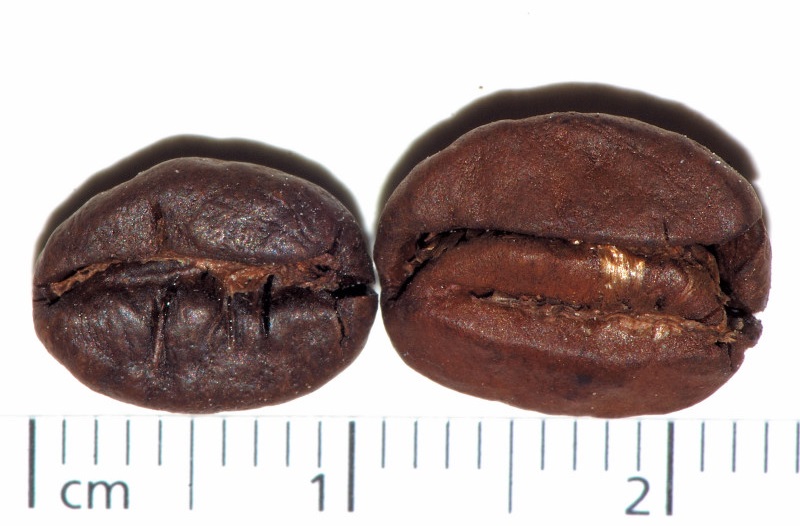
The fruit, commonly known as a cherry, usually contains two seeds. These seeds are initially green, hard and lacking any characteristic coffee aroma. Their sensory profile develops during roasting, a thermal process in which reactions such as the Maillard reaction, the breakdown of carbohydrates and proteins, and the transformation of chlorogenic acids produce hundreds of volatile compounds responsible for aroma and flavor.
The finished product consists of brown roasted beans, darker or lighter depending on the roasting profile. Once ground, coffee is extracted with hot water using different methods such as espresso, moka, filter brewing, percolation or cold brew, each highlighting distinct sensory elements like acidity, bitterness, crema, body and caffeine extraction.
Beyond being one of the most consumed beverages worldwide, coffee is a chemically complex ingredient rich in alkaloids, polyphenols, trigonelline, and lipids such as cafestol and kahweol. Sensory quality is influenced by botanical variety, altitude, post-harvest processing (washed, natural), roasting profile and freshness, making coffee one of the most expressive and variable agricultural products, with broad applications in food, beverages and cosmetics.

Some climatic factors are of great importance for the cultivation of coffee and are:
Temperature that must be between 23 ° and 28 °
Rain that must fall within the parameters between 1500 and 2000 mm.
The species are basically two:
Botanical classification
Common name: coffee (coffee tree, coffee cherry, coffee bean)
Main botanical names:
Coffea arabica (Arabica coffee)
Coffea canephora (Robusta coffee, incl. Conilon/Nganda)
Family: Rubiaceae
Origin: Tropical Africa (in particular Ethiopia and Central Africa) and Madagascar; now cultivated across the tropical belt in Latin America, Africa and Asia
Cultivation and growing conditions
Climate
Typical tropical perennial crop, needing mild temperatures and relatively high air humidity.
Arabica usually prefers 15–24 °C and is often grown at medium–high elevations, where cooler conditions slow fruit development and enhance aromatic quality.
Robusta tolerates higher temperatures (roughly 24–30 °C) and is grown at lower altitudes in hotter, more humid areas.
Coffee requires substantial rainfall, often between about 1,200 and 2,000 mm per year, ideally with a marked but not extreme dry period to induce flowering.
Does not tolerate frost: even brief exposure to temperatures near 0 °C can seriously damage plants.
Exposure
In many traditional systems, Arabica is grown under partial shade (shade-grown coffee) beneath taller trees, which moderate light intensity, wind and temperature fluctuations.
In other systems, especially for Robusta, coffee can be grown in more open, sunnier plantations, provided soil moisture and irrigation are well managed.
Excessively strong direct radiation combined with drought can cause leaf burn, stress and reduced yields.
Soil
Prefers deep, well-drained, slightly acidic soils with good organic matter content.
Loam to sandy-loam or loam-silt textures are generally favourable, provided structure is good and no compact layers impede root penetration.
Prolonged waterlogging must be avoided, as it leads to root rot and decline.
Sloping land is common in coffee regions; where slopes are significant, soil conservation measures (terraces, contour planting, cover crops) are essential.
Irrigation
In regions with regular rainfall, coffee may be grown without irrigation.
Where rainfall is irregular or insufficient, supplementary irrigation is important to maintain yield and bean quality.
A short, controlled dry period followed by rainfall or irrigation often triggers flowering.
During fruit development and ripening, prolonged water stress should be avoided to prevent reduced fruit size, defects and premature drop.
Temperature
Best performance occurs within a relatively narrow mild temperature range, avoiding extremes.
Persistent temperatures above about 30–32 °C, especially with intense radiation and low humidity, can reduce fruit set and negatively affect bean quality.
Low temperatures slow growth and increase susceptibility to cold damage, particularly in young trees or in exposed, windy sites.
Fertilization
Coffee is a nutrient-demanding perennial, especially in intensive plantations.
Requires adequate nitrogen to support vegetative growth and continuous cropping, as well as phosphorus and potassium for root development, flowering, fruit set and bean quality.
Organic amendments (well-matured manure, compost, mulches) help maintain soil structure, biological activity and long-term fertility.
Fertilization plans are ideally based on periodic soil tests and, when available, leaf analysis; micronutrients (e.g. boron) are important for flowering and fruit setting.
Crop care
Pruning is crucial to:
control tree height,
renew fruiting wood,
maintain an open, well-ventilated canopy.
Weed control is achieved through hoeing, mulching or managed ground covers between rows.
Monitoring of pests and diseases (e.g. coffee leaf rust, coffee berry borer, leaf miners, scales) is essential, with preference for integrated pest management approaches.
Agroforestry systems (shade trees, intercropping) are often used to improve microclimate, biodiversity and overall system resilience.
Harvest
Coffee cherries (drupes) usually ripen in waves; harvest can be:
selective picking by hand, choosing only fully red, ripe cherries (typical in high-quality Arabica production),
strip picking or mechanical harvesting, where all cherries on a branch are harvested at once.
Harvesting cherries at the correct ripeness is fundamental for final cup quality.
After harvest, cherries undergo processing (washed, natural, honey or other methods), followed by drying and hulling to obtain green coffee beans.
Propagation
Propagation is mainly from seed, producing seedlings in nurseries, which are later transplanted to the field.
For elite material or specific cultivars, vegetative techniques (cuttings, grafting, micropropagation) may be used to maintain genetic uniformity.
Planting density and spacing depend on species, cultivar, local climate, shade level and the degree of mechanization.
Energy: 330–340 kcal
Protein: 12–14 g
Carbohydrates: 60–65 g
sugars: 0 g
Total fats: 10–15 g
SFA (saturated fatty acids, first occurrence): ~6–7 g
MUFA: ~2–3 g
PUFA: ~1–2 g
TFA (natural): trace amounts
Dietary fiber: 0–2 g
Minerals: potassium, magnesium, calcium, phosphorus
Sodium: <5 mg
Caffeine: 1–2.5% depending on species
Note: preparation uses ~7 g per espresso cup; nutritional values refer to dry matter.
Alkaloids: caffeine, theobromine, theophylline
Chlorogenic acids (CGA)
Trigonelline
Lipids: triglycerides, diterpenes (cafestol, kahweol)
Complex carbohydrates and polysaccharides
Proteins and amino acids
Volatile aromatic compounds (800+ identified)
Minerals (potassium, magnesium, calcium)
Polyphenolic antioxidants
Cultivation and harvesting
Hand-picking or mechanical stripping of ripe cherries.
Processing (removal of pulp)
Wet process: fermentation and washing.
Dry process: whole cherry sun-drying.
Drying
Reduced to 10–12% moisture.
Hulling
Removal of the parchment layer and sorting of green beans.
Roasting
Thermal conversion generating aroma, flavor and color.
Grinding
Particle size adjusted for brewing method.
Packaging
Vacuum or nitrogen-flushed bags with one-way valves.
Appearance: brown roasted beans, oval or round
Density: 0.25–0.70 g/cm³ depending on roast
Moisture: <5% after roasting
Solubility: aromatic and soluble substances extractable in hot water
Thermal stability: good up to ~200–220 °C before carbonization
Complex aroma from hundreds of volatile compounds
Flavor characterized by bitterness, acidity, sweetness traces and roasted notes
Body and crema influenced by lipids and residual CO₂
Foam-forming ability important for espresso
Oil distribution affects crema stability
Beverages: espresso, moka, filter, cold brew, Turkish coffee
Desserts: ice cream, pastries, chocolate products
Coffee extracts and concentrates
Ready-to-drink beverages
Natural flavoring for foods and supplements
Source of caffeine, which can enhance alertness and reduce fatigue
Rich in antioxidants (especially chlorogenic acids)
Mild thermogenic and metabolic effects
Filtered coffee reduces diterpene intake (cafestol, kahweol)
Moderate intake is generally safe in healthy individuals
Sensitivity varies: possible restlessness, insomnia, tachycardia, gastric discomfort
A standard portion corresponds to one espresso (≈30 ml) brewed from about 7 g of ground coffee.
Coffee is not a common allergen
Possible sensitivity to caffeine or gastric irritation in sensitive individuals
Coffee-based beverages may contain allergens when mixed with milk or flavorings
Whole beans: 6–12 months sealed
Ground coffee: 2–4 weeks when vacuum-packed or valve-sealed
Store in a cool, dry, dark place away from air and humidity
After opening: airtight container; avoid refrigeration (condensation risk)
Caffeine regulated with maximum recommended intakes
Labeling required for beverages with added caffeine >150 mg/l
EU maximum limits for mycotoxins (e.g., ochratoxin A)
GMP/HACCP requirements for production
Species indication (arabica, robusta)
Geographical origin and processing method (washed, natural)
Roast date (recommended)
Grind size and intended use
Caffeine-related warnings when applicable
Weak aroma: grind too coarse, stale beans, poor storage
Excessive bitterness: over-extraction, too fine grind, high temperature
Poor crema: old coffee, wrong grind size, insufficient pressure
Acidic flavor: under-extraction, low brewing temperature, coarse grind
Off-flavors/mold: improper storage or excessive humidity
Environmental impact varies with cultivation method (shade-grown vs full-sun)
Issues: water consumption, biodiversity loss, pesticide use
Growing adoption of organic, fair trade and agroforestry systems
By-product recovery (husks, pulp) for compost, infusions or flour
Emission reduction efforts in roasting and transportation
Common INCI names include Coffea Arabica (Coffee) Seed Extract, Coffea Arabica (Coffee) Powder, Caffeine.
Main functions:
antioxidant
toning agent
skin conditioning
astringent
microcirculation support (caffeine)
deodorant properties
Coffee is a complex and versatile ingredient whose value derives from a combination of botanical diversity, environmental factors and processing techniques. Its chemical richness and aromatic profile make it essential in both traditional and modern gastronomy, while its bioactive compounds contribute to functional uses in cosmetics. Proper storage, moderate consumption and attention to sustainable sourcing enhance both quality and safety.
SFA: saturated fatty acids. Excess may raise LDL cholesterol.
MUFA: monounsaturated fatty acids, associated with cardiovascular benefits.
PUFA: polyunsaturated fatty acids (omega-3/omega-6) essential for cell function.
TFA: natural trans fats found in trace amounts; different from industrial trans fats.
GMP/HACCP: good manufacturing practices / hazard analysis and critical control points, systems ensuring food safety.
BOD/COD: measures of organic load in wastewater (biological and chemical oxygen demand).

Studies
Chemical composition of beans (1)

References_____________________________________________________________________
(1) Casas MI, Vaughan MJ, Bonello P, McSpadden Gardener B, Grotewold E, Alonso AP. Identification of biochemical features of defective Coffea arabica L. beans. Food Res Int. 2017 May;95:59-67. doi: 10.1016/j.foodres.2017.02.015.
Abstract. Coffee organoleptic properties are based in part on the quality and chemical composition of coffee beans. The presence of defective beans during processing and roasting contribute to off flavors and reduce overall cup quality. A multipronged approach was undertaken to identify specific biochemical markers for defective beans. To this end, beans were split into defective and non-defective fractions and biochemically profiled in both green and roasted states. A set of 17 compounds in green beans, including organic acids, amino acids and reducing sugars; and 35 compounds in roasted beans, dominated by volatile compounds, organic acids, sugars and sugar alcohols, were sufficient to separate the defective and non-defective fractions. Unsorted coffee was examined for the presence of the biochemical markers to test their utility in detecting defective beans. Although the green coffee marker compounds were found in all fractions, three of the roasted coffee marker compounds (1-methylpyrrole, 5-methyl- 2-furfurylfuran, and 2-methylfuran) were uniquely present in defective fractions.
(2) Affonso RC, Voytena AP, Fanan S, Pitz H, Coelho DS, Horstmann AL, Pereira A, Uarrota VG, Hillmann MC, Varela LA, Ribeiro-do-Valle RM, Maraschin M. Phytochemical Composition, Antioxidant Activity, and the Effect of the Aqueous Extract of Coffee (Coffea arabica L.) Bean Residual Press Cake on the Skin Wound Healing. - Oxid Med Cell Longev. 2016;2016:1923754.
Abstract. The world coffee consumption has been growing for its appreciated taste and its beneficial effects on health. The residual biomass of coffee, originated in the food industry after oil extraction from coffee beans, called coffee beans residual press cake, has attracted interest as a source of compounds with antioxidant activity. This study investigated the chemical composition of aqueous extracts of coffee beans residual press cake (AE), their antioxidant activity, and the effect of topical application on the skin wound healing, in animal model, of hydrogels containing the AE, chlorogenic acid (CGA), allantoin (positive control), and carbopol (negative control). The treatments' performance was compared by measuring the reduction of the wound area, with superior result (p < 0.05) for the green coffee AE (78.20%) with respect to roasted coffee AE (53.71%), allantoin (70.83%), and carbopol (23.56%). CGA hydrogels reduced significantly the wound area size on the inflammatory phase, which may be associated with the well known antioxidant and anti-inflammatory actions of that compound. The topic use of the coffee AE studied improved the skin wound healing and points to an interesting biotechnological application of the coffee bean residual press cake.
(3) R.A. Buffo, C.C. Freire - Coffee flavour: an overview - Flavour Frag J, 19 (2004), pp. 99-104
(4) Patay ÉB, Bencsik T, Papp N. - Phytochemical overview and medicinal importance of Coffea species from the past until now. - Asian Pac J Trop Med. 2016 Dec;9(12):1127-1135. doi: 10.1016/j.apjtm.2016.11.008.
Koníčková D, Menšíková K, Plíhalová L, Kaňovský P. Effects of active compounds and their metabolites associated with coffee consumption on neurodegenerative disease. Nutr Res Rev. 2024 Nov 21:1-6. doi: 10.1017/S0954422424000349.
Abstract. Coffee is one of the most known and consumed beverages worldwide. Only three species are used in commercial coffee production, that is, Coffea arabica L. (Arabica coffee), Coffea canephora Pierre ex A. Froehner (Robusta coffee) and Coffea liberica Hiern (Excelsa coffee). The world population consumes approximately two billion cups of coffee per day, making it an important commercial resource of bioactive compounds in world markets. High interest in coffee consumption described in the literature is due not only to its organoleptic properties (for example, desirable bitterness, amount of flavours and aromas) but also to its ability to stimulate the central nervous system.It is now known that there are more than 1000 compounds in coffee beverages, several of which have a bioactive activity. Recent studies show that consuming three to four cups of coffee per day, that is, moderate consumption according to the European Food Safety Authority, may be beneficial for health.The main objective of the proposed review is to provide a comprehensive overview of bioactive compounds in coffee and other caffeine-containing beverages and their effects on neurodegenerative proteinopathies.
Augustín J. Coffea arabica--production, botanical classification, new components and active agents and their pharmacological effects. Ceska Slov Farm. 2000 May;49(3):107-12.
Abstract. The present paper surveys the latest knowledge about coffee grains (Coffea arabica) as an important part of our everyday life. It lists the botanical classification of its principal species, such as Coffea arabica, Coffea robusta, and Coffea liberica, the most important improved cultivars of production species in the world. The review paper also discusses the economic aspect, lists the most important regions of production, the optimal and farming technological conditions. It points out the occurrence of the individual constituents which have been hitherto isolated, characterized, and chemically defined with some of their physiological effects on the human organism, e.g., the substances of the diterpene type such as kafestol and kahweol and their structure.
| Sign up to vote this object, vote his reviews and to contribute to Tiiips.EvaluateClose | (0 comments) |
| "Coffee, healthy aspects" about Coffee Review Consensus 8 by FRanier (10041 pt) | 2023-Feb-26 15:09 |
| Read the full Tiiip | (Send your comment) |
This study analyzed the impact of coffee on human health and concludes, contrary to the common belief, that coffee is not always harmful, but, in some diseases, it can limit the damage. It depends of caffeine intake (1) .
In considering coffee blend composition, take into account in the risk assessment that products based on Robusta beans tend to have higher acrylamide levels than products based on Arabica beans (2). This Regulation shall apply from 11 April 2018
Coffee contains antioxidants like chlorogenic acid and its isomers. In this report, effects of coffee on the nitrite-induced nitrogen dioxide (N2O3) formation were studied using whole saliva and bacterial fraction prepared from the saliva. The formation of N2O3 was measured by fluorescence increase due to the transformation of 4,5-diaminofluorescein to triazolfluorescein. Coffee inhibited the nitrite-induced fluorescence increase, and 50% inhibition was observed at several microg of coffee/mL in bacterial fraction of saliva as well as whole saliva. During the inhibition of the fluorescence increase, concentration of chlorogenic acid and its isomers decreased. It is discussed that the reduction of NO2 by chlorogenic acid and its isomers contributed to the coffee-dependent inhibition of the fluorescence increase as N2O3 is formed from NO and NO2. When coffee was added to whole saliva, chlorogenic acid and its isomers bound to cells in the saliva. The rate of the fluorescence increase in bacterial fraction, which was prepared at defined periods after the ingestion of coffee, was increased to the rate before the ingestion of coffee with a half-time of about 1 h. This result suggests that chlorogenic acid and its isomers remained in the oral cavity for a few hours after ingestion of coffee. The significance of coffee drinking and rinsing of the mouth with coffee for the health of the oral cavity is proposed (3).
References_____________________________________
(1) Cano-Marquina A, Tarín JJ, Cano A. The impact of coffee on health. Maturitas. 2013 May;75(1):7-21. doi: 10.1016/j.maturitas.2013.02.002. Epub 2013 Mar 5. Review.
(2) http://eur-lex.europa.eu/legal-content/IT/TXT/?uri=CELEX:32017R2158#ntr2-L_2017304IT.01002401-E0002
(3) Takahama U, Ryu K, Hirota S. Chlorogenic acid in coffee can prevent the formation of dinitrogen trioxide by scavenging nitrogen dioxide generated in the human oral cavity. J Agric Food Chem. 2007 Oct 31;55(22):9251-8. Epub 2007 Oct 9.
| Sign up to vote this object, vote his reviews and to contribute to Tiiips.EvaluateClose | (0 comments) |
Read other Tiiips about this object in __Italiano (2)
Content:   Last update:   2023-02-26 14:40:53 | Kcal/100g:   241 Family:   Threat factors:  
|

