

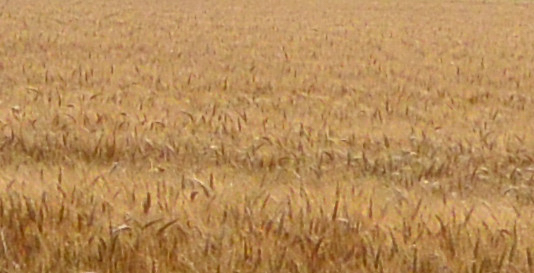
Frumento
Rating : 8
| Evaluation | N. Experts | Evaluation | N. Experts |
|---|---|---|---|
| 1 | 6 | ||
| 2 | 7 | ||
| 3 | 8 | ||
| 4 | 9 | ||
| 5 | 10 |
Cons:
Allergen (1) Contains gluten (1)10 pts from Nat45
| Sign up to vote this object, vote his reviews and to contribute to Tiiips.Evaluate | Where is this found? |
| "Descrizione" about Frumento Review Consensus 10 by Nat45 (5785 pt) | 2025-Nov-30 16:53 |
| Read the full Tiiip | (Send your comment) |
Wheat is the mature seed of plants of the genus Triticum, mainly Triticum aestivum (common or bread wheat, “soft” wheat) and Triticum durum (durum wheat), both belonging to the botanical family Poaceae. It is one of the most widely cultivated cereals in the world and a primary source of energy and plant protein for the global population.
The wheat kernel is a dry fruit (caryopsis) made up of three main parts:
Endosperm, rich in starch and storage proteins (gliadins and glutenins, which form gluten).
Bran, including the outer layers and providing dietary fibre, B vitamins and minerals.
Germ, the embryonic part, rich in unsaturated lipids, vitamin E and bioactive compounds.
Depending on processing, wheat can be consumed as whole kernels (wheat berries, bulgur, pearled wheat), or transformed into semolina and flour (refined or wholemeal) for making bread, pasta, baked goods and many other foods. From a technological perspective, the gluten network formed by wheat proteins gives dough a unique elastic structure, making wheat particularly suitable for breadmaking and leavened products, and setting it apart from most other cereals.

Botanical classification
Common name: wheat, bread wheat (T. aestivum), durum wheat (Triticum durum)
Main botanical names:
Triticum aestivum (bread/common wheat for bread and baked goods)
Triticum durum (durum wheat for semolina and pasta)
Family: Poaceae (Gramineae)
Origin: Near East / “Fertile Crescent” region; now grown in almost all temperate and many subtropical areas of the world
General features: Annual grass with hollow culm, linear leaves and a spike inflorescence bearing the grains (caryopses). There are winter types (autumn-sown) and spring types (spring-sown), with wide climatic adaptation.
Cultivation and growing conditions
Climate
Typical temperate-climate crop, but highly adaptable, from semi-arid Mediterranean areas to cooler, wetter regions.
Optimal growth temperatures are generally between 10 and 25 °C; wheat tolerates winter cold well in vegetative stages, especially winter types.
Needs a cool period for tillering and mild temperatures during stem elongation, heading and grain filling.
Very high temperatures and marked drought during grain filling reduce test weight and yield.
Exposure
Requires full sun throughout the crop cycle.
Usually grown in open, flat or gently rolling fields.
In windy areas, proper management of plant height (varietal choice, balanced fertilization) helps reduce lodging.
Soil
Adapts to many soil types, but performs best on medium-textured, well-structured, deep, well-drained soils.
Prefers pH from slightly acidic to slightly alkaline (about 6–7.5).
Very compact, poorly drained soils increase the risk of waterlogging, root asphyxia and crown/root diseases.
Good organic matter content improves structure, fertility and water-holding capacity, which is crucial in drier climates.
Irrigation
In many temperate–humid environments, wheat is grown rain-fed, relying on seasonal rainfall.
In semi-arid or irregular-rainfall areas, one or more supplementary irrigations at critical stages (stem elongation, heading, grain filling) can significantly increase yield and yield stability.
Excess water, especially on heavy soils, promotes lodging and fungal diseases; water must therefore be used carefully and only when needed.
Temperature
Germination and emergence are optimal at 5–15 °C for autumn sowing, or slightly higher in spring sowing.
During tillering and stem elongation, cool but not freezing conditions are ideal; winter cultivars can tolerate several degrees below zero at the tillered seedling stage.
At flowering and grain filling, heat waves (over ~30 °C) combined with drought shorten the filling period and reduce yield and quality.
Fertilization
Wheat is nitrogen-demanding, but also very sensitive to excess:
nitrogen supports tillering, canopy development and grain protein content,
excessive nitrogen increases lodging risk and foliar disease pressure.
Phosphorus is important for early root development, tillering and uniform heading.
Potassium improves tolerance to stress (cold, drought, lodging) and contributes to grain quality.
Fertility management often combines organic inputs (well-matured manure, digestate, compost) with mineral fertilizers; nitrogen is usually split (part pre-sowing or pre-emergence, part at spring regrowth).
On some soils, micronutrients such as sulphur, zinc and manganese are also important to achieve high yields and good protein levels.
Crop care
Proper seedbed preparation (tillage, soil refinement and levelling) favours uniform emergence, strong rooting and better weed control.
Weed management is crucial in early stages, based on crop rotation, appropriate sowing dates and, where necessary, selective herbicides or mechanical weeding.
Monitoring and integrated management of fungal diseases (rusts, powdery mildew, septoria, fusarium head blight) and insect pests (e.g. aphids, bugs) are essential; tolerant or resistant varieties are a key tool.
Rotations with legumes and other crops improve soil structure, reduce pathogen pressure and can lower the need for synthetic nitrogen.
Harvest
Harvest takes place when the crop reaches physiological maturity and grain moisture has fallen to levels suitable for combining (usually about 13–18%, then reduced further by drying or well-ventilated storage).
Harvesting too early leads to green kernels, excess moisture and more breakage during milling; harvesting too late increases losses due to lodging, grain shedding and quality decline.
Harvest is almost always mechanised with combine harvesters; grain is then stored in silos or ventilated warehouses, with careful control of moisture and temperature to prevent moulds and insect infestations.
Propagation and planting
Propagated by seed; certified seed is used to ensure varietal purity and health.
Sowing can be autumn (winter wheat) or spring (in colder regions or for specific rotations).
Seed is usually sown in rows with seed drills, adjusting depth (about 2–4 cm) and seeding rate according to:
soil type,
sowing date,
yield potential and plant height of the variety,
quality targets (protein content, yield, etc.).
Variety choice considers maturity class, winter-hardiness, lodging resistance, disease resistance profile and technological quality (bread, pasta, biscuits, etc.).
Average values; figures may vary with species, variety and growing conditions.
Energy: ~330–340 kcal
Water: ~10–12 g
Protein: ~12–14 g
Total carbohydrates: ~65–72 g
starch: main fraction
simple sugars: ~1 g
Total fat: ~2–3 g
SFA (saturated fatty acids, first occurrence): ~0.4–0.5 g
MUFA (mainly oleic acid): ~0.3–0.5 g
PUFA (mainly linoleic acid, omega-6, plus small amounts of α-linolenic acid, omega-3): ~1.0–1.5 g
TFA (natural): negligible traces
Total dietary fibre: ~10–12 g (mainly in the bran)
Key vitamins:
B-group vitamins (thiamine, niacin, vitamin B6)
Minerals (indicative):
phosphorus, magnesium, manganese, zinc, iron in meaningful amounts
sodium: very low
Complex carbohydrates
starch (granules with specific gelatinisation properties);
insoluble fibre (cellulose, hemicelluloses) and a smaller soluble fraction (arabinoxylans, small amounts of β-glucans).
Proteins
gliadins and glutenins (storage proteins forming gluten);
albumins and globulins (metabolic proteins).
Lipids
concentrated mainly in the germ;
predominantly unsaturated fatty acids (n-6 > n-3) with tocopherols (vitamin E).
Vitamins
B-group vitamins (B1, B2, B3, B6, folate in traces) mostly in bran and germ;
vitamin E in the germ.
Minerals
phosphorus (partly as phytates), magnesium, manganese, zinc, iron, selenium.
Bioactive compounds
phenolic acids (e.g. ferulic acid bound to fibre);
phytosterols;
phytates (with both nutritional and antinutritional roles).
(Wheat as raw material for flour and semolina)
Cultivation
field sowing (autumn or spring depending on region);
agronomic management (fertilisation, weed and disease control).
Harvest and primary cleaning
combine harvesting at suitable kernel moisture;
removal of coarse impurities (straw, foreign seeds).
Storage
grain stored in silos with controlled moisture;
aeration and monitoring of temperature and pests.
Cleaning and conditioning
fine cleaning (sieving, aspiration, gravity and size separation);
controlled water addition (tempering) to optimise separation of kernel parts during milling.
Milling
successive passages through roller mills and sifters;
production of refined flours (mainly endosperm) or wholemeal flours (all kernel components) and various semolina fractions.
Germ stabilisation (where applicable)
heat treatments to reduce lipid oxidation and rancidity when germ is separated and marketed as an ingredient.
Packaging
flours and semolina packed in bags or retail packs;
strict hygiene and good practices throughout the process.
Kernels with oval/elongated shape, colour from pale straw-yellow to light brown.
Bulk density varies with variety and moisture.
Particle size of flour is critical for dough rheology (finer flours → more homogeneous doughs and stronger gluten development potential).
Water absorption capacity depends on protein level, fibre content and starch damage during milling.
Flour strength (W index) describes the dough’s ability to retain fermentation gas; strong flours are suited to breadmaking, weaker flours to biscuits and cakes.
Raw grain and flour have a neutral to slightly toasted aroma and flavour that develop into characteristic bread, biscuit and cooked pasta notes during baking or cooking.
Wholemeal flour shows more intense, “rustic” notes due to the bran.
Wheat’s ability to form an elastic gluten network is unique and provides:
volume and open crumb structure in bread;
cooking quality and firmness in pasta;
crumbly or crispy textures in baked goods, depending on formulation.
Wheat starch drives gelatinisation and retrogradation processes that influence texture, staling of bread and cooking behaviour of pasta.
Bread and leavened products (pizza, flatbreads, focaccia, brioche, rolls, sweet and savoury baked goods).
Pasta and semolina products (durum wheat for dried pasta, couscous, some breads).
Bakery products: biscuits, crackers, cakes, savoury snacks.
Breakfast cereals: flakes, puffs, extruded products.
Whole kernels: soups, salads, one-dish meals, bulgur, couscous.
Functional ingredients: wheat bran, wheat germ, concentrated fibre fractions.
Wheat is a major source of energy and plant protein, with a higher protein content (on a dry basis) than many other cereals.
Whole grain wheat provides significant amounts of dietary fibre, associated in the literature with:
improved intestinal regularity;
better satiety and support for weight management;
reduced risk of certain cardio-metabolic conditions when replacing refined grains as part of a healthy diet.
B-group vitamins and minerals (magnesium, phosphorus, manganese, zinc) are more abundant in whole grains than in refined products, since they are concentrated in bran and germ.
Whole wheat foods contribute phenolic compounds with potential antioxidant activity.
Refined wheat products typically have a medium–high glycaemic index, whereas whole grain versions generally show a more moderate glycaemic impact, especially when eaten within balanced meals.
Phytates can lower mineral bioavailability (zinc, iron, calcium), but effects can be reduced by long fermentations (e.g. sourdough), processing, and a varied diet.
Portion note: As a practical reference, a typical serving of wheat-based cereals (e.g. 60–80 g dry pasta or about 50–60 g dry bread equivalent) provides roughly 180–250 kcal, to be adjusted to individual energy needs, physical activity and meal context.
Wheat contains gluten, a regulated allergen and contraindicated for people with coeliac disease or non-coeliac gluten sensitivity.
Wheat allergy (IgE-mediated) can occur, especially in children.
Some functional gastrointestinal disorders (e.g. irritable bowel syndrome) may be affected by fermentable wheat components (FODMAPs such as fructans).
Whole wheat kernels:
can be stored for many months under proper conditions (low moisture, controlled temperature, pest management);
strict prevention of mould growth and insect infestation is essential.
Refined flours:
typical shelf-life of several months (around 6–12), stored cool, dry and away from light;
main risks: moisture uptake and insect infestation.
Wholemeal flours and wheat germ:
more prone to lipid oxidation and rancidity due to higher fat content in the germ;
best stored in cooler conditions (often refrigeration recommended) and used within shorter times.
GMP/HACCP systems are applied along the whole chain (cultivation, storage, milling, distribution).
Regulatory controls and limits cover:
pesticide residues;
mycotoxins typical of cereals (e.g. deoxynivalenol, zearalenone, ochratoxins), with maximum values set by legislation;
foreign matter and cross-contamination with other allergens.
Allergen labelling rules require clear indication of “wheat” and “gluten” on packaged foods where applicable.
Typical names:
“wheat flour” (or “wheat”);
“durum wheat semolina” for pasta and some baked goods;
whole grain specifications: “whole wheat flour”, “whole durum wheat semolina”.
Origin (country of cultivation/milling) may be mandatory or used as a marketing value-added claim.
For prepacked foods:
ingredient list in descending order by weight;
allergen highlighting for wheat/gluten;
mandatory nutrition declaration;
storage instructions and date marking (use-by/best-before).
Common issues in using wheat and wheat flours:
Poor loaf volume / dense bread (“brick-like”)
flour W too low for the intended bread;
under-proofed dough or inactive yeast;
inadequate hydration or excessive dough handling.
Overly tough or “chewy” dough
flour too strong for the application;
overmixing → excessive gluten development.
Dry products or rapid staling
low fat/humectant content;
overbaking or storage in very dry conditions;
starch retrogradation.
Off-flavours (bitter, rancid)
old or poorly stored wholemeal flour;
rancidity of germ lipids.
Digestive discomfort and bloating
high intake in individuals sensitive to gluten or FODMAPs;
large portions of refined wheat products eaten alone.
Wheat is a key crop in crop rotations, helping manage soil structure and weeds.
Potential environmental issues:
use of nitrogen fertilisers (greenhouse gas emissions, nitrate leaching);
agrochemical inputs;
soil erosion in intensive monocultures.
Improvement levers:
integrated and organic farming practices;
reduced and optimised inputs (water, fertilisers, plant protection products);
promotion of local and short supply chains.
Milling by-products (straw, bran) can be used as:
bedding and feed in livestock;
raw material for bioenergy and bioproducts;
fibre-rich ingredients for foods and feeds.
Wheat-derived ingredients are widely used in cosmetics under various INCI names, including:
Triticum Vulgare (Wheat) Germ Oil (wheat germ oil)
Triticum Vulgare (Wheat) Protein
Hydrolyzed Wheat Protein
Triticum Vulgare (Wheat) Bran Extract
other bran- or kernel-derived extracts
Main cosmetic functions:
emollient and nourishing (wheat germ oil, rich in unsaturated fatty acids and vitamin E);
skin and hair conditioning (proteins and hydrolysates with light film-forming and strengthening effects);
antioxidant (tocopherols and phenolic compounds);
light humectant and film-forming effects in leave-on and rinse-off products;
contribution to texture and stability in some formulations.
Wheat is a cornerstone cereal in human nutrition thanks to its high technological versatility and solid nutritional profile, especially when consumed as a whole grain. Its particular protein composition enables baked goods with unique structures, while bran and germ are valuable ingredients for fibre, vitamins and bioactive compounds. At the same time, the presence of gluten requires careful management for coeliac and gluten-sensitive individuals, and the choice between whole and refined products has a major impact on metabolic health and micronutrient intake. A sustainable approach to wheat production and processing reduces environmental impacts and supports the role of wheat in healthy, resilient food systems.
Studies
The main component (60-70%) of wheat is starch, a source of glucose rapidly released during digestion that contains two main glucose polymers, Amylosis and Amilopectin.
With the rise of human health problems such as obesity and diabetes, there has been a growing interest in altering the composition of starch in cereals and increasing the percentage of resistant starch.
Resistant starch is the fraction of starch that escapes digestion in the small intestine (1) and is considered a form of dietary fiber with beneficial health properties (2). Because foods high in resistant starch are digested more slowly, they have been shown to improve insulin response and increase satiety (3).
The advantages of resistant starch also extend to colon health where fermentation occurs in the large intestine (4).

SFA: saturated fatty acids. Excess in the diet can raise LDL cholesterol; in wheat they are present mainly in the germ and at moderate levels.
MUFA: monounsaturated fatty acids, such as oleic acid; generally favourable for cardiovascular health when they replace saturated fats.
PUFA: polyunsaturated fatty acids; in wheat, omega-6 (linoleic acid) predominates, with small amounts of omega-3 (α-linolenic acid). A good n-6/n-3 balance is important for modulating inflammatory processes.
TFA: trans fatty acids. Natural TFAs in wheat are only present in traces; the main nutritional concern is industrial TFAs from hydrogenated fats.
GMP/HACCP: good manufacturing practices / hazard analysis and critical control points, management systems designed to ensure hygiene and food safety along the supply chain.
Glycaemic index (GI): measure of how quickly a carbohydrate-containing food raises blood glucose; whole grain wheat products usually have a lower GI than their refined counterparts when eaten in mixed meals.
References____________________________________________________________________
(1) Ann J Slade, Cate McGuire, Dayna Loeffler, Jessica Mullenberg, Wayne Skinner, Gia Fazio, Aaron Holm, Kali M Brandt, Michael N Steine, John F Goodstal, Vic C Knauf Development of high amylose wheat through TILLING BMC Plant Biol. 2012; 12: 69. Published online 2012 May 14. doi: 10.1186/1471-2229-12-69
Abstract Background: Wheat (Triticum spp.) is an important source of food worldwide and the focus of considerable efforts to identify new combinations of genetic diversity for crop improvement. In particular, wheat starch composition is a major target for changes that could benefit human health. Starches with increased levels of amylose are of interest because of the correlation between higher amylose content and elevated levels of resistant starch, which has been shown to have beneficial effects on health for combating obesity and diabetes. TILLING (Targeting Induced Local Lesions in Genomes) is a means to identify novel genetic variation without the need for direct selection of phenotypes. Results: Using TILLING to identify novel genetic variation in each of the A and B genomes in tetraploid durum wheat and the A, B and D genomes in hexaploid bread wheat, we have identified mutations in the form of single nucleotide polymorphisms (SNPs) in starch branching enzyme IIa genes (SBEIIa). Combining these new alleles of SBEIIa through breeding resulted in the development of high amylose durum and bread wheat varieties containing 47-55% amylose and having elevated resistant starch levels compared to wild-type wheat. High amylose lines also had reduced expression of SBEIIa RNA, changes in starch granule morphology and altered starch granule protein profiles as evaluated by mass spectrometry. Conclusions: We report the use of TILLING to develop new traits in crops with complex genomes without the use of transgenic modifications. Combined mutations in SBEIIa in durum and bread wheat varieties resulted in lines with significantly increased amylose and resistant starch contents.
(2) Englyst HN, Macfarlane GT. Breakdown of resistant and readily digestible starch by human gut bacteria. J Sci Food Agric. 1986;37:699–706.
Abstract. Cooking and processing of starch-containing foodstuffs results in a portion of the starch becoming resistant to hydrolytic enzymes secreted in the small intestine of man. In order to determine whether this resistant starch (RS) was degraded in the colon, samples of RS and readily digestible starch (RDS) for comparisons were incubated with (a) cell-free supernatants from faecal suspensions and (b) washed faecal bacterial cell suspensions. The data obtained showed that, whereas pancreatic amylase and faecal supernatants hydrolysed RDS, with the production of oligosaccharides, RS totally resisted breakdown. In contrast, both RS and RDS were completely degraded by the washed bacterial cells with the generation of volatile fatty acids (VFA) and organic acids. Hydrolysis and fermentation of RDS was extremely rapid and, as a consequence, oligosaccharides and lactate initially accumulated in the culture medium. RS was broken down more slowly, howevér, and oligosaccharides and lactate never accumulated. The rate of polysaccharide hydrolysis had a significant effect on the quantities of VFA produced, in that 54% of carbohydrate was fermented to VFA in cultures incubated with RDS as sole carbon source as compared to only 30% in cultures incubated with RS. However no qualitative difference was observed in the VFA produced by fermentation of RDS or RS.
(3) Robertson MD, Currie JM, Morgan LM, Jewell DP, Frayn KN. Prior short-term consumption of resistant starch enhances postprandial insulin sensitivity in healthy subjects. Diabetologia. 2003;46:659–665.
Abstract. Aims/hypothesis: Diets rich in insoluble-fibre are linked to a reduced risk of both diabetes and cardiovascular disease; however, the mechanism of action remains unclear. The aim of this study was to assess whether acute changes in the insoluble-fibre (resistant starch) content of the diet would have effects on pos
| Sign up to vote this object, vote his reviews and to contribute to Tiiips.EvaluateClose | (0 comments) |
Read other Tiiips about this object in __Italiano (1)
Content:   Last update:   2025-11-03 09:48:37 | Kcal/100g:   337 Family:   Threat factors:   |

