

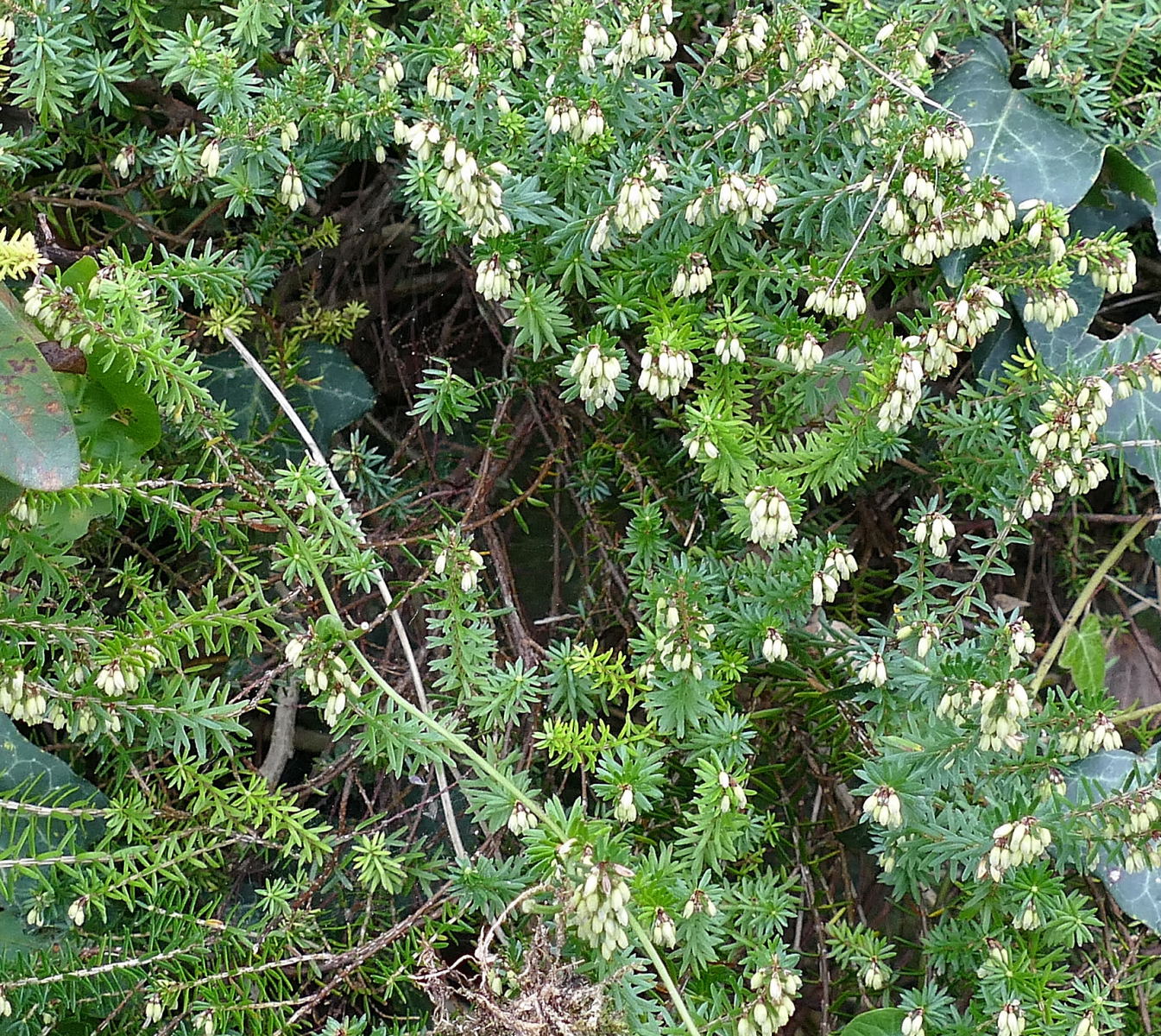
Calluna vulgaris flower extract
Media gradimento : 7
| Valutazione | N. Esperti | Valutazione | N. Esperti |
|---|---|---|---|
| 1 | 6 | ||
| 2 | 7 | ||
| 3 | 8 | ||
| 4 | 9 | ||
| 5 | 10 |
10 pt da Whiz35
| Iscriviti per poter valutare questo oggetto, le sue recensioni e per contribuire a Tiiips.Valuta | Dove si trova? |
| "Calluna vulgaris studi" su Calluna vulgaris flower extract Consenso relazione 10 di Whiz35 (11982 pt) | 09-nov-2022 16:09 |
| Leggi il Tiiip completo | (Invia il tuo commento) |
Compendio degli studi più significativi con riferimento a proprietà, assunzione, effetti.
Villanueva-Bermejo, D., Vázquez, E., Villalva, M., Santoyo, S., Fornari, T., Reglero, G., & Rodriguez Garcia-Risco, M. (2019). Simultaneous supercritical fluid extraction of Heather (Calluna vulgaris L.) and Marigold (Calendula officinalis L.) and anti-inflammatory activity of the extracts. Applied Sciences, 9(11), 2245.
Abstract. Heather (Calluna vulgaris L.) and marigold (Calendula officinalis L.) are two rich sources of bioactive pentacyclic triterpenes. The supercritical carbon dioxide (SCCO2) extraction of these two plants was explored at a pressure range of 25–50 MPa, 50 °C, with or without fractionation, different extraction times (1.5–4.0 h) and using ethanol as a co-solvent (0 and 10% w/w). In order to determine potential synergisms, a combined extraction (heather + marigold 50:50) was also studied. In general, higher extraction yields were achieved when the co-solvent was added. Higher concentrations of total triterpenic acids were obtained in heather extracts, specially using ethanol. The co-solvent did not increase the terpene concentration in marigold extracts. For the combined extraction, an antagonist effect in the triterpene concentration was observed in absence of a co-solvent, whereas a synergistic effect was exhibited in its presence, especially for ursolic acid. In general, the extracts showed a certain anti-inflammatory effect, although a straight correlation with the analyzed triterpenic acids concentration was not exhibited. Moreover, the combined extraction exposed a similar anti-inflammatory activity in comparison with the individual plant extracts.
Kaunaite V, Vilkickyte G, Raudone L. Phytochemical Diversity and Antioxidant Potential of Wild Heather (Calluna vulgaris L.) Aboveground Parts. Plants (Basel). 2022 Aug 25;11(17):2207. doi: 10.3390/plants11172207.
Abstract. Calluna vulgaris L. (heather) is a traditional medicinal plant with anti-inflammatory and calming activities that are determined by the notable amounts of phytochemicals. The evaluation of different populations of plants that accumulate great amounts of bioactive compounds are requisite for the quality determination of plant materials and medicinal and nutritional products. The assessment of natural resources from a phytogeographic point of view is relevant. Phytochemical analysis of heather samples was carried out using spectrophotometric methods and HPLC-PDA techniques, while antioxidant activity was determined using ABTS and FRAP assays. A significant diversification of phenolic and triterpenic compounds and antioxidant activity was determined in the heather samples collected in distinct habitats. Natural habitats, due to their characteristic chemical heterogeneity, lead to the diversity of indicators characterizing the quality of plant raw materials. Chlorogenic acid and hyperoside were found to be predominant among the phenolic compounds, while ursolic, oleanolic acids, and uvaol prevailed among the triterpenic compounds. Thus, these compounds can be suggested as phytochemical markers, characteristic of the heather raw material from central Europe.
Mandim F , Barros L , Calhelha RC , Abreu RMV , Pinela J , Alves MJ , Heleno S , Santos PF , Ferreira ICFR . Calluna vulgaris (L.) Hull: chemical characterization, evaluation of its bioactive properties and effect on the vaginal microbiota. Food Funct. 2019 Jan 22;10(1):78-89. doi: 10.1039/c8fo01910j.
Abstract. The inflorescences of Calluna vulgaris were nutritionally and chemically characterized. Furthermore, different organic and aqueous extracts were prepared for the evaluation of their bioactive properties. From the obtained results, carbohydrates were the major compounds, followed by protein, lipid and ashes. It was possible to identify the sugars fructose and glucose, five organic acids, 26 individual fatty acids and the four tocopherol isoforms. Concerning the extract composition, 12 phenolic compounds were identified, with myricetin-3-O-glucoside and myricetin-O-rhamnoside predominating. Concerning the bioactive effects, the more polar extracts showed not only the highest amount in phenolic compounds, but also the strongest antioxidant and antibacterial activities. In contrast, for the anti-inflammatory and cytotoxic potential, the most effective extracts were the n-hexane and the ethyl acetate extracts, respectively. C. vulgaris presented a wide range of biological effects, highlighting their capacity to inhibit pathogenic bacteria without affecting beneficial microflora, corroborating their use in traditional medicine.
Saaby L, Rasmussen HB, Jäger AK. MAO-A inhibitory activity of quercetin from Calluna vulgaris (L.) Hull. J Ethnopharmacol. 2009 Jan 12;121(1):178-81. doi: 10.1016/j.jep.2008.10.012.
Abstract. Aim of the study: This study investigated MAO-A inhibitory activity of methanol extract of Calluna vulgaris (L.) Hull., which traditionally has been used as a nerve calming remedy....Conclusion: The content of quercetin in Calluna vulgaris might explain the reported nerve calming effect of the plant.
Filip A, Clichici S, Daicoviciu D, Catoi C, Bolfa P, Postescu ID, Gal A, Baldea I, Gherman C, Muresan A. Chemopreventive effects of Calluna vulgaris and Vitis vinifera extracts on UVB-induced skin damage in SKH-1 hairless mice. J Physiol Pharmacol. 2011 Jun;62(3):385-92.
Abstract. Solar ultraviolet radiation (UV) is a major cause of non-melanoma skin cancer in humans. Photochemoprevention with natural products represents a simple but very effective strategy in the management of cutaneous neoplasia. The study investigated the protective activity of Calluna vulgaris (Cv) and red grape seeds (Vitis vinifera L, Burgund Mare variety) (BM) extracts in vivo on UVB-induced deleterious effects in SKH-1 mice skin. Forty SKH-1 mice were randomly divided into 4 groups (n=10): control, UVB irradiated, Cv + UVB irradiated, BM+UVB irradiated. Both extracts were applied topically on the skin in a dose of 4 mg/40 μl/cm(2) before UVB exposure - single dose. The effects were evaluated in skin 24 hours after irradiation through the presence of cyclobutane pyrimidine dimers (CPDs) and sunburn cells, tumor necrosis factor-alpha (TNF-α), interleukin (IL)-6 levels. The antioxidant activity of BM extract was higher than those of Cv extract as determined using stable free radical DPPH assay and ABTS test. One single dose of UVB generated formation of CPDs (p<0.0001) and sunburn cells (p<0.0002) and increased the cytokine levels in skin (p<0.0001). Twenty hours following irradiation BM extract inhibited UVB-induced sunburn cells (p<0.02) and CPDs formation (p<0.0001). Pretreatment with Cv and BM extracts resulted in significantly reduced levels of IL-6 and TNF-α compared with UVB alone (p<0.0001). Our results suggest that BM extracts might be a potential candidate in preventing the damages induced by UV in skin.
Starchenko G, Hrytsyk A, Raal A, Koshovyi О. Phytochemical Profile and Pharmacological Activities of Water and Hydroethanolic Dry Extracts of Calluna vulgaris (L.) Hull. Herb. Plants (Basel). 2020 Jun 15;9(6):751. doi: 10.3390/plants9060751.
Abstract. According to the WHO data (2017), depression is the most predominant disease worldwide, with about 300 million people suffering from it, and bipolar disorder is the second most common. Therefore, it is relevant to research new medicines based on medicinal herbal raw materials with anti-anxiety and antidepressant effects. Common heather (Calluna vulgaris (L.) Hull.), a flowering plant of the Ericaceae family, is a promising species for research in this area. The aim of this study was to investigate the phytochemical profile and several biological activities of hydroethanolic dry extracts from the C. vulgaris herb. Nineteen phenolic substances were identified and quantified in the extracts by HPLC. The quantitative content of the basic groups of biologically active compounds was determined by spectrophotometry. Arbutin was dominant among the hydroquinone derivatives; chlorogenic acid among the hydroxycinnamic acids; rutin, hyperoside and quercetin-3-D-glucoside among the flavonoids; and (+)-gallocatechin and (-)-epigallocatechin among the tannin metabolites. The water and hydroethanolic extract were compared, the extract of C. vulgaris herb obtained with 70% hydroethanolic had the most pronounced anti-inflammatory, antimicrobial, anxiolytic, stress-protective, anti-anxiety and anti-depressant effects, and it is a promising substance for the development of new drugs or food supplements.
Dróżdż P, Sentkowska A, Pyrzyńska K. Biophenols and antioxidant activity in wild and cultivated heather. Nat Prod Res. 2017 May;31(10):1181-1184. doi: 10.1080/14786419.2016.1222389.
Abstract. Over the last decade, there has been an increasing interest to study the antioxidants from natural sources which can be applied to replace the synthetic compounds commonly used in food or as cosmetic ingredients. Calluna vulgaris (L.) Hull (heather), a plant grown in most parts of Europe and Northern America, has been used in ethnopharmacology. The content of selected biophenols and the antioxidant capacity of the extracts of wild heather collected from natural environmental localities of central Poland were assessed in this study and compared with cultivated plant. Chlorogenic acid was the major biophenolic compound present in the extracts, followed by a high amount of catechins. The reducing power of the extracts evaluated by Folin-Ciocalteau assay was in the range of 75.7-89.1 mg GA/g dry flowers. The cultivated plant extract showed the largest radical scavenging on 1,1-diphenyl-2-pirylhydrazyl (DPPH) radicals.
| Iscriviti per poter valutare questo oggetto, le sue recensioni e per contribuire a Tiiips.ValutaChiudi | (0 commenti) |
| "Descrizione" su Calluna vulgaris flower extract Consenso relazione 10 di Whiz35 (11982 pt) | 30-nov-2025 18:19 |
| Leggi il Tiiip completo | (Invia il tuo commento) |
Calluna vulgaris flower extract è l'estratto che si ottiene per essicazione delle foglie e fiori dell'omonima piccola pianta perenne Calluna vulgaris L. Hull, che appartiene alla famiglia delle Ericaceae ed è anche chiamata Erica comune o Erica scozzese o pianta di Ling.

E' una delle piante ornamentali più diffuse in Europa, Nord America, Australia e Nuova Zelanda. Può raggiungere il metro in altezza e fiorisce da maggio ad ottobre con fiori di colore rosa intenso o viola distribuiti in lunghi grappoli.
L'estratto si presenta in forma di polvere fine con colore da giallo scuro a marrone.

A cosa serve e dove si usa
Medicina
Calluna vulgaris è da tempo conosciuta ed utilizzata dalla medicina tradizionale per il potenziale terapeutico dei suoi composti fenolici inseriti in un interessante profilo fitochimico (1):
che conferisce a questa pianta attività antiossidante, antinfiammatoria, antimicrobica, chemioprotettiva. e i fiori contengono il valore nutritivo più elevato, tant'è che viene utilizzata come parte integrante della risorsa pastorale in Europa. Tutte queste attività positive dipendono comunque da tutta una serie di fattori: stagione, altitudine, clima. Entrando nello specifico campo della sua attività salutare è da notare che la letteratura scientifica ha evidenziato che i componenti di questa pianta hanno anche altre ed importanti specifiche attività: contro il virus dell'epatite C (2), la gotta (3), esposizioni eccessive a raggi ultravioletti (4), infezioni del tratto urinario (5).
Cosmetica
Il contenuto di biofenoli e la capacità antiossidante dell'estratto di Calluna vulgaris rispondono all'esigenza crescente di sostituire i composti sintetici comunemente usati in cosmetica per la conservazione dei prodotti e per evitarne il deterioramento. Sulla pelle ha un effetto antinfiammatorio sulle cellule citochine (minuscole proteine che fungono da agenti di comunicazione del sistema immunitario) proteggendo lo strato corneo da raggi UV e inibendone la perossidazione indotta.

Bibliografia_____________________________________________________________________
(1) Allais, D. P., Simon, A., Bennini, B., Chulia, A. J., Kaouadji, M., & Christiane, D. (1991). Flavone and flavonol glycosides from Calluna vulgaris. Phytochemistry, 30(9), 3099-3101.
Monschein, M., Iglesias Neira, J., Kunert, O., & Bucar, F. (2010). Phytochemistry of heather (Calluna vulgaris (L.) Hull) and its altitudinal alteration. Phytochemistry Reviews, 9(2), 205-215.
Abstract. Calluna vulgaris (L.) Hull (heather) is the only species within the genus Calluna (Ericaceae). It is a dominant species of heather communities and can be found in most parts of Europe and Northern America from lowland up to alpine regions. Common heather is traditionally used to treat urinary tract disturbances and inflammatory related disorders. This review covers the current knowledge on phytochemical investigations of C. vulgaris which revealed a complex pattern of flavonoid glycosides including acetylated compounds as well as other classes of phenolics (chromones, procyanidins and simple phenols). Recently, an acetophenone (rodiolinozide) was identified. C. vulgaris occurs in habitats comprising several altitudinal zones which makes it an attractive species to study the variation of its metabolic profiles in wild populations growing under different climatic conditions. Within phenolic compounds, flavonols showed significant differences in samples collected at different altitudes with increased levels of quercetin glycosides at higher altitudes whereas no significant correlation could be found for caffeoyl quinic acids and the dihydroflavonol glycoside callunin. Expanding such investigations to different species and different geographical areas should give a more accurate picture of suitable marker compounds within the group of phenolics in order to detect adaptive processes in high altitude plants. Furthermore, investigations on the specific patterns of phenolics at cellular and subcellular level and their variation due to factors like enhanced solar radiation and low temperature should be expanded.
Rodrigues F, Moreira T, Pinto D, Pimentel FB, Costa ASG, Nunes MA, Gonçalves Albuquerque T, S Costaa H, Palmeira-de-Oliveira A, Oliveira AI, Sut S, Dall'Acqua S, Oliveira MBPP. The phytochemical and bioactivity profiles of wild Calluna vulgaris L. flowers. Food Res Int. 2018 Sep;111:724-731. doi: 10.1016/j.foodres.2018.06.012.
Abstract. The nutritional composition of Calluna vulgaris flowers as well as the phytochemical profile, antioxidant (DPPH and FRAP assays), antimicrobial and cytotoxic (in human immortalized non-tumorigenic keratinocyte and fibroblasts) activities of aqueous, hydroalcoholic and ethanolic extracts were evaluated. A high content of fiber and carbohydrates (75%) and the prevalence of α-tocopherol as vitamer deserves attention. Linolenic (35%), linoleic (27%) and palmitic (21%) acids were the most abundant fatty acids. Qualitative and quantitative analysis by LC-MS and 1NMR indicated high levels of quercetin, kaempferol and myricetin derivatives as well as procyanidins. The hydro-alcoholic extract displayed the highest antioxidant activity and total phenolics (TPC) and flavonoid contents (TFC). No adverse effects on cells were observed until a concentration of 100 μg/mL and a good antimicrobial activity was reported against S. epidermidis and S. aureus with the hydro-alcoholic extract. The data obtained demonstrated that wild plants like heather, although not being a common nutritional reference, can be used in an alimentary base as a source of bioactive compounds, namely antioxidants.
(2) García-Risco MR, Vázquez E, Sheldon J, Steinmann E, Riebesehl N, Fornari T, Reglero G. Supercritical fluid extraction of heather (Calluna vulgaris) and evaluation of anti-hepatitis C virus activity of the extracts. Virus Res. 2015 Feb 16;198:9-14. doi: 10.1016/j.virusres.2014.12.022.
(3) Vostinaru, O., Dinte, E., Soran, M. L., Lung, I., Opris, O., & Mogosan, C. (2018). Evaluation of the Anti-Gout Potential of Calluna vulgaris L.(Ericaceae) in Rats. Records of Natural Products, 12(5).
Abstract. The present study evaluated the anti-gout potential of an ethanolic extract from Calluna vulgaris L. Hull (ECV). A preliminary phytochemical analysis of ECV was performed by spectrophotometric and HPLCPDA-MS methods. Hypouricemic effect of ECV was tested in vivo using the oxonate-induced hyperuricemia model in rats, systolic blood pressure being also monitored in hyperuricemic animals. The anti-inflammatory and analgesic effects of ECV were investigated by the carrageenan-induced paw oedema and Randall-Selitto test in rats. The results of the phytochemical analysis of the extract obtained from C. vulgaris showed the main chemical constituents were flavonoids and chlorogenic acid. ECV showed significant and dose-dependent hypouricemic effects in oxonate-treated rats, increasing the urinary excretion of uric acid. The tested extract produced statistically significant anti-inflammatory and analgesic effects at the dose of 500 mg/kg. This study offers a new perspective regarding the anti-gout potential of C. vulgaris.
(4) Olteanu ED, Filip A, Clichici S, Daicoviciu D, Achim M, Postescu ID, Bolfa P, Bolojan L, Vlase L, Muresan A. Photochemoprotective effect of Calluna vulgaris extract on skin exposed to multiple doses of ultraviolet B in SKH-1 hairless mice. J Environ Pathol Toxicol Oncol. 2012;31(3):233-43. doi: 10.1615/jenvironpatholtoxicoloncol.v31.i3.50.
Abstract. UVB is a major cause of nonmelanoma skin cancer in humans. Photochemoprevention represents an important strategy in protecting the skin against the detrimental effects of ultraviolet B (UVB). We investigated the activity of Calluna vulgaris (Cv) delivered via a hydrogel on 3 main pathways (oxidative stress, inflammation, DNA damage) on skin exposed to multiple doses of UVB in SKH-1 mice. Fifty female mice were divided randomly into 5 groups: control, vehicle, UVB irradiated, Cv + UVB irradiated, and Cv + vehicle + UVB irradiated. The extract was applied topically on the skin in a dose of 4 mg polyphenols/cm2 30 minutes before each UVB (240 mJ/cm2) exposure over 10 consecutive days. Malondialdehyde, reduced glutathione, tumor necrosis factor-α, interleukin-6, cyclobutane pyrimidine dimer (CPD) levels, sunburn cell formation and epidermal thickness, and the number of epidermal cell layers in skin were evaluated 24 hours after the last treatment. UVB increased cytokine levels (P < 0.001), formation of CPDs (P < 0.001) and sunburn cells (P < 0.001), and the epidermal thickness and number of epidermal cell layers (P < 0.001) compared with the control group. The topical application of Cv protected the skin against inflammation and DNA damage, as shown by a decreased number of CPDs (P < 0.001) and sunburn cells (P < 0.001). The administration of Cv via hydrogel may be a viable method for chemoprevention..
(5) Vučić DM, Petković MR, Rodić-Grabovac BB, Stefanović OD, Vasić SM, Comić LR. In vitro activity of heather [Calluna vulgaris (L.) Hull] extracts on selected urinary tract pathogens. Bosn J Basic Med Sci. 2014 Nov 15;14(4):234-8. doi: 10.17305/bjbms.2014.4.40.
Abstract. Calluna vulgaris L. Hull (Ericaceae) has been used for treatment of urinary tract infections in traditional medicine. In this study we analyzed in vitro antibacterial activity of the plant extracts on different strains of Escherichia coli, Enterococcus faecalis and Proteus vulgaris, as well as the concentrations of total phenols and flavonoids in the extracts. Minimum inhibitory concentration (MIC) and minimum bactericidal concentration (MBC) were determined. The concentrations of total phenols were examined by using Folin-Ciocalteu reagent and ranged between 67.55 to 142.46 mg GAE/g. The concentrations of flavonoids in extracts were determined using spectrophotometric method with aluminum chloride and the values ranged from 42.11 to 63.68 mg RUE/g. The aqueous extract of C. vulgaris showed a significant antibacterial activity. The values of MIC were in the range from 2.5 mg/ml to 20 mg/ml for this extract. Proteus vulgaris strains were found to be the most sensitive. The results obtained suggest that all tested extracts of C. vulgaris inhibit the growth of human pathogens, especially the aqueous extract.
| Iscriviti per poter valutare questo oggetto, le sue recensioni e per contribuire a Tiiips.ValutaChiudi | (0 commenti) |
Leggi altri Tiiips su questo oggetto in Inglese (2)
Tipologia:   Natural Principali sostanze contenute:   Ultimo aggiornamento:   2022-11-09 12:36:09 | Rischio chimico:   |

