Miele: proprietà, usi, pro, contro, sicurezza
Definizione
Il miele è un alimento naturale prodotto dalle api mellifere (Apis mellifera) a partire principalmente da nettare di fiori (origine botanica variabile) oppure da melata, trasformato mediante processi enzimatici, disidratazione e maturazione all’interno dell’alveare.
È una matrice complessa composta soprattutto da zuccheri semplici (in particolare fruttosio e glucosio), acqua, acidi organici, composti aromatici, enzimi e una quota variabile di composti minori (fenolici, minerali, pigmenti, ecc.) che dipendono fortemente da:
origine botanica (es. acacia, castagno, agrumi, millefiori, ecc.),
origine geografica,
stagione,
gestione della raccolta e del confezionamento.
Dal punto di vista tecnologico, il miele è un ingrediente dolcificante, aromatizzante e strutturante, con comportamento influenzato da umidità, rapporto fruttosio/glucosio e tendenza alla cristallizzazione.

Processo di produzione
Il processo produttivo del miele (filiera apistica e confezionamento) comprende in genere:
Raccolta dei melari maturi.
Disopercolatura dei favi.
Smielatura (estrazione per centrifugazione).
Filtrazione / decantazione per rimuovere impurità grossolane (cera, parti d’ape, ecc.).
Eventuale maturazione/decantazione controllata.
Confezionamento.
Eventuale lieve riscaldamento tecnologico (se necessario) per migliorare fluidità o invasettamento, da gestire con attenzione per non degradare eccessivamente il prodotto.
I controlli chiave includono umidità, HMF (idrossimetilfurfurale), attività diastatica (o altri indicatori enzimatici), assenza di contaminazioni, profilo sensoriale, eventuale autenticità/origine botanica e stabilità in stoccaggio.
Principali sostanze contenute
Il miele è una matrice con composizione variabile. Le sostanze/componenti più rilevanti o rappresentative si possono includere:
Fruttosio: zucchero semplice spesso presente in quota elevata.
Aspetto favorevole: contribuisce a dolcezza e influenza la fluidità del miele.
Aspetto meno favorevole: resta uno zucchero; l’impatto nutrizionale dipende da porzione e frequenza di consumo.
Glucosio: zucchero semplice importante nel profilo del miele.
Aspetto favorevole: contribuisce al potere dolcificante e alla struttura.
Aspetto meno favorevole: una quota più alta può aumentare la tendenza alla cristallizzazione.
Saccarosio (in genere basso, ma variabile):
Aspetto favorevole: componente naturale in piccola quota in molti mieli.
Aspetto meno favorevole: valori anomali possono richiedere verifica tecnica in relazione a origine botanica, maturazione o conformità.
Acqua: componente fondamentale della matrice.
Aspetto favorevole: influenza consistenza e lavorabilità.
Aspetto meno favorevole: umidità elevata aumenta il rischio di fermentazione.
Acidi organici (es. acido caffeico, acido cinnamico come composti fenolici/acidi aromatici in tracce o quote variabili, oltre ad altri acidi come gluconico):
Aspetto favorevole: contribuiscono a acidità, aroma e profilo sensoriale.
Aspetto meno favorevole: la presenza/quantità è molto variabile e dipende dall’origine.
Acidi fenolici e flavonoidi:
Aspetto favorevole: contribuiscono al profilo fenolico e all’attività antiossidante della matrice.
Aspetto meno favorevole: sono presenti in quantità variabili e sensibili a luce/calore/stoccaggio.
Antociani (più rilevanti in alcuni mieli derivati da specifiche fonti botaniche e generalmente in quote molto variabili/tracce):
Aspetto favorevole: possono contribuire al profilo cromatico/fenolico.
Aspetto meno favorevole: non sono marker costanti in tutti i mieli; forte variabilità.
Eugenolo (composto aromatico possibile in relazione ad alcune origini botaniche):
Aspetto favorevole: può contribuire al profilo aromatico.
Aspetto meno favorevole: non è presente in modo uniforme in tutti i mieli.
Potassio (e altri minerali):
Aspetto favorevole: contributo micronutrizionale; spesso più elevato in mieli più scuri o di melata.
Aspetto meno favorevole: l’impatto nutrizionale reale dipende dalla piccola porzione consumata.
Destrine (oligosaccaridi/polisaccaridi a basso peso molecolare, quota variabile) e altri carboidrati minori:
Aspetto favorevole: contribuiscono alla complessità della matrice.
Aspetto meno favorevole: forte variabilità e ruolo quantitativo generalmente secondario rispetto ai monosaccaridi principali.
Mannite / mannitolo (poliolo, possibile in tracce/quote variabili in alcune matrici):
Aspetto favorevole: componente minore di interesse compositivo in alcuni profili.
Aspetto meno favorevole: non è un componente principale costante del miele; la sua presenza dipende da origine e metodo analitico.
Nota tecnica importante
Nelle liste divulgative di “principali sostanze” possono comparire composti rappresentativi ma non necessariamente predominanti. In una relazione tecnico-alimentare conviene distinguere tra:
componenti principali di matrice: acqua, fruttosio, glucosio, altri zuccheri;
componenti minori/caratterizzanti: acidi fenolici, flavonoidi, composti aromatici, minerali.
Dati di identificazione e specifiche
| Caratteristica | Valore | Nota |
|---|
| Nome ingrediente | Miele | Prodotto apistico naturale |
| Origine | Nettare di fiori e/o melata trasformati da Apis mellifera | Origine botanica e geografica variabili |
| Fonte botanica | Variabile (monoflora o millefiori) | Es.: acacia, castagno, agrumi, e molte altre (famiglie botaniche variabili secondo i fiori di origine) |
| Parte/derivazione | Secrezione trasformata dalle api a partire da nettare/melata | Non è un estratto vegetale diretto |
| Natura | Matrice zuccherina viscosa | Prevalenza di zuccheri semplici + acqua |
| Componenti chiave | Fruttosio, glucosio, acqua, acidi organici, composti fenolici, minerali | Profilo molto variabile per origine |
| Allergene | No (intrinseco, tipicamente) | Attenzione a sensibilità individuali; possibili tracce ambientali |
| Calorie | Indicativamente ~300–340 kcal/100 g | Variabili con umidità e profilo zuccherino |
| Parametri chiave | Umidità, HMF, attività enzimatica, zuccheri, autenticità, microbiologia/lieviti, cristallizzazione | Driver di qualità e conservabilità |
Proprietà chimico-fisiche (indicative)
| Caratteristica | Valore indicativo | Nota |
|---|
| Stato fisico | Liquido viscoso / semisolido | Dipende da temperatura e cristallizzazione |
| Colore | Molto variabile: chiaro → ambrato scuro | Influenzato dall’origine botanica e dalla melata |
| Odore | Floreale / fruttato / aromatico / balsamico (variabile) | Profilo sensoriale tipico della fonte botanica |
| Sapore | Dolce con note acide/amare/astringenti variabili | Dipende da origine e composti minori |
| pH | Acido (tipicamente area acida) | Contribuisce a stabilità microbiologica e gusto |
| Solubilità in acqua | Elevata | Facilmente disperdibile/diluibile |
| Viscosità | Variabile (alta a T ambiente in molti casi) | Dipende da temperatura, umidità e cristallizzazione |
| Cristallizzazione | Variabile | Influenzata soprattutto da rapporto glucosio/fruttosio e nuclei di cristallo |
| Stabilità | Buona se ben conservato | Critici: umidità, calore eccessivo, fermentazione, alterazioni aromatiche |
Usi principali
Alimentazione
Il miele è ampiamente utilizzato come:
dolcificante in bevande calde/fredde e preparazioni domestiche;
ingrediente in bakery (biscotti, torte, pane speziato, prodotti da forno);
componente di salse, glasse e marinature;
ingrediente in yogurt, dessert, cereali, creme spalmabili e preparazioni funzionali;
supporto aromatico in prodotti dove si desidera una nota floreale/balsamica specifica.
Oltre alla dolcezza, il miele può contribuire a colore, umidità e profilo aromatico del prodotto finito.
Uso industriale
I driver industriali principali sono:
costanza del profilo zuccherino,
viscosità e pompabilità,
controllo della cristallizzazione,
stabilità sensoriale,
autenticità e conformità merceologica,
gestione termica in processo (senza degradazione eccessiva).
Nutrizione e salute
Il miele è un alimento con prevalenza di zuccheri semplici, quindi va valutato principalmente come ingrediente energetico/dolcificante, pur contenendo anche composti minori (fenolici, aromatici, minerali) che contribuiscono alla complessità della matrice.
Aspetti pratici:
la qualità nutrizionale dipende dalla porzione;
nonostante i composti bioattivi (es. flavonoidi, acidi fenolici), questi non trasformano il miele in un alimento “neutro” dal punto di vista glicidico;
differenze tra mieli chiari/scuri e tra origini botaniche possono influenzare il profilo sensoriale e alcuni componenti minori.
Pro
Ingrediente naturale con elevata palatabilità e forte identità aromatica.
Buona versatilità in cucina e in industria.
Presenza di composti minori (flavonoidi, acidi fenolici, minerali) che arricchiscono la matrice.
Utile come dolcificante con profilo sensoriale più complesso rispetto al saccarosio puro.
Contro
Elevata quota di zuccheri semplici: da gestire in base a porzione e contesto dietetico.
Variabilità marcata tra lotti/origini (colore, aroma, cristallizzazione).
Sensibile a calore e cattiva conservazione (degradazione aromatica, aumento HMF).
Rischio di fermentazione se umidità elevata o conservazione non corretta.
Nota porzione
La porzione va valutata in base all’uso (dolcificante, ingrediente, topping), considerando:
quantità effettivamente aggiunta,
altri zuccheri presenti nel pasto/prodotto,
frequenza di consumo.
Sicurezza (allergeni, controindicazioni)
Allergeni: il miele non è tipicamente classificato come allergene maggiore, ma possono esistere sensibilità individuali.
Sicurezza microbiologica/qualità: importanti controlli su umidità, lieviti osmofili, contaminanti e corretta conservazione.
Esigenze metaboliche specifiche: in soggetti con restrizioni sugli zuccheri (es. piani dietetici specifici) va considerato come fonte di zuccheri.
Conservazione e shelf-life
Conservare il miele in contenitore ben chiuso, in luogo asciutto, al riparo da calore e luce eccessivi.
Punti chiave:
evitare assorbimento di umidità dall’ambiente (il miele è igroscopico);
evitare temperature troppo alte per preservare aroma e qualità;
la cristallizzazione non implica necessariamente difetto, ma una normale evoluzione fisica in molti mieli;
eventuale fluidificazione va fatta con riscaldamento controllato e non eccessivo.
Etichettatura
In etichetta il prodotto può comparire come:
Elementi da valutare:
origine geografica/paese(i) secondo normativa applicabile;
eventuale indicazione della fonte botanica;
assenza di aggiunte non dichiarate;
coerenza tra dichiarazione commerciale e profilo del prodotto.
Ruolo funzionale e razionale d’impiego
Il miele è scelto per combinare:
funzione dolcificante,
contributo aromatico distintivo,
effetto su texture/umidità in alcune preparazioni,
percezione di ingrediente tradizionale/naturale.
In formulazione è spesso un ingrediente di identità sensoriale, non solo una fonte di dolcezza.
Compatibilità formulativa
I punti principali sono:
Temperatura di processo: il calore può alterare composti aromatici e aumentare HMF.
Acqua/umidità: influenza viscosità, stabilità e rischio fermentativo.
Cristallizzazione: va considerata in prodotti spalmabili, topping e riempimenti.
pH e interazione con altri ingredienti: influenzano gusto e stabilità.
Dosaggio: modifica dolcezza, colore (soprattutto in cottura) e texture.
Sicurezza, normativa e qualità
È raccomandata una gestione GMP/HACCP con attenzione a:
autenticità e tracciabilità,
umidità,
HMF e indicatori di trattamento/conservazione,
profilo zuccherino,
contaminanti,
qualità sensoriale e stabilità.
Per la qualità pratica sono cruciali costanza di lotto, profilo aromatico coerente, corretta viscosità e gestione controllata della cristallizzazione.
Conclusione
Il miele è un ingrediente alimentare naturale ad alta versatilità, con funzione principalmente dolcificante ma anche aromatizzante e strutturante. La sua qualità dipende in modo determinante da origine botanica, gestione della filiera, umidità, trattamento termico e conservazione.
Tenendo conto delle sostanze come acidi fenolici, flavonoidi, potassio, e composti aromatici rappresentativi, il miele mostra una composizione più complessa del solo zucchero; tuttavia, dal punto di vista nutrizionale resta una matrice a prevalenza di zuccheri semplici, da valutare sempre in base alla porzione.
Mini-glossario
Melata: sostanza zuccherina raccolta dalle api da secrezioni presenti su piante/parti vegetali, diversa dal nettare floreale.
HMF (idrossimetilfurfurale): composto usato come indicatore di invecchiamento/riscaldamento eccessivo del miele.
Cristallizzazione: fenomeno fisico naturale in cui parte degli zuccheri (soprattutto glucosio) forma cristalli.
Acidi fenolici: composti fenolici presenti in quote variabili che contribuiscono al profilo antiossidante e sensoriale.
Flavonoidi: sottoclasse di polifenoli vegetali, variabili secondo origine botanica.
Miele monoflora: miele attribuito prevalentemente a una specifica fonte botanica.
GMP/HACCP: buone pratiche di fabbricazione e sistema di autocontrollo per la sicurezza alimentare.
Studi
Il miele contiene una certa quantità di fruttosio, un componente naturale che, se consumato in quantità può portare ad insulino-resistenza epatica ed extraepatica, obesità, diabete mellito di tipo 2 e pressione alta. Non c'è, tuttavia, alcun motivo oggettivo per sostenere che l'assunzione moderata di fruttosio, o di fruttosio consumato con frutta o miele, non sia sicura (1).

Sicurezza
Sebbene la vigente legislazione dell'UE non consenta l'uso di antimicrobici, i loro residui sono spesso rilevati nel miele destinato al consumo umano. Questo studio si propone di indagare se le api che vivono in alveari situati vicino a serbatoi pieni di letame di maiale contenenti residui di ossitetraciclina, raccogliendone l'acqua contenuta, contaminano così il loro miele (2).
Altre fonti documentate di vie ambientali e biologiche:
Deriva da altri alveari: api bottinatrici possono saccheggiare alveari deboli o collassati che contengono miele o cera contaminati.
Materiali apistici contaminati:
- Cera riciclata: la cera è fortemente lipofila e accumula antibiotici, acaricidi e altri farmaci.
- Fogli cerei commerciali: se prodotti con cera contaminata (specialmente importata), possono introdurre residui.
- Arnie e telaini usati: riutilizzati senza bonifica adeguata.
Ambiente agricolo e zootecnico
Acque di abbeverata: pozzanghere, canali, vasche con residui di antibiotici veterinari.
Liquami e letami: usati in agricoltura, contengono antibiotici e metaboliti.
Polline e nettare: contaminazione indiretta da suolo o acqua.
Discariche, rifiuti e reflui urbani
Discariche: api attratte da residui zuccherini o liquidi.
Impianti di depurazione: acque reflue con tracce di farmaci.
Aree urbane: fonti idriche contaminate (tombini, grondaie).
Importazioni di miele e cera
Un altro problema che concerne la sicurezza alimentare è costituito dalla presenza di residui di pesticidi nel miele. I pesticidi possono essere clororganici oppure fosforganici (3)
Miele studi
Bibliografia_____________________________________________________________________
(1) Tappy L, Lê KA. Metabolic effects of fructose and the worldwide increase in obesity. Physiol Rev. 2010 Jan;90(1):23-46. doi: 10.1152/physrev.00019.2009.
Abstract. While virtually absent in our diet a few hundred years ago, fructose has now become a major constituent of our modern diet. Our main sources of fructose are sucrose from beet or cane, high fructose corn syrup, fruits, and honey. Fructose has the same chemical formula as glucose (C(6)H(12)O(6)), but its metabolism differs markedly from that of glucose due to its almost complete hepatic extraction and rapid hepatic conversion into glucose, glycogen, lactate, and fat. Fructose was initially thought to be advisable for patients with diabetes due to its low glycemic index. However, chronically high consumption of fructose in rodents leads to hepatic and extrahepatic insulin resistance, obesity, type 2 diabetes mellitus, and high blood pressure. The evidence is less compelling in humans, but high fructose intake has indeed been shown to cause dyslipidemia and to impair hepatic insulin sensitivity. Hepatic de novo lipogenesis and lipotoxicity, oxidative stress, and hyperuricemia have all been proposed as mechanisms responsible for these adverse metabolic effects of fructose. Although there is compelling evidence that very high fructose intake can have deleterious metabolic effects in humans as in rodents, the role of fructose in the development of the current epidemic of metabolic disorders remains controversial. Epidemiological studies show growing evidence that consumption of sweetened beverages (containing either sucrose or a mixture of glucose and fructose) is associated with a high energy intake, increased body weight, and the occurrence of metabolic and cardiovascular disorders. There is, however, no unequivocal evidence that fructose intake at moderate doses is directly related with adverse metabolic effects. There has also been much concern that consumption of free fructose, as provided in high fructose corn syrup, may cause more adverse effects than consumption of fructose consumed with sucrose. There is, however, no direct evidence for more serious metabolic consequences of high fructose corn syrup versus sucrose consumption.
(2) Ricchiuti L, Petrollini E, Annunziata L, D'Aloise A, Leonardi D, Pomilio F. Contamination of honey by oxytetracycline from pig manure. Vet Ital. 2019 Jun 30;55(2):123-129. doi: 10.12834/VetIt.1033.5510.4.
Abstract. Although the use of antimicrobial is not allowed in bee industry according to current EU legislation, antimicrobial residues are often detected in honey doomed to human consumption. This study aims to investigate if bees living in hives located nearby tanks filled with pig manure containing residues of oxytetracycline, would naturally harvest water from it, thus contaminating their honey. Data from this experiment were compared with those originating from direct contamination with oxytetracycline through the beehive feeders. Bees did not harvest water from manure, even during the warmest days of summer. Instead, antimicrobial residues were evidenced and quantified in honey from hives directly contaminated with oxytetracycline. Interestingly, antimicrobial residues were also observed in honey from untreated hives thus suggesting that illegal treatments can cause contamination, albeit at low levels, of honey produced in legally-untreated neighboring hives.
(3) Andreo-Martínez P, Oliva J, Giménez-Castillo JJ, Motas M, Quesada-Medina J, Cámara MÁ. Science production of pesticide residues in honey research: A descriptive bibliometric study. Environ Toxicol Pharmacol. 2020 Oct;79:103413. doi: 10.1016/j.etap.2020.103413.



 Miele
Miele 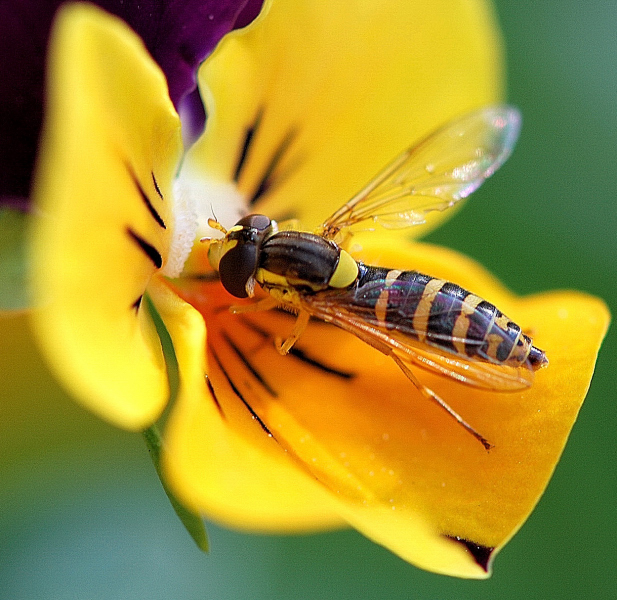


 Dextrins


