

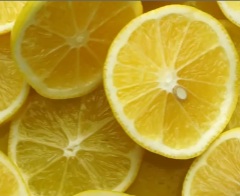
Lemon juice powder
Rating : 7
| Evaluation | N. Experts | Evaluation | N. Experts |
|---|---|---|---|
| 1 | 6 | ||
| 2 | 7 | ||
| 3 | 8 | ||
| 4 | 9 | ||
| 5 | 10 |
0 pts from Al222
| Sign up to vote this object, vote his reviews and to contribute to Tiiips.Evaluate | Where is this found? |
| "Descrizione" about Lemon juice powder by Al222 (23259 pt) | 2025-Nov-14 21:27 |
| Read the full Tiiip | (Send your comment) |
Lemon juice powder
(spray-dried powder from Citrus limon juice; with or without carrier)
Description
• Acidulant–flavoring ingredient obtained by drying lemon juice to a free-flowing powder with fresh citrus taste and pale yellow–ivory color.
• Available carrier-free (more intense and highly hygroscopic) or with carriers such as maltodextrin or gum arabic to improve flowability, stability, and handling in dry blends.
• Used in instant beverages, seasonings, dressings and sauces, marinades, desserts and icings, dairy and analogs, bakery and snack applications.

Indicative nutritional values (per 100 g powder, as is)
Values vary significantly with carrier type and dosage.
• Energy: 320–380 kcal
• Carbohydrates: 80–95 g (of which sugars 30–60 g, partly from carriers)
• Fiber: 1–5 g • Protein: ≤ 1 g • Fat: ≤ 0.5 g • Sodium: 5–20 mg
• Vitamin C: highly variable (often modest because of thermal losses unless fortified).
Key constituents
• Organic acids: mainly citric acid (plus traces of malic), providing acidity and pH control.
• Natural sugars from the juice (glucose/fructose) plus additional carbohydrates from maltodextrin or other carriers.
• Citrus volatiles (limonene, citral, linalool) in reduced amounts vs fresh juice, depending on process.
• Minerals: potassium with traces of calcium and magnesium.
• Possible anticaking agents (e.g., silicon dioxide) within legal limits.
Production process
• Lemon juice extraction and clarification → partial concentration → °Brix adjustment and, if used, carrier addition → spray drying (hot air, atomization) → cooling, sieving/agglomeration → barrier packing (often nitrogen-flushed).
• Variants: freeze drying for superior flavor retention; standardized titratable acidity (TTA) to give consistent sourness.
Physical properties
• Fine, hygroscopic powder; bulk density typically 0.3–0.6 g/mL (grade-dependent).
• pH in 10% solution typically 2.2–2.6; powder aw ≤ 0.30.
• Pale yellow–ivory color, citrus aroma; rapidly soluble in water.
Sensory and technological properties
• Acts as acidifier and flavor enhancer, providing bright citrus notes and pH control.
• Helps color stability in some matrices via pH effect; may promote browning in baked goods if sugar/carrier level is high.
• In beverages it gives freshness and balances sweetness; in sauces/dressings it contributes to microbial stability via pH and aw reduction in dry mixes.
Food applications
• Beverages: instant drinks, lemon teas/infusions, cocktail mixes.
• Seasonings & savory: dry rubs, snack seasonings, marinades for fish/meat/vegetables.
• Dressings & sauces: mayonnaise and vinaigrette, cooking sauces, glazes.
• Bakery & confectionery: cakes, cookies, fillings, icings, flavored sugars.
• Dairy and analogs: yogurts, desserts, ice creams and sorbets.
Nutrition and health
• Energy comes almost entirely from carbohydrates; fat and protein are negligible.
• Vitamin C content is not guaranteed unless the product is fortified; native vitamin C depends strongly on process and storage.
• Provides pH control and contributes to lower water activity in dry blends, indirectly supporting microbial stability.
Serving note (usage guidance)
• Typical use levels (as-is powder): beverages 0.3–2.5%; dry seasonings 1–6%; dressings/sauces 0.2–1.2%; bakery 0.1–0.8% based on flour or total dough.
• Often declared or standardized by equivalent lemon juice content or acid value.
Allergens and intolerances
• Lemon is not among the 14 major EU allergens; rare citrus hypersensitivity may occur.
• Check for sulphites if used as preservatives (>10 mg/kg as SO₂ must be declared).
• Potential allergens may come from carriers (e.g., milk or soy proteins in functional powders); maltodextrin is usually gluten-free but source labeling may be required locally.
Quality and specifications (typical)
• Moisture ≤ 3–6% • aw ≤ 0.30 • Reconstituted °Brix and titratable acidity within spec
• Heavy metals and pesticide residues within legal limits • Anticaking agents within regulatory levels
• Microbiology: Salmonella absent/25 g; low yeast/mould and total plate counts.
Storage and shelf-life
• Store cool, dry, and dark (≤ 25 °C; RH < 60%) in moisture- and oxygen-barrier packaging with desiccant; reseal promptly after opening.
• Typical shelf-life: 12–24 months unopened; avoid moisture pickup (caking risk) and odor absorption.
Safety and regulatory
• Manufactured under GMP/HACCP; only permitted additives (anticaking agents, natural flavors) may be used.
• Label must state “Lemon Juice Powder” or equivalent, all ingredients (including carriers and sulphites, if present), batch, origin, date/durability, storage conditions, and—where relevant—reconstitution instructions.
Labeling
• Optional claims: “no artificial flavors,” “gluten-free,” “non-GMO,” etc., only when supported by documentation.
• In compound foods, manufacturers may indicate % lemon juice equivalent or acidity level if important for product positioning.
Troubleshooting
• Caking/clumping → moisture ingress or high humidity → improve barrier packaging, use desiccants, consider agglomerated/instant grades.
• Weak lemon flavor → volatile loss or under-dosing → increase dosage or choose a higher-flavor/encapsulated grade.
• Excessive sourness or harsh notes → overuse → reduce inclusion rate or balance with sugars/salts.
• Haze or precipitates in beverages → water hardness or carrier insolubility → dissolve at higher temperature, filter as needed, or adapt formulation.
Sustainability and supply chain
• Can support circular economy by valorizing citrus side streams (peel and pulp for pectin, essential oils, and bioactives).
• Plants should optimize water and energy use, recover heat from dryers, and treat effluents with BOD/COD reduction.
• Use recyclable/mono-material packaging and FIFO stock rotation to minimize waste and quality loss.
Main INCI functions (cosmetics)
• Citrus Limon (Lemon) Fruit Extract/Juice Powder — used as fragrance, skin conditioning agent, and pH adjuster in cosmetic products; cosmetic-grade specs and allergen limits for citrus constituents must be observed.
Conclusion
Lemon juice powder is a convenient, shelf-stable acidulant and flavoring, ideal for dry blends and instant systems where fresh juice is impractical. Careful choice of carrier, tight moisture control, and consistent acidity standardization are key to delivering reliable flavor impact, solubility, and shelf-life across beverages, seasonings, sauces, bakery, and dairy-type applications.
Mini-glossary
• °Brix — Measure of soluble solids (mainly sugars) in a solution.
• TTA (titratable acidity) — Acidity expressed as % citric acid equivalent.
• aw — Water activity of the powder; lower values mean better microbial stability.
• GMP/HACCP — Good Manufacturing Practices / Hazard Analysis and Critical Control Points; core food-safety systems.
• BOD/COD — Biochemical/Chemical Oxygen Demand; indicators of organic load in wastewater.
• DE (dextrose equivalent) — Degree of hydrolysis of maltodextrin, influencing sweetness and hygroscopicity.
• FIFO — First In, First Out; stock rotation principle to limit ageing and waste.
Studies
The chemical composition of the lemon includes mainly citric acid and limonene.
It contains flavonoids, which are extremely useful components for the immune defense of the human body and therefore to combat degenerative diseases such as cancer. In particular, Rutin, Quercetin, Neoeriocitrin (1).
It also contains a large amount of vitamin C, one of the most important antioxidants found in nature and an element of contrast to free radicals that are the cause of aging and many diseases related to the oxidation process of cells. However, the fruit that contains the highest amount of vitamin C is the kiwi.
A lemon juice, you know is a remedy against colds and flu and cooling diseases.
It also acts as a protector against rheumatoid arthritis.

Thin-skinned lemons are preferable as they have more juice.
The lemon have been recognized by scientific studies antimicrobial activity both in the form of nanoemulsions in essential oil and in the form of pure essential oil juice (2).
Among the various phenolic components present in lemon peel, Eriocitrin, for its anti-aging properties, has been the subject of specific studies in rats (3).
Lemon extract has also demonstrated antimicrobial activity against bacteria such as Pseudomonas aeruginosa and Klebsiella pneumoniae (4).
References_________________________________________________________________
(1) Aliberti L, Caputo L, De Feo V, De Martino L, Nazzaro F, Souza LF. Chemical Composition and in Vitro Antimicrobial, Cytotoxic, and Central Nervous System Activities of the Essential Oils of Citrus medica L. cv. 'Liscia' and C. medica cv. 'Rugosa' Cultivated in Southern Italy. Molecules. 2016 Sep 18;21(9):1244. doi: 10.3390/molecules21091244.
Abstract. Citrus medica cv. 'liscia' and C. medica cv. 'rugosa' are two taxa of citron, belonging to the biodiversity of South Italy, in particular of Amalfi Coast, in the Campania region. The chemical composition of the essential oils (EOs) from fruit peels of both C. medica cultivars was studied by gas chromatography (GC) and gas chromatography-mass spectrometry (GC-MS) analyses. In all, 100 compounds were identified, 82 for C. medica cv. 'liscia', accounting for 91.4% of the total oil, and 88 for C. medica cv. 'rugosa', accounting for 92.0% of the total oil. Monoterpene hydrocarbons are the main constituents in both oils of C. medica cv. 'liscia' (79.1%) and C. medica cv. 'rugosa' (80.2%). In both oils, limonene (67.2%-62.8%) and camphene (8.5%-10.9%) are the main constituents. The antimicrobial activity of the EOs was assayed against some bacterial strains: Bacillus cereus (DSM 4313), Bacillus cereus (DSM 4384), Staphylococcus aureus (DSM 25693), Pseudomonas aeruginosa (ATCC 50071), and Escherichia coli (DSM 8579). Low concentrations of C. medica cv. 'rugosa' EO showed an inhibitory effect on P. aeruginosa and higher concentrations inhibited more B. cereus (4384) and E. coli than S. aureus. The cytotoxicity of the EO was evaluated against SH-SY5Y cell line. The influence of the EO on the expression of adenylate cyclase 1 (ADCY1) was also studied. The antimicrobial activity registered confirm their traditional uses as food preserving agents and led us to hypothesize the possible use of these oils as antimicrobials. The alterations in ADCY1 expression suggested a role for limonene in effects on the central nervous system.
(2) Ledesma-Escobar CA, Priego-Capote F, Luque de Castro MD. Comparative Study of the Effect of Sample Pretreatment and Extraction on the Determination of Flavonoids from Lemon (Citrus limon). PLoS One. 2016 Jan 25;11(1):e0148056. doi: 10.1371/journal.pone.0148056.
Abstract. Background: Flavonoids have shown to exert multiple beneficial effects on human health, being also appreciated by both food and pharmaceutical industries. Citrus fruits are a key source of flavonoids, thus promoting studies to obtain them. Characteristics of these studies are the discrepancies among sample pretreatments and among extraction methods, and also the scant number of comparative studies developed so far. Objective: Evaluate the effect of both the sample pretreatment and the extraction method on the profile of flavonoids isolated from lemon. Results: Extracts from fresh, lyophilized and air-dried samples obtained by shaking extraction (SE), ultrasound-assisted extraction (USAE), microwave-assisted extraction (MAE) and superheated liquid extraction (SHLE) were analyzed by LC-QTOF MS/MS, and 32 flavonoids were tentatively identified using MS/MS information. ANOVA applied to the data from fresh and dehydrated samples and from extraction by the different methods revealed that 26 and 32 flavonoids, respectively, were significant (p≤0.01). The pairwise comparison (Tukey HSD; p≤0.01) showed that lyophilized samples are more different from fresh samples than from air-dried samples; also, principal component analysis (PCA) showed a clear discrimination among sample pretreatment strategies and suggested that such differences are mainly created by the abundance of major flavonoids. On the other hand, pairwise comparison of extraction methods revealed that USAE and MAE provided quite similar extracts, being SHLE extracts different from the other two. In this case, PCA showed a clear discrimination among extraction methods, and their position in the scores plot suggests a lower abundance of flavonoids in the extracts from SHLE. In the two PCA the loadings plots revealed a trend to forming groups according to flavonoid aglycones. Conclusions: The present study shows clear discrimination caused by both sample pretreatments and extraction methods. Under the studied conditions, liophilization provides extracts with higher amounts of flavonoids, and USAE is the best method for isolation of these compounds, followed by MAE and SE. On the contrary, the SHLE method was the less favorable to extract flavonoids from citrus owing to degradation.
(3) Yazgan H, Ozogul Y, Kuley E. Antimicrobial influence of nanoemulsified lemon essential oil and pure lemon essential oil on food-borne pathogens and fish spoilage bacteria. Int J Food Microbiol. 2019 Oct 2;306:108266. doi: 10.1016/j.ijfoodmicro.2019.108266.
(4) Shimizu C, Wakita Y, Inoue T, Hiramitsu M, Okada M, Mitani Y, Segawa S, Tsuchiya Y, Nabeshima T. Effects of lifelong intake of lemon polyphenols on aging and intestinal microbiome in the senescence-accelerated mouse prone 1 (SAMP1). Sci Rep. 2019 Mar 6;9(1):3671. doi: 10.1038/s41598-019-40253-x.
Abstract. Polyphenols have been examined for their beneficial effects on health, particularly in rodents, but their lifelong effects are unclear. Lemons (Citrus limon), containing lemon polyphenols (LPP), are widely consumed but the effects of LPP on aging are unknown. Therefore, we examined the effects of LPP on aging such as aging-related scores, locomotor activity, cognitive functions, and intestinal microbiome using senescence-accelerated mouse prone 1 (SAMP1) and senescence-accelerated resistant mouse 1 (SAMR1). All mice had ad libitum access to water (P1_water group, SAMR1) or 0.1% LPP (P1_LPP group). In the P1_LPP group, LPP intake prolonged the lifespan by approximately 3 weeks and delayed increases in aging-related scores (e.g., periophthalmic lesions) and locomotor atrophy. The P1_water group showed large changes in the intestinal microbiome structure, while the R1 and P1_LPP groups did not. The phylum Bacteroidetes/Firmicutes, which is associated with obesity, in the P1_water group was significantly lower and higher than that in the P1_LPP and R1 groups, respectively. Although the relative abundance of Lactobacillus significantly increased in both P1 groups with aging, the P1_LPP group showed a significantly lower increase than the P1_water group. Thus, lifelong intake of LPP may have anti-aging effects on both phenotypes and the intestinal environment.
(5) Liya SJ, Siddique R. Determination of Antimicrobial Activity of Some Commercial Fruit (Apple, Papaya, Lemon and Strawberry) Against Bacteria Causing Urinary Tract Infection. Eur J Microbiol Immunol (Bp). 2018 Aug 16;8(3):95-99. doi: 10.1556/1886.2018.00014.
Abstract. Urinary Tract Infection (UTI) is a worldwide phenomenon in modern times, in which the dependency on antibiotics for its treatment is increasing. The current study was conducted in order to find alternatives to antibiotics by investigating some commercial fruits for their antimicrobial activity. The fruits in this study included green apple (Malus domestica), papaya (Carica papaya), lemon (Citrus limon), and strawberry (Fragaria ananassa), which were used to prepare methanolic and ethanolic extracts through Soxhlet extraction technique. The extracts were used against bacteria that cause UTI, and five different strains were selected: E. coli (ATCC: 15922), E. coli (ATCC: 25922), Pseudomonas aeruginosa (ATCC: 27853), Enterococcus faecalis (ATCC: 29212), and Klebsiella pneumoniae. Antimicrobial tests of the extracts were conducted by following the agar well diffusion method, where ciprofloxacin was used as a positive control, and autoclaved distilled water was used as a negative control. Among the fruits, apple and papaya extracts did not show any zone of inhibition against any of the tested bacteria. However, both lemon and strawberry extracts showed inhibition zone against all of the mentioned bacteria. The ethanolic extracts of lemon and strawberry were more potent than their methanolic extracts. Lemon ethanolic extract showed the highest zone of inhibition against Pseudomonas aeruginosa (ATCC: 27853) (18.34 ± 0.58) and lowest one against Klebsiella pneumoniae (16.00 ± 1.00). Strawberry ethanolic extracts showed the highest zone of inhibition against Pseudomonas aeruginosa (ATCC: 27853) (16.33 ± 0.58) and the lowest one against Klebsiella pneumoniae (13.33 ± 0.58). As antibiotic resistance is paving the way for multi-drug resistant bacteria, the results of lemon and strawberry can be considered to be used as an antimicrobial agent in treating urinary tract infections.
| Sign up to vote this object, vote his reviews and to contribute to Tiiips.EvaluateClose | (0 comments) |
Read other Tiiips about this object in __Italiano (1)
Component type:   Natural Main substances:   Last update:   2025-11-14 21:16:59 | Chemical Risk:   |

