

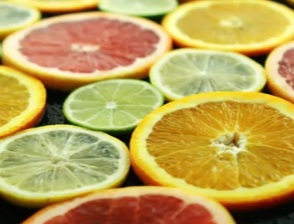
Citrus extract
Rating : 7
| Evaluation | N. Experts | Evaluation | N. Experts |
|---|---|---|---|
| 1 | 6 | ||
| 2 | 7 | ||
| 3 | 8 | ||
| 4 | 9 | ||
| 5 | 10 |
0 pts from Al222
| Sign up to vote this object, vote his reviews and to contribute to Tiiips.Evaluate | Where is this found? |
| "Descrizione" about Citrus extract by Al222 (23249 pt) | 2025-Nov-02 09:52 |
| Read the full Tiiip | (Send your comment) |
Citrus extract
Description
Preparation obtained from edible parts and/or peels of citrus fruits (e.g., Citrus sinensis, C. limon, C. paradisi, C. reticulata) via aqueous/hydroalcoholic or glyceric/glycolic extraction; standardized fractions in bioflavonoids and de-terpenated essential-oil concentrates are also available.
Profile: fresh citrus aroma with possible sweet–floral or bitter peel-derived notes. Liquids range straw-yellow to amber; powders from white to pale yellow.

Caloric value (per 100 g)
Hydroalcoholic extract: ~30–120 kcal/100 g (driven by solids and residual EtOH).
Glyceric/glycolic extract: ~150–300 kcal/100 g.
Standardized dry extract (powder): ~200–380 kcal/100 g (carrier/purity dependent).
At typical food-use levels, the energy contribution is modest.
Key constituents
Flavonoids (flavanones/bioflavonoids): hesperidin, narirutin, eriocitrin, naringin (notably in grapefruit).
Organic acids: citric (major), malic—modulate pH and sourness.
Limonoids: limonin, nomilin (bitter contribution).
Carotenoids (traces), variable vitamin C (heat/oxygen sensitive), pectins and polysaccharides.
Volatile components from essential oil: d-limonene, linalool, citral (neral/geranial); possible furocoumarins (e.g., bergapten) in certain species/parts (bergamot, grapefruit).
Analytical markers: total flavanones (HPLC), °Brix, pH, volatile profile (GC–MS), metals/pesticides within limits, compliant microbiology.
Production process
Raw materials: selected fruits or juice-industry byproducts (peel upcycling).
Extraction: **water/**EtOH at controlled pH; alternatives include glycerin/glycols; enzymes (pectinases) may be used to release flavonoids. Aromatic fractions: cold-press/steam distillation and de-terpenation.
Clarification & concentration: filtration and polishing (removal of waxes/terpenes), low-temperature concentration, standardization to bioflavonoids or volatiles.
Quality controls: HPLC/GC–MS profiles, residual solvents, °Brix/pH, contaminants; pack in **light/O₂-barrier containers under GMP/HACCP.
Sensory and technological properties
Aroma/color: vibrant citrus; intensity depends on species, plant part, and process.
Bitterness/astringency: from naringin/limonoids (peel/grapefruit); manageable via fraction choice or debittering.
Compatibility: good stability in acidic beverages; in neutral matrices, pectins may cause haze/precipitation. Volatiles are sensitive to oxygen/light.
Food uses
Beverages (soft/functional), syrups, confectionery, toppings/sauces, bakery, desserts, marinades for meats/seafood, chocolate and ice cream.
Indicative dosages: 0.05–0.30% in liquids (tune to aroma/colour target and bitterness threshold).
Nutrition and health
Provides flavonoids and organic acids with in-vitro antioxidant activity; in foods, no health claims should be made without authorization.
Grapefruit/bergamot fractions may carry furocoumarins; at typical food use exposure is low, but prefer low-FC or FCF (furanocoumarin-free) fractions for cosmetics.
Quality and specifications (typical topics)
Flavanone content (HPLC), °Brix, pH, color (absorbance/spectra), signature volatiles (GC–MS).
Residual solvents within limits; compliant metals/pesticides; microbiology: pathogens absent and low total counts.
**Light/O₂ stability; full traceability under GMP/HACCP.
Storage and shelf-life
Store cool and dark in well-sealed barrier containers; minimize DO (dissolved oxygen) in liquids.
Powders: control aw/RH to prevent caking; avoid thermal cycling that degrades vitamin C and volatiles.
Apply FIFO stock rotation.
Allergens and safety
Citrus is not a major EU allergen; individual sensitivities occur.
Juice-stream extracts may contain trace sulfites as processing aids—verify labeling.
For leave-on cosmetics, use FCF fractions to reduce phototoxicity risk.
INCI functions in cosmetics
Typical entries: Citrus Aurantium Dulcis (Orange) Peel Extract, Citrus Limon (Lemon) Peel Extract, Citrus Reticulata (Tangerine) Peel Extract, Citrus Aurantium Bergamia (Bergamot) Fruit Oil/Extract (FCF).
Roles: fragrance, antioxidant, skin conditioning, masking. Observe phototoxic use limits for non-FCF oils/fractions.
Troubleshooting
Excess bitterness: high naringin/limonoids → choose milder species/fractions, apply debittering, or lower dose.
Haze/precipitate: pectins/polysaccharides → clarify, fine filtration, pectinolytic enzymes.
Aroma loss: oxygen/light/heat → add suitable antioxidants, use barrier packs, inert headspace.
Color shifts: pH/oxidation-driven → keep pH acidic within range; protect from O₂.
Sustainability and supply chain
Upcycling peels and byproducts; solvent/energy recovery; effluent management to BOD/COD targets.
Recyclable/mono-material packaging and temperature-controlled logistics improve stability and footprint.
Adhere to GMP/HACCP; source from growers with sustainable practices.
Conclusion
Citrus extract combines fresh aroma, acid modulation, and functional components (flavanones, limonoids). Application success depends on species/part, pH profile, bitterness/haze management, and protection from light/oxygen; with proper standardization, products remain stable and repeatable.
Mini-glossary
°Brix — Mass percent of soluble solids; indicates concentration.
pH — Measure of acidity/alkalinity; governs stability and color.
HPLC — High-performance liquid chromatography: quantifies flavanones/markers.
GC–MS — Gas chromatography–mass spectrometry: profiles volatiles (essential oil).
EtOH — Ethanol: hydroalcoholic co-solvent; monitor as residual.
FCF — Furanocoumarin-free: fractions/oils without furocoumarins to reduce phototoxicity (cosmetics).
DO — Dissolved oxygen: lowering DO limits oxidation and aroma loss.
aw — Water activity: “free” water; lower aw → better powder stability.
GMP/HACCP — Good Manufacturing Practice / Hazard Analysis and Critical Control Points: hygiene/preventive systems with defined CCP.
CCP — Critical control point: step where control prevents/reduces a hazard (e.g., pH, residual solvents, seal integrity).
BOD/COD — Biochemical/Chemical oxygen demand: indicators of wastewater impact.
FIFO — First in, first out: stock rotation using older lots first.
References__________________________________________________________________________
Okeke MI, Okoli AS, Eze EN, Ekwume GC, Okosa EU, Iroegbu CU. Antibacterial activity of Citrus limonum fruit juice extract. Pak J Pharm Sci. 2015 Sep;28(5):1567-71.
Abstract. The fruit juice extract of Citrus limonum was investigated for antibacterial activity. The antibacterial activity of the extract on ten strains of bacteria was determined by both agar well diffusion and macro-broth dilution methods. The extract was variously bacteriostatic and bactericidal against Bacillussubtilis ATCC 6051, Staphylococcus aureus ATCC 12600, Escherichia coli ATCC 11775, Pseudomonas aeruginosa ATCC 10145 as well as locally isolated clinical strains of the above bacteria and Salmonella kintambo (Human: 13, 23: mt:-), Salmonella typhi and Proteus sp. The MICs ranged from 0.78 mg/ml to 50mg/ml; MBCs, 25.0mg/ml to >100mg/ml and MBC/MIC ratios 2.0 to >16.0. These results provide scientific justification for the medicinal use of Citrus limonum fruit juice by Nigerian herbalists in the treatment of diseases in which strains of the test organisms have been implicated as etiologic agents.
Wang GH, Huang CT, Huang HJ, Tang CH, Chung YC. Biological Activities of Citrus aurantium Leaf Extract by Optimized Ultrasound-Assisted Extraction. Molecules. 2023 Oct 24;28(21):7251. doi: 10.3390/molecules28217251.
Abstract. Several studies have explored the biological activities of Citrus aurantium flowers, fruits, and seeds, but the bioactivity of C. aurantium leaves, which are treated as waste, remains unclear. Thus, this study developed a pilot-scale ultrasonic-assisted extraction process using the Box-Behnken design (BBD) for the optimized extraction of active compounds from C. aurantium leaves, and their antityrosinase, antioxidant, antiaging, and antimicrobial activities were evaluated. Under optimal conditions in a 150× scaleup configuration (a 30 L ultrasonic machine) of a pilot plant, the total phenolic content was 69.09 mg gallic acid equivalent/g dry weight, which was slightly lower (3.17%) than the theoretical value. The half maximal inhibitory concentration of C. aurantium leaf extract (CALE) for 2,2-diphenyl-1-picrylhydrazyl-scavenging, 2,2'-azino-bis(3-ethylbenzothiazoline-6-sulfonic acid)-scavenging, antityrosinase, anticollagenase, antielastase and anti-matrix metalloprotein-1 activities were 123.5, 58.5, 181.3, 196.4, 216.3, and 326.4 mg/L, respectively. Moreover, the minimal inhibitory concentrations for bacteria and fungi were 150-350 and 500 mg/L, respectively. In total, 17 active compounds were detected in CALE-with linalool, linalyl acetate, limonene, and α-terpineol having the highest concentrations. Finally, the overall transdermal absorption and permeation efficiency of CALE was 95.9%. In conclusion, our CALE demonstrated potential whitening, antioxidant, antiaging, and antimicrobial activities; it was also nontoxic and easily absorbed into the skin as well as inexpensive to produce. Therefore, it has potential applications in various industries.
Huang WY, Heo W, Jeong I, Kim MJ, Han BK, Shin EC, Kim YJ. Ameliorative Effect of Citrus junos Tanaka Waste (By-Product) Water Extract on Particulate Matter 10-Induced Lung Damage. Nutrients. 2022 May 28;14(11):2270. doi: 10.3390/nu14112270.
Abstract. Citrus junos Tanaka (CJ)-related products are well-accepted by consumers worldwide; thus, they generate huge amounts of waste (peel, pulp, and seed) through CJ processing. Although some CJ by-products (CJBs) are recycled, their use is limited owing to the limited understanding of their nutritional and economic value. The exposure to particulate matter (PM) increases the risk of respiratory diseases. In this study, we investigated the ameliorative effects of CJB extracts (100, 200 mg/kg/day, 7 days) on PM10-induced (10 mg/kg, intranasal, 6 h) lung damage in BALB/c mice. Cell type-specific signaling pathways are examined using the A549 (PM10, 200 μg/mL, 6 h) and RAW264.7 (LPS, 100 ng/mL, 6 h) cell lines. The CJB extracts significantly attenuated PM10-induced pulmonary damage and inflammatory cell infiltration in a mouse model. The essential protein markers in inflammatory signaling pathways, such as AKT, ERK, JNK, and NF-κB for PM10-induced phosphorylation, were dramatically reduced by CJB extract treatment in both the mouse and cell models. Furthermore, the CJB extracts reduced the production of reactive oxygen species and nitric oxide in a dose-dependent manner in the cells. Comprehensively, the CJB extracts were effective in reducing PM10-induced lung injuries by suppressing pulmonary inflammation, potentially due to their anti-inflammatory and antioxidant properties.
Schneider ACA, Batisti AP, Turnes BL, Martins TC, Lisboa MEM, Custódio KM, Zanco J, Wilson KSC, Heymanns AC, Kanis LA, Magnago RF, Martins DF, Piovezan AP. Anti-hyperalgesic properties of ethanolic crude extract from the peels of Citrus reticulata (Rutaceae). An Acad Bras Cienc. 2020;92(1):e20180793. doi: 10.1590/0001-3765202020180793.
Abstract. The therapeutic effects from Citrus reticulata on painful inflammatory ailments are associated to its flavonoids constituent and phytochemical studies with Citrus genus affirm that the peels have important amounts of it. These bioactive compounds have been a considerable therapeutic source and evaluate potential application of the peel extract is significant. This research aims to investigate the influence of ethanolic crude extract from the peels of Citrus reticulata and its possible mechanism of action in different animal models of pain. The extract reduced hyperalgesia in the second phase of formalin test (vehicle: 501.5 ± 40.0 s; C. reticulata extract 300 mg/kg: 161.8 ± 41.1 s), in the carrageenan model (vehicle at 4th h: 82.5 ± 9.6 %; C. reticulata extract 300 mg/kg at 4th h: 47.5 ± 6.5 %) and in Complete Freund's Adjuvant model (vehicle: 501.5 ± 40.0 s; C. reticulata extract 300 mg/kg: 161.8 ± 41.1 s). The possible contribution of opioidergic and adenosinergic systems in the anti-hyperalgesic effect of C. reticulata extract was observed after treatment, with non-selective antagonists for both systems, which produced reversal effects. In conclusion, these properties of C. reticulata extract suggest a potential therapeutic benefit in treating painful conditions.
Sorrenti V, Consoli V, Grosso S, Raffaele M, Amenta M, Ballistreri G, Fabroni S, Rapisarda P, Vanella L. Bioactive Compounds from Lemon (Citrus limon) Extract Overcome TNF-α-Induced Insulin Resistance in Cultured Adipocytes. Molecules. 2021 Jul 21;26(15):4411. doi: 10.3390/molecules26154411.
Abstract. The consumption of plant-based food is important for health promotion, especially regarding the prevention and management of chronic diseases such as diabetes. We investigated the effects of a lemon extract (LE), containing ≥20.0% total flavanones and ≥1.0% total hydroxycinnamic acids, on insulin signaling in murine 3T3-L1 adipocytes treated with TNF-α, which was used to mimic in vitro the insulin resistance condition that characterizes diabetes mellitus. Our results showed LE increased PPARγ, GLUT4 and DGAT-1 levels, demonstrating the potential of this lemon extract in the management of insulin resistance conditions associated with TNF-α pathway activation. LE treatment further decreased the release of interleukin 6 (IL-6) and restored triglyceride synthesis, which is the main feature of a healthy adipocyte.
Kaur S, Panesar PS, Chopra HK. Citrus processing by-products: an overlooked repository of bioactive compounds. Crit Rev Food Sci Nutr. 2023;63(1):67-86. doi: 10.1080/10408398.2021.1943647.
Abstract. Citrus fruits contain plethora of bioactive compounds stored in edible as well as inedible part. Since, citrus fruits are processed mainly for juice, the residues are disposed in wastelands, hence, plenty of nutritional potential goes in vain. But if utilized wisely, the bioactive phytochemicals in citrus by-products have the ability to revolutionize the functional food industry. In the present review, the composition of citrus by-products in terms of bioactive components and their health benefits has been reviewed. Various extraction techniques used to extract these bioactives has been discussed and a brief overview of purification and utilization of the extracted compounds, in food and nutraceutical industry is also presented. Bioactives in citrus by-products are higher than the peeled fruit, which can be extracted, isolated and incorporated into food systems for development of health foods. From the studies reviewed, it was observed that research reported on utilization of citrus by-products is limited to mainly research labs; proper scale-up process and its adequate research commercialization is the need of hour to transform these bioactives into economical functional ingredients.
Hosseinimehr SJ, Karami M. Citrus extract modulates genotoxicity induced by cyclophosphamide in mice bone marrow cells. J Pharm Pharmacol. 2005 Apr;57(4):505-9. doi: 10.1211/0022357055849.
Abstract. The protective effect of citrus extract was investigated by using the micronucleus assay for anticlastogenic activity in mouse bone marrow cells; liver glutathione (GSH) content was determined against toxicity induced by cyclophosphamide. Mice were orally (gavage) pretreated with solutions of citrus peel extract (Citrus aurantium var. amara) prepared at three different doses (100, 200 and 400 mg kg(-1;) body weight) for 7 consecutive days. Then mice were injected intraperitoneally on the seventh day with cyclophosphamide (50 mg kg(-1)) and after 24 h killed for the evaluation of micronucleated polychromatic erythrocytes (MnPCEs) in bone marrow cells. Non-protein thiol levels in liver were estimated in mice injected with citrus extract with or without cyclophosphamide treatment. Administration of citrus extract before cyclophosphamide treatment significantly reduced the frequency of MnPCEs in mice bone marrow compared with the group treated with cyclophosphamide alone (P<0.0001-0.05). Citrus extract at a dose of 400 mg kg(-1) reduced MnPCEs 2.8 fold against genotoxicity induced by cyclophosphamide. Administration of cyclophosphamide depleted the GSH level in liver. Citrus extract showed excellent scavenging effects on 1,1-diphenyl-2-picryl hydrazyl radical (DPPH) at a concentration of 1.6 mg mL(-1). Application of citrus extract 1 h before cyclophosphamide treatment allowed GSH content to reach the normal level. It appeared that citrus extract, particularly flavonoids constituents with antioxidative activity, may return the GSH level to normal in stress conditions and reduces genotoxicity induced by cyclophosphamide in bone marrow cells.
| Sign up to vote this object, vote his reviews and to contribute to Tiiips.EvaluateClose | (0 comments) |
Read other Tiiips about this object in __Italiano (1)
Content:   Last update:   2025-11-02 09:35:45 | Kcal/100g:   120 |

