

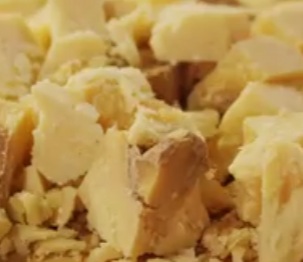
Parmesan cheese
Rating : 7
| Evaluation | N. Experts | Evaluation | N. Experts |
|---|---|---|---|
| 1 | 6 | ||
| 2 | 7 | ||
| 3 | 8 | ||
| 4 | 9 | ||
| 5 | 10 |
0 pts from Al222
| Sign up to vote this object, vote his reviews and to contribute to Tiiips.Evaluate | Where is this found? |
| "Descrizione" about Parmesan cheese by Al222 (23393 pt) | 2025-Nov-01 21:42 |
| Read the full Tiiip | (Send your comment) |
Parmesan cheese (Parmigiano Reggiano PDO)
Description
• Hard, granular cheese made from raw cow’s milk (partially skimmed by natural creaming), natural whey starter, and rennet; no additives.
• Traditional PDO area and code: daily production in copper vats, brine salting, long ripening on wooden boards.
• Practically lactose- and galactose-free due to fermentation and maturation; pronounced umami from natural glutamate and free peptides.

Caloric value (per 100 g and per serving)
• Per 100 g: ~390–420 kcal; protein ~32–35 g; fat ~28–30 g; carbohydrates ~0 g; salt ~1.5–1.8 g.
• Typical serving (30 g): ~115–125 kcal; protein ~9–11 g; fat ~8–9 g.
• High in calcium (~1,100–1,200 mg/100 g) and phosphorus (~650–750 mg/100 g).
Key constituents
• Proteins concentrated with proteolysis peptides (tyrosine, leucine, glutamate; visible tyrosine crystals in long-aged wheels).
• Lipids: triglycerides and phospholipids; fat-soluble vitamins (A, D, K) in traces.
• Minerals: calcium, phosphorus, zinc; sodium from brine.
• Moisture ~30–32 % (decreases with age).
• Lactose/galactose: typically <0.1 g/100 g (analytically negligible).
Lipid profile
• SFA ~60–65 % of fatty acids → palmitic, myristic, stearic.
• MUFA ~25–30 % → oleic dominant.
• PUFA ~2–5 % total: n-6 > n-3.
• Natural ruminant TFA in traces; CLA present at low levels.
• Small fraction of MCT (C6–C12), rapidly absorbed.
Production process
• Milk: evening milk partially skimmed by creaming, blended with morning milk.
• Coagulation: add natural whey starter and rennet; curd cut to “rice grain” size.
• Cooking: heat to ~55–56 °C; curd sinks, is lifted in cloth, molded.
• Salting: immersion in saturated brine for ~20 days.
• Ripening: minimum 12 months (typical 24–36+); periodic turning/brushing; fire-branding after consortium checks.
Sensory and technological properties
• Texture: granular, flaky, easily scalded into shavings; minimal or fine eyes.
• Aroma/flavor: cooked milk, nuts, brothy/umami; intensity increases with age.
• Technology: excellent grating, strong flavor-enhancing and salting power; low aw, pH ~5.2–5.4.
Food uses
• Grated on pasta, soups, risotti; shaved in salads, carpaccio, vegetables.
• Stocks and sauces: well-cleaned rind to enrich broths; finishing and mantecatura.
• Snacks/professional: single-serve flakes; base for creams and fillings.
Nutrition and health
• High-quality proteins; dense and bioavailable calcium.
• Practically lactose-free → often tolerated by hypolactasia (not suitable for milk-protein allergy).
• Fats: predominance of SFA → portion control advised; presence of MUFA and small PUFA/CLA fractions.
• Salt: relevant content → caution in low-sodium diets.
Quality and specifications (typical topics)
• PDO compliance: milk origin, techniques, wheel markings on rind and casein plate.
• Parameters: low moisture, fat in dry matter around one third, pH in range, absence of swelling/abnormal eyes.
• Aging classes: 12, 24, 36 months and beyond, each with distinct sensory profiles.
Storage and shelf-life
• Whole/half wheels: 10–15 °C in clean, ventilated rooms; moderate humidity.
• Portions/packaged: 4–8 °C refrigerated, wrapped in food paper or micro-perforated film; avoid strong odors.
• Rind: scrape/brush before culinary use; freezing not recommended (structure loss).
Allergens and safety
• Contains milk (major allergen).
• No additives; potential cheese mites managed by hygiene/brushing during ripening.
• Plants and processes under GMP/HACCP; full traceability.
INCI functions in cosmetics
• Milk-derived entries: Casein, Hydrolyzed Milk Protein, Lactose, Milk Lipids.
• Roles: skin conditioning, light film-forming, emolliency from milk lipids; derivatives used, not the cheese itself.
Troubleshooting
• Cracks: over-drying → adjust ambient humidity, protective wrapping.
• Excessive saltiness: long brining or small formats → retune parameters/shape.
• Surface fatting: warm storage → strengthen cold chain.
• Rubbery/compact texture: insufficient ripening → extend aging.
• Off-odors: contamination or poor barrier → improve hygiene/packaging.
Sustainability and supply chain
• Whey valorized for ricotta/animal feed (circular economy); effluent management with BOD/COD targets.
• Recyclable packaging and portion cuts to reduce waste; culinary valorization of rinds.
• Animal welfare and local sourcing aligned with PDO rules.
Conclusion
Parmesan balances sensory quality, technological functionality, and nutrient density. Choosing the aging, storing correctly, and portioning wisely optimizes flavor, digestibility, and nutrient intake while keeping an eye on salt and SFA.
Mini-glossary
• SFA — Saturated fatty acids: moderate intake; excess may raise LDL.
• MUFA — Monounsaturated fatty acids (e.g., oleic): generally favorable/neutral for lipid profile.
• PUFA — Polyunsaturated fatty acids: include n-6 and n-3; beneficial when balanced.
• n-6 — Omega-6 fatty acids: essential; imbalance vs n-3 may promote a pro-inflammatory state.
• n-3 — Omega-3 fatty acids: supportive for cardiovascular and neural function.
• TFA — Trans fatty acids: natural ruminant traces; avoid industrial TFAs.
• MCT — Medium-chain triglycerides: rapidly absorbed; minor fraction in milk fat.
• CLA — Conjugated linoleic acid: ruminant PUFA; studied for metabolic effects.
• aw — Water activity: low aw improves microbial stability of hard cheeses.
• PDO — Protected Designation of Origin: EU scheme safeguarding origin and method.
• GMP — Good Manufacturing Practice: hygiene and process consistency standards.
• HACCP — Hazard Analysis and Critical Control Points: preventive system with defined CCP.
• BOD/COD — Biochemical/Chemical Oxygen Demand: indicators of effluent impact on water.
• LDL — Low-density lipoprotein cholesterol: elevated levels increase CVD risk.
References__________________________________________________________________________
Pampaloni B, Bartolini E, Brandi ML. Parmigiano Reggiano cheese and bone health. Clin Cases Miner Bone Metab. 2011 Sep;8(3):33-6.
Abstract. Osteoporosis is a multifactorial disease characterized by loss of bone mass and microarchitectural deterioration of bone tissue, which leads to a consequent increase in the risk of skeletal fractures. Diet awakes a critical interest in osteoporosis, because it is one of the few determinants that can be safely modified. A healthy well balanced nutrition can play an important role in prevention and pathogenesis of osteoporosis, but also in support of a pharmacological therapy. Numerous evidences have already established that dietary calcium, proteins and vitamin D are essential nutrients for achieved peak bone mass and maintaining skeletal health.Dairy products, by providing both calcium and proteins, represent the optimal source of highly bioavailable nutrients for bone health. Among dairy foods in particular cheese results one of the major source of calcium in the adults western diet and also in the Italian adults diet.Parmigiano Reggiano cheese is an homemade Italian food whose denomination "Protected Designation of Origin" is linked to an artisanal manufacturing process in limited geographic area of Northern Italy and is an optimal source of essential nutrients for acquisition and maintenance of bone health. Parmigiano Reggiano is a cheese easy digested, for the presence of ready to use proteins and lipids, lactose free, rich in calcium, with possible prebiotic and probiotic effect. On the basis of its nutritional characteristics and of its easy digestibility Parmigiano Reggiano cheese is recommended in all feeding age groups.
Martini S, Bonazzi M, Malorgio I, Pizzamiglio V, Tagliazucchi D, Solieri L. Characterization of Yeasts Isolated from Parmigiano Reggiano Cheese Natural Whey Starter: From Spoilage Agents to Potential Cell Factories for Whey Valorization. Microorganisms. 2021 Nov 3;9(11):2288. doi: 10.3390/microorganisms9112288.
Abstract. Whey is the main byproduct of the dairy industry and contains sugars (lactose) and proteins (especially serum proteins and, at lesser extent, residual caseins), which can be valorized by the fermentative action of yeasts. In the present study, we characterized the spoilage yeast population inhabiting natural whey starter (NWS), the undefined starter culture of thermophilic lactic acid bacteria used in Parmigiano Reggiano (PR) cheesemaking, and evaluated thermotolerance, mating type, and the aptitude to produce ethanol and bioactive peptides from whey lactose and proteins, respectively, in a selected pool of strains. PCR-RFLP assay of ribosomal ITS regions and phylogenetic analysis of 26S rDNA D1/D2 domains showed that PR NWS yeast population consists of the well-documented Kluyveromyces marxianus, as well as of other species (Saccharomyces cerevisiae, Wickerhamiella pararugosa, and Torulaspora delbrueckii), with multiple biotypes scored within each species as demonstrated by (GTG)5-based MSP-PCR. Haploid and diploid K. marxianus strains were identified through MAT genotyping, while thermotolerance assay allowed the selection of strains suitable to grow up to 48 °C. In whey fermentation trials, one thermotolerant strain was suitable to release ethanol with a fermentation efficiency of 86.5%, while another candidate was able to produce the highest amounts of both ethanol and bioactive peptides with potentially anti-hypertensive function. The present work demonstrated that PR NWS is a reservoir of ethanol and bioactive peptides producer yeasts, which can be exploited to valorize whey, in agreement with the principles of circularity and sustainability.
Franceschi P, Malacarne M, Formaggioni P, Cipolat-Gotet C, Stocco G, Summer A. Effect of Season and Factory on Cheese-Making Efficiency in Parmigiano Reggiano Manufacture. Foods. 2019 Aug 3;8(8):315. doi: 10.3390/foods8080315.
Abstract. The assessment of the efficiency of the cheese-making process (ECMP) is crucial for the profitability of cheese-factories. A simple way to estimate the ECMP is the measure of the estimated cheese-making losses (ECL), expressed by the ratio between the concentration of each constituent in the residual whey and in the processed milk. The aim of this research was to evaluate the influence of the season and cheese factory on the efficiency of the cheese-making process in Parmigiano Reggiano cheese manufacture. The study followed the production of 288 Parmigiano Reggiano cheese on 12 batches in three commercial cheese factories. For each batch, samples of the processed milk and whey were collected. Protein, casein, and fat ECL resulted in an average of 27.01%, 0.72%, and 16.93%, respectively. Both milk crude protein and casein contents were negatively correlated with protein ECL, r = -0.141 (p ≤ 0.05), and r = -0.223 (p ≤ 0.001), respectively. The same parameters resulted in a negative correlation with casein ECL (p ≤ 0.001) (r = -0.227 and -0.212, respectively). Moreover, fat ECL was correlated with worse milk coagulation properties and negatively correlated with casein content (r = -0.120; p ≤ 0.05). In conclusion, ECLs depend on both milk characteristics and season.
Gala E, Landi S, Solieri L, Nocetti M, Pulvirenti A, Giudici P. Diversity of lactic acid bacteria population in ripened Parmigiano Reggiano cheese. Int J Food Microbiol. 2008 Jul 31;125(3):347-51. doi: 10.1016/j.ijfoodmicro.2008.04.008.
Abstract. The diversity of dominant lactic acid bacteria population in 12 months ripened Parmigiano Reggiano cheeses was investigated by a polyphasic approach including culture-dependent and independent methods. Traditional plating, isolation of LAB and identification by 16S rDNA analysis showed that strains belonging to Lactobacillus casei group were the most frequently isolated. Lactobacillus helveticus, Lactobacillus delbrueckii subsp. lactis, Lactobacillus parabuchneri, and Lactobacillus buchneri species were detected with lower frequency. PCR-denaturing gradient gel electrophoresis (DGGE) applied to DNA extracted directly from cheese samples and sequencing of rDNA amplicons confirmed the complex microbiological pattern of LAB in ripened Parmigiano Reggiano cheeses, with the significant exception of the Lactobacillus fermentum species, which dominated in several samples, but was not detected by cultivation. The present combination of different approaches can effectively describe the lactic acid bacteria population of Parmigiano Reggiano cheese in advanced stages of ripening, giving useful information for elucidating the role of LAB in determining the final cheese quality.
Summer A, Formaggioni P, Franceschi P, Di Frangia F, Righi F, Malacarne M. Cheese as Functional Food: The Example of Parmigiano Reggiano and Grana Padano. Food Technol Biotechnol. 2017 Sep;55(3):277-289. doi: 10.17113/ftb.55.03.17.5233.
Abstract. Italian hard cooked types of cheese, like Parmigiano Reggiano and Grana Padano, are characterised by positive nutritional qualities. In fact, they contain substances that have particular biological activities, and therefore they can be fully considered, according to the definition given by the European Unit, as 'functional' foods. This short review concisely describes these components and the beneficial effects related to their activities. The description of the biologically active components has been organised in the following paragraphs: protein and peptides, fat and lipids, carbohydrates and prebiotics, probiotic bacteria, vitamins, mineral salts, and components of dairy products active in disease prevention. In particular, several known bioactive peptides were found in Parmigiano Reggiano cheese samples: for example, phosphopeptides, which are known for their mineral-binding capacity and vehiculation activity, peptides with immunomodulatory activity, and angiotensin-converting enzyme-inhibitory peptides with anti-hypertensive effects. Among lipids, the role of conjugated linoleic acid and other fatty acids present in these cheese types was taken into consideration. The presence of oligosaccharides with prebiotic properties and probiotic bacteria was also described. Finally, particular emphasis was given to highly available calcium and its impact on bone health.
Martini S, Solieri L, Cattivelli A, Pizzamiglio V, Tagliazucchi D. An Integrated Peptidomics and In Silico Approach to Identify Novel Anti-Diabetic Peptides in Parmigiano-Reggiano Cheese. Biology (Basel). 2021 Jun 21;10(6):563. doi: 10.3390/biology10060563.
Abstract. Inhibition of key metabolic enzymes linked to type-2-diabetes (T2D) by food-derived compounds is a preventive emerging strategy in the management of T2D. Here, the impact of Parmigiano-Reggiano (PR) cheese peptide fractions, at four different ripening times (12, 18, 24, and 30 months), on the enzymatic activity of α-glucosidase, α-amylase, and dipeptidyl peptidase-IV (DPP-IV) as well as on the formation of fluorescent advanced glycation end-products (fAGEs) was assessed. The PR peptide fractions were able to inhibit the selected enzymes and fAGEs formation. The 12-month-ripening PR sample was the most active against the three enzymes and fAGEs. Mass spectrometry analysis enabled the identification of 415 unique peptides, 54.9% of them common to the four PR samples. Forty-nine previously identified bioactive peptides were found, mostly characterized as angiotensin-converting enzyme-inhibitors. The application of an integrated approach that combined peptidomics, in silico analysis, and a structure-activity relationship led to an efficient selection of 6 peptides with potential DPP-IV and α-glucosidase inhibitory activities. Peptide APFPE was identified as a potent novel DPP-IV inhibitor (IC50 = 49.5 ± 0.5 μmol/L). In addition, the well-known anti-hypertensive tripeptide, IPP, was the only one able to inhibit the three digestive enzymes, highlighting its possible new and pivotal role in diabetes management.
Bottesini C, Paolella S, Lambertini F, Galaverna G, Tedeschi T, Dossena A, Marchelli R, Sforza S. Antioxidant capacity of water soluble extracts from Parmigiano-Reggiano cheese. Int J Food Sci Nutr. 2013 Dec;64(8):953-8. doi: 10.3109/09637486.2013.821696.
Abstract. In this work the antioxidant capacity of water soluble extracts of Parmigiano-Reggiano cheese (Water Soluble Extracts - WSEs) at different aging time was studied, by measuring their radical scavenging capacity with a standard ABTS assay. The WSEs were also fractionated by semi-preparative HPLC-UV and for each fraction the antioxidant capacity and the molecular composition was determined by LC/ESI-MS, in order to identify the most active antioxidant compounds. The antioxidant capacity was also determined after simulated in vitro gastrointestinal digestion of WSEs. The data indicated that antioxidant capacity in WSE from Parmigiano-Reggiano cheese, quite unaffected by ripening time and gastrointestinal digestion, is mostly due to free amino acids, mainly tyrosine, methionine and tryptophan, and only in minimal part to antioxidant peptides.
| Sign up to vote this object, vote his reviews and to contribute to Tiiips.EvaluateClose | (0 comments) |
Read other Tiiips about this object in __Italiano (1)
Component type:   Natural Main substances:   Last update:   2025-10-27 19:21:59 | Chemical Risk:   |

