

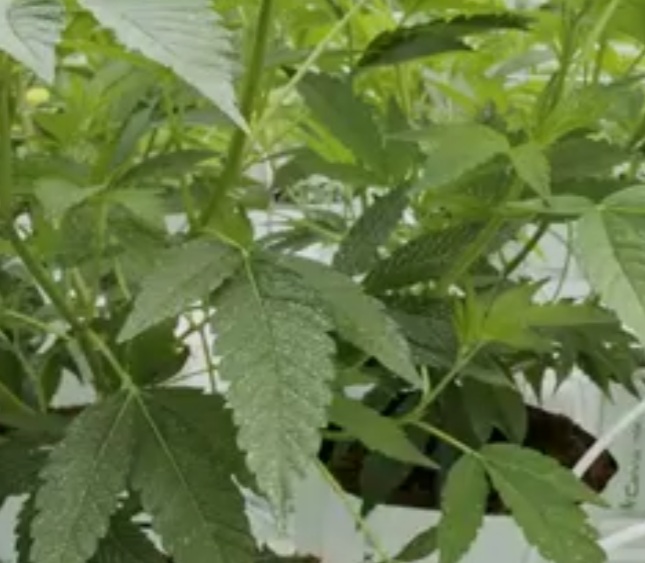
Cannabis sativa is a versatile and economically significant plant known for its use in various products, including textiles, food, and medicinal applications. It is one of the most widely cultivated and researched plants globally, with a history of use spanning thousands of years. The plant is recognized for its psychoactive properties, as well as its industrial and medicinal benefits.
Botanical Classification:
Kingdom: Plantae
Order: Rosales
Family: Cannabaceae
Genus: Cannabis
Species: Cannabis sativa
Plant Characteristics:
Growth Form: Cannabis sativa is a fast-growing, annual herbaceous plant that can reach heights of 2 to 5 meters (6 to 16 feet). It has a branching structure with a central stalk and multiple side branches.
Leaves: The leaves are palmate, with serrated edges and typically consist of 5 to 9 leaflets. They are green and vary in shape and size.
Flowers: The plant produces small, inconspicuous flowers that are either male or female. Female flowers develop into dense clusters of buds that contain high concentrations of cannabinoids and terpenes.
Fruit: The fruit is a small, dry, and achene-like seed. The seeds are used for propagation and are rich in nutrients.
Chemical Composition and Structure:
Cannabinoids: Cannabis sativa contains over 100 cannabinoids, with the most well-known being tetrahydrocannabinol (THC) and cannabidiol (CBD). THC is the primary psychoactive compound, while CBD is non-psychoactive and has various therapeutic properties.
Terpenes: The plant produces a range of terpenes, which are aromatic compounds contributing to the plant's distinctive scent and flavor. Common terpenes in Cannabis sativa include myrcene, limonene, and pinene.
Flavonoids: Cannabis sativa contains flavonoids, such as cannflavin A, B, and C, which have potential anti-inflammatory and antioxidant effects.
Nutrients: The seeds of Cannabis sativa are rich in essential fatty acids, proteins, and various vitamins and minerals, including omega-3 and omega-6 fatty acids.
How to Cultivate It:
Soil: Cannabis sativa thrives in well-drained, loamy soils with a slightly acidic to neutral pH. It requires nutrient-rich soil for optimal growth.
Climate: The plant prefers a temperate climate with warm temperatures and adequate sunlight. It is sensitive to frost and requires protection in colder climates.
Watering: Cannabis sativa needs regular watering, but the soil should be allowed to dry out slightly between waterings to prevent root rot. Overwatering can be detrimental.
Propagation: The plant can be propagated from seeds or cuttings. Seeds should be germinated before planting, and cuttings should be taken from healthy, mature plants.
Maintenance: Cannabis sativa requires regular pruning to promote airflow and prevent mold. It also benefits from pest and disease management, including monitoring for common issues like spider mites and powdery mildew.
Uses and Benefits:
Industrial Uses: Cannabis sativa is used to produce fibers for textiles, ropes, and paper. Hemp, a variety of Cannabis sativa, is cultivated specifically for its industrial applications.
Nutritional Uses: The seeds of Cannabis sativa, often referred to as hemp seeds, are a nutritious food source, high in protein, essential fatty acids, and vitamins. They are used in a variety of food products, including smoothies, protein bars, and oils.
Medicinal Uses: The cannabinoids in Cannabis sativa, particularly THC and CBD, have been studied for their potential therapeutic effects. They may help manage pain, reduce inflammation, and alleviate symptoms of various medical conditions, including epilepsy, multiple sclerosis, and chronic pain.
Recreational Uses: The plant is well-known for its psychoactive effects, primarily due to THC. It is used recreationally in various forms, including smoking, vaping, and as an ingredient in edibles.
Applications:
Medical Industry: Cannabis sativa is used in pharmaceuticals and therapeutic products for managing pain, anxiety, and other medical conditions. CBD-based products are used for their potential health benefits without the psychoactive effects of THC.
Industrial Sector: Hemp derived from Cannabis sativa is used in construction materials, biodegradable plastics, and other eco-friendly products. It also plays a role in sustainable agriculture practices.
Food and Beverage Industry: Hemp seeds and hemp oil are incorporated into various food products for their nutritional benefits. They are used in health foods, dietary supplements, and cooking oils.
Environmental and Safety Considerations:
Environmental Impact: Cannabis cultivation can have significant environmental impacts, including water use, soil depletion, and energy consumption for indoor growing. Sustainable farming practices and efficient resource management are important for minimizing these impacts.
Safety: Cannabis sativa is generally safe when used appropriately. However, its psychoactive effects require careful consideration, especially in contexts where mental alertness is necessary. The legality and regulation of cannabis vary by region, and users should be aware of local laws and regulations.
INCI:
Skin conditioning agent. It is the mainstay of topical skin treatment as it has the function of restoring, increasing or improving skin tolerance to external factors, including melanocyte tolerance. The most important function of the conditioning agent is to prevent skin dehydration, but the subject is rather complex and involves emollients and humectants that can be added in the formulation.
Synonyms:
CAS: