

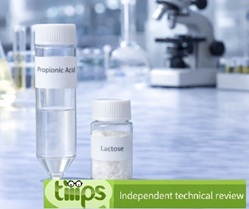
Propionic Acid
Rating : 7
| Evaluation | N. Experts | Evaluation | N. Experts |
|---|---|---|---|
| 1 | 6 | ||
| 2 | 7 | ||
| 3 | 8 | ||
| 4 | 9 | ||
| 5 | 10 |
Cons:
Cosmetics Regulation provisions (1)10 pts from Whiz35
| Sign up to vote this object, vote his reviews and to contribute to Tiiips.Evaluate | Where is this found? |
| "Propionic Acid studies" about Propionic Acid Review Consensus 10 by Whiz35 (11969 pt) | 2023-Apr-09 20:00 |
| Read the full Tiiip | (Send your comment) |
Compendium of the most significant studies with reference to properties, intake, effects.
Lobzhanidze, G., Lordkipanidze, T., Zhvania, M., Japaridze, N., MacFabe, D.F., Pochkidze, N., Gasimov, E. and Rzaev, F., 2019. Effect of propionic acid on the morphology of the amygdala in adolescent male rats and their behavior. Micron, 125, p.102732.
Abstract. Autism spectrum disorder is a group of life-long developmental syndromes, characterized by stereotypic behavior, restricted, communication deficits, cognitive and social impairments. Autism spectrum disorder is heritable state, provided by the mutations of well-conserved genes; however, it has been increasingly accepted, that most of such states are the result of complex interaction between individual’s genetic profile and the environment that he/she is exposed to. Gut microbiota plays one of the central roles in the etiology of autism. Propionic acid is one of the most abundant short-chain fatty acids, made by enteric bacteria. Propionic acid has many positive functions and acts as the main mediator between nutrition, gut microbiota and brain physiology. However, increased level of propionic acid is associated with various neurological pathologies, including autism. It is proposed that some types of autism might be partially related with alterations in propionic acid metabolism. The amygdala, the main component of social brain, via its large interconnections with fronto-limbic neural system, plays one of the key roles in social communications, emotional memory and emotional processing. Social behavior is a hot topic in autism research. As to anxiety, it is not the main characteristics of ASD, but represents one of the most common its co morbidities. Several theoretical reasons compatible with amygdala dysfunction have been suggested to account for socio-emotional disturbances in autism. In the present study, using adolescent male Wistar rats, the effect of acute administration of low dose of propionic acid on social behavior, anxiety-like behavior and the structure/ultrastructure of central nucleus of amygdale was described. In addition to qualitative analysis, on electron microscopic level the quantitative analysis of some parameters of synapses was performed. Behavior was assessed 2, 24 and 48 hours after treatment. The results revealed that even single and relatively low dose of propionic acid is sufficient to produce fast and relatively long lasting (48 h after treatment) decrease of social motivation, whereas asocial motivation and emotional sphere remain unaffected. Morphological analyses of propionic acid-treated brain revealed the reduced neuron number and the increase of the number of glial cells. Electron microscopically, in some neurons the signs of apoptosis and chromatolysis were detected. Glial alterations were more common. Particularly, the activation of astrocytes and microglia were often observed. Pericapillary glia was the most changed. Neuronal, glial and presynaptic mitochondria showed substantial structural diversities, mainly in terms of size and form. Total number of the area of presynaptic profile was significantly decreased. Some axons were moderately demyelinated. In general, the data indicate that even low dose of propionic acid produces in adolescent rodents immediate changes in social behavior, and structural/ultrastructural alterations in amygdala. Ultrastructural alterations may reflect moderate modifications in functional networks of social brain.
Lück, E., Jager, M., Lück, E., & Jager, M. (1997). Propionic acid. Antimicrobial Food Additives: Characteristics· Uses· Effects, 145-151.
Abstract. The fact that propionic acid and its salts have an antimicrobial action has been known for a long time. Its planned use in the preservation of baked goods was first proposed in 1938 (Hoffman et al.), although the efficacy of organic acids against rope in baked goods had been recognized long before (Watkins 1906). Since the end of the nineteen -thirties propionates have been used in the USA on a large scale in the preservation of bread and on a smaller scale to preserve cheese. Propionates have also become well established for baked goods preservation in other countries, where they are used principally for low-acid white bread...
Morales, J., Choi, J. S., & Kim, D. S. (2006). Production rate of propionic acid in fermentation of cheese whey with enzyme inhibitors. Environmental Progress, 25(3), 228-234.
Abstract. Propionic acid is widely used in chemical, food, and pharmaceutical industries as an important intermediate. Currently, almost all propionic acid is manufactured by chemical synthesis. In this research, propionic acid was produced through fermentation of cheese whey lactose by Propionibacterium acidipropionici. To increase propionic acid production and to decrease acetic acid production, enzyme inhibitors, such as calcium-EGTA and o-iodosobenzoate, were tested. These enzyme inhibitors, known to inhibit the particular enzymes in the acetic acid production pathway, were expected to divert the metabolic flux to the propionic acid pathway. Even at a low concentration of 0.01 mM, calcium-EGTA was found to be effective in suppressing the overall cell growth, which resulted in decreasing the production rates of both acids compared to the uninhibited case. However, addition of 0.3 mM of o-iodosobenzoate successfully resulted in an increase of cell growth and a 2.4-fold increase in the propionic acid production rate, whereas the acetic acid production rate was reduced to 30% of the control. © 2006 American Institute of Chemical Engineers Environ Prog, 2006
Ekman, A., & Börjesson, P. (2011). Environmental assessment of propionic acid produced in an agricultural biomass-based biorefinery system. Journal of Cleaner Production, 19(11), 1257-1265.
Abstract. This paper presents an environmental system study of the production of propionic acid in a biorefinery system based on agricultural by-products. Here, propionic acid is produced by fermentation of glycerol, a by-product from biodiesel production, as carbon source and potato juice, a by-product from starch production, as nitrogen source. Biomass-based propionic acid leads to a greenhouse gas reduction of 60% compared to propionic acid from fossil sources. However, the primary energy input is about twice as high for the biomass-based propionic acid. The choice of input energy and the efficiency of the process, as well as the technology applied, have high impacts on the environmental performance of the biorefinery concept. There is a potential for increased integration both on the input of substrates and the output of end products of the biorefinery system, which will further improve its environmental performance.
Day, D. C., Hudgins, R. R., & Silveston, P. L. (1973). Oxidation of propionic acid solutions. The Canadian Journal of Chemical Engineering, 51(6), 733-740.
Abstract. Wet air oxidation is a process in which organic materials in the aqueous phase are oxidized by air at temperatures between 300°F and 600°F and pressures of 1000-1800 psia. To improve our understanding of the process, its kinetics were studied using a propionic acid solution to simplify both analysis and rate measurements. The aim of the research was to define the regime where the reaction rate is kinetically controlled, to develop a model for the reaction rate and to interpret the model in terms of mechanism. Oxidation appears to proceed homogeneously in the aqueous phase and is probably kinetically controlled between 450° and 550°F. The oxidation appears to take place via two principal routes. Approximately half the propionic acid is oxidized completely to carbon dioxide while the oxidation of the remainder apparently proceeds via acetaldehyde as an intermediate to acetic acid. Acetic acid oxidizes only at a very low rate. A power law rate expression was developed which adequately described the oxidation of propionic acid solutions.
Piwowarek K, Lipińska E, Hać-Szymańczuk E, Kieliszek M, Ścibisz I. Propionibacterium spp.-source of propionic acid, vitamin B12, and other metabolites important for the industry. Appl Microbiol Biotechnol. 2018 Jan;102(2):515-538. doi: 10.1007/s00253-017-8616-7.
Abstract. Bacteria from the Propionibacterium genus consists of two principal groups: cutaneous and classical. Cutaneous Propionibacterium are considered primary pathogens to humans, whereas classical Propionibacterium are widely used in the food and pharmaceutical industries. Bacteria from the Propionibacterium genus are capable of synthesizing numerous valuable compounds with a wide industrial usage. Biomass of the bacteria from the Propionibacterium genus constitutes sources of vitamins from the B group, including B12, trehalose, and numerous bacteriocins. These bacteria are also capable of synthesizing organic acids such as propionic acid and acetic acid. Because of GRAS status and their health-promoting characteristics, bacteria from the Propionibacterium genus and their metabolites (propionic acid, vitamin B12, and trehalose) are commonly used in the cosmetic, pharmaceutical, food, and other industries. They are also used as additives in fodders for livestock. In this review, we present the major species of Propionibacterium and their properties and provide an overview of their functions and applications. This review also presents current literature concerned with the possibilities of using Propionibacterium spp. to obtain valuable metabolites. It also presents the biosynthetic pathways as well as the impact of the genetic and environmental factors on the efficiency of their production.
Ishiwata H, Takeda Y, Kawasaki Y, Kubota H, Yamada T. Comparison of official methods for 'readily oxidizable substances' in propionic acid as a food additive. Food Addit Contam. 1996 Jan;13(1):1-4. doi: 10.1080/02652039609374375.
Abstract. The official methods for 'readily oxidizable substances (ROS)' in propionic acid as a food additive were compared. The methods examined were those adopted in the Compendium of Food Additive Specifications (CFAS) by the Joint FAO-WHO Expert Committee on Food Additives, FAO, The Japanese Standards for Food Additives (JSFA) by the Ministry of Health and Welfare, Japan, and the Food Chemicals Codex (FCC) by the National Research Council, USA. The methods given in CFAS and JSFA are the same (potassium permanganate consumption). However, by this method, manganese (VII) in potassium permanganate was readily reduced to colourless manganese(II) with some substances contained in the propionic acid before reacting with aldehydes, which are generally considered as 'readily oxidizable substances', to form brown manganese (IV) oxide. The FCC method (bromine consumption) for 'ROS' could be recommended because it was able to obtain quantitative results of 'ROS', including aldehydes.
Ormsby MJ, Johnson SA, Carpena N, Meikle LM, Goldstone RJ, McIntosh A, Wessel HM, Hulme HE, McConnachie CC, Connolly JPR, Roe AJ, Hasson C, Boyd J, Fitzgerald E, Gerasimidis K, Morrison D, Hold GL, Hansen R, Walker D, Smith DGE, Wall DM. Propionic Acid Promotes the Virulent Phenotype of Crohn's Disease-Associated Adherent-Invasive Escherichia coli. Cell Rep. 2020 Feb 18;30(7):2297-2305.e5. doi: 10.1016/j.celrep.2020.01.078.
Abstract. Propionic acid (PA) is a bacterium-derived intestinal antimicrobial and immune modulator used widely in food production and agriculture. Passage of Crohn's disease-associated adherent-invasive Escherichia coli (AIEC) through a murine model, in which intestinal PA levels are increased to mimic the human intestine, leads to the recovery of AIEC with significantly increased virulence. Similar phenotypic changes are observed outside the murine model when AIEC is grown in culture with PA as the sole carbon source; such PA exposure also results in AIEC that persists at 20-fold higher levels in vivo. RNA sequencing identifies an upregulation of genes involved in biofilm formation, stress response, metabolism, membrane integrity, and alternative carbon source utilization. PA exposure also increases virulence in a number of E. coli isolates from Crohn's disease patients. Removal of PA is sufficient to reverse these phenotypic changes. Our data indicate that exposure to PA results in AIEC resistance and increased virulence in its presence. Copyright © 2020 The Author(s). Published by Elsevier Inc. All rights reserved.
| Sign up to vote this object, vote his reviews and to contribute to Tiiips.EvaluateClose | (0 comments) |
| "Descrizione" about Propionic Acid Review Consensus 10 by Whiz35 (11969 pt) | 2026-Feb-10 11:58 |
| Read the full Tiiip | (Send your comment) |
Propionic acid: properties, uses, pros, cons, safety
Propionic acid, also known as propanoic acid is a three-carbon carboxylic acid and belongs to the family of short-chain fatty acids (SCFA, short-chain fatty acids). It occurs naturally as a microbial metabolite and can be produced industrially both by fermentation and by chemical synthesis. In the human body, propionate is a relevant metabolite within the diet–microbiota–metabolism axis because it is largely generated by bacterial fermentation of fibers and substrates in the colon and can influence metabolic and immune signaling in a context- and dose-dependent manner.

Definition
It is not a mixture: it is a single molecule (propionic acid) used primarily as an antimicrobial/anti-mold preservative. In food regulation it is identified as the additive E280; in other sectors the same substance may be used with different technical functions (ph control, sanitation, synthesis intermediate).
Main uses
Medicine.
The antimicrobial activity of propionic acid and its salts has been known for a long time and supports its use rationale as an inhibitory agent against specific microorganisms, especially molds and some bacteria, depending on concentration and ph.
Food.
It is authorized in the EU as the food additive E280 with a main function as a preservative (notably anti-mold action) and, in some contexts, as a technological component linked to acidity and aroma profile. Practical use is typical in matrices where fungal growth prevention is critical (e.g., certain bakery categories and mold-prone products), always within the applicable conditions of use.
Animal feed
It is widely used in feed as an antimicrobial agent and as a support for controlling mold contamination during storage and distribution. In supply-chain practice, its value is mainly “technological” (stability and microbiological safety of feed) rather than nutritional.
Cosmetics
It is a restricted ingredient V/2 as Relevant item in the Annexes of the European Cosmetics Regulation 1223/2009. Maximum concentration in the ready-for-use preparation 2%. (as acid).
Identified INGREDIENTS or substances e.g. Propionic acid and its salts
Cosmetic use is therefore driven by regulatory constraints, formulation compatibility, and target ph.
Cosmetics – INCI functions
Antimicrobial agent. This ingredient is able to suppress or inhibit the growth and replication of a broad spectrum of microorganisms such as bacteria, fungi and viruses, making the stratum corneum temporarily bactericidal and fungicidal.
Fragrance. It plays a decisive and important role in the formulation of cosmetic products as it provides the possibility to improve, mask or add fragrance to the finished product, increasing its marketability. The consumer always expects to find a pleasant or distinctive fragrance in a cosmetic product.
Preservative. Any product containing organic compounds, inorganic compounds, water, needs to be preserved from microbial contamination. Preservatives act against the development of harmful microorganisms and against product oxidation.
Ph regulator. This ingredient tends to bring the ph of a cosmetic formulation back to the optimal value. Correct ph is an essential determinant for lipid synthesis in the stratum corneum. Average physiological ph values for the face range between 5.67 and 5.76. The hair fiber has a ph of 3.67.
Other uses
Nutritional use note and bioactive compounds
From a “nutritional” perspective, propionic acid is not used to deliver bioactive compounds, but as a technological additive. In human physiology, however, endogenous propionate is a microbiota-derived metabolite and participates in metabolic signaling (e.g., energy and hormonal regulation) in a complex way. It is useful to clearly distinguish: microbiota-produced propionate (physiological context) vs propionic acid added as an additive (technological context).
Calories (energy value)
It is not used to provide energy. In food, at typical additive use levels, the caloric impact on the finished product is negligible.
Identification data and specifications
| Characteristic | Value |
|---|---|
| Name / E-number | Propionic acid / E280 |
| Technical synonyms | propanoic acid; propionic acid |
| Molecular formula | C3H6O2 |
| CAS number | 79-09-4 |
| Main use functions | antimicrobial/anti-mold preservative; ph control (application-dependent) |
| Production | microbial fermentation or chemical synthesis |
| Cosmetic regulatory note | max 2% (as acid) in ready-to-use preparation |
Physico-chemical properties (indicative)
| Characteristic | Indicative value | Note |
|---|---|---|
| Physical state | liquid | typically liquid at ambient conditions |
| Appearance | clear, colorless | may show slight coloration depending on grade |
| Odor | pungent, characteristic | typical of volatile organic acids |
| Water solubility | good | acid–base behavior depends on ph |
| Volatility | moderate | can contribute to “acidic” odor notes |
| Effect on ph | acidifying | useful as a ph regulator in some systems |
Functional role and mechanism of action (practical)
Preservative efficacy is strongly ph-dependent: the undissociated fraction crosses microbial membranes more readily and can inhibit growth and replication, with particularly relevant impact against molds in various matrices. In practice, performance depends on ph, water activity, initial microbial load, temperature, and packaging.
Production process
Fermentation.
Production via microorganisms (industrial processes based on selected strains) from suitable substrates, followed by separation and purification to obtain a grade compliant with specifications.
Chemical synthesis.
Production via petrochemical routes using established organic-acid industry processes, followed by purification and standardization.
Quality control.
Typically includes purity, impurity profile, organoleptic parameters, and compliance with the target sector specifications (food/feed/technical).
Safety, regulation, and environment
Food safety.
In the United States, propionic acid falls within the GRAS perimeter for specific food uses under defined conditions. In the EU it is authorized as the additive E280; practical management is based on compliance with conditions of use and relevant purity specifications.
Note on glucose metabolism.
Controlled studies have reported that acute ingestion of propionic acid can trigger activation of the insulin counter-regulatory hormonal network under experimental conditions. Interpretation requires caution: these findings do not automatically translate into clinical risk at typical use conditions, but indicate that beyond the technological role there is biological activity that warrants scientific attention in the context of exposure and individual susceptibility.
Cosmetics.
It is restricted as a preservative and formulations must respect concentration limits and applicable conditions of use, with particular attention to final ph, tolerability, and compatibility within the overall preservative system.
Allergen.
It is not typically classified as an allergen. In the finished product, irritation is more likely driven by concentration, ph, and the formulation matrix.
Contraindications (brief).
In cosmetics: caution on highly reactive skin or in products at particularly low ph. In food: for individuals with specific metabolic needs, assessment should be contextualized within overall exposure and clinical framework.
Formulation troubleshooting
Overly noticeable “acid” odor.
Action: optimize dose, balance with fragrance/masking system, verify volatility in packaging and headspace.
Insufficient preservative efficacy.
Action: verify ph, microbial load, water activity, and synergies with other preservatives; validate with challenge testing.
Irritation/stinging sensation.
Action: review final ph, reduce concentration, evaluate buffering and compatibility with other potentially irritating ingredients.
Conclusion
Propionic acid is a technological additive with a primary antimicrobial/anti-mold function, produced by fermentation or chemical synthesis. In food and feed it is used to improve microbiological stability; in cosmetics it can be used within specific limits and with careful management of ph and tolerability. Biologically, propionate is also a microbiota-derived physiological metabolite, and some experimental studies suggest acute effects on insulin counter-regulatory hormonal axes, to be interpreted cautiously in real-use contexts.
Studies
The antimicrobial activity of propionic acid and its salts has long been known (1)
It is generally considered safe by the US Food and Drug Administration, however oral intake of propionic acid has an effect on glucose metabolism in humans leading to inappropriate activation of the insulin counterregulatory hormone network (2). In addition, propionic acid lowers fatty acid content in the liver and plasma, reduces food intake, exerts immunosuppressive actions and probably improves tissue insulin sensitivity (3).
Mini-glossary
SCFA. Short-chain fatty acids. Benefit: key microbiota metabolites with roles in energy metabolism and signaling.
GRAS. Generally Recognized As Safe. Benefit: US regulatory status for substances considered safe under defined conditions of use.
Propionate. The anionic form of propionic acid (salt or acid–base equilibrium species). Benefit: relevant both for preservative function and for intestinal physiology.
Counter-regulatory hormonal network. A set of hormones that counteract insulin action under specific conditions. Benefit: helps interpret studies on glucose metabolism.
The most relevant studies on this ingredient have been selected with a summary of their contents:
![]() | ![]() |
Synonyms:
References_____________________________________________________________________
(1) Lück, E., Jager, M., Lück, E., & Jager, M. (1997). Propionic acid. Antimicrobial Food Additives: Characteristics· Uses· Effects, 145-151.
(2) Adler GK, Hornik ES, Murray G, Bhandari S, Yadav Y, Heydarpour M, Basu R, Garg R, Tirosh A. Acute effects of the food preservative propionic acid on glucose metabolism in humans. BMJ Open Diabetes Res Care. 2021 Jul;9(1):e002336. doi: 10.1136/bmjdrc-2021-002336.
(3) Al-Lahham SH, Peppelenbosch MP, Roelofsen H, Vonk RJ, Venema K. Biological effects of propionic acid in humans; metabolism, potential applications and underlying mechanisms. Biochim Biophys Acta. 2010 Nov;1801(11):1175-83. doi: 10.1016/j.bbalip.2010.07.007.
| Sign up to vote this object, vote his reviews and to contribute to Tiiips.EvaluateClose | (0 comments) |
Read other Tiiips about this object in __Italiano (2)
Component type:   Chemical Main substances:   Last update:   2023-04-09 19:07:34 | Chemical Risk:   |

