

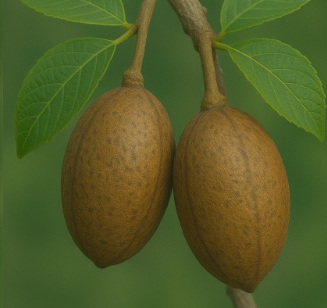
Khaya senegalensis
Rating : 6.5
| Evaluation | N. Experts | Evaluation | N. Experts |
|---|---|---|---|
| 1 | 6 | ||
| 2 | 7 | ||
| 3 | 8 | ||
| 4 | 9 | ||
| 5 | 10 |
10 pts from AColumn
| Sign up to vote this object, vote his reviews and to contribute to Tiiips.Evaluate | Where is this found? |
| "Khaya senegalensis studies" about Khaya senegalensis Review Consensus 10 by AColumn (9402 pt) | 2022-Jan-25 19:37 |
| Read the full Tiiip | (Send your comment) |
Compendium of the most significant studies with reference to properties, intake, effects.
Agyare C, Spiegler V, Asase A, Scholz M, Hempel G, Hensel A. An ethnopharmacological survey of medicinal plants traditionally used for cancer treatment in the Ashanti region, Ghana. J Ethnopharmacol. 2018 Feb 15;212:137-152. doi: 10.1016/j.jep.2017.10.019.
Abstract. The aim of the following study is the identification of medicinal plants used for cancer treatment by the traditional healers in the Ashanti area of Ghana and to cross-reference the identified plant species with published scientific literature.
AlQathama A, Ezuruike UF, Mazzari ALDA, Yonbawi A, Chieli E, Prieto JM. Effects of Selected Nigerian Medicinal Plants on the Viability, Mobility, and Multidrug-Resistant Mechanisms in Liver, Colon, and Skin Cancer Cell Lines. Front Pharmacol. 2020 Sep 15;11:546439. doi: 10.3389/fphar.2020.546439.
Abstract. We selected 27 popular herbal infusions widely used in Nigeria for diabetes and studied their effects on a panel of liver (HepG2), colon (Caco2), and skin (B16-F10) cancer cells.
Zhou MM, Zhang WY, Li RJ, Guo C, Wei SS, Tian XM, Luo J, Kong LY. Anti-inflammatory activity of Khayandirobilide A from Khaya senegalensis via NF-κB, AP-1 and p38 MAPK/Nrf2/HO-1 signaling pathways in lipopolysaccharide-stimulated RAW 264.7 and BV-2 cells. Phytomedicine. 2018 Mar 15;42:152-163. doi: 10.1016/j.phymed.2018.03.016.
Abstract. The objective of this study is to evaluate the anti-inflammatory activity of Khayandirobilide A (KLA), a new andirobin-type limonoid with modified furan ring isolated from the Khaya senegalensis (Desr.) A. Juss., and to explore its potential underlying mechanisms in LPS-stimulated inflammatory models.
Olugbami JO, Damoiseaux R, Odunola OA, Gimzewski JK. Mitigation of aflatoxin B1- and sodium arsenite-induced cytotoxicities in HUC-PC urinary bladder cells by curcumin and Khaya senegalensis. J Basic Clin Physiol Pharmacol. 2020 Apr 22;31(4):/j/jbcpp.2020.31.issue-4/jbcpp-2019-0309/jbcpp-2019-0309.xml. doi: 10.1515/jbcpp-2019-0309.
Abstract. We investigated the possible cytotoxic bio-interactions between AFB1 and sodium arsenite (SA) in urinary bladder cells. We also assessed the cytoprotective effects of curcumin and the ethanol stem bark extract of Khaya senegalensis (K2S).
Oyebanji VO, Emikpe BO, Oladele OA, Osowole OI, Salaam A, Odeniyi MA, Kasali O, Akinboade OA. Clinicopathological evaluation of Newcastle disease virus vaccination using gums from Cedrela odorata and Khaya senegalensis as delivery agents in challenged chickens. Int J Vet Sci Med. 2017 Nov 9;5(2):135-142. doi: 10.1016/j.ijvsm.2017.09.002.
Abstract. Following previous studies on delivery potential and immune response of chickens given Newcastle disease vaccine with gums, this study was conducted to evaluate the protective ability of vaccines delivered with plant gums against clinicopathological features of Newcastle disease (ND).
Ibrahim MA, Koorbanally NA, Islam MS. Antioxidative activity and inhibition of key enzymes linked to type-2 diabetes (α-glucosidase and α-amylase) by Khaya senegalensis. Acta Pharm. 2014 Sep;64(3):311-24. doi: 10.2478/acph-2014-0025.
Abstract. This study evaluated the in vitro antioxidative activity of Khaya senegalensis extracts and inhibitory effects of some solvent fractions on α-glucosidase and α-amylase activities. The stem bark, root and leaf samples of the plant were sequentially extracted with ethyl acetate, ethanol and water and then tested for antioxidative activity.
| Sign up to vote this object, vote his reviews and to contribute to Tiiips.EvaluateClose | (0 comments) |
| "Descrizione" about Khaya senegalensis Review Consensus 10 by AColumn (9402 pt) | 2025-Dec-01 09:43 |
| Read the full Tiiip | (Send your comment) |
Khaya senegalensis (African mahogany)
Description
Khaya senegalensis, commonly known as African mahogany, is an evergreen to semi-deciduous tree of the family Meliaceae, native to sub-Saharan Africa, especially the Sahel and savanna regions. Mature trees can reach 20–30 metres in height (sometimes more), with a straight, cylindrical trunk, grey-brown bark and a broad, rounded crown.
The wood is highly valued: it ranges from pinkish-brown to reddish-brown, is relatively light yet durable, and is widely used in joinery, furniture, interior fittings and in some cases boatbuilding. From a phytochemical viewpoint, the species is rich in limonoids and other triterpenoids, alongside tannins, flavonoids and saponins, particularly concentrated in the bark, leaves and seeds.
The seeds are flat, winged and relatively large, with a very high oil content. In several West African countries, Khaya senegalensis seed oil is used locally as an edible oil, as well as for cosmetic purposes and as a natural insecticidal or technical oil. Bark, leaves and roots are also employed in traditional medicine, especially for febrile, gastrointestinal and hepatic complaints and as a bitter tonic, although these uses belong more to herbal and ethnomedical practice than to mainstream nutrition.
![]() | ![]() |
Common name: African mahogany, Senegal mahogany
Botanical name: Khaya senegalensis
Botanical family: Meliaceae
Native range: western and central Africa, Sudanian and Sahelian regions
Habit: evergreen or semi-evergreen tree with a dense, rounded crown
Height: 15–20 m, up to over 30 m in optimal conditions
Lifespan: perennial, long-lived
Prefers warm tropical and subtropical climates.
Tolerates dry periods typical of Sahelian regions.
Sensitive to intense cold and even light frost.
Grows best in full sun.
In dense shade, growth slows and the crown becomes sparse.
Thrives in soils that are:
deep,
well drained,
fertile, with good organic matter content.
Tolerates loam–clay soils and moderate salinity.
Not suitable for soils prone to waterlogging.
Requires moderate watering:
regular irrigation during establishment;
once adult, it withstands dry periods.
In intensive plantations, periodic irrigation improves growth and timber yield.
Optimal range: 22–32 °C.
Growth slows below about 15 °C.
Temperatures below 5–7 °C can cause physiological damage.
On poor soils it benefits from:
organic amendments (compost, well-rotted manure),
additions of macronutrients (N, P, K) and micronutrients such as Fe and Zn.
Prefer moderate but regular fertilization.
Formative pruning in the early years to obtain a straight trunk and well-balanced crown.
Remove damaged or broken branches.
Regular monitoring for typical pests: defoliating insects, wood borers and root fungi.
Avoid trunk wounds or bark damage, which facilitate infections.
For timber production, felling is done after many years of growth (often beyond 15–20 years).
The wood is highly valued for its appearance and durability.
By seed, the main method:
fresh seeds have good germination;
sow in a light, well-drained substrate, keeping constant moisture.
Cuttings and grafting are possible but less common.
Indicative nutritional values per 100 g (seed oil)
(The main food-relevant product is the seed oil of Khaya senegalensis.)
Energy: about 880–900 kcal
Total fat: ~100 g
SFA (saturated fatty acids; excess intake from all sources is associated with less favourable blood lipid profiles): ~30–35 g (mainly palmitic and stearic acid)
MUFA (monounsaturated fatty acids, generally considered beneficial when they replace SFA; dominated by oleic acid): ~60–70 g
PUFA (polyunsaturated fatty acids, important for cardio-metabolic balance): minor fraction, with a prevalence of the n-6 series
Carbohydrates: 0 g
Protein: 0 g
Fibre: 0 g
Vitamins and minerals: only trace amounts, not nutritionally significant per typical serving
Overall, it is an oleic–saturated oil, with an oleic acid profile reminiscent of other high-oleic oils but a somewhat higher saturated fraction than classic olive oil.
Key constituents
In the oil fraction (seeds / seed oil)
Oleic acid (C18:1, main MUFA)
Palmitic acid (C16:0, SFA)
Stearic acid (C18:0, SFA)
Minor amounts of other long-chain saturated and unsaturated fatty acids
In bark, leaves and wood
Limonoids (oxygenated triterpenoids typical of Meliaceae, with multiple biological activities)
Tannins
Flavonoids and other polyphenols
Saponins and bitter compounds
Minor essential oil components (mono- and sesquiterpenes)
This combination of oleic-rich seed oil and terpenoid–polyphenolic complex in bark and wood underpins both food and cosmetic/herbal interest.
Production process
Seed oil (food and technical uses)
Fruit collection: fruits (woody capsules) are harvested when fully ripe; on drying they open and release the winged seeds.
Seed separation: seeds are separated from fruit shells and cleaned.
Seed drying: seeds are dried under controlled conditions to reduce moisture and avoid mould growth.
Oil extraction:
Mechanical pressing (cold-press or warm-press) or
Solvent extraction, followed by solvent removal.
Clarification and filtration: removal of suspended solids and impurities.
Optional refining: neutralisation, bleaching and deodorisation, depending on whether the oil is intended for food, cosmetic or technical applications.
Bark/wood extracts (herbal and cosmetic uses)
Harvesting of bark or wood from selected trees, following sustainability guidelines.
Drying and comminution (chopping/milling) of plant material.
Extraction with water, hydroalcoholic solvents or other suitable media (including, in some cases, CO₂ supercritical extraction).
Filtration, concentration and possible standardisation of specific fractions (e.g. limonoid-rich fractions).
Storage of extracts in appropriate containers, protected from heat, light and oxygen.
Physical properties
Seeds and oil
Seeds: flat, light brown, with high internal oil content.
Oil: clear liquid, light yellow to golden, non-drying, flowing at room temperature.
Moderate iodine value, consistent with an oleic-rich oil.
Low melting point, so the oil remains liquid under normal ambient conditions.
Wood and bark
Wood: medium-hard, good workability, reddish-brown colour, attractive grain.
Bark: brown-reddish, fibrous, with a slightly bitter–balsamic odour.
Sensory and technological properties
Seed oil
Aroma: relatively mild, with neutral to slightly nutty notes; more intense or bitter in unrefined oils.
Flavour: delicate, with a possible faint bitter aftertaste if minimally refined.
Thermal behaviour: good heat stability due to the high oleic acid content and modest PUFA fraction; presence of SFA contributes to oxidative stability but should be considered in dietary planning.
Technological uses: suitable as a local culinary oil, and also as a base for soaps and some technical products.
Bark/wood extracts
Taste: markedly bitter and astringent, characteristic of limonoid- and tannin-rich extracts.
Odour: woody, slightly balsamic.
Technological function: potential antioxidant, protective and conditioning roles in cosmetic formulations.
Food applications
Food use is mainly linked to seed oil in certain West African regions:
Culinary oil for local dishes, used similarly to other vegetable oils.
Cooking at moderate temperatures in stews, sauces and traditional recipes.
In some contexts, the oil is used more as a technical or soap oil, with limited and localised food use.
Oral use of bark decoctions belongs to traditional medicine, not to mainstream food applications.
Nutrition and health
Nutritionally, Khaya senegalensis seed oil is:
A highly concentrated source of energy (about 9 kcal/g).
Rich in oleic acid (MUFA), generally regarded as beneficial when it replaces part of the SFA in the overall diet.
Moderately high in SFA (palmitic and stearic), a factor to consider in the context of total dietary fat intake and cardiovascular risk management.
Bark and wood extracts have been studied for antimicrobial, antimalarial, anti-inflammatory and hepatoprotective activities, mainly linked to limonoids and polyphenols, but these belong to the field of herbal and pharmacological research, not to general nutrition advice.
From a food perspective, the oil can be seen as a local high-oleic vegetable oil, to be used in moderation like any other fat, as part of a varied and balanced diet.
Portion note
For typical culinary use as a condiment or cooking oil:
Around 5–10 g (1–2 teaspoons) of Khaya senegalensis seed oil per serving, within the overall daily fat allowance.
Allergens and intolerances
Khaya senegalensis is not listed among the main regulated food allergens.
As a seed oil, it still has a theoretical risk of triggering reactions in individuals with hypersensitivity to seed or nut oils.
People with a known history of allergy to unusual vegetable oils or to exotic tree products should introduce it cautiously.
In cosmetics, bark/wood extracts and seed oil may, in rare cases, cause skin irritation or sensitisation if used at high concentrations or on compromised skin.
Storage and shelf-life
Seed oil
Store in well-closed containers, protected from light, heat and air.
Dark glass bottles or opaque metal containers are preferable.
Typical shelf-life: around 12–18 months under good storage conditions; this can vary with refining level and antioxidant addition.
Signs of deterioration: rancid odour, marked darkening and unpleasant taste → oil should not be consumed.
Dry materials (bark, wood, whole seeds)
Store in a cool, dry, ventilated environment, protected from direct sunlight.
Monitor for humidity and storage pests.
Safety and regulatory
Seed oil used as food must comply with general regulatory requirements for vegetable oils, including:
Limits on free fatty acids, peroxide value, contaminants, residual solvents, heavy metals, mycotoxins, etc.
Bark and wood extracts are classified as plant extracts for herbal and cosmetic uses; their marketing requires:
Clear botanical identification (Khaya senegalensis, Meliaceae).
Controls on purity and contaminants.
Appropriate safety evaluation for the intended use.
In cosmetics, ingredients such as KHAYA SENEGALENSIS BARK EXTRACT, KHAYA SENEGALENSIS WOOD EXTRACT and KHAYA SENEGALENSIS SEED OIL are registered with functions mainly as skin protecting and skin conditioning, and must comply with the EU Cosmetics Regulation or other local regulations.
Labelling
For a food seed oil derived from Khaya senegalensis:
Name of the food: e.g. “Khaya senegalensis seed oil (African mahogany)” or equivalent wording indicating the botanical origin.
Indication of the nature of the oil (vegetable oil) and the processing method (crude, refined, cold-pressed, etc.).
Country or region of origin.
Mandatory nutrition declaration (energy, total fat, of which saturates, etc.).
Storage instructions and, where relevant, advice on using the oil preferably raw or also for cooking.
For cosmetic products:
Declaration of the relevant INCI names, e.g. Khaya Senegalensis Bark Extract, Khaya Senegalensis Wood Extract, Khaya Senegalensis Seed Oil.
Full ingredient list in descending order of weight.
Any specific warnings required by the product type and jurisdiction.
Troubleshooting
Cloudy oil or visible sediment
Possible cause: natural precipitates or insufficient clarification.
Solution: fine filtration; check overall quality and storage conditions.
Unpleasantly bitter or harsh taste
Possible cause: oxidation, poor refining or contamination with non-edible fractions.
Solution: verify product freshness; if defective, avoid food use and review the production process.
Premature rancidity
Possible cause: exposure to heat, light or oxygen.
Solution: improve packaging (opaque containers, minimal headspace), lower storage temperature.
Instability in cosmetic formulas
Possible cause: incompatibility with other ingredients or high proportion of sensitive fractions.
Solution: reformulate, add suitable antioxidants, check pH, emulsifier system and processing conditions.
Sustainability and supply chain
Khaya senegalensis is a high-value forest species:
Its timber is economically important; uncontrolled logging can contribute to forest degradation and biodiversity loss.
A sustainable value chain should include:
Responsible forest management plans, with defined cutting limits and replanting.
Promotion of multi-purpose use (wood, seeds, extracts) without incentivising deforestation.
Robust traceability of timber and extracts to avoid unsustainable sourcing.
Seed oil has also been explored as a biofuel and technical oil, which can add economic value but must be balanced against ecological constraints and local food and livelihood needs.
Processing residues (wash waters, extraction effluents, solid by-products) should be managed with attention to BOD/COD and other environmental indicators, with composting or other valorisation of solid plant waste where feasible.
With careful management, Khaya senegalensis can fit into a multi-use, sustainability-oriented forest and agroforestry system, but it requires strong environmental governance.
Main INCI functions (cosmetics)
Cosmetic ingredients derived from Khaya senegalensis typically appear as:
Khaya Senegalensis Bark Extract
Khaya Senegalensis Wood Extract
Khaya Senegalensis Seed Oil
Their principal INCI functions include:
Skin protecting: helping to protect the skin from external factors, partly thanks to phenolic and terpenoid compounds.
Skin conditioning: contributing to soft, comfortable skin feel and overall skin condition.
Emollient: particularly for seed oil, acting as a lipid component in creams, body oils and balms.
Antioxidant support: potential contribution to the antioxidant profile of the formulation, in combination with other ingredients.
Conclusion
Khaya senegalensis (African mahogany) is a multifunctional tree species combining:
High timber value as a classic African mahogany.
Nutritional and technological interest via its oleic-rich seed oil.
Herbal and cosmetic relevance through bark and wood extracts rich in limonoids, tannins and other phytochemicals.
The seed oil can be viewed as a local high-oleic vegetable oil, to be consumed in moderation like other fats. Bark and wood extracts are increasingly used as skin protecting / skin conditioning cosmetic ingredients, often framed within narratives of African biodiversity and “nature-derived” actives.
For long-term viability, the development of Khaya senegalensis products must go hand in hand with sustainable forest management, traceable supply chains and a careful balance between economic value, ecological integrity and the needs of local communities.
Studies
In traditional medicine, the pulverised bark was used as a remedy against fever, syphilis and to facilitate digestive processes.
Industrially, in our day, Khaya senegalensis is mainly used to produce gum and extracts from its bark for pharmaceutical and industrial uses.
The gum is used as a sustained-release agent in medicinal tablets and its seeds have demonstrated, isolated and studied in vitro, antimicrobial activity against Gram-negative bacteria (1). As a whole, this tree has a considerable flavonoid and phenolic acid content, but the quality of the extract, with regard to its demonstrated antioxidant activity, depends closely on the extraction methods (2).
Cosmetics
Khaya senegalensis extract was included in the formula as a preservative. In 2016, a study was submitted in France in support of a patent (3) for the cosmetic use of an extract of Khaya senegalensis to maintain or increase collagen expression and other skin benefits.
Mini-glossary
Limonoids: oxygenated triterpenoids typical of Meliaceae (e.g. Khaya, Azadirachta), often showing antimicrobial, insecticidal and other biological activities.
SFA (saturated fatty acids): fatty acids without double bonds; high intake from all dietary sources is associated with less favourable blood lipid profiles.
MUFA (monounsaturated fatty acids): fatty acids with one double bond, such as oleic acid; generally beneficial when replacing SFA in the diet.
PUFA (polyunsaturated fatty acids): fatty acids with two or more double bonds, including n-6 and n-3 families, important for inflammation, cardiovascular and brain function.
GMP/HACCP (good manufacturing practice / hazard analysis and critical control points): structured systems to ensure quality, hygiene and safety in food and ingredient production.
BOD/COD (biochemical oxygen demand / chemical oxygen demand): parameters that measure the organic load of wastewater, used to assess the environmental impact of processing plants.
References________________________________________________________________________
(1) Jiang YH, Jiang TJ, Lv XF, Yu XF, Chi WQ. Antimicrobial mexicanolide limonoids from the seeds of Khaya senegalensis. J Asian Nat Prod Res. 2021 Sep 28:1-7. doi: 10.1080/10286020.2021.1972981.
Abstract. Three new mexicanolide limonoids were obtained from the 90% ethanol extract of the seeds of Khaya senegalensis. Their structures were elucidated as senegalenines A-C (1-3) by analysing their 1D/2D NMR and MS spectroscopic analysis. In addition, the isolated limonoids were tested in vitro for antimicrobial potentials against 5 pathogenic microorganisms. Consequently, compounds 1-3 exhibited antimicrobial activity against the tested Gram negative bacteria at the minimum inhibitory concentration values less than 40 μg/ml.
(2) de la Luz Cádiz-Gurrea M, Sinan KI, Zengin G, Bene K, Etienne OK, Leyva-Jiménez FJ, Fernández-Ochoa Á, Del Carmen Villegas-Aguilar M, Mahomoodally MF, Lobine D, Ferrante C, Segura-Carretero A. Bioactivity assays, chemical characterization, ADMET predictions and network analysis of Khaya senegalensis A. Juss (Meliaceae) extracts. Food Res Int. 2021 Jan;139:109970. doi: 10.1016/j.foodres.2020.109970.
(3) https://patentimages.storage.googleapis.com/f7/ce/d2/80bb990d4cab27/FR3049859A1.pdf
| Sign up to vote this object, vote his reviews and to contribute to Tiiips.EvaluateClose | (0 comments) |
Read other Tiiips about this object in __Italiano (2)
Content:   Last update:   2022-01-25 19:14:38 | Kcal/100g:   Family:   Threat factors:   |

