

Chylomicron lipoproteins
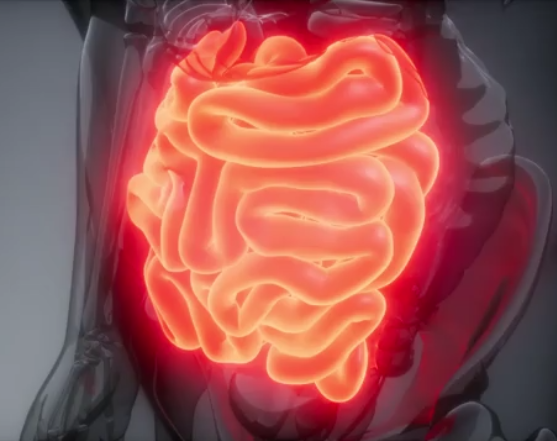
Their name refers to the chyle, that is the milky lymph due to the presence of micelles that comes from the intestinal chyliferous vessels, in fact the intestinal villi contain arterioles and venules with a chyliferous vessel in between.
Micron refers to the size they can reach.
Externally there is a very thin film of polar lipids, then internally a large drop of triglycerides.
The apoproteins present in these lipoproteins are different, one is typical of chylomicrons only and is apo B48. Then you have a small proportion of apo A. There is also apo C-2 and apo C-3. The turbidity of plasma after a meal is due to the presence of chylomicrons, which is why blood tests are done on an empty stomach. Once synthesized by exocytosis, chylomicrons are excreted through the basal lateral wall of the lymphatic circulation.
Once in the lymphatic vessels they move along the thoracic duct going up the spine until they reach the left subclavian vein and only at this point do they make contact with the blood. The purpose of this tour is to bypass the route through the liver that would tend to break them down. In this way it is possible to supply the extrahepatic tissues. Only after this turn the chylomicrons reach the liver. Once in the bloodstream, the chylomicrons encounter a lipoprotein lipase (LPL) anchored to the endothelial cells lining the vessels by a heparanesulfate chain. In order to function, lipoprotein lipase must find apoprotein C-2 on the surface of the chylomicron; without it, lipase cannot function. Apoprotein C-2 is added to the chylomicron by HDLs. In fact HDLs have the characteristic of containing apoproteins A, C and E and when these two types of lipoproteins collide these apoproteins are transferred to the chylomicrons. Thus in the presence of apo C-2 lipoprotein lipase functions. Because of apo C-2 the LPL can bind to the chylomicron and digest the first triglycerides it comes in contact with. As the core is reduced in size, various surface, redundant components such as apopoteins, free cholesterol, and phospholipids are transferred to HDLs by phospholipid transfer protein (PLTP) circulating in the plasma. Despite the loss of components apo E remains. Initially, when the chylomicron is large, it is hidden but when it is greatly reduced in size, and in this case it is called chylomicron remnant, it is in evidence. Since remnant chylomicrons can easily create lipid deposits they must be promptly broken down and this is where the liver comes in.