

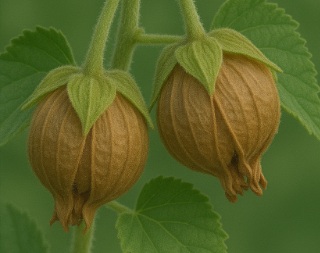
Marshmallow
Rating : 7.3
| Evaluation | N. Experts | Evaluation | N. Experts |
|---|---|---|---|
| 1 | 6 | ||
| 2 | 7 | ||
| 3 | 8 | ||
| 4 | 9 | ||
| 5 | 10 |
Pros:
Anti-inflammatory (1) Antifungal (1) Antibacterial (1)10 pts from Frank123
| Sign up to vote this object, vote his reviews and to contribute to Tiiips.Evaluate | Where is this found? |
| "Marshmallow studies" about Marshmallow Review Consensus 8 by Frank123 (12488 pt) | 2022-Nov-09 16:53 |
| Read the full Tiiip | (Send your comment) |
Compendium of the most significant studies with reference to properties, intake, effects.
Barragan-Jason G, Atance CM, Hopfensitz A, Stieglitz J, Cauchoix M. Commentary: Revisiting the Marshmallow Test: A Conceptual Replication Investigating Links Between Early Delay of Gratification and Later Outcomes. Front Psychol. 2019 Jan 10;9:2719. doi: 10.3389/fpsyg.2018.02719.
Abstract. Given that “patience” is a recommended means to attain academic, social, and economic success (Mischel et al., 2010), efforts to promote the cognitive and behavioral traits underlying this ability early in life are warranted. While children's ability to be patient predicts future success (Mischel et al., 2010), a recent paper by Watts et al. (2018) suggests that the relationship between patience and success is not straightforward. Using a larger sample and a more sophisticated statistical approach than previous studies, they show that correlations between patience and future outcomes are not as strong as previously assumed, and that this association disappears after controlling for confounding factors (i.e., early social environment and demographic characteristics). Thus, to develop effective interventions, Watts et al. recommend reconsidering the actual measure of patience and its “broader cognitive and behavioral abilities” (in Watts et al., 2018, p. 17). We agree with Watts et al. and, to further this discussion, we raise two key questions regarding research on patience: (1) What, exactly, is patience? and (2) By what mechanisms does patience lead to successful outcomes?
Popovych V, Koshel I, Malofiichuk A, Pyletska L, Semeniuk A, Filippova O, Orlovska R. A randomized, open-label, multicenter, comparative study of therapeutic efficacy, safety and tolerability of BNO 1030 extract, containing marshmallow root, chamomile flowers, horsetail herb, walnut leaves, yarrow herb, oak bark, dandelion herb in the treatment of acute non-bacterial tonsillitis in children aged 6 to 18 years. Am J Otolaryngol. 2019 Mar-Apr;40(2):265-273. doi: 10.1016/j.amjoto.2018.10.012.
Abstract. Seventy to 95% of acute tonsillitis episodes are caused by viral infection, therefore why antibiotic therapy is not indicated in majority of cases. In such cases, acetaminophen or ibuprofen are used to alleviate the symptoms. The objective of this study was assessment of efficacy of phytoneering extract BNO 1030 (Imupret®) in patients with acute non-bacterial tonsillitis....Conclusion: BNO 1030 (Imupret®) is a safe and effective product for treatment of acute non-bacterial tonsillitis in children aged 6-18 years, assuring therapeutic benefit when prescribed additionally to the standard symptomatic therapy. Copyright © 2018 The Authors.
Rheder DT, Guilger M, Bilesky-José N, Germano-Costa T, Pasquoto-Stigliani T, Gallep TBB, Grillo R, Carvalho CDS, Fraceto LF, Lima R. Synthesis of biogenic silver nanoparticles using Althaea officinalis as reducing agent: evaluation of toxicity and ecotoxicity. Sci Rep. 2018 Aug 17;8(1):12397. doi: 10.1038/s41598-018-30317-9.
Abstract. Silver nanoparticles (AgNPs) are known mainly because of their bactericidal properties. Among the different types of synthesis, there is the biogenic synthesis, which allows the synergy between the nanocomposites and substances from the organism employed for the synthesis. This study describes the synthesis of AgNPs using infusion of roots (AgNpR) and extract (AgNpE) of the plant Althaea officinalis. After the synthesis through reduction of silver nitrate with compounds of A. officinalis, physico-chemical analyzes were performed by UV-Vis spectroscopy, nanoparticles tracking analysis (NTA), dynamic light scattering (DLS) and scanning electron microscopy (SEM). Toxicity was evaluated through Allium cepa assay, comet test with cell lines, cell viability by mitochondrial activity and image cytometry and minimal inhibitory concentration on pathogenic microorganisms. Biochemical analyzes (CAT - catalase, GPx - glutathione peroxidase e GST - glutationa S-transferase) and genotoxicity evaluation in vivo on Zebrafish were also performed. AgNpE and AgNpR showed size of 157 ± 11 nm and 293 ± 12 nm, polydispersity of 0.47 ± 0.08 and 0.25 ± 0.01, and zeta potential of 20.4 ± 1.4 and 26.5 ± 1.2 mV, respectively. With regard to toxicity, the AgNpE were the most toxic when compared with AgNpR. Biochemical analyzes on fish showed increase of CAT activity in most of the organs, whereas GPx showed few changes and the activity of GST decreased. Also regarding to bactericidal activity, both nanoparticles were effective, however AgNpR showed greater activity. Althaea officinalis can be employed as reducing agent for the synthesis of silver nanoparticles, although it is necessary to consider its potential toxicity and ecotoxicity.
Tavassoli P, Safipour Afshar A. Influence of different Agrobacterium rhizogenes strains on hairy root induction and analysis of phenolic and flavonoid compounds in marshmallow (Althaea officinalis L.). 3 Biotech. 2018 Aug;8(8):351. doi: 10.1007/s13205-018-1375-z.
Abstract. Hairy roots were induced in Althea officinalis using Agrobacterium rhizogenes, strains A4, A13, ATCC15834, and ATCC15834(GUS). The leaf, petiole and shoot explants of marshmallow were used for the hairy roots induction. When hairy roots appeared, cultures were established in MS (Murashige and Skoog) liquid medium without growth regulators. Hairy roots in explants appeared 5-12 days after inoculation. Maximum transformation frequency of 83% was observed on shoot explants with ATCC15834 strain. Among the strains, ATCC15834(GUS) strain showed better potential in the mass production of hairy roots in the hormone-free liquid medium after 50 days of culturing. The highest total phenolic and flavonoids content was found at 1.57 ± 0.1 mg/g dry weight in A13 strain and 3.47 ± 0.3 mg/g in A4 strain, respectively. Secondary metabolite content of hairy roots was found to be strain-specific.
Fink C, Schmidt M, Kraft K. Marshmallow Root Extract for the Treatment of Irritative Cough: Two Surveys on Users' View on Effectiveness and Tolerability. Complement Med Res. 2018;25(5):299-305. German. doi: 10.1159/000489560.
Abstract. Background: Cough preparations containing aqueous marshmallow root extracts (Althaea officinalis) have a long history as medicinal products in Germany. The aim of the 2 prospective, non-interventional surveys reported here was to create a better documentation of the users' impression of the effectiveness and tolerability, and user satisfaction....Conclusion: The results of the surveys justify the long-established use of both marshmallow preparations for symptomatic treatment of dry cough. © 2018 S. Karger GmbH, Freiburg.
Watts TW, Duncan GJ, Quan H. Revisiting the Marshmallow Test: A Conceptual Replication Investigating Links Between Early Delay of Gratification and Later Outcomes. Psychol Sci. 2018 Jul;29(7):1159-1177. doi: 10.1177/0956797618761661.
Abstract. We replicated and extended Shoda, Mischel, and Peake's (1990) famous marshmallow study, which showed strong bivariate correlations between a child's ability to delay gratification just before entering school and both adolescent achievement and socioemotional behaviors. Concentrating on children whose mothers had not completed college, we found that an additional minute waited at age 4 predicted a gain of approximately one tenth of a standard deviation in achievement at age 15. But this bivariate correlation was only half the size of those reported in the original studies and was reduced by two thirds in the presence of controls for family background, early cognitive ability, and the home environment. Most of the variation in adolescent achievement came from being able to wait at least 20 s. Associations between delay time and measures of behavioral outcomes at age 15 were much smaller and rarely statistically significant.
Haghgoo R, Mehran M, Afshari E, Zadeh HF, Ahmadvand M. Antibacterial Effects of Different Concentrations of Althaea officinalis Root Extract versus 0.2% Chlorhexidine and Penicillin on Streptococcus mutans and Lactobacillus (In vitro). J Int Soc Prev Community Dent. 2017 Jul-Aug;7(4):180-185. doi: 10.4103/jispcd.JISPCD_150_17.
Abstract. Aims and objectives: The aims of the present study were to determine and compare the effects of different concentrations of Althaea officinalis extract, 0.2% chlorhexidine (CHX), and penicillin on Streptococcus mutans and Lactobacillus acidophilus in vitro....Conclusion: The root extract of A. officinalis exhibited antibacterial effects on S. mutans and L. acidophilus, but this effect was less than those of CHX mouthwash and penicillin. The antibacterial effect increased with an increase in the concentration of the extract.
Sendker J, Böker I, Lengers I, Brandt S, Jose J, Stark T, Hofmann T, Fink C, Abdel-Aziz H, Hensel A. Phytochemical Characterization of Low Molecular Weight Constituents from Marshmallow Roots (Althaea officinalis) and Inhibiting Effects of the Aqueous Extract on Human Hyaluronidase-1. J Nat Prod. 2017 Feb 24;80(2):290-297. doi: 10.1021/acs.jnatprod.6b00670.
Abstract. Extract RE was obtained from the roots of Althaea officinalis in a yield of 8.1%, related to the dried plant material, by extraction with MeOH-H2O (1:1), followed by precipitation with EtOH to remove high molecular weight constituents. Phytochemical investigation of RE revealed the presence of N-phenylpropenoyl-l-amino acid amides 1-5, 8% glycine betaine 6, about 9% total amino acids with proline as the main compound, and about 61% mono- and oligomeric carbohydrates with sucrose as the main compound. Further fractionation revealed the presence of a hypolaetin diglycoside (12) and four hypolaetin glycosides (7-9 and 11) with O-sulfocarbohydrate moieties; additionally, 4'-O-methylisoscutellarein-8-O-β-d-(3″-O-sulfo)glucuronopyranoside (10) and the diglycosylated coumarin haploperoside D (13) were identified. The hypolaetin-O-sulfoglycosides 7-10 are new natural products. RE inhibited the enzymatic activity of surface-displayed human hyaluronidase-1 on Escherichia coli F470 cells with an IC50 of 7.7 mg/mL. RE downregulated mRNA expression of hyal-1 in HaCaT keratinocytes at 125 and 250 μg/mL, respectively. These data contribute to a deeper phytochemical understanding of marshmallow root extracts and to the positive influence of extracts used for therapy of irritated and inflamed buccal tissue and cough.
Curnow A, Owen SJ. An Evaluation of Root Phytochemicals Derived from Althea officinalis (Marshmallow) and Astragalus membranaceus as Potential Natural Components of UV Protecting Dermatological Formulations. Oxid Med Cell Longev. 2016;2016:7053897. doi: 10.1155/2016/7053897.
Abstract. As lifetime exposure to ultraviolet (UV) radiation has risen, the deleterious effects have also become more apparent. Numerous sunscreen and skincare products have therefore been developed to help reduce the occurrence of sunburn, photoageing, and skin carcinogenesis. This has stimulated research into identifying new natural sources of effective skin protecting compounds. Alkaline single-cell gel electrophoresis (comet assay) was employed to assess aqueous extracts derived from soil or hydroponically glasshouse-grown roots of Althea officinalis (Marshmallow) and Astragalus membranaceus, compared with commercial, field-grown roots. Hydroponically grown root extracts from both plant species were found to significantly reduce UVA-induced DNA damage in cultured human lung and skin fibroblasts, although initial Astragalus experimentation detected some genotoxic effects, indicating that Althea root extracts may be better suited as potential constituents of dermatological formulations. Glasshouse-grown soil and hydroponic Althea root extracts afforded lung fibroblasts with statistically significant protection against UVA irradiation for a greater period of time than the commercial field-grown roots. No significant reduction in DNA damage was observed when total ultraviolet irradiation (including UVB) was employed (data not shown), indicating that the extracted phytochemicals predominantly protected against indirect UVA-induced oxidative stress. Althea phytochemical root extracts may therefore be useful components in dermatological formulations.
| Sign up to vote this object, vote his reviews and to contribute to Tiiips.EvaluateClose | (0 comments) |
| "Descrizione" about Marshmallow Review Consensus 10 by Frank123 (12488 pt) | 2025-Dec-01 10:12 |
| Read the full Tiiip | (Send your comment) |
Marshmallow, Altea (Althaea officinalis L.)
Description
Marshmallow, is a perennial herb of the family Malvaceae, native to Europe, Western Asia and North Africa, where it typically grows in moist and semi-moist habitats such as riverbanks, ditches, marshy meadows and rich, deep soils. Plants develop erect, robust stems usually 60–120 cm tall, sometimes higher, covered with fine hairs that give them a characteristic soft, velvety appearance.
The leaves are alternate, ovate to triangular, softly tomentose, with coarsely toothed margins and a soft texture. The flowers appear along the upper part of the stems in dense clusters, with five petals ranging from white-pink to pale pink, often with darker veins, resembling smaller versions of other ornamental mallows.
From a herbal perspective, the most valued part is the root, thick and fleshy, very rich in mucilage and traditionally used as a soothing and emollient agent for the mucous membranes of the mouth, throat and gastrointestinal tract. Leaves and flowers also contain mucilage and polyphenols and are used in herbal teas and preparations. Historically, marshmallow root extracts inspired early confectionery preparations (marshmallow-type sweets) where the plant’s mucilaginous properties contributed to texture.
Today, Althaea officinalis is widely used in herbal products, syrups, teas, preparations for the comfort of the respiratory tract and throat, and in cosmetics designed for delicate and sensitive skin thanks to its marked soothing and hydrating properties.
![]() | ![]() |
Common names: marshmallow, common marshmallow, altea
Botanical name: Althaea officinalis L.
Botanical family: Malvaceae
Native range: Europe, Western Asia and temperate regions of North Africa
Habit: upright perennial herb
Height: 60–150 cm
Lifespan: perennial
Prefers temperate climates.
Tolerates winter cold and light frosts.
Can grow in warm summers if the soil remains moderately moist.
Grows best in full sun, where it produces more flowers and functional constituents.
Tolerates light partial shade, but with reduced growth and flowering.
Prefers soils that are:
deep,
fresh and moist,
well drained,
rich in humus.
Performs well in slightly clayey, loam–sandy soils.
Ideal pH: 6.0–7.5.
Likes soils that are consistently moist, but not waterlogged.
In cultivation:
water regularly during drought or intense heat;
avoid letting the substrate dry out completely.
Optimal range: 14–25 °C.
Withstands short winter frosts.
In very hot climates, mulching helps preserve moisture and keep roots cooler.
Appreciates soils rich in organic matter.
If necessary, apply:
well-matured compost,
a balanced slow-release fertilizer in spring.
Avoid excess nitrogen, which can weaken tissues.
Remove weeds in the first months after planting.
Deadhead spent flowers to encourage new blooming.
In windy sites, tall plants may need staking.
Monitor for fungal diseases, especially in very humid conditions.
Leaves and flowers are harvested from late spring to summer.
Roots are harvested in autumn, when their mucilage content is highest.
Plant parts can be used fresh or dried.
Mainly by seed:
sow in spring or early autumn;
seeds germinate well in light, moist soil.
Division of clumps is also possible in spring or autumn.
Indicative nutritional values per 100 g (dried root)
(Dried root is the main herbal form; actual serving sizes are small, so real nutrient intake per cup is limited.)
Energy: about 250–300 kcal
Water: 5–10 g
Total carbohydrates: 50–60 g
Starch and reserve polysaccharides
Simple sugars (notably sucrose)
Total fibre: 15–20 g
Protein: 3–5 g
Total fat: 1–3 g
SFA (saturated fatty acids, whose excess from all dietary sources is associated with less favourable blood lipid profiles): very low amount overall
MUFA (monounsaturated fatty acids, generally considered beneficial when replacing part of SFA): present only in traces
PUFA (polyunsaturated fatty acids, including n-6 and n-3 families with roles in cardiovascular and inflammatory balance): present only in traces
Minerals: calcium, magnesium, potassium and traces of other elements
Vitamins: small amounts of B-group vitamins and antioxidant compounds
At typical herbal doses (a few grams per cup), caloric intake is negligible; the main interest is functional (mucilage, polyphenols), not energetic.
Key constituents
Mucilage (5–10% or more in the root): complex mixtures of acidic and neutral polysaccharides (galacturonorhamnans, arabinoglucans, arabinogalactans, glucans) responsible for the emollient, film-forming and protective effects on mucous membranes.
Reserve polysaccharides: starches, pectins, mono- and disaccharides (including sucrose).
Flavonoids: derivatives of quercetin, kaempferol and other flavonoids typical of Malvaceae.
Phenolic acids: caffeic acid, ferulic acid and other hydroxycinnamic acids.
Tannins and coumarins, in variable amounts.
Traces of sterols, triterpenoids and minor essential oil components.
This matrix of mucilage, polysaccharides, polyphenols and minor aromatic compounds underlies the broad phytotherapeutic and cosmetic use of marshmallow.
Production process
For teas, extracts and supplements (root, leaves, flowers)
Cultivation: marshmallow is grown in deep, rich, moist but well-drained soils, often within low-input systems with limited plant protection products.
Root harvesting: usually from the second year of growth, in autumn or early spring, when mucilage content in the root is highest.
Cleaning and cutting: removal of soil and small roots, quick washing, then cutting into slices or chips.
Drying: at low temperature in well-ventilated conditions, to preserve mucilage and sensitive constituents.
Comminution and grading: production of cut root for teas, or finely milled root for dry extracts; leaves and flowers are dried and cut similarly for herbal blends.
For liquid extracts and cosmetic ingredients
Extraction with water, hydroalcoholic mixtures or polyols (e.g. hydroglycolic or glyceric extracts).
Filtration and, if needed, vacuum concentration.
Possible standardisation to mucilage or polyphenol content.
Stabilisation with suitable antioxidants and preservatives depending on the intended use (supplements, cosmetics).
Physical properties
Dried root: pieces or chips of off-white to yellowish colour, relatively light, fibrous along the length, firm when dry but easily broken.
Root powder: pale powder with a marked capacity to absorb water.
Solubility:
Mucilage disperses readily in water, forming viscous solutions or gels.
Many phenolic constituents are water-soluble.
Stability: dried root is relatively stable if protected from moisture and light; mucilage may slowly degrade with excessive heat or very long storage.
Sensory and technological properties
Taste: mild, slightly sweet-mucilaginous, with herbal notes and occasionally a faint bitterness in more concentrated preparations.
Odour: subtle, slightly herbal and root-like.
In water, especially in macerates or decoctions, the root releases mucilage, giving the liquid a slightly viscous, soft mouthfeel.
Technological functionality:
Mucilage forms a protective film on mucous membranes, useful in syrups, mouthwashes, gargles and similar preparations.
In cosmetic formulations, marshmallow extracts contribute to a creamy texture and impart hydrating and soothing effects, improving skin comfort.
Food applications
Modern food use of marshmallow is mainly indirect and functional:
Herbal teas and infusions based on root, leaves and flowers for soothing and emollient support to throat and upper respiratory tract.
Traditional preparations where young leaves can be cooked as leafy greens, similarly to other mallows, in soups and mixed herb dishes.
Inclusion in herbal syrups where mucilage contributes both functionally and technologically (texture, mouthfeel), rather than as an energy source.
In contemporary diets, marshmallow is not a staple food but a functional herb used in small amounts.
Nutrition and health
The key nutritional and health-related interest of marshmallow lies in its mucilage and hydrophilic polysaccharides, which exert emollient, soothing and protective effects on the mucous membranes of the mouth, throat and gastrointestinal tract. Mucilage adheres to mucosal surfaces, forming a protective film that can alleviate dryness, burning and irritation, and help reduce the stimulus of dry, non-productive cough.
Phenolic acids and flavonoids provide an antioxidant background and may support local defence mechanisms of mucosal tissues. Warm or lukewarm marshmallow infusions are part of traditional herbal approaches for respiratory comfort and minor digestive discomfort.
At customary doses, energy intake is minimal; the value is functional, not caloric. As with all medicinal plants, marshmallow should not replace appropriate medical care in significant or persistent conditions, and a health professional should be consulted when symptoms are important or long-lasting.
Portion note
For a soothing herbal tea based on marshmallow root:
About 2–3 g of dried root per 150–200 ml of water (infusion, maceration or decoction as indicated),
Up to 3–4 times per day, according to traditional use and specific product recommendations.
For culinary use of leaves and flowers as cooked greens, serving sizes are similar to other leafy vegetables, though such uses are now less common.
Allergens and intolerances
Althaea officinalis L. is not listed among the major regulated food allergens.
Hypersensitivity reactions are rare but may occur in individuals allergic to other Malvaceae or to complex herbal preparations.
Due to the high content of mucilage and fibre, very sensitive individuals may occasionally experience bloating or mild digestive discomfort if high doses are consumed.
In cosmetic products, marshmallow extracts are generally well tolerated, though rare cases of local irritation or reactions can occur on particularly reactive skin.
Storage and shelf-life
Dried root
Store in airtight containers, protected from light, humidity and heat.
Indicative shelf-life: 24–36 months, with potential gradual loss of mucilage functionality if stored too long or under poor conditions.
The appearance of musty odours or unusual darkening indicates deterioration.
Liquid extracts
Store according to manufacturer’s instructions, usually protected from light and at controlled temperature.
Stability depends on solvent, pH, preservation system and storage conditions.
Safety and regulatory
Marshmallow is recognised in Europe as a traditional herbal medicinal plant, particularly the root (Althaeae radix), for the relief of oral and pharyngeal irritation, dry cough and mild gastrointestinal discomfort. Regulatory monographs typically state:
Use in oral and oromucosal preparations (teas, macerates, syrups, extracts).
A favourable safety profile at traditional doses, with rare and generally mild adverse effects.
Caution in very young children, pregnancy and breastfeeding, where use should remain within dietary levels or be supervised by a healthcare professional.
Products based on marshmallow must comply with general requirements regarding:
Limits for contaminants, heavy metals, pesticide residues, mycotoxins.
Adequate microbiological quality.
Application of good manufacturing practice and safety systems (e.g. GMP, HACCP) for foods, supplements and herbal preparations.
Labelling
For a food/herbal product containing marshmallow:
Ingredient name: e.g. “Marshmallow (Althaea officinalis L.), root”, or leaves, flowers, aerial parts as appropriate.
Clear specification of the plant part used.
Directions for use (amount of herbal material per cup, infusion/maceration time, number of daily servings).
General supplement warnings (“do not exceed the recommended daily dose”, “not a substitute for a varied diet and healthy lifestyle”, “keep out of reach of children”, where applicable).
Storage instructions (keep away from light and moisture).
For cosmetic products, labelling follows INCI, with names such as Althaea Officinalis Root Extract or Althaea Officinalis Leaf/Root Extract, listed within the full ingredient list.
Troubleshooting
Root pieces very dark or with abnormal odour
Possible causes: over-drying, very old material, poor storage.
Action: discard compromised batches; review harvesting, drying and storage conditions.
Infusion/macerate too viscous
Cause: high dose of root or very long extraction time, with extensive mucilage extraction.
Action: reduce the amount of herbal material or the extraction time; dilute or blend with less mucilaginous herbs.
Perceived lack of effect
Cause: poor-quality raw material with low mucilage (suboptimal harvest time, very old stock).
Action: use high-quality, traceable root with appropriate harvest and storage history; follow correct preparation directions.
Instability in cosmetic formulas
Cause: high polysaccharide content with sensitivity to microbial growth or pH variations.
Action: optimise the preservation system, check pH compatibility, and ensure the extract is suitable for the formulation (e.g. use standardised, stabilised extracts).
Sustainability and supply chain
Marshmallow is relatively easy to cultivate within low-impact agricultural systems:
It fits well into crop rotations with cereals and other medicinal plants, enhancing agricultural biodiversity.
It can be grown with moderate inputs of fertilisers and plant protection products, particularly in integrated or organic systems.
Wild collection should follow sustainable harvesting guidelines, avoiding depletion of natural populations.
Processing residues (root trimmings, leaves, stems) can be used for composting, reducing waste.
Extraction effluents should be managed with attention to BOD/COD and other environmental parameters, ensuring adequate treatment before discharge.
Well-organised, traceable supply chains focused on quality, safety and environmental responsibility allow marshmallow to be valued as a safe, effective and sustainable herbal resource.
Main INCI functions (cosmetics)
In cosmetics, marshmallow appears under INCI names such as:
Althaea Officinalis Root Extract
Althaea Officinalis Leaf/Root Extract
Occasionally other extracts or waters from leaves/flowers
Key cosmetic functions include:
Skin conditioning: helping to keep the skin in good condition, enhancing softness and overall comfort.
Soothing/emollient: thanks to mucilage, it helps provide relief to sensitive, dry or mildly irritated skin by forming a light protective film.
Hydration support: the film-forming effect of mucilage can help reduce transepidermal water loss and improve perceived surface hydration.
Complementary antioxidant effect: polyphenols contribute to the antioxidant profile of the formulation.
Marshmallow extracts are therefore especially appreciated in soothing creams, after-sun products, treatments for sensitive skin and delicate areas (lips, eye contour, neck), and in some products for sensitive scalp and hair.
Conclusion
Altea / marshmallow (Althaea officinalis L.) is a long-established herbal species combining high levels of emollient mucilage with an interesting array of polysaccharides, flavonoids and phenolic acids. Roots, leaves and flowers have been used for centuries for the well-being of mucous membranes of the mouth, throat and digestive tract, and more recently for the care of sensitive skin in cosmetic products.
Although not a staple food, marshmallow plays an important role in European phytotherapy and herbal traditions, thanks to its combination of gentle efficacy, good tolerability and versatile applications (teas, syrups, extracts, cosmetics). A supply chain attentive to quality, safety and sustainability enables full valorisation of this plant within a modern, integrated approach to nutrition, well-being and skin care.
Studies
This plant has been used in traditional medicine to treat inflammatory reactions of the respiratory system and irritant cough and to resolve inflammation, including inflammation of the oral tissue and gingival abscesses (1).
Contains peptins, starch, monosaccharides, disaccharides, mucilages, flavonoids, antioxidants, coumarin, scopoletin, tannin, asparagus and many amino acids. The extracts obtained from the roots and flowers are antibacterial (Gram-positive and Gram-negative bacteria), antifungal, anti-inflammatory, anti-mycobacterial and anti-cough (2).
For more:
Mini-glossary
Mucilage: hydrophilic polysaccharides that form viscous solutions in water and create a protective, emollient film on mucous membranes and skin.
Acid polysaccharides (e.g. galacturonorhamnans, arabinogalactans): structural components of mucilage responsible for film-forming and soothing properties.
SFA (saturated fatty acids): fatty acids without double bonds; excess intake from all dietary sources is associated with less favourable blood lipid profiles.
MUFA (monounsaturated fatty acids): fatty acids with one double bond, generally beneficial when they replace SFA in the diet.
PUFA (polyunsaturated fatty acids): fatty acids with two or more double bonds, including n-6 and n-3 families involved in inflammation regulation and cardiovascular health.
GMP/HACCP (good manufacturing practice / hazard analysis and critical control points): systems used to ensure quality, hygiene and safety in the production of foods, supplements and herbal raw materials.
BOD/COD (biochemical oxygen demand / chemical oxygen demand): indicators of the organic load of wastewater, used to assess the environmental impact of extraction and processing operations.
References_______________________________________________
(1) Gautam, Shiv & , Navneet & Kumar, Sanjay & Chauhan, Antimicrobial efficacy of Althaea officinalis Linn. seed extracts and essential oil against respiratory tract pathogens. Reshu. (2015). Journal of Applied Pharmaceutical Science. 5. 115-119. 10.7324/JAPS.2015.50921.
(2) Banaee M, Soleimany V, Nematdoost Haghi B. Therapeutic effects of marshmallow (Althaea officinalis L.) extract on plasma biochemical parameters of common carp infected with Aeromonas hydrophila. Vet Res Forum. 2017 Spring;8(2):145-153.
Mehreen A, Waheed M, Liaqat I, Arshad N. Phytochemical, Antimicrobial, and Toxicological Evaluation of Traditional Herbs Used to Treat Sore Throat. Biomed Res Int. 2016;2016:8503426. doi: 10.1155/2016/8503426.
| Sign up to vote this object, vote his reviews and to contribute to Tiiips.EvaluateClose | (0 comments) |
Read other Tiiips about this object in __Italiano (2)
Content:   Last update:   2021-12-21 10:02:38 | Kcal/100g:   Family:   Threat factors:   |

