

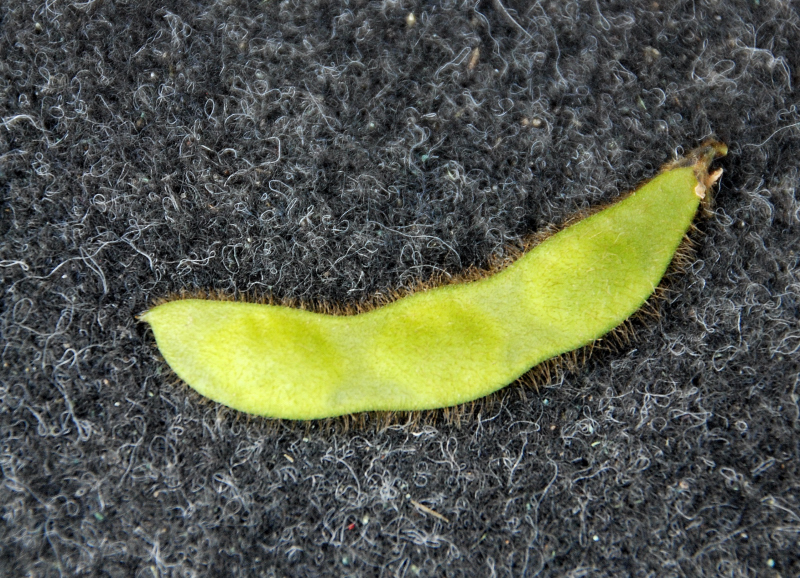
Soy protein
Rating : 7.7
| Evaluation | N. Experts | Evaluation | N. Experts |
|---|---|---|---|
| 1 | 6 | ||
| 2 | 7 | ||
| 3 | 8 | ||
| 4 | 9 | ||
| 5 | 10 |
Cons:
Allergen (1)18 pts from Ottika12
| Sign up to vote this object, vote his reviews and to contribute to Tiiips.Evaluate | Where is this found? |
| "Soy protein studies" about Soy protein Review Consensus 19 by Ottika12 (1952 pt) | 2025-Nov-04 11:47 |
| Read the full Tiiip | (Send your comment) |
Some of the best studies on soy proteins:

Konya J, Sathyapalan T, Kilpatrick ES, Atkin SL. The Effects of Soy Protein and Cocoa With or Without Isoflavones on Glycemic Control in Type 2 Diabetes. A Double-Blind, Randomized, Placebo-Controlled Study.
Front Endocrinol (Lausanne). 2019 May 9;10:296. doi: 10.3389/fendo.2019.00296
Abstract. Objective: Soy and cocoa have been suggested to be beneficial for diabetes. The aim of this study was to identify the effects of soy protein, isoflavones, and cocoa on glycemic control parameters. Research design and methods: The study was a parallel, double-blind, placebo-controlled study where patients with diet or metformin controlled type 2 diabetes were randomized to, casein soy protein with or without isoflavones (SPI, SP), and with or without cocoa (SPIC, SPC) arms for an 8 week period. Glycemic control and cardiovascular risk factors were assessed prior to and after the completion of the dietary intervention. Sixty participants completed the study. Results: Soy protein improved HbA1c compared to casein (p < 0.05). The addition of isoflavones improved indices of insulin resistance and LDL [delta QUICKIE (SPI: -0.12 ± 0.04 vs. SP: 0.03 ± 0.06, p = 0.03); delta LDL (-0.27 ± 0.41 vs. 0.22 ± 0.43, p = 0.02); percentage change in HOMA (31.02 ± 54.75 vs. -14.42 ± 27.07, p = 0.02); percentage change in QUICKIE (-3.89 ± 7.07 vs. 6.11 ± 10.54, p = 0.01)]. However, the addition of cocoa provided no benefit with or without isoflavones. Summary: Soy protein had intrinsic activity on glycemic control compared to casein. Isoflavones improved both insulin resistance and LDL, but cocoa did not have added benefit on these indices. Clinical Trial Registration: www.ClinicalTrials.gov, identifier NCT01754662.
Liu F, Tang CH. Soy protein nanoparticle aggregates as pickering stabilizers for oil-in-water emulsions. J Agric Food Chem. 2013 Sep 18;61(37):8888-98. doi: 10.1021/jf401859y.
Abstract. In recent years, there have been increasing interests in developing food-grade Pickering stabilizers, due to their potential applications in formulations of novel functional foods. The present work was to investigate the potential of soy proteins to be developed into a kind of Pickering-like stabilizer for oil-in-water emulsions. The nanoparticle aggregates of soy protein isolate (SPI) were formed by sequential treatments of heating at 95 °C for 15 min and then electrostatic screening with NaCl addition. The particle size and microstructure of these aggregates were characterized using dynamic light scattering and atomic force microscopy, indicating that the fabricated nanoparticle aggregates were ∼100 nm in size with more surface hydrophobic nature (relative to unheated SPI). The influence of particle concentration (c; 0.5-6.0%, w/w) and increasing oil fraction (ϕ; in the range 0.2-0.6) on the droplet size and coalescence and/or creaming stability of the emulsions stabilized by these nanoparticle aggregates was investigated. The results showed that, at ϕ = 0.2, increasing the c resulted in a progressive but slight decrease in droplet size, and improved the stability against coalescence and creaming; at a specific c, the creaming stability was progressively increased by increasing the ϕ, with better improvement observed at a higher c (e.g., 6.0% vs 2.0%). The improvement of creaming stability was largely associated with the formation of a gel-like network that could entrap the oil droplets within the network. The observations are generally consistent with those observed for the conventional Pickering emulsions, confirming that soy proteins could be applied as a kind of effective Pickering-like stabilizer. The finding may have important implications for the design and fabrication of protein-based emulsion formulations, and even for the development of soy protein products with some unique functions. To the authors' knowledge, this is the first work to report that heat-induced soy protein aggregates exhibit a good potential to act as Pickering-type stabilizers.
Wang R, Zhao H, Pan X, Orfila C, Lu W, Ma Y. Preparation of bioactive peptides with antidiabetic, antihypertensive, and antioxidant activities and identification of α-glucosidase inhibitory peptides from soy protein.
Food Sci Nutr. 2019 Apr 15;7(5):1848-1856. doi: 10.1002/fsn3.1038
Abstract. In this study, the peptides of soy protein obtained by enzymatic digestion with proteases were analyzed for their antidiabetic, antihypertensive, and antioxidant activities. Peptides prepared with alkaline proteinase (AP) exhibited the highest α-glucosidase inhibitory activity compared with those from papain and trypsin digestion. AP hydrolysates also exhibited dipeptidyl peptidase IV (DPP-IV) inhibitory, angiotensin-converting enzyme (ACE) inhibitory, and antioxidant activities. Gastrointestinal digestion of peptides enhanced α-glucosidase, DPP-IV, and ACE inhibitory activities compared with AP hydrolysates. AP peptides showing highest α-glucosidase inhibitory activity were purified by anion-exchange and size-exclusion chromatography, and identified using tandem MS. We found three novel α-glucosidase inhibitory peptides with sequences LLPLPVLK, SWLRL, and WLRL with IC50 of 237.43 ± 0.52, 182.05 ± 0.74, and 162.29 ± 0.74 μmol/L, respectively. Therefore, peptides hydrolyzed from soy protein are promising natural ingredients for nutraceutical applications assisting in the management of diabetes.
Daliri EB, Ofosu FK, Chelliah R, Park MH, Kim JH, Oh DH. Development of a Soy Protein Hydrolysate with an Antihypertensive Effect.
Int J Mol Sci. 2019 Mar 25;20(6). pii: E1496. doi: 10.3390/ijms20061496
Abstract. In this study, we combined enzymatic hydrolysis and lactic acid fermentation to generate an antihypertensive product. Soybean protein isolates were first hydrolyzed by Prozyme and subsequently fermented with Lactobacillus rhamnosus EBD1. After fermentation, the in vitro angiotensin-converting enzyme (ACE) inhibitory activity of the product (P-SPI) increased from 60.8 ± 2.0% to 88.24 ± 3.2%, while captopril (a positive control) had an inhibitory activity of 94.20 ± 5.4%. Mass spectrometry revealed the presence of three potent and abundant ACE inhibitory peptides, PPNNNPASPSFSSSS, GPKALPII, and IIRCTGC in P-SPI. Hydrolyzing P-SPI with gastrointestinal proteases did not significantly affect its ACE inhibitory ability. Also, oral administration of P-SPI (200 mg/kg body weight) to spontaneous hypertensive rats (SHRs) for 6 weeks significantly lowered systolic blood pressure (-19 ± 4 mm Hg, p < 0.05) and controlled body weight gain relative to control SHRs that were fed with physiological saline. Overall, P-SPI could be used as an antihypertensive functional food.
Tansaz S, Singh R, Cicha I, Boccaccini AR. Soy Protein-Based Composite Hydrogels: Physico-Chemical Characterization and In Vitro Cytocompatibility.
Polymers (Basel). 2018 Oct 17;10(10). pii: E1159. doi: 10.3390/polym10101159.
Abstract. Novel composite hydrogels based on the combination of alginate (Alg), soy protein isolate (SPI) and bioactive glass (BG) nanoparticles were developed for soft tissue engineering. Human umbilical vein endothelial cells (HUVEC) and normal human dermal fibroblasts were cultivated on hydrogels for 7, 14 and 21 days. Cell morphology was visualized using fluorescent staining at Days 7 and 14 for fibroblast cells and Days 14 and 21 for HUVEC. Metabolic activity of cells was analyzed using a colorimetric assay (water soluble tetrazolium (WST) assay). Compared to pure Alg, Alg/SPI and Alg/SPI/BG provided superior surfaces for both types of cells, supporting their attachment, growth, spreading and metabolic activity. Fibroblasts showed better colonization and growth on Alg/SPI/BG hydrogels compared to Alg/SPI hydrogels. The results indicate that such novel composite hydrogels might find applications in soft tissue regeneration.
Huang Z, Wang Y, Shafer R, Winn NC, Kanaley JA, Vardhanabhuti B. Glycemic effects following the consumption of mixed soy protein isolate and alginate beverages in healthy adults.
Food Funct. 2019 Mar 20;10(3):1718-1725. doi: 10.1039/c8fo01627e.
Abstract. This study examined whether the consumption of beverages containing mixed soy protein isolate (SPI) and fiber, alginate (ALG), would affect postprandial glucose and insulin responses or appetite in healthy adults. Following an overnight fast, twelve healthy subjects were asked to consume six standardized breakfast beverages in a randomized order: a 122 kcal sugar beverage (CONT), a 122 kcal sugar beverage with ALG, a 172 kcal sugar beverage with SPI at pH 7 (SPI-7) or 6 (SPI-6), and a 172 kcal sugar beverage with mixed SPI and alginate at pH 7 (SPI + ALG-7) or 6 (SPI + ALG-6). Subjects consumed one of the beverages at time 0. Blood samples were drawn at -15, 0, 15, 30, 45, 60, 90 and 120 min and questionnaires were completed immediately following the blood drawing at each time point. The results showed that, compared to CONT, the consumption of SPI-7, SPI-6, SPI + ALG-7 and SPI + ALG-6 significantly lowered (P < 0.05) the peak plasma glucose concentration (33.4%, 36.3%, 53.2%, and 58.5%, respectively), 120 min incremental area under the curve (AUC), and peak insulin concentration. SPI + ALG-6 and SPI + ALG-7 exhibited a significant reduction in the peak glucose concentration compared to SPI without alginate (P < 0.05). No significant effect on appetite was found in any conditions. Electrostatic interactions between the protein and alginate during digestion and formation of intragastric gel could play an important role in influencing the postprandial glucose response. This study indicates that the consumption of mixed SPI and ALG beverages was the most effective in attenuating the postprandial glycemic excursion in healthy adult subjects.
Omidiran AT, Sobukola OP, Sanni SA, Sanni LO, Adebowale AA, Shajobi AO, Kulakow P. Evaluation of some quality parameters of cassava starch and soy protein isolate matrices during deep fat frying in soybean oil.
Food Sci Nutr. 2018 Dec 19;7(2):656-666. doi: 10.1002/fsn3.904
Abstract. Snack industry is recently focused on the production of snacks with minimal oil content and enhanced quality attributes which prompted the need to study the changes in snack matrices produced from cassava starch processed from three varieties of cassava roots (TMS-950289, TME-419, and TMS-30572) and soy protein isolate blends fried in soybean oil. Effect of frying temperature (170-180°C), frying time (2-4 min), soy protein isolate inclusion level (5%-15%) on proximate composition, color changes, expansion, texture, and sensory attributes of the snacks was investigated. Optimization of process variables was carried out based on a factorial design (2 level by 3 factor) in the Design Expert version 6.0.8, and models were generated showing the relationship between the independent variables and the responses. The desired goal for each constraint (processing conditions) was kept within 170-180°C for 2-4 min, while all responses, except chewiness, expansion, yellowness, and protein, were set at minimum. Evaluation of sensory attributes of the optimized sample was carried out to determine its level of desirability. The optimized frying conditions for matrices produced from starches of TMS-950289 are 170°C/4 min/5% SPI with desirability value of 0.507; from TME-419 are 180°C/2 min/5% SPI with desirability value of 0.475 while for those from TMS-30572 are 170°C/4 min/15% SPI with desirability value of 0.459. At higher SPI level, the protein content was high at 170°C. At 4 min frying time for all the varieties, the moisture content reduces. The most desired optimized fried snack produced from starch of TMS-30572 (containing 15% SPI) had higher crispness and lower oil content than other optimized fried snacks.
Zajac IT, Herreen D, Bastiaans K, Dhillon VS, Fenech M. The Effect of Whey and Soy Protein Isolates on Cognitive Function in Older Australians with Low Vitamin B12: A Randomised Controlled Crossover Trial.
Nutrients. 2018 Dec 21;11(1). pii: E19. doi: 10.3390/nu11010019.
Abstract. Whey protein isolate (WPI) is high in vitamin B12 and folate. These and other related markers (holotranscobalamin, methylmalonic acid and homocysteine) have been linked with cognitive health. This study explored the efficacy of WPI for improving cognitive function via delivery of vitamin B12. Moderately vitamin B12-deficient participants aged between 45 and 75 years (n = 56) were recruited into this randomised controlled crossover trial. Participants (55% female) consumed 50 g whey (WPI; active) or soy protein isolate (SPI; control) for eight weeks. Following a 16-week washout phase, they consumed the alternative supplement. Consumption of WPI significantly improved active B12 and folate status but did not result in direct improvements in cognitive function. However, there was evidence of improvement in reaction time (p = 0.02) and reasoning speed (p = 0.04) in the SPI condition for females. Additional analyses showed that changes in active B12, HcY and folate measures during WPI treatment correlated with improvements in cognitive function (all p < 0.05). Results indicate that WPI itself did not result in improved cognitive function but some evidence of benefit of SPI for females was found. However, consistent with previous research, we present further evidence of a role for active B12, HcY and folate in supporting cognitive improvement in adults with low B vitamin status.
El-Ashmawy NE, Khedr EG, Shamloula MM, Kamel MM. Evaluation of the antirheumatic effects of isoflavone-free soy protein isolate and etanercept in rats with adjuvant-induced arthritis.
Exp Biol Med (Maywood). 2019 May;244(7):545-553. doi: 10.1177/1535370219839222
Abstract. In view of the partial clinical benefit and significant toxicity of traditional rheumatoid arthritis (RA) treatments, there is a growing trend to use complementary therapy. The antiarthritic activity of soy is related to the effect of soy isoflavones. However, little is known about the antiarthritic activity of soy protein itself. This study demonstrates that soy protein isolate (SPI) and etanercept (ETN), a tumor necrosis factor-α (TNF-α) inhibitor, protect rats against the effects of adjuvant-induced arthritis (AIA) by reducing inflammation (TNF-α and matrix metalloproteinase-3), autoantibody production (anticyclic citrullinated peptide), and lipid peroxidation (malondialdehyde). Only SPI improved dyslipidemia accompanied by RA, giving it the advantage of reducing cardiovascular risk. Additionally, the severity of arthritis-induced pathology, including inflammatory infiltrates, synovial hyperplasia, pannus formation, synovial vascularity, and cartilage erosions, was reduced by both SPI and ETN. This research ascertains the possible antiarthritic effect of SPI, making it a recommended alternative therapy for RA.
| Sign up to vote this object, vote his reviews and to contribute to Tiiips.EvaluateClose | (0 comments) |
| "Descrizione" about Soy protein Review Consensus 18 by Ottika12 (1952 pt) | 2025-Nov-04 12:30 |
| Read the full Tiiip | (Send your comment) |
Soy proteins (Glycine max)
Description
Plant-based protein ingredients derived from soybeans, commonly as defatted soy flour, soy protein concentrate (SPC), and soy protein isolate (SPI).
Sensory profile: generally neutral–beany; SPI is the most neutral and soluble.

Caloric value (per 100 g)
Defatted soy flour: ~330–370 kcal, protein 45–55 g, fat 1–6 g, carbohydrates 25–35 g, fiber 10–20 g.
SPC: ~320–360 kcal, protein 65–72 g, fat 0.5–3 g, carbohydrates 10–20 g, fiber 8–15 g.
SPI: ~360–390 kcal, protein 88–92 g, fat ≤1 g, carbohydrates 2–6 g, low fiber.
Key constituents
Globular proteins (7S vicilin/β-conglycinin, 11S legumin/glycinin) with a good amino-acid profile; methionine/cysteine are limiting → pair with cereals.
Bioactives: isoflavones (genistein, daidzein; typically reduced in SPC/SPI), saponins, phytates.
Minerals/vitamins: potassium, magnesium, phosphorus, iron; variable B vitamins.
Residual lipids: low, especially in SPI.
Production process
Dehulling, flaking, and defatting (mechanical or food-grade solvent).
SPC: removal of solubles/sugars with water or food-grade ethanol, then drying/stabilisation.
SPI: alkaline extraction → isoelectric precipitation → washing → spray drying.
Optional extrusion texturisation → TVP/TPE (granules, flakes, chunks) or HMMA (high-moisture) for meat-like fibers.
Typical controls: protein % (Kjeldahl/Dumas), moisture, pH-solubility curve, WHC/OHC, rehydration index (for TVP), TPA, residual solvents within limits, microbiology, metals/mycotoxins.
Sensory and technological properties
SPI offers high solubility (notably at pH 7–9); SPC is more structuring but less soluble.
Strong emulsifying, foaming, and gelling potential (with suitable pH/ions); excellent WHC/OHC for yield and juiciness.
Controlled Maillard during cooking reduces beany notes and enhances aroma/colour.
Food applications
Meat analogues & hybrids: burgers, meatballs, mince/ragù, pulled-style formats; permitted binder in cooked meats where allowed.
Beverages/alt-dairy: protein drinks, yogurts, desserts (use SPI for clarity/solubility).
Bakery/snacks/pasta/extrudates: protein enrichment and texture.
Sauces/emulsions: vegan mayo, dressings, sauces via emulsification/stabilisation.
Clinical/sports nutrition: high-quality, digestible protein blends.
Nutrition and health
High protein density with strong quality indices (PDCAAS, DIAAS); combine with grains for complete amino-acid coverage.
Fiber (notably in flour/SPC) aids satiety and glycaemic control.
Isoflavones: variable; consider individual sensitivity and local regulations for claims.
Sodium is intrinsically low but can rise in seasoned products.
Fat profile
Low intrinsic fat (minimal in SPC/SPI). Residual lipids are mainly PUFA (polyunsaturated fatty acids, e.g., linoleic n-6; potentially beneficial when balanced yet more oxidation-prone) and MUFA (monounsaturated fatty acids, e.g., oleic n-9; often neutral/beneficial), with minimal SFA (saturated fatty acids; keep moderated overall). TFA negligible; MCT not significant.
Quality and specifications (typical topics)
Protein %, moisture, pH-solubility, particle size, colour/odour, WHC/OHC, rehydration index (TVP).
Microbiology: low counts, pathogens absent/25 g.
Residual solvents (if used) within limits; heavy metals/mycotoxins in spec; documented allergen management.
Storage and shelf life
Store cool/dry/dark, airtight; avoid humidity and off-odours.
Typical shelf life: 12–24 months for low-aw dry formats; maintain cold chain for HMMA.
Allergens and safety
Soy is a major allergen (EU/US) → mandatory labelling; possible cross-reactivity with other legumes (e.g., peanut).
Trypsin inhibitors/lectins are reduced by thermal processing; follow cooking directions.
Gluten-free by nature; verify cross-contact in mixed facilities.
GMO/Non-GMO statements per supply chain and market law.
INCI functions in cosmetics
Common INCI: Hydrolyzed Soy Protein, Glycine Soja (Soybean) Protein/Peptide, Soy Amino Acids, Glycine Soja Seed Extract.
Roles: skin conditioning, light film-forming, humectant, emulsion stabiliser; adhere to use limits and safety/claim assessment.
Troubleshooting
Persistent beany note: apply warm pre-hydration, add acidity (vinegar/lemon), spices, and use searing to drive Maillard.
Dry/rubbery burger texture: raise WHC (e.g., citrus fiber/psyllium), use emulsified oil, adjust hydration/binders (starches).
Unstable emulsions: pH/ionic strength off-range → correct pH/salt, increase aqueous phase or SPI, apply high-pressure homogenisation.
Low beverage solubility: choose SPI, optimise pH/ions, apply HTST and adequate shear.
Sustainability and supply chain
Nitrogen-fixing legume: lowers synthetic fertiliser needs and GHG versus animal proteins.
Address deforestation risk in some origins by preferring identity-preserved, no-deforestation, and certified supply; manage effluents toward BOD/COD targets; operate under GMP/HACCP; choose recyclable packaging.
Labelling
Names: “soy proteins”, “soy protein concentrate (SPC)”, “soy protein isolate (SPI)”, “textured soy protein (TVP/TPE)”.
Always declare soy allergen; nutrition claims (e.g., “high protein”) only when thresholds are met; GMO/Non-GMO per legislation.
Conclusion
Soy proteins combine high protein quality, versatile functionality (solubility, emulsification, gelling, foaming), and a modest environmental footprint. Form choice (flour/SPC/SPI), careful control of pH/ions/hydration, and targeted flavour development drive yield, juiciness, and consumer acceptance across sweet and savoury applications.
Mini-glossary
PDCAAS — Protein digestibility-corrected amino acid score: classic index of protein quality based on AA profile and digestibility.
DIAAS — Digestible indispensable amino acid score: ileal-based modern protein-quality index.
WHC/OHC — Water/oil-holding capacity: governs yield, juiciness, and fat retention.
TPA — Texture profile analysis: instrumental hardness/chewiness/springiness.
PUFA — Polyunsaturated fatty acids: potentially beneficial; more oxidation-prone.
MUFA — Monounsaturated fatty acids: often neutral/beneficial and stable.
SFA — Saturated fatty acids: keep moderated in the overall diet.
TFA — Trans fatty acids: negligible in non-hydrogenated products.
MCT — Medium-chain triglycerides: not significant in soy.
GMP/HACCP — Good manufacturing practice / hazard analysis and critical control points: preventive hygiene systems with validated CCPs.
BOD/COD — Biochemical/chemical oxygen demand: indicators of wastewater impact.
References__________________________________________________________________________
Konya J, Sathyapalan T, Kilpatrick ES, Atkin SL. The Effects of Soy Protein and Cocoa With or Without Isoflavones on Glycemic Control in Type 2 Diabetes. A Double-Blind, Randomized, Placebo-Controlled Study.
Front Endocrinol (Lausanne). 2019 May 9;10:296. doi: 10.3389/fendo.2019.00296
Abstract. Objective: Soy and cocoa have been suggested to be beneficial for diabetes. The aim of this study was to identify the effects of soy protein, isoflavones, and cocoa on glycemic control parameters. Research design and methods: The study was a parallel, double-blind, placebo-controlled study where patients with diet or metformin controlled type 2 diabetes were randomized to, casein soy protein with or without isoflavones (SPI, SP), and with or without cocoa (SPIC, SPC) arms for an 8 week period. Glycemic control and cardiovascular risk factors were assessed prior to and after the completion of the dietary intervention. Sixty participants completed the study. Results: Soy protein improved HbA1c compared to casein (p < 0.05). The addition of isoflavones improved indices of insulin resistance and LDL [delta QUICKIE (SPI: -0.12 ± 0.04 vs. SP: 0.03 ± 0.06, p = 0.03); delta LDL (-0.27 ± 0.41 vs. 0.22 ± 0.43, p = 0.02); percentage change in HOMA (31.02 ± 54.75 vs. -14.42 ± 27.07, p = 0.02); percentage change in QUICKIE (-3.89 ± 7.07 vs. 6.11 ± 10.54, p = 0.01)]. However, the addition of cocoa provided no benefit with or without isoflavones. Summary: Soy protein had intrinsic activity on glycemic control compared to casein. Isoflavones improved both insulin resistance and LDL, but cocoa did not have added benefit on these indices. Clinical Trial Registration: www.ClinicalTrials.gov, identifier NCT01754662.
Liu F, Tang CH. Soy protein nanoparticle aggregates as pickering stabilizers for oil-in-water emulsions. J Agric Food Chem. 2013 Sep 18;61(37):8888-98. doi: 10.1021/jf401859y.
Abstract. In recent years, there have been increasing interests in developing food-grade Pickering stabilizers, due to their potential applications in formulations of novel functional foods. The present work was to investigate the potential of soy proteins to be developed into a kind of Pickering-like stabilizer for oil-in-water emulsions. The nanoparticle aggregates of soy protein isolate (SPI) were formed by sequential treatments of heating at 95 °C for 15 min and then electrostatic screening with NaCl addition. The particle size and microstructure of these aggregates were characterized using dynamic light scattering and atomic force microscopy, indicating that the fabricated nanoparticle aggregates were ∼100 nm in size with more surface hydrophobic nature (relative to unheated SPI). The influence of particle concentration (c; 0.5-6.0%, w/w) and increasing oil fraction (ϕ; in the range 0.2-0.6) on the droplet size and coalescence and/or creaming stability of the emulsions stabilized by these nanoparticle aggregates was investigated. The results showed that, at ϕ = 0.2, increasing the c resulted in a progressive but slight decrease in droplet size, and improved the stability against coalescence and creaming; at a specific c, the creaming stability was progressively increased by increasing the ϕ, with better improvement observed at a higher c (e.g., 6.0% vs 2.0%). The improvement of creaming stability was largely associated with the formation of a gel-like network that could entrap the oil droplets within the network. The observations are generally consistent with those observed for the conventional Pickering emulsions, confirming that soy proteins could be applied as a kind of effective Pickering-like stabilizer. The finding may have important implications for the design and fabrication of protein-based emulsion formulations, and even for the development of soy protein products with some unique functions. To the authors' knowledge, this is the first work to report that heat-induced soy protein aggregates exhibit a good potential to act as Pickering-type stabilizers.
Wang R, Zhao H, Pan X, Orfila C, Lu W, Ma Y. Preparation of bioactive peptides with antidiabetic, antihypertensive, and antioxidant activities and identification of α-glucosidase inhibitory peptides from soy protein.
Food Sci Nutr. 2019 Apr 15;7(5):1848-1856. doi: 10.1002/fsn3.1038
Abstract. In this study, the peptides of soy protein obtained by enzymatic digestion with proteases were analyzed for their antidiabetic, antihypertensive, and antioxidant activities. Peptides prepared with alkaline proteinase (AP) exhibited the highest α-glucosidase inhibitory activity compared with those from papain and trypsin digestion. AP hydrolysates also exhibited dipeptidyl peptidase IV (DPP-IV) inhibitory, angiotensin-converting enzyme (ACE) inhibitory, and antioxidant activities. Gastrointestinal digestion of peptides enhanced α-glucosidase, DPP-IV, and ACE inhibitory activities compared with AP hydrolysates. AP peptides showing highest α-glucosidase inhibitory activity were purified by anion-exchange and size-exclusion chromatography, and identified using tandem MS. We found three novel α-glucosidase inhibitory peptides with sequences LLPLPVLK, SWLRL, and WLRL with IC50 of 237.43 ± 0.52, 182.05 ± 0.74, and 162.29 ± 0.74 μmol/L, respectively. Therefore, peptides hydrolyzed from soy protein are promising natural ingredients for nutraceutical applications assisting in the management of diabetes.
Daliri EB, Ofosu FK, Chelliah R, Park MH, Kim JH, Oh DH. Development of a Soy Protein Hydrolysate with an Antihypertensive Effect.
Int J Mol Sci. 2019 Mar 25;20(6). pii: E1496. doi: 10.3390/ijms20061496
Abstract. In this study, we combined enzymatic hydrolysis and lactic acid fermentation to generate an antihypertensive product. Soybean protein isolates were first hydrolyzed by Prozyme and subsequently fermented with Lactobacillus rhamnosus EBD1. After fermentation, the in vitro angiotensin-converting enzyme (ACE) inhibitory activity of the product (P-SPI) increased from 60.8 ± 2.0% to 88.24 ± 3.2%, while captopril (a positive control) had an inhibitory activity of 94.20 ± 5.4%. Mass spectrometry revealed the presence of three potent and abundant ACE inhibitory peptides, PPNNNPASPSFSSSS, GPKALPII, and IIRCTGC in P-SPI. Hydrolyzing P-SPI with gastrointestinal proteases did not significantly affect its ACE inhibitory ability. Also, oral administration of P-SPI (200 mg/kg body weight) to spontaneous hypertensive rats (SHRs) for 6 weeks significantly lowered systolic blood pressure (-19 ± 4 mm Hg, p < 0.05) and controlled body weight gain relative to control SHRs that were fed with physiological saline. Overall, P-SPI could be used as an antihypertensive functional food.
Tansaz S, Singh R, Cicha I, Boccaccini AR. Soy Protein-Based Composite Hydrogels: Physico-Chemical Characterization and In Vitro Cytocompatibility.
Polymers (Basel). 2018 Oct 17;10(10). pii: E1159. doi: 10.3390/polym10101159.
Abstract. Novel composite hydrogels based on the combination of alginate (Alg), soy protein isolate (SPI) and bioactive glass (BG) nanoparticles were developed for soft tissue engineering. Human umbilical vein endothelial cells (HUVEC) and normal human dermal fibroblasts were cultivated on hydrogels for 7, 14 and 21 days. Cell morphology was visualized using fluorescent staining at Days 7 and 14 for fibroblast cells and Days 14 and 21 for HUVEC. Metabolic activity of cells was analyzed using a colorimetric assay (water soluble tetrazolium (WST) assay). Compared to pure Alg, Alg/SPI and Alg/SPI/BG provided superior surfaces for both types of cells, supporting their attachment, growth, spreading and metabolic activity. Fibroblasts showed better colonization and growth on Alg/SPI/BG hydrogels compared to Alg/SPI hydrogels. The results indicate that such novel composite hydrogels might find applications in soft tissue regeneration.
Huang Z, Wang Y, Shafer R, Winn NC, Kanaley JA, Vardhanabhuti B. Glycemic effects following the consumption of mixed soy protein isolate and alginate beverages in healthy adults.
Food Funct. 2019 Mar 20;10(3):1718-1725. doi: 10.1039/c8fo01627e.
Abstract. This study examined whether the consumption of beverages containing mixed soy protein isolate (SPI) and fiber, alginate (ALG), would affect postprandial glucose and insulin responses or appetite in healthy adults. Following an overnight fast, twelve healthy subjects were asked to consume six standardized breakfast beverages in a randomized order: a 122 kcal sugar beverage (CONT), a 122 kcal sugar beverage with ALG, a 172 kcal sugar beverage with SPI at pH 7 (SPI-7) or 6 (SPI-6), and a 172 kcal sugar beverage with mixed SPI and alginate at pH 7 (SPI + ALG-7) or 6 (SPI + ALG-6). Subjects consumed one of the beverages at time 0. Blood samples were drawn at -15, 0, 15, 30, 45, 60, 90 and 120 min and questionnaires were completed immediately following the blood drawing at each time point. The results showed that, compared to CONT, the consumption of SPI-7, SPI-6, SPI + ALG-7 and SPI + ALG-6 significantly lowered (P < 0.05) the peak plasma glucose concentration (33.4%, 36.3%, 53.2%, and 58.5%, respectively), 120 min incremental area under the curve (AUC), and peak insulin concentration. SPI + ALG-6 and SPI + ALG-7 exhibited a significant reduction in the peak glucose concentration compared to SPI without alginate (P < 0.05). No significant effect on appetite was found in any conditions. Electrostatic interactions between the protein and alginate during digestion and formation of intragastric gel could play an important role in influencing the postprandial glucose response. This study indicates that the consumption of mixed SPI and ALG beverages was the most effective in attenuating the postprandial glycemic excursion in healthy adult subjects.
Omidiran AT, Sobukola OP, Sanni SA, Sanni LO, Adebowale AA, Shajobi AO, Kulakow P. Evaluation of some quality parameters of cassava starch and soy protein isolate matrices during deep fat frying in soybean oil.
Food Sci Nutr. 2018 Dec 19;7(2):656-666. doi: 10.1002/fsn3.904
Abstract. Snack industry is recently focused on the production of snacks with minimal oil content and enhanced quality attributes which prompted the need to study the changes in snack matrices produced from cassava starch processed from three varieties of cassava roots (TMS-950289, TME-419, and TMS-30572) and soy protein isolate blends fried in soybean oil. Effect of frying temperature (170-180°C), frying time (2-4 min), soy protein isolate inclusion level (5%-15%) on proximate composition, color changes, expansion, texture, and sensory attributes of the snacks was investigated. Optimization of process variables was carried out based on a factorial design (2 level by 3 factor) in the Design Expert version 6.0.8, and models were generated showing the relationship between the independent variables and the responses. The desired goal for each constraint (processing conditions) was kept within 170-180°C for 2-4 min, while all responses, except chewiness, expansion, yellowness, and protein, were set at minimum. Evaluation of sensory attributes of the optimized sample was carried out to determine its level of desirability. The optimized frying conditions for matrices produced from starches of TMS-950289 are 170°C/4 min/5% SPI with desirability value of 0.507; from TME-419 are 180°C/2 min/5% SPI with desirability value of 0.475 while for those from TMS-30572 are 170°C/4 min/15% SPI with desirability value of 0.459. At higher SPI level, the protein content was high at 170°C. At 4 min frying time for all the varieties, the moisture content reduces. The most desired optimized fried snack produced from starch of TMS-30572 (containing 15% SPI) had higher crispness and lower oil content than other optimized fried snacks.
Zajac IT, Herreen D, Bastiaans K, Dhillon VS, Fenech M. The Effect of Whey and Soy Protein Isolates on Cognitive Function in Older Australians with Low Vitamin B12: A Randomised Controlled Crossover Trial.
Nutrients. 2018 Dec 21;11(1). pii: E19. doi: 10.3390/nu11010019.
Abstract. Whey protein isolate (WPI) is high in vitamin B12 and folate. These and other related markers (holotranscobalamin, methylmalonic acid and homocysteine) have been linked with cognitive health. This study explored the efficacy of WPI for improving cognitive function via delivery of vitamin B12. Moderately vitamin B12-deficient participants aged between 45 and 75 years (n = 56) were recruited into this randomised controlled crossover trial. Participants (55% female) consumed 50 g whey (WPI; active) or soy protein isolate (SPI; control) for eight weeks. Following a 16-week washout phase, they consumed the alternative supplement. Consumption of WPI significantly improved active B12 and folate status but did not result in direct improvements in cognitive function. However, there was evidence of improvement in reaction time (p = 0.02) and reasoning speed (p = 0.04) in the SPI condition for females. Additional analyses showed that changes in active B12, HcY and folate measures during WPI treatment correlated with improvements in cognitive function (all p < 0.05). Results indicate that WPI itself did not result in improved cognitive function but some evidence of benefit of SPI for females was found. However, consistent with previous research, we present further evidence of a role for active B12, HcY and folate in supporting cognitive improvement in adults with low B vitamin status.
El-Ashmawy NE, Khedr EG, Shamloula MM, Kamel MM. Evaluation of the antirheumatic effects of isoflavone-free soy protein isolate and etanercept in rats with adjuvant-induced arthritis.
Exp Biol Med (Maywood). 2019 May;244(7):545-553. doi: 10.1177/1535370219839222
Abstract. In view of the partial clinical benefit and significant toxicity of traditional rheumatoid arthritis (RA) treatments, there is a growing trend to use complementary therapy. The antiarthritic activity of soy is related to the effect of soy isoflavones. However, little is known about the antiarthritic activity of soy protein itself. This study demonstrates that soy protein isolate (SPI) and etanercept (ETN), a tumor necrosis factor-α (TNF-α) inhibitor, protect rats against the effects of adjuvant-induced arthritis (AIA) by reducing inflammation (TNF-α and matrix metalloproteinase-3), autoantibody production (anticyclic citrullinated peptide), and lipid peroxidation (malondialdehyde). Only SPI improved dyslipidemia accompanied by RA, giving it the advantage of reducing cardiovascular risk. Additionally, the severity of arthritis-induced pathology, including inflammatory infiltrates, synovial hyperplasia, pannus formation, synovial vascularity, and cartilage erosions, was reduced by both SPI and ETN. This research ascertains the possible antiarthritic effect of SPI, making it a recommended alternative therapy for RA.
| Sign up to vote this object, vote his reviews and to contribute to Tiiips.EvaluateClose | (0 comments) |
Read other Tiiips about this object in __Italiano (3)
Content:   Last update:   2015-01-11 18:12:26 | Kcal/100g:   338 Family:   Threat factors:   |

