

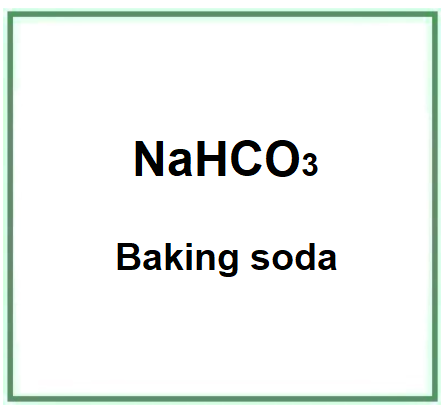
Sodium bicarbonate
Rating : 7
| Evaluation | N. Experts | Evaluation | N. Experts |
|---|---|---|---|
| 1 | 6 | ||
| 2 | 7 | ||
| 3 | 8 | ||
| 4 | 9 | ||
| 5 | 10 |
Pros:
Antibacterial (1)10 pts from A_Partyns
| Sign up to vote this object, vote his reviews and to contribute to Tiiips.Evaluate | Where is this found? |
| "Sodium bicarbonate studies" about Sodium bicarbonate Review Consensus 9 by A_Partyns (13035 pt) | 2019-May-19 11:59 |
| Read the full Tiiip | (Send your comment) |
Efficacy of a Topical Formulation of Sodium Bicarbonate in Mild to Moderate Stable Plaque Psoriasis: a Randomized, Blinded, Intrapatient, Controlled Study. Mazzarello V, Piu G, Ferrari M, Piga G. Dermatol Ther (Heidelb). 2019 May 10. doi: 10.1007/s13555-019-0302-5.
Effect of sodium bicarbonate ingestion during 6 weeks of HIIT on anaerobic performance of college students. Wang J, Qiu J, Yi L, Hou Z, Benardot D, Cao WJ Int Soc Sports Nutr. 2019 Apr 15;16(1):18. doi: 10.1186/s12970-019-0285-8.
Sodium bicarbonate for severe metabolic acidaemia. Baudic T, Pessey F, Giacardi C. Lancet. 2019 Apr 6;393(10179):1415. doi: 10.1016/S0140-6736(19)30306-X. Epub 2019 Randomized Clinical Dose-Response Study to Evaluate Plaque Removal by Three Experimental Sodium Bicarbonate Toothpastes Using a Single Brushing Model. Jose A, Parkinson CR, Manger C, Bielfeldt S, Krause C.
Sodium bicarbonate therapy for critically ill patients with metabolic acidosis: A scoping and a systematic review. Fujii T, Udy A, Licari E, Romero L, Bellomo R. J Crit Care. 2019 Feb 26;51:184-191. doi: 10.1016/j.jcrc.2019.02.027
Does Sodium Citrate Cause the Same Ergogenic Effect As Sodium Bicarbonate on Swimming Performance? Kumstát M, Hlinský T, Struhár I, Thomas A. J Hum Kinet. 2018 Dec 31;65:89-98. doi: 10.2478/hukin-2018-0022. eCollection 2018 Dec.
Sodium bicarbonate ingestion improves repeated high-intensity cycling performance in the heat. Mündel T. Temperature (Austin). 2018 Mar 13;5(4):343-347. doi: 10.1080/23328940.2018.1436393. eCollection 2018.
Use of sodium bicarbonate and blood gas monitoring in diabetic ketoacidosis: A review. Patel MP, Ahmed A, Gunapalan T, Hesselbacher SE. World J Diabetes. 2018 Nov 15;9(11):199-205. doi: 10.4239/wjd.v9.i11.199. Review.
Efficacy and Tolerability of Sodium Bicarbonate Toothpaste in Subjects with Gingivitis: A 6-Month Randomized Controlled Study. Akwagyiram I, Amini P, Bosma ML, Wang N, Gallob J. Oral Health Prev Dent. 2018;16(5):401-407. doi: 10.3290/j.ohpd.a41362.
Sodium bicarbonate: A review and its uses in dentistry. Madeswaran S, Jayachandran S. Indian J Dent Res. 2018 Sep-Oct;29(5):672-677. doi: 10.4103/ijdr.IJDR_30_17. Review.
Effect of sodium bicarbonate infusion in off-pump coronary artery bypass grafting in patients with renal dysfunction. Kanchi M, Manjunath R, Maessen J, Vincent L, Belani K. J Anaesthesiol Clin Pharmacol. 2018 Jul-Sep;34(3):301-306. doi: 10.4103/joacp.JOACP_75_18.
Buffering chronic kidney disease with sodium bicarbonate. Williams EN, Mathis KW. Clin Sci (Lond). 2018 Sep 16;132(17):1999-2001. doi: 10.1042/CS20180292. Print 2018 Sep 14.
| Sign up to vote this object, vote his reviews and to contribute to Tiiips.EvaluateClose | (0 comments) |
| "Descrizione" about Sodium bicarbonate Review Consensus 10 by A_Partyns (13035 pt) | 2025-Oct-21 18:53 |
| Read the full Tiiip | (Send your comment) |
Sodium Bicarbonate is a chemical compound, the monosodium salt of carbonic acid, and is an extremely versatile component used in numerous fields. It is also commonly referred to as Nahcolite.
The name describes the structure of the molecule:
The synthesis process takes place in different steps:
What it is for and where
It is used :
Cosmetics
Abrasive agent. It contains abrasive particles to remove stains or biofilm that accumulate on the stratum corneum or teeth. Baking soda, kieselguhr, silica and many others have abrasive properties. Peeling or exfoliating products used in dermatology or cosmetic applications contain abrasive agents in the form of synthetic microspheres, however these microspheres or abrasive particles are not biodegradable and create pollution in aquatic ecosystems.
Buffering agent. It is an iingredient that can bring an alkaline or acid solution to a certain pH level and prevent it from changing, in practice a pH stabiliser that can effectively resist instability and pH change.
Deodorant agent. When substances that give off an unpleasant odour are included in cosmetic formulations (typical examples are methyl mercaptan and hydrogen sulphide derived from garlic), deodorants attenuate or eliminate the unpleasant exhalation. It helps counteract the formation of bad odours on body surfaces.
Oral care agent. This ingredient can be placed in the oral cavity to improve and/or maintain oral hygiene and health, to prevent or improve a disorder of the teeth, gums, mucous membrane. It provides cosmetic effects to the oral cavity as a protector, cleanser, deodorant.
Skin protectant. It creates a protective barrier on the skin to defend it from harmful substances, irritants, allergens, pathogens that can cause various inflammatory conditions. These products can also improve the natural skin barrier and in most cases more than one is needed to achieve an effective result.
Medical
Sodium bicarbonate is used orally to treat metabolic acidosis in patients with chronic kidney disease. The study found that the use of oral sodium bicarbonate at the start of dialysis significantly reduced all-cause mortality in patients undergoing dialysis therapy. ( (Morooka H, Yamamoto J, Tanaka A, Inaguma D, Maruyama S. Relationship between mortality and use of sodium bicarbonate at the time of dialysis initiation: a prospective observational study. BMC Nephrol. 2021 Apr 6;22(1):118. doi: 10.1186/s12882-021-02330-0.)
Baking soda is used in over-the-counter medicines to alleviate dyspepsia, bloating, common symptoms after large meals However, in rare cases, it has been associated with acute gastric dilatation. (Han YJ, Roy S, Siau AMPL, Majid A. Binge-eating and sodium bicarbonate: a potent combination for gastric rupture in adults-two case reports and a review of literature. J Eat Disord. 2022 Nov 9;10(1):157. doi: 10.1186/s40337-022-00677-9.)
The most relevant studies on this chemical compound have been selected with a summary of their contents:
References__________________________________________________________________________
Serpa Neto A, Fujii T, El-Khawas K, Udy A, Bellomo R. Sodium bicarbonate therapy for metabolic acidosis in critically ill patients: a survey of Australian and New Zealand intensive care clinicians. Crit Care Resusc. 2020 Sep;22(3):275-280. doi: 10.1016/S1441-2772(23)00397-6.
Abstract. Objective: To help shape the design of a future double blind placebo-controlled randomised clinical trial of bicarbonate therapy for metabolic acidosis, based on opinions of intensive care clinicians in Australia and New Zealand. Design: An online survey was designed, piloted and distributed electronically to members of the Australian and New Zealand Intensive Care Society Clinical Trials Group (ANZICS CTG) mailing list. The survey sought to collect information about choice of placebo, method of bicarbonate administration, and acid-base monitoring. Main outcome measures: Responses to six questions in the following domains were sought: 1) solution to be used as placebo; 2) method of administration; 3) target of the intervention; 4) timing of arterial blood gases to monitor the intervention; 5) duration of therapy; and 6) rate of bolus therapy (if selected as the best option). Results: One in every eight ANZICS CTG members completed the survey (118/880, 13.4%). Compound sodium lactate was the preferred solution for placebo (54/118, 45.8%), and continuous infusion of bicarbonate (80/118, 67.8%) was the most frequently selected method of administration. A pH > 7.30 was the preferred target (50/118, 42.4%), while monitoring with arterial blood gas analysis every 2 hours until the target is reached and then every 4 hours was the most favoured option (40/118, 33.9%). The preferred duration of therapy was until the target is achieved (53/118, 44.9%). Conclusions: This survey offers important insights into the preferences of Australian and New Zealand clinicians in regards to any future randomised controlled trial of bicarbonate therapy for metabolic acidosis in the critically ill.
Loomba RS, Abdulkarim M, Bronicki RA, Villarreal EG, Flores S. Impact of sodium bicarbonate therapy on hemodynamic parameters in infants: a meta-analysis. J Matern Fetal Neonatal Med. 2022 Jun;35(12):2324-2330. doi: 10.1080/14767058.2020.1786051.
Abstract. Objective: Sodium bicarbonate is a frequently used electrolyte for the acute treatment of metabolic acidosis in critically ill patients. We performed a systematic review and meta-analysis to determine the effect of sodium bicarbonate on hemodynamics, gas exchange and oximetry in critically children. Methods: A systematic review of published manuscripts was conducted to identify studies of children who received sodium bicarbonate as part of the treatment for metabolic acidosis. A meta-analysis was then conducted to determine the impact of sodium bicarbonate on hemodynamics, gas exchange and oximetry. The following parameters were captured: base deficit, heart rate, mean arterial pressure, blood concentration of carbon dioxide, blood concentration of hydrogen ion, and pulse oximetry. Results: A total of six studies with 341 patients were included in the analyses. All included studies were completed in critically ill infants with a mean age of 1.1 months. The mean dose of sodium bicarbonate was 1.7 meq/kg with a mean time of 67 min prior to repeat hemodynamics being collected after sodium bicarbonate administration. Base deficit significantly improved with a decrease of 2.80 (p = .001) and the partial pressure of carbon dioxide significantly decreased by a mean of -1.65 mmHg (p = .010). There was no change in heart rate, blood pressure, pH, partial pressure of oxygen, or saturation by pulse oximetry. Conclusion: Sodium bicarbonate has a statistically significant but not clinically significant impact on partial pressure of carbon dioxide and base deficit 60 min after sodium bicarbonate administration in critically ill infants. There is no difference noted in pH, partial pressure of oxygen, or saturation by pulse oximetry.
Zeiler FA, Sader N, West M, Gillman LM. Sodium Bicarbonate for Control of ICP: A Systematic Review. J Neurosurg Anesthesiol. 2018 Jan;30(1):2-9. doi: 10.1097/ANA.0000000000000373.
Abstract. Objective: Our goal was to perform a systematic review of the literature on the use of intravenous sodium bicarbonate for intracranial pressure (ICP) reduction in patients with neurologic illness. Methods: Data sources: articles from MEDLINE, BIOSIS, EMBASE, Global Health, Scopus, Cochrane Library, the International Clinical Trials Registry Platform (inception to April 2015), reference lists of relevant articles, and gray literature were searched. Data extraction: 2 reviewers independently extracted data including population characteristics and treatment characteristics. The strength of evidence was adjudicated using both the Oxford and Grading of Recommendation Assessment Development and Education methodology. Results: Our search strategy produced a total 559 citations. Three original articles were included in the review. There were 2 prospective studies, 1 randomized control trial and 1 single arm, and 1 retrospective case report.Across all studies there were a total of 19 patients studied, with 31 episodes of elevated ICP being treated. Twenty-one of those episodes were treated with sodium bicarbonate infusion, with the remaining 10 treated with hypertonic saline in a control model. All elevated ICP episodes treated with sodium bicarbonate solution demonstrated a significant drop in ICP, without an elevation of serum partial pressure of carbon dioxide. No significant complications were described. Conclusions: There currently exists Oxford level 4, Grading of Recommendation Assessment Development and Education D evidence to support an ICP reduction effect with intravenous sodium bicarbonate in TBI. No comments on its impact in other neuropathologic states, or on patient outcomes, can be made at this time.
Grgic J, Rodriguez RF, Garofolini A, Saunders B, Bishop DJ, Schoenfeld BJ, Pedisic Z. Effects of Sodium Bicarbonate Supplementation on Muscular Strength and Endurance: A Systematic Review and Meta-analysis. Sports Med. 2020 Jul;50(7):1361-1375. doi: 10.1007/s40279-020-01275-y.
Abstract. Background: The effects of sodium bicarbonate on muscular strength and muscular endurance are commonly acknowledged as unclear due to the contrasting evidence on the topic. Objective: To conduct a systematic review and meta-analysis of studies exploring the acute effects of sodium bicarbonate supplementation on muscular strength and endurance. Methods: A search for studies was performed using five databases. Meta-analyses of standardized mean differences (SMDs) were performed using a random-effects model to determine the effects of sodium bicarbonate supplementation on muscular strength (assessed by changes in peak force [N], peak torque [N m], or maximum load lifted [kg]) and muscular endurance (assessed by changes in the number of repetitions performed, isokinetic total work, or time to maintain isometric force production). Subgroup meta-analyses were conducted for the muscular endurance of small vs. large muscle groups and muscular strength tested in a rested vs. fatigued state. A random-effects meta-regression analysis was used to explore possible trends in the effects of: (a) timing of sodium bicarbonate ingestion; and (b) acute increase in blood bicarbonate concentration (from baseline to pre-exercise), on muscular endurance and muscular strength. Results: Thirteen studies explored the effects of sodium bicarbonate on muscular endurance and 11 on muscular strength. Sodium bicarbonate supplementation was found to be ergogenic for muscular endurance (SMD = 0.37; 95% confidence interval [CI]: 0.15, 0.59; p = 0.001). The performance-enhancing effects of sodium bicarbonate were significant for both small (SMD = 0.31; 95% CI: 0.04, 0.59; p = 0.025) and large muscle groups (SMD = 0.40; 95% CI: 0.13, 0.66; p = 0.003). Sodium bicarbonate ingestion was not found to enhance muscular strength (SMD = - 0.03; 95% CI: - 0.18, 0.12; p = 0.725). No significant effects were found regardless of whether the testing was carried out in a rested (SMD = 0.02; 95% CI: - 0.09, 0.13; p = 0.694) or fatigued (SMD = - 0.16; 95% CI: - 0.59, 0.28; p = 0.483) state. No significant linear trends in the effects of timing of sodium bicarbonate ingestion or acute increase in blood bicarbonate concentrations on muscular endurance or muscular strength were found. Conclusions: Overall, sodium bicarbonate supplementation acutely improves muscular endurance of small and large muscle groups, but no significant ergogenic effect on muscular strength was found.
Calvo JL, Xu H, Mon-López D, Pareja-Galeano H, Jiménez SL. Effect of sodium bicarbonate contribution on energy metabolism during exercise: a systematic review and meta-analysis. J Int Soc Sports Nutr. 2021 Feb 5;18(1):11. doi: 10.1186/s12970-021-00410-y.
Abstract. Background: The effects of sodium bicarbonate (NaHCO3) on anaerobic and aerobic capacity are commonly acknowledged as unclear due to the contrasting evidence thus, the present study analyzes the contribution of NaHCO3 to energy metabolism during exercise. Methods: Following a search through five databases, 17 studies were found to meet the inclusion criteria. Meta-analyses of standardized mean differences (SMDs) were performed using a random-effects model to determine the effects of NaHCO3 supplementation on energy metabolism. Subgroup meta-analyses were conducted for the anaerobic-based exercise (assessed by changes in pH, bicarbonate ion [HCO3-], base excess [BE] and blood lactate [BLa]) vs. aerobic-based exercise (assessed by changes in oxygen uptake [VO2], carbon dioxide production [VCO2], partial pressure of oxygen [PO2] and partial pressure of carbon dioxide [PCO2]). Results: The meta-analysis indicated that NaHCO3 ingestion improves pH (SMD = 1.38, 95% CI: 0.97 to 1.79, P < 0.001; I2 = 69%), HCO3- (SMD = 1.63, 95% CI: 1.10 to 2.17, P < 0.001; I2 = 80%), BE (SMD = 1.67, 95% CI: 1.16 to 2.19, P < 0.001, I2 = 77%), BLa (SMD = 0.72, 95% CI: 0.34 to 1.11, P < 0.001, I2 = 68%) and PCO2 (SMD = 0.51, 95% CI: 0.13 to 0.90, P = 0.009, I2 = 0%) but there were no differences between VO2, VCO2 and PO2 compared with the placebo condition. Conclusions: This meta-analysis has found that the anaerobic metabolism system (AnMS), especially the glycolytic but not the oxidative system during exercise is affected by ingestion of NaHCO3. The ideal way is to ingest it is in a gelatin capsule in the acute mode and to use a dose of 0.3 g•kg- 1 body mass of NaHCO3 90 min before the exercise in which energy is supplied by the glycolytic system.
Aschner JL, Poland RL. Sodium bicarbonate: basically useless therapy. Pediatrics. 2008 Oct;122(4):831-5. doi: 10.1542/peds.2007-2400.
Abstract. Common clinical practices often are unsupported by experimental evidence. One example is the administration of sodium bicarbonate to neonates. Despite a long history of widespread use, objective evidence that administration of sodium bicarbonate improves outcomes for patients in cardiopulmonary arrest or with metabolic acidosis is lacking. Indeed, there is evidence that this therapy is detrimental. This review examines the history of sodium bicarbonate use in neonatology and the evidence that refutes the clinical practice of administering sodium bicarbonate during cardiopulmonary resuscitation or to treat metabolic acidosis in the NICU.
Jaber S, Paugam C, Futier E, Lefrant JY, Lasocki S, Lescot T, Pottecher J, Demoule A, Ferrandière M, Asehnoune K, Dellamonica J, Velly L, Abback PS, de Jong A, Brunot V, Belafia F, Roquilly A, Chanques G, Muller L, Constantin JM, Bertet H, Klouche K, Molinari N, Jung B; BICAR-ICU Study Group. Sodium bicarbonate therapy for patients with severe metabolic acidaemia in the intensive care unit (BICAR-ICU): a multicentre, open-label, randomised controlled, phase 3 trial. Lancet. 2018 Jul 7;392(10141):31-40. doi: 10.1016/S0140-6736(18)31080-8. Epub 2018 Jun 14. Erratum in: Lancet. 2018 Dec 8;392(10163):2440. doi: 10.1016/S0140-6736(18)33040-X.
Wardi G, Holgren S, Gupta A, Sobel J, Birch A, Pearce A, Malhotra A, Tainter C. A Review of Bicarbonate Use in Common Clinical Scenarios. J Emerg Med. 2023 Aug;65(2):e71-e80. doi: 10.1016/j.jemermed.2023.04.012. Epub 2023 Apr 21. PMID: 37442665; PMCID: PMC10530341.
Grgic J, Pedisic Z, Saunders B, Artioli GG, Schoenfeld BJ, McKenna MJ, Bishop DJ, Kreider RB, Stout JR, Kalman DS, Arent SM, VanDusseldorp TA, Lopez HL, Ziegenfuss TN, Burke LM, Antonio J, Campbell BI. International Society of Sports Nutrition position stand: sodium bicarbonate and exercise performance. J Int Soc Sports Nutr. 2021 Sep 9;18(1):61. doi: 10.1186/s12970-021-00458-w. PMID: 34503527; PMCID: PMC8427947.
| Sign up to vote this object, vote his reviews and to contribute to Tiiips.EvaluateClose | (0 comments) |
Read other Tiiips about this object in __Italiano (4)
Component type:   Chemical Main substances:   Last update:   2023-03-20 16:39:44 | Chemical Risk:   |

