Calluna vulgaris flower extract is the extract obtained by drying the leaves and flowers of the small perennial plant of the same name, Calluna vulgaris L. Hull, which belongs to the Ericaceae family and is also called common heather or Scotch heather or Ling plant.

It is one of the most widespread ornamental plants in Europe, North America, Australia and New Zealand. It can reach one metre in height and flowers from May to October with deep pink or purple flowers distributed in long clusters.
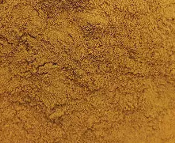
The extract appears as a fine powder with a dark yellow to brown colour.
What it is used for and where
Medical
Calluna vulgaris has long been known and used by traditional medical science for the therapeutic potential of its phenolic compounds in an interesting phytochemical profile (1):
- phenolic acids: coumarin, caffeic acid, hydroxycinnamic acid, chlorogenic acid
- fatty acids: linolenic acid, linoleic acid, arachidonic acid
- flavonoids: kaempferol, quercetin, rutin, luteolin, isoquercetin
- and in addition: tannins, glycosides, terpenoids, triterpenoids, catechins.
which gives this plant antioxidant, anti-inflammatory, antimicrobial, chemoprotective activity. and the flowers contain the highest nutritional value, so much so that it is used as an integral part of the pastoral resource in Europe. However, all these positive activities depend on a whole range of factors: season, altitude, climate. Entering the specific field of its health activity, it should be noted that scientific literature has shown that the components of this plant also have other important specific activities: against the hepatitis C virus (2), gout (3), excessive exposure to ultraviolet rays (4), urinary tract infections (5).
Cosmetics
The biophenol content and antioxidant capacity of Calluna vulgaris extract respond to the growing need to replace synthetic compounds commonly used in cosmetics to preserve products and prevent their deterioration. On the skin, it has an anti-inflammatory effect on cytokine cells (tiny proteins that act as communication agents of the immune system) by protecting the stratum corneum from UV rays and inhibiting its induced peroxidation.

Calluna vulgaris studies
References_____________________________________________________________________
(1) Allais, D. P., Simon, A., Bennini, B., Chulia, A. J., Kaouadji, M., & Christiane, D. (1991). Flavone and flavonol glycosides from Calluna vulgaris. Phytochemistry, 30(9), 3099-3101.
Monschein, M., Iglesias Neira, J., Kunert, O., & Bucar, F. (2010). Phytochemistry of heather (Calluna vulgaris (L.) Hull) and its altitudinal alteration. Phytochemistry Reviews, 9(2), 205-215.
Abstract. Calluna vulgaris (L.) Hull (heather) is the only species within the genus Calluna (Ericaceae). It is a dominant species of heather communities and can be found in most parts of Europe and Northern America from lowland up to alpine regions. Common heather is traditionally used to treat urinary tract disturbances and inflammatory related disorders. This review covers the current knowledge on phytochemical investigations of C. vulgaris which revealed a complex pattern of flavonoid glycosides including acetylated compounds as well as other classes of phenolics (chromones, procyanidins and simple phenols). Recently, an acetophenone (rodiolinozide) was identified. C. vulgaris occurs in habitats comprising several altitudinal zones which makes it an attractive species to study the variation of its metabolic profiles in wild populations growing under different climatic conditions. Within phenolic compounds, flavonols showed significant differences in samples collected at different altitudes with increased levels of quercetin glycosides at higher altitudes whereas no significant correlation could be found for caffeoyl quinic acids and the dihydroflavonol glycoside callunin. Expanding such investigations to different species and different geographical areas should give a more accurate picture of suitable marker compounds within the group of phenolics in order to detect adaptive processes in high altitude plants. Furthermore, investigations on the specific patterns of phenolics at cellular and subcellular level and their variation due to factors like enhanced solar radiation and low temperature should be expanded.
Rodrigues F, Moreira T, Pinto D, Pimentel FB, Costa ASG, Nunes MA, Gonçalves Albuquerque T, S Costaa H, Palmeira-de-Oliveira A, Oliveira AI, Sut S, Dall'Acqua S, Oliveira MBPP. The phytochemical and bioactivity profiles of wild Calluna vulgaris L. flowers. Food Res Int. 2018 Sep;111:724-731. doi: 10.1016/j.foodres.2018.06.012.
Abstract. The nutritional composition of Calluna vulgaris flowers as well as the phytochemical profile, antioxidant (DPPH and FRAP assays), antimicrobial and cytotoxic (in human immortalized non-tumorigenic keratinocyte and fibroblasts) activities of aqueous, hydroalcoholic and ethanolic extracts were evaluated. A high content of fiber and carbohydrates (75%) and the prevalence of α-tocopherol as vitamer deserves attention. Linolenic (35%), linoleic (27%) and palmitic (21%) acids were the most abundant fatty acids. Qualitative and quantitative analysis by LC-MS and 1NMR indicated high levels of quercetin, kaempferol and myricetin derivatives as well as procyanidins. The hydro-alcoholic extract displayed the highest antioxidant activity and total phenolics (TPC) and flavonoid contents (TFC). No adverse effects on cells were observed until a concentration of 100 μg/mL and a good antimicrobial activity was reported against S. epidermidis and S. aureus with the hydro-alcoholic extract. The data obtained demonstrated that wild plants like heather, although not being a common nutritional reference, can be used in an alimentary base as a source of bioactive compounds, namely antioxidants.
(2) García-Risco MR, Vázquez E, Sheldon J, Steinmann E, Riebesehl N, Fornari T, Reglero G. Supercritical fluid extraction of heather (Calluna vulgaris) and evaluation of anti-hepatitis C virus activity of the extracts. Virus Res. 2015 Feb 16;198:9-14. doi: 10.1016/j.virusres.2014.12.022.
(3) Vostinaru, O., Dinte, E., Soran, M. L., Lung, I., Opris, O., & Mogosan, C. (2018). Evaluation of the Anti-Gout Potential of Calluna vulgaris L.(Ericaceae) in Rats. Records of Natural Products, 12(5).
Abstract. The present study evaluated the anti-gout potential of an ethanolic extract from Calluna vulgaris L. Hull (ECV). A preliminary phytochemical analysis of ECV was performed by spectrophotometric and HPLCPDA-MS methods. Hypouricemic effect of ECV was tested in vivo using the oxonate-induced hyperuricemia model in rats, systolic blood pressure being also monitored in hyperuricemic animals. The anti-inflammatory and analgesic effects of ECV were investigated by the carrageenan-induced paw oedema and Randall-Selitto test in rats. The results of the phytochemical analysis of the extract obtained from C. vulgaris showed the main chemical constituents were flavonoids and chlorogenic acid. ECV showed significant and dose-dependent hypouricemic effects in oxonate-treated rats, increasing the urinary excretion of uric acid. The tested extract produced statistically significant anti-inflammatory and analgesic effects at the dose of 500 mg/kg. This study offers a new perspective regarding the anti-gout potential of C. vulgaris.
(4) Olteanu ED, Filip A, Clichici S, Daicoviciu D, Achim M, Postescu ID, Bolfa P, Bolojan L, Vlase L, Muresan A. Photochemoprotective effect of Calluna vulgaris extract on skin exposed to multiple doses of ultraviolet B in SKH-1 hairless mice. J Environ Pathol Toxicol Oncol. 2012;31(3):233-43. doi: 10.1615/jenvironpatholtoxicoloncol.v31.i3.50.
Abstract. UVB is a major cause of nonmelanoma skin cancer in humans. Photochemoprevention represents an important strategy in protecting the skin against the detrimental effects of ultraviolet B (UVB). We investigated the activity of Calluna vulgaris (Cv) delivered via a hydrogel on 3 main pathways (oxidative stress, inflammation, DNA damage) on skin exposed to multiple doses of UVB in SKH-1 mice. Fifty female mice were divided randomly into 5 groups: control, vehicle, UVB irradiated, Cv + UVB irradiated, and Cv + vehicle + UVB irradiated. The extract was applied topically on the skin in a dose of 4 mg polyphenols/cm2 30 minutes before each UVB (240 mJ/cm2) exposure over 10 consecutive days. Malondialdehyde, reduced glutathione, tumor necrosis factor-α, interleukin-6, cyclobutane pyrimidine dimer (CPD) levels, sunburn cell formation and epidermal thickness, and the number of epidermal cell layers in skin were evaluated 24 hours after the last treatment. UVB increased cytokine levels (P < 0.001), formation of CPDs (P < 0.001) and sunburn cells (P < 0.001), and the epidermal thickness and number of epidermal cell layers (P < 0.001) compared with the control group. The topical application of Cv protected the skin against inflammation and DNA damage, as shown by a decreased number of CPDs (P < 0.001) and sunburn cells (P < 0.001). The administration of Cv via hydrogel may be a viable method for chemoprevention..
(5) Vučić DM, Petković MR, Rodić-Grabovac BB, Stefanović OD, Vasić SM, Comić LR. In vitro activity of heather [Calluna vulgaris (L.) Hull] extracts on selected urinary tract pathogens. Bosn J Basic Med Sci. 2014 Nov 15;14(4):234-8. doi: 10.17305/bjbms.2014.4.40.
Abstract. Calluna vulgaris L. Hull (Ericaceae) has been used for treatment of urinary tract infections in traditional medicine. In this study we analyzed in vitro antibacterial activity of the plant extracts on different strains of Escherichia coli, Enterococcus faecalis and Proteus vulgaris, as well as the concentrations of total phenols and flavonoids in the extracts. Minimum inhibitory concentration (MIC) and minimum bactericidal concentration (MBC) were determined. The concentrations of total phenols were examined by using Folin-Ciocalteu reagent and ranged between 67.55 to 142.46 mg GAE/g. The concentrations of flavonoids in extracts were determined using spectrophotometric method with aluminum chloride and the values ranged from 42.11 to 63.68 mg RUE/g. The aqueous extract of C. vulgaris showed a significant antibacterial activity. The values of MIC were in the range from 2.5 mg/ml to 20 mg/ml for this extract. Proteus vulgaris strains were found to be the most sensitive. The results obtained suggest that all tested extracts of C. vulgaris inhibit the growth of human pathogens, especially the aqueous extract.




