



L’Ascorbato di sodio, il sale sodico dell’acido ascorbico (vitamina C), è un composto idrosolubile ampiamente utilizzato nei cosmetici, nell’alimentazione e nei prodotti farmaceutici. Conosciuto per le sue proprietà antiossidanti, protegge la pelle dallo stress ossidativo, supporta la sintesi del collagene e migliora il tono cutaneo. Nelle formulazioni agisce come stabilizzante e conservante, rendendolo un ingrediente versatile nei prodotti per la cura della pelle e anti-età.
Composizione chimica e struttura
L’Ascorbato di Sodio ha la formula chimica C6H7NaO6.
Struttura principale:
- Derivato dall’acido ascorbico mediante la neutralizzazione di uno dei suoi gruppi acidi con sodio, che ne migliora la stabilità e la solubilità in acqua.
Proprietà:
- Mantiene le proprietà antiossidanti dell’acido ascorbico.
- Presenta una minore acidità, risultando più delicato sulla pelle e sullo stomaco rispetto alla vitamina C pura.
Proprietà fisico-chimiche
- Aspetto: Polvere cristallina bianca o giallo pallido.
- Odore: Inodore.
- Solubilità: Altamente solubile in acqua.
- Stabilità: Più stabile dell’acido ascorbico in soluzioni acquose, ma sensibile al calore, alla luce e all’aria.
- pH: Neutro o leggermente alcalino in soluzioni acquose.
Processo di produzione
Neutralizzazione:
- L’acido ascorbico reagisce con carbonato di sodio o idrossido di sodio per formare l’ascorbato di sodio.
Purificazione:
- La soluzione risultante viene purificata tramite filtrazione e ricristallizzazione per eliminare le impurità.
Essiccazione e confezionamento:
- Il prodotto purificato viene essiccato e confezionato in condizioni controllate per preservarne le proprietà antiossidanti.
Applicazioni
Applicazioni mediche
Integrazione di vitamina C:
- Utilizzato in forme orali e iniettabili per prevenire e trattare carenze di vitamina C.
- Supporta la funzione immunitaria e la guarigione delle ferite.
Terapia antiossidante:
- Riduce lo stress ossidativo in condizioni croniche e favorisce la rigenerazione.
Cosmetici
Protezione antiossidante:
- Protegge la pelle dai danni dei radicali liberi causati da radiazioni UV e stress ambientale.
Sintesi del collagene:
- Favorisce la produzione di collagene, migliorando l’elasticità cutanea e riducendo la comparsa di rughe e linee sottili.
Effetto schiarente:
- Riduce la produzione di melanina, aiutando a schiarire le macchie scure e uniformare il tono della pelle.
Stabilizzante:
- Stabilizza altri ingredienti attivi nelle formulazioni, prolungando la durata del prodotto.
Applicazioni alimentari
- Agisce come conservante nei prodotti alimentari, prevenendo l’ossidazione e mantenendo la freschezza.
- Utilizzato come fonte di vitamina C negli alimenti e nelle bevande fortificate.
Applicazioni industriali
- Impiegato in formulazioni che richiedono un antiossidante stabile e idrosolubile.
- Presente in linee di prodotti naturali e biologici grazie ai suoi benefici multifunzionali.
Considerazioni ambientali e di sicurezza
Biodegradabilità:
- L’Ascorbato di Sodio è biodegradabile e non presenta rischi ambientali significativi.
Profilo di sicurezza:
- Considerato sicuro per l’uso cosmetico e farmaceutico entro le concentrazioni regolamentate.
- Non irritante e adatto a formulazioni per pelli sensibili.
Sostenibilità:
- Derivato dall’acido ascorbico naturale, con un basso impatto ambientale durante la produzione.
Studi
Alimentazione
E' un antiossidante usato per lo più in campo alimentare dove è etichettato col numero E301 nella lista degli additivi alimentari europei.
Medicina
In odontoiatria trova impiego nello sbiancamento dei denti (1) e come legante contro microinfiltrazioni (2).
Cosmetica
Agente antiossidante. Ingrediente che contrasta lo stress ossidativo e che evita danni cellulari. I radicali liberi, i processi infiammatori patologici, le specie reattive dell'azoto e le specie reattive dell'ossigeno sono responsabili del processo di invecchiamento e di molte malattie causate dall'ossidazione.
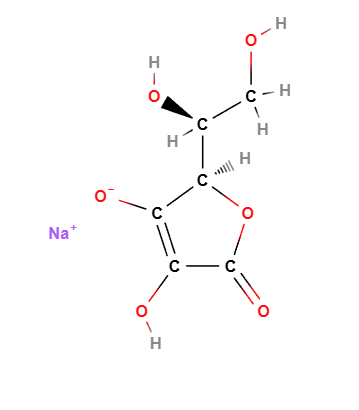 | 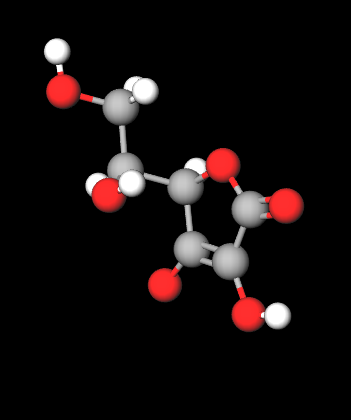 |
Formula molecolare: C6H7O6Na C6H7NaO6
Peso molecolare: 198.106 g/mol
CAS: 134-03-2 58657-35-5
EC Number: 205-126-1
UNIII: S033EH8359
Sinonimi:
- L-Ascorbic acid sodium salt
- L-Ascorbic acid, monosodium salt
- Vitamin C sodium
- E301
- Monosodium L-ascorbate
- Ascorbicin
- Ascorbic acid sodium salt
- Sodascorbate
- Ascorbin
- Cebitate
- Ascorbic acid sodium derivative
- Aminofenitrooxon
- Sodium derivative of 3-oxo-L-gulofuranolactone
- Natrii ascorbas
- sodium (2R)-2-[(1S)-1,2-dihydroxyethyl]-4-hydroxy-5-oxo-2,5-dihydrofuran-3-olate
- Sodium (R)-2-((S)-1,2-dihydroxyethyl)-4-hydroxy-5-oxo-2,5-dihydrofuran-3-olate
- sodium;(2R)-2-[(1S)-1,2-dihydroxyethyl]-4-hydroxy-5-oxo-2H-furan-3-olate

