| "Descrizione" about Ubiquinone Q10 Review Consensus 36 by daybreak88 (271 pt) | 2024-Oct-26 17:43 |
| Read the full Tiiip | (Send your comment) |
Ubiquinone Q10, also known as Coenzyme Q10, is a fat-soluble antioxidant naturally present in human cells, where it plays an essential role in cellular energy production. Over time, its concentration in the skin diminishes, making Ubiquinone Q10 an effective anti-aging ingredient. Used in cosmetic products, Ubiquinone Q10 protects the skin from oxidative damage, promotes cellular regeneration, and helps improve skin elasticity and radiance.
Chemical Composition and Structure
It is a fat-soluble compound with an isoprenoid side-chain structure, granting it antioxidant properties and stability within the skin's lipid systems. It acts by neutralizing free radicals, protecting the skin from environmental damage and premature aging. Its isoprenoid structure makes it highly compatible with cellular membranes, facilitating penetration and absorption by the skin.
Physical Properties
Ubiquinone Q10 is a yellow-orange crystalline compound, oil-soluble. It is often incorporated into formulations such as serums, anti-aging creams, lotions, and facial masks. Its lightweight, lipid-soluble texture allows for deep and rapid absorption, delivering targeted antioxidant action directly to skin cells.
Production Process
It is produced through chemical synthesis or bacterial fermentation processes that ensure purity and stability. Following production, the compound is isolated, purified, and stabilized for use in cosmetic formulations, providing an effective concentration for skin treatment.
Applications
Medical: Beyond cosmetic use, Ubiquinone Q10 is widely studied for its energy-boosting and antioxidant properties, with applications that include supplements for heart health and cellular function improvement.
Cosmetics: Ubiquinone Q10 is used in skincare products for its anti-aging, regenerative, and protective properties. It helps reduce the appearance of wrinkles, improves skin elasticity, and protects against oxidative damage. It is particularly effective in serums and creams formulated for mature skin.
Industry: In the cosmetic industry, Ubiquinone Q10 is valued for its stability and potent antioxidant properties, finding use in advanced skin care and anti-aging formulations.
Environmental and Safety Considerations
Ubiquinone Q10 is considered safe for cosmetic use. As a stable and biodegradable ingredient, it has minimal environmental impact. Bacterial fermentation production practices are sustainable, reducing reliance on chemical processes and ensuring a secure, renewable source of the compound.
Studies
Ubiquinones are lipid soluble molecules present in the lipid membranes of most eukaryotic cells and gram-negative bacteria (1).
Ubiquinone-10 (Q10), also called coenzyme Q, plays a pivotal role as electron-carrier in the mitochondrial respiratory chain, and is also well known for its powerful antioxidant properties. Recent findings suggest moreover that Q10 could have an important membrane stabilizing function (2).
Q10 is an essential component of eukaryotic cells and is involved in crucial biochemical reactions such as the production of ATP in the mitochondrial respiratory chain, the biosynthesis of pyrimidines, and the modulation of apoptosis(3).

Antioxidants and oxidative stress can participate in pathobiochemical mechanisms of autism spectrum disorders (ASDs). Based on the results of this study, high doses of CoQ10 can improve gastrointestinal problems (P = 0.004) and sleep disorders (P = 0.005) in children with ASDs with an increase in the CoQ10 of the serum. We concluded that the serum concentration of CoQ10 and oxidative stress could be used as relevant biomarkers in helping the improvement of ASDs (4).
Coronary artery disease (CAD) is one of the leading threats to global health. Previous research has proven that metabolic pathway disorders, such as high blood lipids and diabetes, are one of the risk factors that mostly cause CAD. In this study, the canonical correlation between CAD and metabolic pathways gene expressions was analyzed. The results showed that the TCA cycle, ubiquinone and other terpenoid quinone biosyntheses, N-glycan biosynthesis, other glycan degradation, glycosaminoglycan degradation, GPI anchor biosynthesis, and glycosphingolipid biosynthesis–ganglioseries are the most significant metabolic pathways correlated with CAD genes. Furthermore, these metabolic pathway genes are beneficial for the diagnosis and detection of CAD through the quantification of the expression level of patients\' serum (5).
Molecular formula: C59H90O4
Molecular Weight: 863.365
CAS: 303-98-0
Synonyms:
References________________________________________________
(1) M.D. Collins, D. Jones
Distribution of isoprenoid quinone structural types in bacteria and their taxonomic implication
Microbiol. Rev., 45 (1981), p. 316
(2) Effect of ubiquinone-10 on the stability of biomimetic membranes of relevance for the inner mitochondrial membrane.
Eriksson EK, Agmo Hernández V, Edwards K.
Biochim Biophys Acta. 2018 Feb 19;1860(5):1205-1215. doi: 10.1016/j.bbamem.2018.02.015.
(3) Coenzyme Q biosynthesis in health and disease.
Acosta MJ, Vazquez Fonseca L, Desbats MA, Cerqua C, Zordan R, Trevisson E, Salviati L
Biochim Biophys Acta. 2016 Aug; 1857(8):1079-1085.
(4) Coenzyme Q10 supplementation reduces oxidative stress and decreases antioxidant enzyme activity in children with autism spectrum disorders.
Mousavinejad E, Ghaffari MA, Riahi F, Hajmohammadi M, Tiznobeyk Z, Mousavinejad M.
Psychiatry Res. 2018 Apr 4;265:62-69. doi: 10.1016/j.psychres.2018.03.061
| Sign up to vote this object, vote his reviews and to contribute to Tiiips.EvaluateClose | (0 comments) |
| "Descrizione" about Cetylpyridinium Chloride Review Consensus 9 by daybreak88 (271 pt) | 2024-Jan-01 16:06 |
| Read the full Tiiip | (Send your comment) |
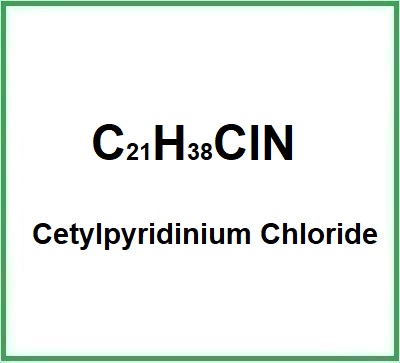
Cetylpyridinium chloride (CPC) is the chloride salt form of cetylpyridinium and a class of quaternary ammonium compounds and cationic surfactants and it is widely used in the food industry and exhibit antibacterial mechanisms.
The name describes the structure of the molecule:
Raw Materials and Their Functions
Cetylpyridinium. A cationic compound that forms the base of cetylpyridinium chloride. It works by disrupting the bacterial cell membranes, leading to their death.
Chloride. Used to form the cetylpyridinium salt, enhancing its solubility and effectiveness.
Industrial Chemical Synthesis of Cetylpyridinium Chloride
Form and Color
Cetylpyridinium Chloride is typically a solid in the form of crystalline powder. This compound is usually white or slightly yellowish.

What it is for and where
It is widely used as an antiseptic and antibacterial agent in oral hygiene products, such as mouthwashes and toothpastes. Cetylpyridinium Chloride is known for its effectiveness in reducing bacterial plaque and combating bad breath. It is also used in some throat sprays and cough lozenges for its antimicrobial properties.
Studies
Cetylpyridinium chloride (CPC) has been used for decades against a variety of pathogens (1).
For this reason, CPC and other quaternary ammonium compounds are commonly employed in the prevention of bacterial and fungal infections within healthcare settings. Yet there is little evidence demonstrating their effectiveness against respiratory viruses. Here, we evaluated CPC efficacy against the prototypical respiratory influenza virus demonstrating: direct virucidal activity against influenza, rapid activity following exposure, viral ultrastructure disruption, absence of influenza resistance following prolonged exposure, and prevention and treatment of influenza infection in a murine model (2).
Cetylpyridinium chloride is used in toothpastes or as mouthwash for oral hygiene.
The results from this double-blind clinical study demonstrate that after two weeks and four weeks of subjects' twice-daily brushing with a commercially-available regular fluoride toothpaste and rinsing with a commercially available fluoride-free and alcohol-free 0.075% cetylpyridinium chloride mouthwash, samples taken 12 h after oral hygiene had significantly greater reductions in the number of oral bacteria compared to those who only brushed twice a day with a commercially-available regular fluoride toothpaste. In addition, after four weeks of twice-daily brushing with a commercially-available regular fluoride toothpaste and rinsing with a commercially available fluoride-free and alcohol-free 0.075% cetylpyridinium chloride mouthwash, subjects' samples taken 12 h after oral hygiene had significantly greater reductions in gingivitis, dental plaque, gingival bleeding and probing depth compared to subjects who only brushed twice a day with a commercially available regular fluoride toothpaste (2).
![]() | ![]() |
Molecular Formula C21H38ClN
Molecular Weight 339.992
CAS 123-03-5
UNII 6BR7T22E2S
EC Number: 204-593-9
DSSTox Substance ID: DTXSID6041761
MDL number MFCD00149977
PubChem Substance ID 24892270
ISBN-10: MFCD00149977
Beilstein/REAXYS Number: 3578606
NACRES: NA.21
Synonyms:
References____________________________________________________________________
(1) Federal Register. 27. Vol. 59. Office of the Federal Register, National Archives and Records Administration; Feb 9, 1994. pp. 6093–4.
(2) Popkin DL, Zilka S, Dimaano M, Fujioka H, Rackley C, Salata R, Griffith A, Mukherjee PK, Ghannoum MA, Esper F. Cetylpyridinium Chloride (CPC) Exhibits Potent, Rapid Activity Against Influenza Viruses in vitro and in vivo. Pathog Immun. 2017;2(2):252-269. doi: 10.20411/pai.v2i2.200. Epub 2017 Jun 26.
(3) Haraszthy VI, Sreenivasan PK. Microbiological and clinical effects of an oral hygiene regimen.
Contemp Clin Trials Commun. 2017 Aug 18;8:85-89. doi: 10.1016/j.conctc.2017.08.010. eCollection 2017 Dec.
| Sign up to vote this object, vote his reviews and to contribute to Tiiips.EvaluateClose | (0 comments) |
| "Descrizione" about Zinc lactate Review Consensus 8 by daybreak88 (271 pt) | 2024-Oct-02 21:29 |
| Read the full Tiiip | (Send your comment) |
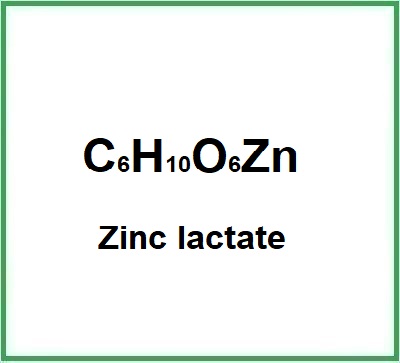
Zinc lactate is a chemical compound formed from the salt of lactic acid and zinc.
The name defines the structure of the molecule:
The synthesis process takes place in several stages.
It appears in the form of a white powder

What it is used for and where
Cosmetics
It is a restricted ingredient as III/24 a Relevant Item in the Annexes of the European Cosmetics Regulation 1223/2009. Regulated by 82/368/EEC. Maximum concentration in ready for use preparation 1% (as zinc). Risk: Water-soluble zinc salts with the exception of zinc 4- hydroxy-benzenesulphonate (entry 25) and zinc pyrithione (Annex II, entry 1670)
Food
Zinc lactate is often used as a food supplement and food additive. It serves as a source of zinc, a necessary mineral that supports various biological acts, including immune function, protein synthesis, DNA synthesis and cell division. It is also used as a flavour enhancer in some foods.
Medical
Zinc lactate is used in some medicinal products for its ability to heal wounds. It can help heal minor cuts, burns and other skin irritations.
Animal feeding
It is also used as a zinc supplement in animal feed to provide livestock with the necessary amount of this essential mineral.
Studies
Zinc is an essential trace element for all eukaryotic organisms. It is required for the catalytic activity or the structural integrity of more than 300 enzymes (1).
Zinc lactate is a salt of lactic acid, which is a major fermentative product of lactic acid bacteria. Lactates are used as food preservatives. Several mechanisms are responsible for the antimicrobial properties of lactic acid and its salts (2).
Zinc lactate has been used to reduce some respiratory tract infections.
Zinc and aluminum lactate, as well as zinc and aluminum chloride (0.1%), worked synergistically with 100 IU of nisin per ml to control the growth of L. monocytogenes Scott A.(4).
Zinc lactate is used in toothpastes as an antibacterial (5).
![]() | ![]() |
Synonyms:
References_______________________________________________________________________
(1) Berg JM, Shi Y The galvanization of biology: a growing appreciation for the roles of zinc. Science. 1996 Feb 23; 271(5252):1081-5.
Abstract. Zinc ions are key structural components of a large number of proteins. The binding of zinc stabilizes the folded conformations of domains so that they may facilitate interactions between the proteins and other macromolecules such as DNA. The modular nature of some of these zinc-containing proteins has allowed the rational design of site-specific DNA binding proteins. The ability of zinc to be bound specifically within a range of tetrahedral sites appears to be responsible for the evolution of the side range of zinc-stabilized structural domains now known to exist. The lack of redox activity for the zinc ion and its binding and exchange kinetics also may be important in the use of zinc for specific functional roles.
(2) Turovskiy Y, Chikindas ML. Zinc Lactate and Sapindin Act Synergistically with Lactocin 160 Against Gardnerella vaginalis. Probiotics Antimicrob Proteins. 2011 Jun 1;3(2):144-9. doi: 10.1007/s12602-011-9068-5
Abstract. Lactocin 160 is a vaginal probiotic-derived bacteriocin shown to selectively inhibit the growth of Gardenerella vaginalis and some other pathogens commonly associated with bacterial vaginosis. The natural origin of this peptide, its safety, and selective antimicrobial properties make it a promising candidate for successful treatment and prophylaxis of bacterial vaginosis (BV). This study evaluated interactions between lactocin 160 and four other natural antimicrobials in the ability to inhibit G. vaginalis. We report that zinc lactate and soapnut extract act synergistically with lactocin 160 against this pathogen and therefore have a potential to be successfully used as the components of the multiple-hurdle antimicrobial formulation for the treatment of BV.
(3) Suara RO, Crowe JE Jr. Effect of zinc salts on respiratory syncytial virus replication. Antimicrob Agents Chemother. 2004 Mar;48(3):783-90.
Abstract. Zinc supplementation decreases the morbidity of lower respiratory tract infection in pediatric patients in the developing world. We sought to determine if zinc mediates a specific inhibitory effect against the major cause of pediatric lower respiratory tract disease, respiratory syncytial virus (RSV). We determined the in vitro inhibitory effect of three zinc salts (zinc acetate, lactate, and sulfate) on the replication of RSV at various concentrations of 10 and 1 mM and 100 and 10 microM. The degree of inhibition of RSV replication was examined in the presence of zinc during preincubation, adsorption, or penetration and was compared with that caused by salts of other divalent cations. Complete inhibition of RSV plaque formation was observed at 1 and 10 mM, representing reductions that were >or=10(6)-fold. At the lowest concentration tested, 10 microM, we observed >or=1000-fold reductions in RSV yield when zinc was present during preincubation, adsorption, penetration, or egress of virus. The therapeutic indices, determined as ratios of 50% toxicity concentration to 50% inhibitory concentration, were 100, 150, and 120 for zinc acetate, zinc lactate, and zinc sulfate, respectively. The inhibitory effect of zinc salts on RSV was concentration dependent and was not observed with other salts containing divalent cations such as calcium, magnesium, and manganese. RSV plaque formation was prevented by pretreatment of HEp-2 cell monolayer cultures with zinc or by addition of zinc to methylcellulose overlay media after infection. The results of this study suggest that zinc mediates antiviral activity on RSV by altering the ability of the cell to support RSV replication.
(4) McEntire JC, Montville TJ, Chikindas ML. Synergy between nisin and select lactates against Listeria monocytogenes is due to the metal cations. J Food Prot. 2003 Sep;66(9):1631-6.
Abstract. Listeria monocytogenes, a major foodborne pathogen, has been responsible for many outbreaks and recalls. Organic acids and antimicrobial peptides (bacteriocins) such as nisin are produced by lactic acid bacteria and are commercially used to control pathogens in some foods. This study examined the effects of lactic acid (LA) and its salts in combination with a commercial nisin preparation on the growth of L. monocytogenes Scott A and its nisin-resistant mutant. Because of an increase in its activity at a lower pH, nisin was more active against L. monocytogenes when used in combination with LA. Most of the salts of LA, including potassium lactate, at up to 5% partially inhibited the growth of L. monocytogenes and had no synergy with nisin. Zinc and aluminum lactate, as well as zinc and aluminum chloride (0.1%), worked synergistically with 100 IU of nisin per ml to control the growth of L. monocytogenes Scott A. No synergy was observed when zinc or aluminum lactate was used with nisin against nisin-resistant L. monocytogenes. The nisin-resistant strain was more sensitive to Zn lactate than was wild-type L. monocytogenes Scott A; however, the cellular ATP levels of the nisin-resistant strain were not significantly affected. Changes in the intracellular ATP levels of the wild-type strain support our hypothesis that pretreatment with zinc lactate sensitizes cells to nisin. The similar effects of thesalts of hydrochloric and lactic acids support the hypothesis that metal cations are responsible for synergy with nisin.
(5) Ledder RG, McBain AJ. An in vitro comparison of dentifrice formulations in three distinct oral microbiotas. Arch Oral Biol. 2012 Feb;57(2):139-47. doi: 10.1016/j.archoralbio.2011.08.004. Epub 2011 Sep 7.
| Sign up to vote this object, vote his reviews and to contribute to Tiiips.EvaluateClose | (0 comments) |
Read other Tiiips in __Italiano (3)