

Olio di oliva
Media gradimento : 9
| Valutazione | N. Esperti | Valutazione | N. Esperti |
|---|---|---|---|
| 1 | 6 | ||
| 2 | 7 | ||
| 3 | 8 | ||
| 4 | 9 | ||
| 5 | 10 |
Pro:
Antiossidante (1) Neuroprotettivo (1)Contro:
Ipercalorico (1)24 pt da Flight444
| Dove si trova? |
| "Olio di oliva studi" su Olio di oliva Consenso relazione 8 di Flight444 (3257 pt) | 14-nov-2022 18:15 |
| Leggi il Tiiip completo | (Invia il tuo commento) |
Compendio degli studi più significativi con riferimento a proprietà, assunzione, effetti.
Abenavoli L, Milanović M, Milić N, Luzza F, Giuffrè AM. Olive oil antioxidants and non-alcoholic fatty liver disease. Expert Rev Gastroenterol Hepatol. 2019 Aug;13(8):739-749. doi: 10.1080/17474124.2019.1634544.
Abstract. Introduction: Non-alcoholic fatty liver disease (NAFLD) is estimated to affect 25% of adult people worldwide. Nowadays, there is no definite treatment for NAFLD. International guidelines define an approach based on lifestyle changes, included a health alimentary regimen. The Mediterranean diet (MD) represents the gold standard in preventive medicine, probably due to the harmonic combination of many elements with antioxidant and anti-inflammatory properties. Its prescription is also recommended in patients with NAFLD. Olive oil, as part of MD, is associated with benefits on human health especially regarding the cardiovascular system, obesity, diabetes and related metabolic disorders. Areas covered: An overview of the beneficial effects of olive oil in the prevention and treatment of NAFLD is given. Expert opinion: A large body of evidence emphasizes that olive oil, used as primary source of fat in MD, may play a crucial role in the health benefits of NAFLD patients. However, there are still scarce clinical data that evaluate the direct effect of olive oil in human with NAFLD.
Karimi Z, Behnammoghadam M, Rafiei H, Abdi N, Zoladl M, Talebianpoor MS, Arya A, Khastavaneh M. Impact of olive oil and honey on healing of diabetic foot: a randomized controlled trial. Clin Cosmet Investig Dermatol. 2019 May 9;12:347-354. doi: 10.2147/CCID.S198577.
Abstract. Background: This study aimed 1) to examine the impact of honey on diabetic foot; 2) to examine the effect of olive oil on diabetic foot; and 3) to compare the impact of honey and olive oil in the healing of diabetic foot. Methods: In this randomized controlled trial, 45 patients took part. Patients were randomly assigned to three groups. In the honey group, the wound was dressed using gauzes with honey daily for 1 month. In the olive oil group, the wound was dressed using gauzes with olive oil (4 mL) daily for 1 month. Patients in the control group received usual dressing. Wounds were assessed before and after intervention using the Wagner scoring system and the checklist of diabetic foot healing (where a higher score indicates better wound healing). Results: Demographic characteristics of patients in the three groups were similar. Mean scores of tissue around the wound, wound grade, wound drainage, and wound healing were similar before intervention in all three groups. After intervention, means score of tissue around the wound, wound grade, wound drainage, and wound healing were significantly higher in patients in the honey and olive oil groups compared to patients in the control group. Conclusion: The results of this study reveal that honey is as effective as olive oil in the treatment of diabetic foot. Given the few studies on this topic, further investigation is needed.
Drehmer E , Navarro-Moreno MÁ , Carrera S , Villar VM , Moreno ML . Oxygenic metabolism in nutritional obesity induced by olive oil. The influence of vitamin C. Food Funct. 2019 Jun 19;10(6):3567-3580. doi: 10.1039/c8fo02550a.
Abstract. Obesity is a medical and sociological problem of great importance due to the high percentage of people affected and the important health consequences that it involves. Most cases of obesity are related to an inadequate diet, rich in fats, which could lead to changes in the patient's oxygenic metabolism. That is why this study has been proposed to evaluate how some aspects of oxygenic metabolism are affected in a nutritional experimental model, with a controlled hyperlipidic liquid diet based on olive oil, and the effect of the antioxidant vitamin C on these conditions. Wistar rats were divided into four groups which received a control and hyperlipidic liquid diet for 30 days, with or without a vitamin C supplement (CO, COC, HO and HOC). First of all the body and fat tissue development was measured in the four groups. Our results showed that the excessive intake of nutritional and healthy fat such as olive oil did not prevent the appearance of obesity and the supplementation with vitamin C did not have a protective effect on body and fat development. The study of the antioxidant enzymes superoxide dismutase (SOD), catalase (CAT) and glutathione peroxidase (GPx) in total liver, liver cytosol, abdominal white fat, brown fat and blood cells showed that vitamin C could have different selectivities and affinities for different enzymes and compartments/tissues of the body. Finally, the effect of vitamin C on various metabolic parameters (glucose, pyruvate, lactate, LDH, ATP, acetoacetate and beta-hydroxybutyrate) provided positive protection against oxidative stress especially under hyperlipidic conditions. All things considered, the present study concludes that vitamin C treatment could protect Wistar rats from the oxidative stress impairment induced by obesity generated by an excessive intake of fats.
Pedan V, Popp M, Rohn S, Nyfeler M, Bongartz A. Characterization of Phenolic Compounds and Their Contribution to Sensory Properties of Olive Oil. Molecules. 2019 May 28;24(11):2041. doi: 10.3390/molecules24112041.
Abstract. Olive oil is not only known for its pungent, bitter, and fruity taste, but also for its health potential, which is often hypothesized to depend on its phenolic compounds. One hundred extra virgin olive oil samples (monocultivaric as well as blends of varieties) were assessed with regard to their sensory properties and phenolic compound composition. Nineteen phenolic compounds have been determined and correlated with sensory data. In all olive oil samples, oleocanthal and oleacein were the most abundant phenolic compounds, with average amounts of 77.9 mg/kg and 41.8 mg/kg, respectively. The highest correlation coefficient between a sensory descriptor and the phenolic compounds was found for the bitter taste sensation and the total phenolic content with r = 0.72 and in particular, for 3,4-DHPEA-EA, with r = 0.57. Intensity plots were assessed for the three main sensory descriptors fruitiness, bitterness, pungency, and for the quality factor harmony, which is associated with the degree of ripeness aroma of olive oil. Positive correlations for the aroma descriptors freshly cut grass, leaves, and nuts, and the phenolic compounds were especially observed for oleoside 11-methylester and vanillic acid. The present study provides a comprehensive database of phenolic compounds in olive oils from six different varieties and seven countries.
Gonzalo-Gobernado R, Ayuso MI, Sansone L, Bernal-Jiménez JJ, Ramos-Herrero VD, Sánchez-García E, Ramos TL, Abia R, Muriana FJG, Bermúdez B, Montaner J. Neuroprotective Effects of Diets Containing Olive Oil and DHA/EPA in a Mouse Model of Cerebral Ischemia. Nutrients. 2019 May 18;11(5):1109. doi: 10.3390/nu11051109.
Abstract. Stroke is one of the leading causes of death worldwide and while there is increasing evidence that a Mediterranean diet might decrease the risk of a stroke, the effects of dietary fat composition on stroke outcomes have not been fully explored. We hypothesize that the brain damage provoked by a stroke would be different depending on the source of dietary fat. To test this, male C57BL/6J mice were fed for 4 weeks with a standard low-fat diet (LFD), a high-fat diet (HFD) rich in saturated fatty acids (HFD-SFA), an HFD containing monounsaturated fatty acids (MUFAs) from olive oil (HFD-OO), or an HFD containing MUFAs from olive oil plus polyunsaturated fatty acids (PUFAs) docosahexaenoic acid/eicosapentaenoic acid (DHA/EPA) (HFD-OO-ω3). These mice were then subjected to transient middle cerebral artery occlusion (tMCAo). Behavioural tests and histological analyses were performed 24 and/or 48 h after tMCAo in order to elucidate the impact of these diets with different fatty acid profiles on the ischemic lesion and on neurological functions. Mice fed with HFD-OO-ω3 displayed better histological outcomes after cerebral ischemia than mice that received an HFD-SFA or LFD. Furthermore, PUFA- and MUFA-enriched diets improved the motor function and neurological performance of ischemic mice relative to those fed with an LFD or HFD-SFA. These findings support the use of DHA/EPA-omega-3-fatty acid supplementation and olive oil as dietary source of MUFAs in order to reduce the damage and protect the brain when a stroke occurs.
| Chiudi | (0 commenti) |
| "Descrizione" su Olio di oliva Consenso relazione 24 di Flight444 (3257 pt) | 16-dic-2025 18:07 |
| Leggi il Tiiip completo | (Invia il tuo commento) |
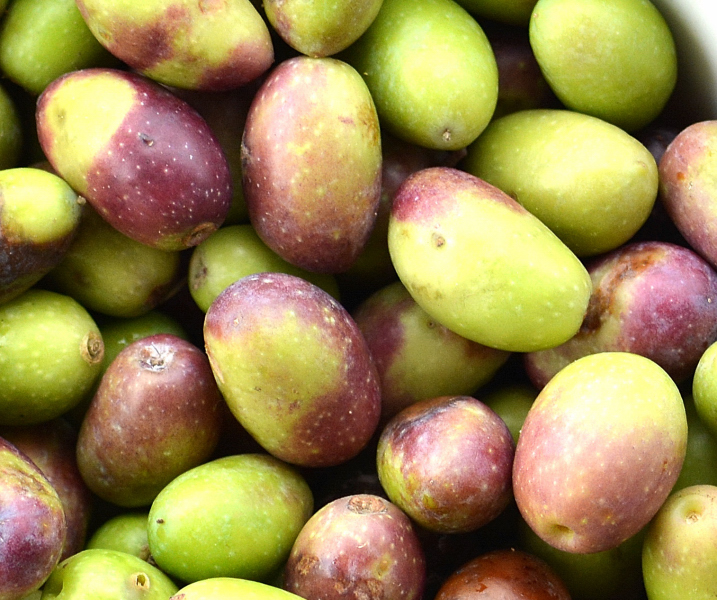
L’olio d’oliva è un grasso alimentare di origine vegetale ottenuto esclusivamente dalla spremitura delle olive, frutti della pianta Olea europaea. Rappresenta uno degli alimenti cardine della dieta mediterranea, apprezzato sia per le proprietà nutrizionali sia per il valore gastronomico. La qualità dell’olio dipende da numerosi fattori, tra cui varietà cultivar, grado di maturazione delle olive, condizioni pedoclimatiche e tecniche di estrazione.
![]() | ![]() |
La produzione avviene tramite processi meccanici, che consentono di separare la frazione lipidica dalla polpa senza ricorrere a solventi chimici. In base ai parametri chimici e sensoriali, l’olio d’oliva viene classificato in diverse categorie, tra cui olio extra vergine di oliva, olio vergine e olio d’oliva raffinato. L’olio extra vergine si distingue per acidità libera molto bassa e profilo aromatico integro.
Dal punto di vista nutrizionale, l’olio d’oliva è costituito prevalentemente da acidi grassi monoinsaturi, in particolare acido oleico, associati a effetti favorevoli sul profilo lipidico. Contiene inoltre composti fenolici, tocoferoli (vitamina E) e altri componenti minori che contribuiscono alla stabilità ossidativa e all’attività antiossidante. L’uso regolare, in quantità adeguate, è coerente con un’alimentazione equilibrata e orientata alla qualità dei grassi.
| Livello | Classificazione |
|---|---|
| Origine | Vegetale |
| Specie | Olea europaea |
| Famiglia botanica | Oleaceae |
| Categoria | Olio vegetale |
| Materia prima | Olive |
| Aspetto | Descrizione |
|---|---|
| Materia prima | Olive fresche |
| Metodo di estrazione | Spremitura meccanica |
| Colore | Variabile dal verde al giallo |
| Aroma | Fruttato |
| Stabilità | Elevata, se correttamente conservato |
| Allergeni | Assenti |
| Componente | Valore medio |
|---|---|
| Energia | 884 kcal |
| Grassi | 100 g |
| di cui saturi | 14,0 g |
| di cui monoinsaturi | 73,0 g |
| di cui polinsaturi | 11,0 g |
| Carboidrati | 0 g |
| Proteine | 0 g |
| Vitamina E | 12 mg |
| Vitamina K | 60 µg |
Valori medi indicativi riferiti a olio d’oliva. Possono variare in funzione della cultivar e del grado di raffinazione.
L’olio d’oliva apporta acido oleico, che contribuisce al mantenimento di livelli normali di colesterolo nel sangue in sostituzione dei grassi saturi. I polifenoli dell’olio d’oliva svolgono un ruolo antiossidante, contribuendo alla protezione dei lipidi ematici dallo stress ossidativo. La vitamina E supporta la protezione delle cellule dai danni ossidativi. L’impiego a crudo consente di preservare al meglio i composti bioattivi, valorizzando sia l’aspetto nutrizionale sia quello sensoriale.
Processo di produzione industriale
La produzione di olio di oliva, inclusi l'olio extravergine, vergine e raffinato, comporta una serie di processi per estrarre l'olio dalle olive. La qualità e il tipo di olio di oliva dipendono da vari fattori, come il metodo di estrazione, il tipo di olive utilizzate e il grado di lavorazione.
Considerazioni
L'olio d'oliva è apprezzato per la sua versatilità e per i benefici per la salute cardiovascolare, grazie al suo alto contenuto di grassi monoinsaturi che possono aiutare a ridurre il colesterolo cattivo (LDL) e aumentare quello buono (HDL).
Uso in cucina Ideale per la cottura a media e alta temperatura, come soffritti e fritti, poiché ha un punto di fumo più alto rispetto all'olio extra vergine di oliva. È anche ottimo per condire insalate e preparare salse.
Salute Contribuisce alla salute del cuore, supporta la gestione dei livelli di colesterolo e possiede proprietà anti-infiammatorie.
Conservazione Deve essere conservato in un contenitore ermetico in un luogo fresco e asciutto, lontano dalla luce e dal calore per preservare la sua qualità.
Si ricavano sostanzialmente due tipi di olio commestibile :
Studi
Le proprietà dell'olio di oliva, unite a quelle della "Dieta mediterranea", portano ad una riduzione del colesterolo dannoso LDL e alla diminuzione dei rischi di degenerazioni del sistema cardiovascolare, sia che venga usato olio di oliva crudo, sia che venga usato olio di oliva per friggere (1). A questo proposito è bene ricordare che, ad alta temperatura, qualsiasi olio commestibile tende a degradarsi ed a creare condizioni sfavorevoli per la nostra salute. La controindicazione e magari non solo l'unica, ma quella sicuramente più importante da tenere presente in una dieta mediterranea, è l'elevato potere calorico dell'olio di oliva che oscilla tra le 800 e le 900 Kcalorie ogni 100 ml di prodotto, per cui il consiglio è quello di assumerlo tutti i giorni, ma in quantità non eccessive : 1 cucchiaio dovrebbe essere sufficiente a fornire all'organismo una protezione. Sicuramente meglio crudo o quantomeno non fritto ad alta temperatura.
Medicina
Altra importante proprietà dell'olio di oliva è il potere antiossidante di due suoi componenti : Hydroxytyrosyl acetate (HTY-Ac) e Hydroxytyrosol (HTY). E' stata riconosciuta un'attività anticancerogena anche in tumori accertati (2).
I polifenoli presenti in questo olio hanno non solo un'attività antiossidante, ma anti-infiammatoria e anti-microbica per il corpo umano (3)
Cosmetica
In formulazioni cosmetiche per la cura del corpo il termine "Olea europaea oil unsaponifiables" indica una parte dell'olio di oliva non saponificabile che viene inserita come agente emolliente. Le caratteristiche antinfiammatorie ed antiossidanti dell'oliva rendono questo composto particolarmente efficace, per la presenza delle vitamine K ed E, per contrastare la secchezza della pelle e per contribuire alla distensione dello stato corneo creando un effetto anti-invecchiamento . E' utile anche nei prodotti solari per proteggere la pelle dalle radiazioni UV in quanto i carotenoidi contenuti nell'olio hanno la capacità di creare uno schermo protettivo.
Per approfondimenti:
Bibliografia_____________________________________________________________________
(1) Farnetti S, Malandrino N, Luciani D, Gasbarrini G, Capristo E. Food fried in extra-virgin olive oil improves postprandial insulin response in obese, insulin-resistant women. J Med Food. 2011 Mar;14(3):316-21. doi: 10.1089/jmf.2009.0264.
Abstract. The benefits of low glycemic load (GL) diets on clinical outcome in several metabolic and cardiovascular diseases have extensively been demonstrated. The GL of a meal can be affected by modulating the bioavailability of carbohydrates or by changing food preparation. We investigated the effect on plasma glucose and insulin response in lean and obese women of adding raw or fried extra-virgin olive oil to a carbohydrate-containing meal. After an overnight fast, 12 obese insulin-resistant women (body mass index [BMI], 32.8 ± 2.2 kg/m(2)) and five lean subjects (BMI, 22.2 ± 1.2 kg/m(2)) were randomly assigned to receive two different meals (designated A and B). Meal A was composed of 60 g of pasta made from wheat flour and 150 g of grilled courgettes with 25 g of uncooked oil. Meal B included 15 g of oil in the 150 g of deep-fried courgettes and 10 g of oil in the 60 g of stir-fried pasta. Both meals included 150 g of apple. Blood samples were collected at baseline and every 30 minutes over a 3-hour post-meal period and were tested for levels of glucose, insulin, C-peptide, and triglycerides. The area under the curve (AUC) values were calculated. In obese women the AUCs for C-peptide were significantly higher after meal A than after meal B at 120 minutes (W [Wilcoxon sign rank test] = 27.5, P = .0020), 150 minutes (W = 26.5, P = .0039), and 180 minutes (W = 26.5, P = .0039). No differences were found in lean subjects. This study demonstrated that in obese, insulin-resistant women, food fried in extra-virgin olive oil significantly reduced both insulin and C-peptide responses after a meal.
Damasceno NR, Pérez-Heras A, Serra M, Cofán M, Sala-Vila A, Salas-Salvadó J, Ros E. Crossover study of diets enriched with virgin olive oil, walnuts or almonds. Effects on lipids and other cardiovascular risk markers. Nutr Metab Cardiovasc Dis. 2011 Jun;21 Suppl 1:S14-20. doi: 10.1016/j.numecd.2010.12.006.
(2) Mateos R, Pereira-Caro G, Bacon JR, Bongaerts R, Sarriá B, Bravo L, Kroon PA. Anticancer activity of olive oil hydroxytyrosyl acetate in human adenocarcinoma Caco-2 cells. J Agric Food Chem. 2013 Apr 3;61(13):3264-9. doi: 10.1021/jf305158q.
Abstract. The anticancer activity of hydroxytyrosyl acetate (HTy-Ac) has been studied in human colon adenocarcinoma cells. Gene expression of proteins involved in cell cycle (p21, p53, cyclin B1, and cyclin G2) and programmed cell death (BNIP3, BNIP3L, PDCD4, and ATF3), as well as phase I and phase II detoxifying enzymes CYPA1 and UGT1A10, were evaluated by reverse transcription polymerase chain reaction after 24 h of exposure of Caco-2/TC7 cells to 5, 10, and 50 μM of HTy-Ac. The results show that HTy-Ac inhibited cell proliferation and arrested cell cycle by enhancing p21 and CCNG2 and lowering CCNB1 protein expression. HTy-Ac also affected the transcription of genes involved in apoptosis up-regulating of BNIP3, BNIP3L, PDCD4, and ATF3 and activating caspase-3. In addition, HTy-Ac also up-regulated xenobiotic metabolizing enzymes CYP1A1 and UGT1A10, thus enhancing carcinogen detoxification. In conclusion, these results highlight that HTy-Ac has the potential to modulate biomarkers involved in colon cancer.
(3) Martín-Peláez S, Covas MI, Fitó M, Kušar A, Pravst I. Health effects of olive oil polyphenols: recent advances and possibilities for the use of health claims. Mol Nutr Food Res. 2013 May;57(5):760-71. doi: 10.1002/mnfr.201200421.
| Chiudi | (0 commenti) |
Leggi altri Tiiips su questo oggetto in Inglese (2)
Principali sostanze contenute:   Ultimo aggiornamento:   2024-04-13 16:04:05 | Kcal/100g:   884 Famiglia:   Fattori di minaccia:  
|

