

Corn fiber (Zea mays – family Poaceae)
Description
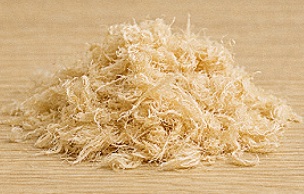
Corn fiber is a plant-derived dietary fiber obtained from the processing of maize kernels (Zea mays). It is primarily produced as a by-product of wet milling or starch production, where the fibrous fractions of the corn endosperm and pericarp are separated and purified. Corn fiber is characterized by a high content of non-digestible carbohydrates, mainly insoluble fibers, with a smaller soluble fraction depending on the degree of processing.
From a technological perspective, corn fiber is valued for its neutral taste, good water-binding capacity, and compatibility with a wide range of food matrices. It is commonly used to improve texture, increase fiber content, and support nutritional claims related to digestive health. Corn fiber is stable under standard food processing conditions and can be incorporated into baked goods, cereals, snacks, and functional foods. Its nutritional relevance is linked to its contribution to total dietary fiber intake rather than to energy or micronutrient supply.
Botanical classification (APG IV)
| Rank | Classification |
|---|
| Kingdom | Plantae |
| Clade | Angiosperms |
| Clade | Monocots |
| Order | Poales |
| Family | Poaceae |
| Genus | Zea |
| Species | Zea mays L. |
Plant and raw material characteristics
| Aspect | Description |
|---|
| Plant type | Annual cereal crop |
| Average height | 1.5–3.0 m |
| Stem | Erect, solid, segmented |
| Leaves | Long, lanceolate, parallel venation |
| Used part | Kernel fractions (pericarp/endosperm residues) |
| Harvest stage | Physiological maturity |
| Raw material | Purified fibrous fractions from maize processing |
| Main structural components | Cellulose, hemicellulose, residual lignin |
Indicative average nutritional values per 100 g
| Component | Average value |
|---|
| Energy | 200 kcal |
| Water | 6.0 g |
| Protein | 3.5 g |
| Carbohydrates | 85.0 g |
| of which sugars | 1.0 g |
| Dietary fiber | 70.0 g |
| Fat | 1.5 g |
| Calcium | 20 mg |
| Iron | 1.8 mg |
| Magnesium | 90 mg |
| Potassium | 300 mg |
Average values referring to food-grade corn fiber. Values may vary depending on processing method and fiber concentration.
Note on nutritional use of the bioactive compounds present
Corn fiber consists mainly of non-digestible polysaccharides, including cellulose and hemicelluloses, which contribute to increased fecal bulk and normal intestinal function. The fiber fraction may also contain minor amounts of phenolic compounds bound to the cell wall matrix, such as ferulic acid, which exhibit antioxidant activity. Corn fiber is used nutritionally to support adequate fiber intake and digestive regularity, with limited impact on glycemic response due to its low digestibility.