

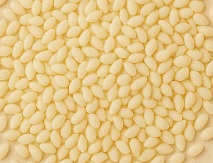
Hulled sesame seed
Rating : 7
| Evaluation | N. Experts | Evaluation | N. Experts |
|---|---|---|---|
| 1 | 6 | ||
| 2 | 7 | ||
| 3 | 8 | ||
| 4 | 9 | ||
| 5 | 10 |
Pros:
Anti-cholesterolemic (1) Antioxidant (1)Cons:
Allergen (1)0 pts from Al222
| Sign up to vote this object, vote his reviews and to contribute to Tiiips.Evaluate | Where is this found? |
| "Descrizione" about Hulled sesame seed by Al222 (23420 pt) | 2025-Dec-10 17:50 |
| Read the full Tiiip | (Send your comment) |
Hulled sesame seed, Sesamum indicum (Pedaliaceae)
Hulled sesame seed, obtained by removing the outer seed coat of Sesamum indicum, represent a lighter, more delicate and more digestible variant compared with whole sesame seeds. Belonging to the family Pedaliaceae, they are a valuable source of unsaturated lipids, dietary fibre, plant proteins, and bioactive compounds such as lignans and tocopherols. The hulling process partially modifies the nutritional profile, reducing fibre content while increasing palatability and improving digestibility.
![]() | ![]() |
Morphologically, hulled sesame seeds appear as small, oval achenes of cream-white colour, with a smooth surface and a softer texture than whole seeds. Removing the external hull results in a milder, sweet, slightly nutty flavour, making this variety particularly suitable for both sweet and savoury preparations.
Compositionally, hulled sesame seeds contain:
– unsaturated fatty acids, primarily oleic and linoleic acid;
– moderate levels of plant proteins;
– a reduced amount of dietary fibre due to the removal of the seed coat;
– lignans, such as sesamin and sesamolin, known for their antioxidant potential;
– tocopherols and tocotrienols, which support lipid stability and oxidative protection;
– minerals including calcium, magnesium, iron, and phosphorus, though some may be moderately lower than in whole sesame seeds.
Nutritionally, hulled sesame seeds are an energy-dense and nutrient-rich food thanks to their high content of healthy lipids and micronutrients. Their unsaturated fatty acid profile supports potential benefits for cardiovascular health, while lignans contribute to oxidative stress modulation. The increased digestibility compared with whole seeds makes them easier to include in moderate quantities within balanced diets.
| Category | Data |
|---|---|
| Common name | hulled sesame seeds; white sesame seeds |
| Botanical name | Sesamum indicatum L. |
| Kingdom | Plantae |
| Clade | Angiosperms → eudicots |
| Order | Lamiales |
| Family | Pedaliaceae |
| Genus | Sesamum |
| Species | Sesamum indicatum L. |
Values refer to sesame seeds with the outer hull removed; hulling changes the mineral and fiber composition, especially calcium.
| Component | Approximate value per 100 g |
|---|---|
| Energy | ~ 565–575 kcal |
| Water | ~ 3–5 g |
| Total carbohydrates | ~ 26–27 g |
| — of which sugars | ~ 0.3–0.5 g |
| Dietary fiber | ~ 6–8 g (lower than whole sesame seeds) |
| Protein | ~ 17–18 g |
| Total lipids | ~ 48–50 g |
| — saturated fatty acids (SFA) | ~ 6–7 g |
| — monounsaturated fatty acids (MUFA) | ~ 18–19 g |
| — polyunsaturated fatty acids (PUFA) | ~ 20–22 g |
| Sodium | ~ 10–15 mg |
| Main minerals | calcium (significantly reduced vs. unhulled seeds: ≈ 60–70 mg), magnesium (≈ 330 mg), phosphorus (≈ 600 mg), iron (≈ 6–8 mg), zinc |
| Relevant vitamins | B-vitamins, vitamin E, lignans (sesamin, sesamolin) |
Hulling removes the outer bran layer, which contains most of the calcium; therefore hulled seeds have much lower calcium content than unhulled seeds.
Lipid, protein, and fatty acid profiles (SFA, MUFA, PUFA) remain largely unchanged.
Good source of plant protein, minerals, and lignans, the characteristic antioxidant compounds of sesame.
Milder flavour and lighter colour than whole seeds; ideal for bakery products and smooth pastes such as light tahini.
Production process
Sesame seeds are first harvested and threshed to separate the seeds from the capsules. They undergo mechanical cleaning (aspiration, sieving and, if needed, optical sorting) to remove dust and foreign particles. For hulling, the seeds are conditioned with water and subjected to mechanical processes that remove the outer seed coat, followed by washing to eliminate hull fragments. The hulled seeds are then dried to a moisture content suitable for safe storage, cooled and finally packed in food-grade bags or barrier packaging.
Physical properties
Hulled sesame seeds are small, oval–pointed seeds with a smooth surface and a colour ranging from creamy white to ivory, generally uniform. Their moisture content is typically low, which supports good shelf-life if properly stored. The high oil content results in considerable energy density and makes the seeds sensitive to oxidation if exposed to heat, light or air for prolonged periods.
Sensory and technological properties
From a sensory standpoint, hulled sesame seeds have a mild, nutty flavour and are generally less bitter than whole sesame, especially when lightly toasted. Controlled toasting enhances aroma and roasted notes.
From a technological perspective, hulled sesame seeds:
Provide unsaturated fats and plant proteins, contributing to structure, succulence and palatability in baked goods and snacks.
Improve surface texture and visual appeal when used as a topping.
In ground form or as sesame paste (e.g. tahini), confer creaminess and controlled richness to sauces, spreads and fillings.
Can influence dough rheology, supporting structure and reducing moisture loss, especially when combined with high-protein or high-fibre flours.
Food applications
Hulled sesame seeds are widely used in:
Bakery products: breads, crackers, breadsticks, flatbreads and focaccia, often replacing or complementing other seeds (sunflower, flax, pumpkin).
Confectionery and snacks: cereal bars, sesame brittle, biscuits, savoury snacks and seed mixes.
Ethnic and traditional cuisines: finishing salads, rice dishes, noodles and vegetables; as a base for tahini and tahini-based preparations.
Plant-based products: burger mixes, patties and fillings, where sesame seeds or pastes help bind ingredients and improve mouthfeel.
Fortified foods: seed and flour mixes with added unsaturated fats, proteins and minerals (e.g. calcium, iron).
Nutrition and health
Hulled sesame seeds are rich in lipids (mainly unsaturated fats), with relevant levels of monounsaturated and polyunsaturated fatty acids, as well as plant proteins, fibre, minerals (notably calcium, iron, magnesium, zinc) and B-group vitamins.
Key nutritional aspects:
High energy density (typically around 550–600 kcal/100 g, depending on origin and oil content).
Supply of phytosterols and lignans (e.g. sesamin, sesamolin), which are studied for potential antioxidant and bioactive roles.
Meaningful calcium content, particularly in certain hulled products where mineral fractions are well preserved.
Contribution to satiety and glycaemic response modulation when consumed as part of fibre- and complex-carbohydrate-rich meals.
Because of their high fat content, overall intake should be considered within the person’s total energy balance and dietary pattern.
Serving note
For everyday use, a typical portion is in the range of 5–15 g of hulled sesame seeds per day (for example sprinkled on bread, salads or incorporated into spreads), adjusted according to total fat intake, energy requirements and any medical recommendations.
Allergens and intolerances
Sesame is a major food allergen in many jurisdictions (EU, UK, USA and others). Sesame allergy can trigger reactions from mild (e.g. urticaria, pruritus) to severe, including risk of anaphylaxis in sensitised individuals.
Key points:
Hulled sesame seeds are not suitable for people with sesame allergy.
Foods that contain sesame must declare it clearly in the ingredient list, often with typographical emphasis.
Sesame is naturally gluten-free, but can become contaminated with gluten-containing cereals if the supply chain is not dedicated.
Due to their high fat content and potential use in large quantities, people with specific gastrointestinal conditions or on certain treatments should seek medical advice regarding intake.
Storage and shelf-life
Because of their high oil content, hulled sesame seeds are susceptible to oxidation and rancidity, especially if ground or stored under poor conditions.
General recommendations:
Store in a cool, dry place, protected from direct light and heat sources.
Use closed containers or barrier packaging to limit contact with oxygen and moisture.
Under appropriate storage conditions, the shelf-life of whole hulled seeds is generally 12–24 months.
Ground seeds or sesame–flour blends have a shorter shelf-life and may benefit from refrigerated storage.
Any bitter or rancid odour or flavour indicates degradation and the product should not be used.
Safety and regulatory
Hulled sesame seeds are considered a traditional food and are not typically classified as novel food. They must nevertheless comply with:
Limits on contaminants (mycotoxins, heavy metals, pesticide residues).
Applicable microbiological criteria for seeds intended for food use.
Strict obligations for allergen declaration, particularly for sesame.
Requirements for nutrition claims (e.g. “high in calcium”, “high in protein”, “high in unsaturated fat”) where used.
Along the supply chain, operators are expected to implement Good Manufacturing Practice (GMP) and Hazard Analysis and Critical Control Points (HACCP) systems to ensure safety, traceability and consistent quality.
Labelling
On labels, the ingredient may appear as “hulled sesame seeds”, “hulled sesame” or similar wording, sometimes specifying the form (whole, ground, toasted).
Key labelling aspects:
Clear indication of SESAME in the ingredient list, with appropriate emphasis as required by law.
Use of “gluten-free” claims only if the entire supply chain ensures gluten levels below the regulatory threshold (typically <20 ppm).
Inclusion of sesame in the name of the food when it is a characterising ingredient (e.g. “sesame bread”, “sesame crackers”).
Clear storage instructions and, where relevant, indication of the timeframe after opening.
Troubleshooting
Overly crumbly baked goods: high levels of whole seeds can weaken dough structure; reduce sesame proportion or combine with more structuring flours/proteins.
Bitter or stale flavour: usually a sign of oxidised fats; check expiry date, storage conditions and prioritise fresher batches.
Oil separation in sesame pastes or spreads: a natural effect due to oil density; manage by stirring before use or reformulating (stabilisers, more stable emulsions).
Irregular surface colour on baked products: uneven seed distribution or non-uniform baking; brushing with water/egg and more uniform seed application can improve appearance.
Proper recipe and process optimisation makes it possible to fully exploit the sensory and technological advantages of hulled sesame seeds.
Main INCI functions (cosmetics)
Hulled sesame seeds are the source of cosmetic ingredients such as Sesamum Indicum (Sesame) Seed Oil, Sesamum Indicum Seed Extract and derivatives.
Main INCI-related functions include:
Emollient: sesame seed oil softens the skin and improves slip in creams and lotions.
Skin conditioning: oils and extracts contribute to improved skin appearance and feel.
Hair conditioning: oil can enhance shine and combing properties of hair.
Antioxidant: tocopherols and lignans can help protect the formula and, to some extent, the skin against oxidative processes.
Occlusive / film forming: formation of a light lipid film on skin and hair, helping to reduce transepidermal water loss.
Actual functions depend on the type of extract, refining level and use level in the formulation.
Conclusion
Hulled sesame seeds are a high-energy, functionally versatile ingredient with a valuable profile of unsaturated fats, proteins, fibre and minerals, making them attractive in baked goods, snacks and plant-based formulations. Hulling provides a seed with a more delicate flavour and pleasant texture, especially suitable as a topping or internal inclusion.
From a safety perspective, the key issue is the strong allergenic potential of sesame, which demands careful supply-chain management and clear labelling. In cosmetics, ingredients derived from hulled sesame seeds (in particular the oil) fit well into formulations that highlight plant-derived materials, offering emollient, conditioning and antioxidant properties.
Mini-glossary
Hulling / decortication: mechanical removal of the seed’s outer hull, affecting colour, texture and partly composition.
Lignans: phenolic compounds found in sesame and other oilseeds, studied for potential antioxidant and bioactive effects.
Phytosterols: plant sterols that can help modulate blood lipid profile when consumed as part of an appropriate diet.
Lipid oxidation: degradation of fats in the presence of oxygen, often accelerated by light and heat, leading to rancid off-flavours.
Major allergen: ingredient whose strong allergenic potential is recognised in legislation, with mandatory highlighted declaration.
GMP (Good Manufacturing Practice): set of organisational and procedural rules ensuring products are manufactured consistently to defined quality and safety standards.
HACCP (Hazard Analysis and Critical Control Points): food-safety management system based on risk analysis and control of critical points in the production process.
20 ppm: commonly adopted threshold for classifying a food as “gluten-free”, corresponding to 20 parts per million of gluten in the finished product.
Studies
In this study sesame oil shows anti-inflammatory and antioxidant effects with promising results in lowering high levels of cholesterol and inflammation, reducing the risk of atherosclerosis and delaying the onset of cardiovascular disease (1).
Allergies to this type of seed have increased in the last 10 years, especially in Canada, Israel and Japan.
Sesame studies
References_____________________________________________________________________
(1) Hsu E, Parthasarathy S. Cureus. Anti-inflammatory and Antioxidant Effects of Sesame Oil on Atherosclerosis: A Descriptive Literature Review. 2017 Jul 6;9(7):e1438. doi: 10.7759/cureus.1438. Review.
Abstract. Sesame oil (SO) is a supplement that has been known to have anti-inflammatory and antioxidant properties, which makes it effective for reducing atherosclerosis and the risk of cardiovascular disease. Due to the side effects of statins, the current recommended treatment for atherosclerosis and cardiovascular diseases, the idea of using dietary and nutritional supplementation has been explored. The benefits of a dietary health regime have piqued curiosity because many different cultures have reaped health benefits through the ingredients in their cooking with negligible side effects. The purpose of this literary review is to provide a broad overview of the potential benefits and risks of SO on the development of atherosclerosis and its direction toward human clinical use. Current in vivo and in vitro research has shed light on the effects of SO and its research has shown that SO can decrease low-density lipoprotein (LDL) levels while maintaining high-density lipoprotein (HDL) levels. Current limitations in recent studies include no standardized doses of SO given to subjects and unknown specific mechanisms of the different components of SO. Future studies should explore possible synergistic and adverse effects of SO when combined with current recommended pharmaceutical therapies and other adjunct treatments.
Wei P, Zhao F, Wang Z, Wang Q, Chai X, Hou G, Meng Q. Sesame (Sesamum indicum L.): A Comprehensive Review of Nutritional Value, Phytochemical Composition, Health Benefits, Development of Food, and Industrial Applications. Nutrients. 2022 Sep 30;14(19):4079. doi: 10.3390/nu14194079.
Abstract. Sesame (Sesamum indicum L.), of the Pedaliaceae family, is one of the first oil crops used in humans. It is widely grown and has a mellow flavor and high nutritional value, making it very popular in the diet. Sesame seeds are rich in protein and lipids and have many health benefits. A number of in vitro and in vivo studies and clinical trials have found sesame seeds to be rich in lignan-like active ingredients. They have antioxidant, cholesterol reduction, blood lipid regulation, liver and kidney protection, cardiovascular system protection, anti-inflammatory, anti-tumor, and other effects, which have great benefits to human health. In addition, the aqueous extract of sesame has been shown to be safe for animals. As an important medicinal and edible homologous food, sesame is used in various aspects of daily life such as food, feed, and cosmetics. The health food applications of sesame are increasing. This paper reviews the progress of research on the nutritional value, chemical composition, pharmacological effects, and processing uses of sesame to support the further development of more functionalities of sesame.
Villa C, Costa J, Mafra I. Sesame as a source of food allergens: clinical relevance, molecular characterization, cross-reactivity, stability toward processing and detection strategies. Crit Rev Food Sci Nutr. 2024;64(14):4746-4762. doi: 10.1080/10408398.2022.2145263.
Abstract. Sesame is an allergenic food with an increasing allergy prevalence among the European/USA population. Sesame allergy is generally life-persisting, being the cause of severe/systemic adverse immune responses in sesame-allergic individuals. Herein, clinical data about sesame allergy, including prevalence, diagnosis, relevance, and treatments are described, with focus on the molecular characterization of sesame allergens, their cross-reactivity and co-sensitization phenomena. The influence of food processing and digestibility on the stability/immunoreactivity of sesame allergens is critically discussed and the analytical approaches available for their detection in foodstuffs. Cross-reactivity between sesame and tree nuts or peanuts is frequent because of the high similarities among proteins of the same family. However, cross-reactivity phenomena are not always correlated with true clinical allergy in sensitized patients. Data suggest that sesame allergens are resistant to heat treatments and digestibility, with little effect on their immunoreactivity. Nevertheless, data are scarce, evidencing the need for more research to understand the effect of food processing on sesame allergenicity modulation. The demands for identifying trace amounts of sesame in foods have prompted the development of analytical methods, which have targeted both protein and DNA markers, providing reliable, specific, and sensitive tools, crucial for the effective management of sesame as an allergenic food.
| Sign up to vote this object, vote his reviews and to contribute to Tiiips.EvaluateClose | (0 comments) |
Read other Tiiips about this object in __Italiano (1)
Content:   Last update:   2025-12-10 17:38:01 | Kcal/100g:   573 Family:   Threat factors:   |

