

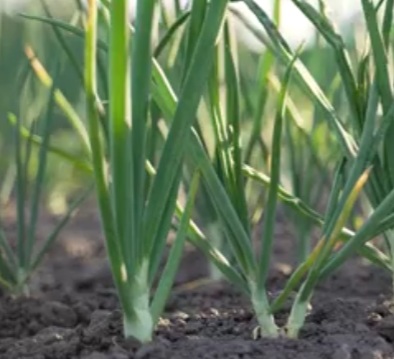
Green onion
Rating : 7
| Evaluation | N. Experts | Evaluation | N. Experts |
|---|---|---|---|
| 1 | 6 | ||
| 2 | 7 | ||
| 3 | 8 | ||
| 4 | 9 | ||
| 5 | 10 |
0 pts from Al222
| Sign up to vote this object, vote his reviews and to contribute to Tiiips.Evaluate | Where is this found? |
| "Descrizione" about Green onion by Al222 (23249 pt) | 2025-Nov-07 15:46 |
| Read the full Tiiip | (Send your comment) |
Green onion
(aerial parts of Allium fistulosum L., and sometimes young plants of Allium cepa ; family Amaryllidaceae)
Description
• Fresh, mildly sulfurous aromatic vegetable; crisp white pseudostem and tender hollow green leaves.
• Used raw (garnish, salads, sauces) and cooked (stir-fries, soups, broths, omelettes, Korean pajeon).
• Sold whole or trimmed/sliced; also available frozen, dehydrated (flakes/powder), and as purées.

Indicative nutrition values (per 100 g edible fresh portion; typical)
• Energy: 25–35 kcal; water 89–92%
• Carbohydrate: 5–7 g (sugars 2–3 g) • Fibre: 1.5–2.5 g • Protein: 1.5–2.0 g
• Fat: 0.1–0.3 g — of which SFA (saturated fatty acids; advisable to keep low for LDL control) are minimal; MUFA and PUFA are negligible
• Key minerals: potassium 200–300 mg; calcium 45–70 mg; magnesium 12–20 mg
• Vitamins: vitamin C 8–15 mg; vitamin K notably present; folates present
• Note: fructans higher in the white portion than in the greens
Key constituents
• Sulfur precursors (ACSOs): methiin, isoalliin; in presence of alliinase they form the typical volatiles.
• Thiosulfinates and disulfides: drive the onion-like character; decline with heat/storage.
• Polyphenols/flavonoids: quercetin/kaempferol derivatives (richer in leaves); chlorophylls and carotenoids.
• Fructans (short-chain FOS) with potential prebiotic activity (level varies by plant part).
• Minerals (K, Ca) and water-soluble vitamins (C, folate); vitamin K concentrated in green blades.
Production process
• Cultivation & harvest at young stages; grading by diameter/length; trimming of roots/damaged ends.
• Washing and trimming; for fresh-cut (RTE): gentle drying and modified-atmosphere packing.
• Processing options: quick-freeze slicing; dehydration (air-dry or freeze-dry); purées/pastes (optional blanch to soften pungency).
• Packaging: light/oxygen-barrier packs with low headspace; cold chain for untreated fresh product.
Sensory and technological properties
• Aroma/flavour: fresh, herbal, lightly sweet; cooking develops caramelised and rounded notes.
• Functionality: contributes savoury top-notes and mild sulfur cues; participates in Maillard during cooking; green leaves add faint colour.
• Stability: sulfur volatiles are oxygen/heat-labile; very fine chopping accelerates aroma loss.
Food applications
• Raw: salads, tartares, poke bowls, green sauces, toppings.
• Cooked: light sautés, ramen/soups, omelettes, pajeon, fillings, grain/noodle dressings.
• Ingredients: infused oils, aqueous extracts, snack seasonings (flakes/powders), purées for culinary bases.
Nutrition & health
Green onion is low-calorie, with negligible fat and a modest contribution of fibre and vitamin C; the green blades provide meaningful vitamin K. Fructans in the white portion can have prebiotic effects for many, yet may provoke symptoms in FODMAP-sensitive individuals—using smaller amounts or favouring the green tops often improves tolerance.
The sulfur compounds (ACSOs → thiosulfinates) underpin flavour and show antioxidant/antimicrobial potential in research; in ready-to-eat foods their levels fall with cutting, heat, and time.
From a cardiometabolic viewpoint, saturates are very low and sodium is naturally modest, making green onion suitable in lower-salt cooking and lipid-friendly patterns—overall impact depends on the recipe context. For people on vitamin-K-managed therapies, consistent intake of the green portion is advisable per clinician guidance.
Portion note: As a fresh aromatic, 20–30 g (about 2–3 tablespoons chopped). As a vegetable in sautés/soups, 60–100 g per serving.
Quality and specifications (typical topics)
• Fresh: high turgor, bright green leaves without yellowing, white crisp pseudostem, no off-odours or slime; minimal soil residues.
• Sizing: total length, pseudostem diameter, white/green ratio; tolerance for defects per spec.
• Residues/contaminants: pesticides ≤ MRL; metals within limits; nitrates monitored where required.
• Microbiology: controlled loads for fresh-cut; absence of Listeria/Salmonella.
• Processed: moisture for flakes/powders in spec (e.g., ≤8%); water activity controlled; standardised colour/aroma.
Storage and shelf-life
• Whole fresh: 0–4 °C, high RH (85–95%), away from ethylene; 7–14 days depending on initial freshness.
• Fresh-cut/RTE: 0–4 °C, 3–5 days; avoid free moisture in pack.
• Frozen: ≤ −18 °C; thaw cold; do not refreeze.
• Dehydrated: cool/dry place, barrier pack; 12–24 months.
• Key risks: leaf yellowing, slime, loss of crunch, aroma fade.
Safety and regulatory
• Designations: “green onion”, “spring onion”, or “scallion” (local usage applies); for ingredients: “dehydrated green onion”, “green onion purée”, “green onion extract”.
• Allergens: none among priority allergens; rare Allium sensitivities occur.
• Production and packing under GMP/HACCP; thorough washing/sanitation for fresh-cut lines.
• Nutrition/health claims only if thresholds are met (e.g., “source of vitamin C” when compliant).
Labeling
• Name of the food, grade/size (fresh), origin, lot, date mark; storage instructions.
• For processed forms: ingredients list, any antioxidants/acids used, directions for use and yield in recipes.
Troubleshooting
• Over-pungent/metallic notes: excess sulfur compounds or Cu/Fe contact → use sharp stainless knives, avoid prolonged fine mincing, minimise air exposure.
• Slime/decay: cold-chain breaks or excess pack moisture → dry well, use absorbers, improve airflow.
• Leaf yellowing: ethylene, light, or high temperature → separate from climacteric fruit, shade from light, lower storage temp.
• Aroma loss in cooking: high heat/long times → add some green onion at the end or use infused oil.
Sustainability and supply chain
• Field: crop rotations, targeted nitrogen and irrigation for lower impacts.
• By-products: trimmings to compost, feed, or bioenergy.
• Plant: heat/air recovery, CIP water reuse, wastewater management toward BOD/COD targets; recyclable, lightweight packs.
• Systems: traceability, supplier audits, residue (MRL) programs under GMP/HACCP.
Conclusion
Green onion is a versatile flavour-builder that delivers freshness and savoury complexity with minimal calories. Final quality hinges on freshness, oxygen management after cutting, cooking profile, and proper storage—and it can help reduce salt while keeping dishes interesting.
INCI functions (cosmetics)
• Allium Fistulosum (Green Onion) Extract/Water: skin-conditioning; antioxidant potential linked to phenolics; characteristic odour must be managed in formula; uses/claims subject to cosmetic regulations.
Mini-glossary
• SFA: Saturated fatty acids — high intakes can raise LDL; keep low overall.
• MUFA: Monounsaturated fatty acids — helpful when replacing saturates.
• PUFA: Polyunsaturated fatty acids — include n-6/n-3 families; beneficial when balanced and protected from oxidation.
• ACSOs: S-alk(en)yl-L-cysteine sulfoxides, the key non-volatile sulfur precursors in Allium.
• FODMAP: Fermentable carbs that can trigger GI symptoms in sensitive people (onion fructans are FODMAPs).
• PPO: Polyphenol oxidase, enzyme behind enzymatic browning.
• Maillard: Heat-driven reactions of reducing sugars with amino groups producing colour and roasted aromas.
• MRL: Maximum residue limits for pesticides on foods.
• GMP/HACCP: Good manufacturing practice / hazard analysis and critical control points — preventive hygiene/process-control systems.
• BOD/COD: Biochemical/chemical oxygen demand — wastewater impact metrics guiding treatment.
References__________________________________________________________________________
Kim SH, Yoon JB, Han J, Seo YA, Kang BH, Lee J, Ochar K. Green Onion (Allium fistulosum): An Aromatic Vegetable Crop Esteemed for Food, Nutritional and Therapeutic Significance. Foods. 2023 Dec 16;12(24):4503. doi: 10.3390/foods12244503.
Abstract. In recent years, there has been a shift towards a greater demand for more nutritious and healthier foods, emphasizing the role of diets in human well-being. Edible Alliums, including common onions, garlic, chives and green onions, are staples in diverse cuisines worldwide and are valued specifically for their culinary versatility, distinct flavors and nutritional and medicinal properties. Green onions are widely cultivated and traded as a spicy vegetable. The mild, onion-like flavor makes the crop a pleasant addition to various dishes, serving as a staple ingredient in many world cuisines, particularly in Eastern Asian countries such as China, Japan and the Republic of Korea. The green pseudostems, leaves and non-developed bulbs of green onions are utilized in salads, stir-fries, garnishes and a myriad of culinary preparations. Additionally, green onions have a rich historical background in traditional medicine and diets, capturing the attention of chefs and the general public. The status of the crop as an important food, its culinary diversity and its nutraceutical and therapeutic value make it a subject of great interest in research. Therefore, the present review has examined the distribution, culinary, nutritional and therapeutic significance of green onions, highlighting the health benefits derived from the consumption of diets with this aromatic vegetable crop as a constituent.
Puišo J, Paškevičius A, Žvirgždas J, Dimitrova TL, Litvakas A, Adliene D. Application of Red Onion Peel Extract for Green Synthesis of Silver Nanoparticles in Hydrogels Exhibiting Antimicrobial Properties. Gels. 2023 Jun 19;9(6):498. doi: 10.3390/gels9060498.
Abstract. UV-initiated green synthesis of metal nanoparticles by using plant extracts as photoreducing agents is of particular interest since it is an environmentally friendly, easy-to-maintain, and cost-effective method. Plant molecules that act as reducing agents are assembled in a highly controlled way which makes them suitable for metal nanoparticle synthesis. Depending on the plant species, their application for green synthesis of metal nanoparticles for diverse applications may contribute to the mediation/reduction in organic waste amounts, thus enabling the implementation of the circular economy concept. In this work, UV-initiated green synthesis of Ag nanoparticles in hydrogels and hydrogel's thin films containing gelatin (matrix), red onion peel extract of different concentrations, water, and a small amount of 1 M AgNO3 have been investigated and characterized using UV-Vis spectroscopy, SEM and EDS analysis, XRD technique, performing swelling experiments and antimicrobial tests using bacteria (Staphylococcus aureus, Acinetobacter baumannii, Pseudomonas aeruginosa), yeasts (Candida parapsilosis, Candida albicans) and microscopic fungi (Aspergillus flavus, Aspergillus fumigatus). It was found that the antimicrobial effectiveness of the silver-enriched red onion peel extract-gelatin films was higher at lower AgNO3 concentrations as compared to those usually used in the commercially available antimicrobial products. The enhancement of the antimicrobial effectiveness was analyzed and discussed, assuming the synergy between photoreducing agent (red onion peel extract) and silver nitrate (AgNO3) in the initial gel solutions leading to the intensification of Ag nanoparticles production.
Kumar, K. S., Bhowmik, D., Chiranjib, B., & Tiwari, P. (2010). Allium cepa: A traditional medicinal herb and its health benefits. Journal of Chemical and Pharmaceutical Research, 2(1), 283-291.
Abstract . Allium cepa is highly valued for its therapeutic properties. It has been used as a food remedy from time immemorial.Research shows that onions may help guard against many chronic diseases. That's probably because onions contain generous amounts of the flavonoid quercetin. Studies have shown that quercetin protects against cataracts, cardiovascular disease, and cancer. In addition, onions contain a variety of other naturally occurring chemicals known as organosulfur com-pounds that have been linked to lowering blood pressure and cholesterol levels.Although rarely used specifically as a medicinal herb, the onion has a wide range of beneficial actions on the body and when eaten (especially raw) on a regular basis will promote the general health of the body. The bulb is anthelmintic, anti-inflammatory, antiseptic, antispasmodic, carminative, diuretic, expectorant, febrifuge, hypoglycaemic, hypotensive, lithontripic, stomachic and tonic. When used regularly in the diet it offsets tendencies towards angina, arteriosclerosis and heart attack. This is used particularly in the treatment of people whose symptoms include running eyes and nose. The onions ability to relieve congestions especially in the lungs and bronchial tract, is hard to believe until you have actually witnessed the results. The drawing of infection, congestion and colds out of the ear is also remarkable. The onion will relieve stomach upset and other gastrointestinal disorders and it will also strengthen the appetite. Pharmacologically know as Allium cepa, onion is found in every household. The purple skinned onion tastes great. Additionally, it has several health benefits and is part of many home remedies and beauty solutions.
Lee, H. J., Lee, I. Y., Park, J. H., & Joo, N. (2025). Comparison of phytochemicals and antioxidant activities of onion (Allium cepa L.) bulbs, onion leaves, and green onion (Allium fistulosum L.) leaves. International Journal of Food Properties, 28(1), 2507121.
Abstract. Onion (Allium cepa L.) is a vegetable widely used in the culinary world. It is also remarkable as a source of nutrition and bioactive compounds. Onion leaves, which are inevitable byproducts of onion production, are morphologically similar to green onion leaves with similar taste profiles. Although they have potential as new sources of food, they are largely considered waste products. This study was conducted to investigate phytochemical compositions, quantities of phytochemicals, and antioxidant activities of onion (Allium cepa L.) leaves. Onion bulbs and green onion (Allium fistulosum L.) leaves were included for comparisons. A total of 27 phenolic compounds, predominantly flavonols, were identified from extracts of three samples, with quercetin-4’-O-glucoside and quercetin 3,7-O-diglucoside being the most significant. Hierarchical clustering analysis showed that onion leaves and green onion leaves shared distribution of bioactive compound compositions, indicating their potential as alternative food sources. Quantification results showed that: 1) onion leaves were exceptionally abundant in quercetin 4’-O-glucoside; 2) green onion leaves were more abundant in hydroxycinnamic acids, and 3) onion bulbs had relatively lower contents of analytes. Antioxidant activities of samples measured by DPPH and FRAP assays reflected quantification data, with onion leaves showing the most potent antioxidant activities. Hence, onion leaves are not only great substitutes for green onions but also have potential to provide more powerful health benefits.
| Sign up to vote this object, vote his reviews and to contribute to Tiiips.EvaluateClose | (0 comments) |
Read other Tiiips about this object in __Italiano (1)
Content:  
Last update:   2025-11-06 18:20:35 | Kcal/100g:   35 Family:   Threat factors:   |

