

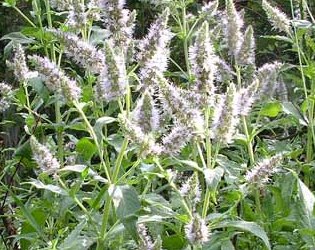
Mentha longifolia
Rating : 7.5
| Evaluation | N. Experts | Evaluation | N. Experts |
|---|---|---|---|
| 1 | 6 | ||
| 2 | 7 | ||
| 3 | 8 | ||
| 4 | 9 | ||
| 5 | 10 |
Pros:
Antifungal (1) Anti-inflammatory (1) Antibacterial (1)10 pts from FCS777
| Sign up to vote this object, vote his reviews and to contribute to Tiiips.Evaluate | Where is this found? |
| "Mentha longifolia studies" about Mentha longifolia Review Consensus 8 by FCS777 (5544 pt) | 2019-Aug-05 11:06 |
| Read the full Tiiip | (Send your comment) |
Antihypertensive Indigenous Lebanese Plants: Ethnopharmacology and a Clinical Trial.
Samaha AA, Fawaz M, Salami A, Baydoun S, Eid AH.
Biomolecules. 2019 Jul 20;9(7). pii: E292. doi: 10.3390/biom9070292
Mentha longifolia alleviates experimentally induced angina via decreasing cardiac load.
Azhar AS, El-Bassossy HM, Abdallah HM.
J Food Biochem. 2019 Feb;43(2):e12702. doi: 10.1111/jfbc.12702.
Investigation of the Antibiofilm Effects of Mentha longifolia Essential Oil on Titanium and Stainless Steel Orthopedic Implant Surfaces.
Pazarci O, Tutar U, Kilinc S.
Eurasian J Med. 2019 Jun;51(2):128-132. doi: 10.5152/eurasianjmed.2019.18432
Herbal Medicine for Oligomenorrhea and Amenorrhea: A Systematic Review of Ancient and Conventional Medicine.
Moini Jazani A, Hamdi K, Tansaz M, Nazemiyeh H, Sadeghi Bazargani H, Fazljou SMB, Nasimi Doost Azgomi R.
Biomed Res Int. 2018 Mar 18;2018:3052768. doi: 10.1155/2018/3052768
How the morphological properties of Mentha longifolia.(L.) Huds. may be affected by geographical differences.
Mohammadi M, Asadi-Gharneh HA.
J Photochem Photobiol B. 2018 Jan;178:237-242. doi: 10.1016/j.jphotobiol.2017.10.032.
Mentha longifolia protects against acetic-acid induced colitis in rats.
Murad HA, Abdallah HM, Ali SS.
J Ethnopharmacol. 2016 Aug 22;190:354-61. doi: 10.1016/j.jep.2016.06.016
Antimutagenic and anticancer activity of Al Madinah Alhasawy mint (Mentha longifolia) leaves extract.
Al-Ali K, Abdelrazik M, Alghaithy A, Diab A, El-Beshbishy H, Baghdadi H.
Pak J Biol Sci. 2014 Dec;17(12):1231-6.
Antidiarrheal activity and acute oral toxicity of Mentha longifolia L. essential oil.
Jalilzadeh-Amin G, Maham M.
Avicenna J Phytomed. 2015 Mar-Apr;5(2):128-37.
Phenolic content, antioxidant and astroprotective response to oxidative stress of ethanolic extracts of Mentha longifolia from Sinai.
Eissa TF, González-Burgos E, Carretero ME, Gómez-Serranillos MP.
Nat Prod Commun. 2014 Oct;9(10):1479-82.
Two antigenotoxic chalcone glycosides from Mentha longifolia subsp. longifolia.
Guvenalp Z, Ozbek H, Karadayi M, Gulluce M, Kuruuzum-Uz A, Salih B, Demirezer O.
Pharm Biol. 2015 Jun;53(6):888-96. doi: 10.3109/13880209.2014.948633.
Antibacterial activity of ethyl acetate and aqueous extracts of Mentha longifolia L. and hydroalcoholic extract of Zataria multiflora Boiss. plants against important human pathogens.
Saeidi S, Hassanpour K, Ghamgosha M, Heiat M, Taheri RA, Mirhosseini A, Farnoosh G.
Asian Pac J Trop Med. 2014 Sep;7S1:S186-9. doi: 10.1016/S1995-7645(14)60229-7.
| Sign up to vote this object, vote his reviews and to contribute to Tiiips.EvaluateClose | (0 comments) |
| "Descrizione" about Mentha longifolia Review Consensus 10 by FCS777 (5544 pt) | 2025-Nov-28 18:06 |
| Read the full Tiiip | (Send your comment) |
Mentha longifolia (long-leaved mint, wild mint) belongs to the Lamiaceae family.
It is a perennial herb with underground rhizomes and quadrangular stems, usually erect or slightly prostrate.
Leaves are long and lanceolate (hence “longifolia”), often slightly hairy (tomentose), with serrated margins.
Inflorescences are dense terminal spikes with flowers ranging from whitish-pink to lilac.
It has an intense, herbaceous, minty aroma, often more rustic and camphoraceous than peppermint.

Common name: Long-leaved mint, wild mint, horse mint
Botanical name: Mentha longifolia (L.) Huds.
Kingdom: Plantae
Clade: Angiosperms
Clade: Eudicots
Order: Lamiales
Family: Lamiaceae
Genus: Mentha
Species: Mentha longifolia (L.) Huds.
Mentha longifolia is a hardy perennial herb, widespread in Europe, western and central Asia, and parts of Africa.
Well adapted to temperate and temperate-cool climates.
Tolerates moderate winter cold, overwintering via underground rhizomes.
Tolerates hot summers if soil moisture is sufficient.
In nature it is very frequent in humid habitats: stream banks, ditches, moist meadows, wet roadsides and disturbed wet areas.
Grows well from full sun to light shade.
In full sun it tends to develop a stronger aroma and more compact habit, provided there is enough water.
In partial shade it grows vigorously in moist soils, with reduced risk of water stress.
Although quite adaptable, Mentha longifolia prefers soils that are:
fresh to moist, sometimes very moist,
medium-textured to silty,
rich in organic matter,
reasonably well drained (avoid stagnant, anaerobic conditions for long periods).
In the wild it is characteristic of wet environments such as river and stream margins, wet meadows, ditches and periodically flooded areas.
Water requirement is medium to high.
Soil should stay consistently fresh; prolonged drought strongly reduces growth and aroma.
In summer, especially in full sun, it needs regular watering.
In containers or in very free-draining soils, frequent irrigation is necessary to prevent wilting and leaf drop.
Optimal growth range: about 15–28 °C.
Rhizomes tolerate sub-zero temperatures if protected by soil and plant litter.
In very hot summers, adequate soil moisture is essential to avoid yellowing and growth arrest.
As with most mints, it is not extremely demanding, but benefits from moderately fertile soils.
Nitrogen: supports strong vegetative growth; excessive doses can produce very soft tissues and slightly weaker aroma.
Phosphorus: important for root and rhizome development.
Potassium: improves stress tolerance and essential oil quality.
Usually, an annual incorporation of well-rotted compost or manure is sufficient.
Mentha longifolia has creeping rhizomes and a strong tendency to spread, forming dense patches.
In gardens it is often advisable to grow it in containers, sunken pots or root barriers to limit expansion.
Requires good air circulation to reduce the risk of powdery mildew and other fungal diseases.
Generally robust against pests; occasional problems include aphids and mint rust under humid, crowded conditions.
Regular cutting of the aerial parts after flowering keeps the plant compact and stimulates fresh regrowth.
The leaves and flowering tops are harvested during the growing season.
Best aroma is usually obtained just before or at the onset of flowering.
Harvested material can be used fresh or dried in thin layers, in a shaded, well-ventilated place.
The scent is minty and often reminiscent of peppermint, but with a more “wild”, herbal character.
Propagation is mainly vegetative:
Division of clumps and rhizomes: the simplest and most reliable method, carried out in spring or autumn.
Herbaceous or semi-woody cuttings: root easily in water or in a moist substrate.
Propagation by seed is possible but less used in cultivation, because:
progeny is genetically variable,
the plant spreads very readily via rhizomes in any case.
(In practice, Mentha longifolia is used in much smaller amounts; these values are indicative.)
Energy: ~50–70 kcal
Water: ~78–85 g
Total carbohydrates: ~8–15 g
sugars: ~4–8 g
Total dietary fibre: ~6–8 g
Protein: ~3–4 g
Total fat: ~0.5–1 g
SFA: very low (a high intake of saturated fatty acids in the overall diet may have unfavourable effects)
MUFA: traces
PUFA: traces (n-6/n-3 in variable proportions but quantitatively negligible)
TFA (natural trans fatty acids): essentially absent
Vitamins: vitamin C, provitamin A (carotenoids), small amounts of B-group vitamins.
Minerals: calcium, iron, potassium, magnesium, phosphorus.
Bioactive compounds: essential oil rich in monoterpenes (pulegone, menthone, 1,8-cineole, carvone, etc.), polyphenols and flavonoids.
Essential oil (composition varies by ecotype and growing area):
pulegone
menthone and isomenthone
1,8-cineole
piperitone / piperitenone oxide
carvone
limonene and other mono- and sesquiterpenes
Polyphenols:
rosmarinic acid
caffeic acid and derivatives
other phenolic acids
Flavonoids:
luteolin, apigenin and their glycosides (chemotype-dependent profile)
Pigments: chlorophylls and carotenoids (provitamin A).
Vitamins: vitamin C and trace amounts of other water-soluble vitamins.
Minerals: calcium, iron, potassium, magnesium, manganese.
Fibre: mainly insoluble fibre with a smaller fraction of soluble fibre.
Cultivation
Prefers temperate climates and well-drained soils, from moderately dry to moderately moist.
Propagated easily by rhizomes and cuttings; can be grown in open fields or in specialised medicinal/aromatic plant plots.
Harvesting
Aerial parts (leaves and flowering tops) are harvested at full flowering, when essential oil content is generally highest.
Sorting and cleaning
Removal of foreign material, damaged or yellowed leaves, soil and plant debris.
Drying (for dried herb)
Low-temperature drying (<40 °C) in shaded, well-ventilated conditions to preserve colour and aroma.
Essential oil extraction
Steam distillation of aerial parts to obtain the essential oil, followed by separation from the aromatic water (hydrolat).
Storage
Dried herb stored in light-protective containers, in cool and dry places.
Essential oil stored in dark glass bottles, filled to minimise headspace, at cool and stable temperatures.
Packaging
Fresh herb: bunches or trays with breathable films.
Dried herb: sachets, jars or bulk bags for industrial use.
Essential oil: small dropper bottles with specific labelling.
Plant
Habit: perennial herb with rhizomes and quadrangular stems.
Leaves: long, lanceolate, often slightly hairy.
Dried herb
Colour: green to olive green, slowly turning brownish over time.
Low bulk density; leaves become fragile and easily crumbled.
Essential oil
Appearance: clear to pale yellow liquid.
Density: typically around 0.88–0.93 g/mL (depending on chemical profile).
Highly volatile, with a strong penetrating odour.
Aroma
Intense, herbaceous, minty, with balsamic and “wild” notes; less sweet and more camphoraceous than peppermint.
Taste
Fresh, cooling, slightly bitter at high doses.
Flavouring power
Very high: small quantities are sufficient to impart a strong aroma to drinks and dishes.
Stability
Essential oil is sensitive to oxygen, light and heat → prone to oxidation and changes in aroma profile over time.
Technological functionality
Can act as a flavouring and, in some formulations, as a co-adjuvant with antimicrobial and antioxidant effects (depending on dose and matrix).
(Always within regulatory limits for potentially critical components such as pulegone.)
Herbal infusions and teas (fresh or dried leaves).
Flavouring of traditional dishes (legumes, meat, vegetables, Mediterranean and Middle Eastern recipes).
Herb-based seasonings, sauces and marinades.
Confectionery: chocolate, desserts, ice cream, mint candies (often in blends with other Mentha species).
Beverages: soft drinks, syrups, herbal drinks and, where allowed, liqueurs and bitter herbal spirits.
Provides modest amounts of vitamin C, carotenoids and minerals (calcium, iron, potassium), giving an interesting micronutrient contribution when used regularly as part of a varied diet.
Polyphenols (e.g. rosmarinic acid) may contribute to the overall antioxidant potential of the diet.
Traditionally used as a digestive and carminative herb for mild gastrointestinal discomfort.
Essential oil of Mentha longifolia, rich in monoterpene ketones (pulegone, menthone), must be used with care: high or uncontrolled doses have shown hepatotoxicity in animal models.
Direct ingestion of pure essential oil is not recommended; any food products containing essential oil must comply with safety regulations and professionally defined use levels.
Fresh leaves in cooking: typically 2–10 g per serving, depending on the recipe.
Dried herb for infusions: usually 1–2 g per cup, often in blends with other herbs.
Essential oil: not intended for direct household oral use; any food products or supplements containing essential oil must follow the manufacturer’s instructions and legal limits.
Generally well tolerated at typical culinary doses.
Possible reactions in individuals sensitive to plants of the Lamiaceae family.
Concentrated essential oil can cause skin irritation or sensitisation in predisposed individuals, especially if not properly diluted.
Not listed among the major regulated food allergens in EU law, though cross-contamination with other allergens may occur in processed products.
Fresh herb
3–5 days in a refrigerator (around 4 °C) in breathable containers or perforated bags.
Dried herb
Up to about 12 months when stored away from light, moisture and heat, in tightly closed containers.
Essential oil
About 2–3 years in well-closed dark glass bottles, kept cool and away from light and heat.
Humidity and high temperatures accelerate aroma loss and oxidation of active constituents.
Production must comply with good hygiene and manufacturing practices (GMP/HACCP) throughout cultivation, harvesting, drying and packaging.
For essential oils of mint species (especially those rich in pulegone and menthofuran), specific safety assessments and recommended maximum levels exist for food and cosmetic uses.
Ingestion of pure essential oil is not advised; food products and supplements containing essential oil must be formulated and dosed by qualified operators.
Particular caution is recommended in pregnancy, breastfeeding, in young children and in individuals with liver disease.
Fresh or dried herb (food use)
Sales name: “mint” or “Mentha longifolia” (possibly with local common name).
Net weight, lot, origin, best-before date and storage conditions according to applicable legislation.
Essential oil (cosmetic / aromatherapy use)
Botanical name Mentha longifolia, plant part used (herb, aerial parts), extraction method (steam distillation), country of origin.
Relevant warnings and precautions (“for external use”, “do not use undiluted on skin”, etc.) depending on legal requirements.
Processed products with Mentha longifolia flavour
Correct indication in the ingredient list (e.g. “natural mint flavour” or other description according to flavouring regulations).
Rapid aroma loss in dried herb
Possible causes: slow or high-temperature drying, exposure to air and light, non-airtight packaging.
Browning of dried leaves
Possible causes: excessive humidity, prolonged drying, oxidation; improve drying conditions and moisture control.
Essential oil with rancid or altered odour
Possible causes: oxidation due to oxygen, high temperature, light; improve closure, packaging and reduce storage time.
Overly pungent or unpleasant taste in finished products
Possible causes: overdosing of herb or essential oil; adjust formulation, possibly blending with milder mint species.
Mentha longifolia generally has moderate cultivation requirements and can be grown with relatively low inputs (fertilisers and plant protection products) compared to intensive crops.
It can be integrated into organic or integrated farming systems, contributing to crop biodiversity.
Distillation for essential oil production generates wastewater and biomass residues; proper management of effluents is necessary, including monitoring of BOD/COD to limit environmental impact.
Plant residues (spent herb after distillation) can be used as soil amendments, compost or biomass for energy.
Short supply chains and local sourcing reduce transport-related emissions and support traditional regional production.
(For extracts and oils derived from Mentha longifolia or from declared blends of mint species with similar profiles.)
fragrance / perfuming – provides fresh, minty notes to body care, hair care and oral hygiene products.
skin conditioning – contributes to a pleasant skin feel and comfort (especially with hydroalcoholic or glyceric extracts).
masking – helps to mask or reduce undesirable odours from other raw materials.
tonic / refreshing – associated with sensations of freshness and “toning” effect on skin or scalp.
antioxidant – some polyphenol-rich extracts can help protect the product and, to some extent, the skin from oxidative processes.
Mentha longifolia is a “wild” mint species with a strong, characteristic aroma and an essential oil rich in monoterpenes (pulegone, menthone, 1,8-cineole and others).
As a culinary herb, it provides modest but interesting amounts of micronutrients and bioactive compounds, with a mainly sensory and functional role in the diet.
It is used in cooking, herbal teas and some industrial preparations, and in cosmetics as a perfuming and refreshing agent.
Proper control of drying, storage and, above all, essential oil use (respecting safety limits) is essential to ensure effective, safe and sustainable products throughout the supply chain.
SFA: Saturated fatty acids – fats without double bonds; excessive intake compared with unsaturated fats may be associated with increased cardiovascular risk.
MUFA: Monounsaturated fatty acids – fats with one double bond; generally considered favourable when replacing saturated fats.
PUFA: Polyunsaturated fatty acids – fats with two or more double bonds (n-6/n-3); contribute to normal heart function within a balanced diet.
TFA: Trans fatty acids – fatty acids with trans double bonds; intake should generally be kept as low as possible, although in mint they are present, if at all, only in natural traces.
GMP: Good manufacturing practices – a set of rules and procedures ensuring hygiene and quality throughout production.
HACCP: Hazard analysis and critical control points – preventive system for managing food safety hazards along the food chain.
BOD: Biological oxygen demand – measure of the amount of oxygen required by microorganisms to decompose organic matter in wastewater; indicator of organic pollution.
COD: Chemical oxygen demand – measure of the amount of oxygen required to chemically oxidise substances in wastewater; indicator of total oxidisable load.
_____________________
Studies
In traditional medicine leaves, bark, seeds, flowers and stem of the Mentha longifolia have been used against digestive disorders and for the care of the respiratory system.
This study confirms the synergistic anti-inflammatory activity through a protective mechanism of essential oils of Mentha longifolia (1).
In particular, examination of some interesting components of the essentid oil of this seedling, butanol, methanol, dichloromethane, hexane and ethyl acetate extracts, have made it possible to understand the mechanisms underlying the anti-inflammatory and immunomodulatory effects of this plant (2).
It should be noted, however, that due to the different soil composition, cultivation and climatic conditions, the content of this plant may differ in quality and quantity.
Mentha longifolia studies
References_____________________________________________________________
(1) Rasooli A, Fatemi F, Hajihosseini R, Vaziri A, Akbarzadeh K, Mohammadi Malayeri MR, Dini S, Foroutanrad M. Synergistic effects of deuterium depleted water and Mentha longifolia L. essential oils on sepsis-induced liver injuries through regulation of cyclooxygenase-2 Pharm Biol. 2019 Dec;57(1):125-132.
Abstract. Context: Mentha longifolia L. (Lamiaceae), a traditional medicinal herb, has been highly valued for exhibiting antimicrobial, antioxidant and antispasmodic properties. Objective: For the first time, the synergetic anti-inflammatory effects of deuterium depleted water (DDW) and M. longifolia essential oils (ML) were investigated in experimental sepsis. Materials and methods: Fifty Wistar rats were divided into 5 groups (n = 10): negative control (laparotomy), CLP, treatment groups including the combination of DDWs (15 and 30 ppm) and ML (100 mg/kg b.w) and indomethacin. At 24 h after CLP induction, lipid peroxidation (LP), glutathione (GSH), glutathione in S-transferases (GST), ferric reducing ability of plasma (FRAP), myeloperoxidase (MPO), prostaglandin E2 (PGE2), and COX-2 expression were determined in the plasma and liver tissues. Results: Compared with the CLP group, the administration of DDWs and ML significantly (p < 0.05) prevented the increase of LP, COX-2 and PGE2 levels and liver enzymes. Additionally, the decreased levels of FRAP and GSH induced by sepsis were remarkably (p < 0.05) risen by the administration of DDWs and ML in comparison to the CLP group. However, no significant (p > 0.05) differences were observed regarding GST, ALP and bilirubin levels. Our results also proved the synergistic anti-inflammatory activities of the DDWs and ML. The anti-inflammatory effects of the DDWs and ML were confirmed by histopathological studies. Discussion and conclusions: The combination of DDWs and ML exerted synergistic anti-inflammatory activity against CLP-induced sepsis possibly through modulating oxidative stress/antioxidant parameters.
Dadkhah A, Fatemi F, Rasooli A, Mohammadi Malayeri MR, Torabi F. Assessing the effect of Mentha longifolia essential oils on COX-2 expression in animal model of sepsis induced by caecal ligation and puncture. Pharm Biol. 2018 Dec;56(1):495-504. doi: 10.1080/13880209.2018.1510972.
Abstract. Context: Mentha longifolia L. (Lamiaceae), a traditional Iranian plant, possesses antimicrobial and antioxidant activities. Objective: We investigated the potential protective effects of M. longifolia essential oils (E.Os) on caecal ligation and puncture (CLP) induced liver injury. Materials and methods: Wistar Albino rats (n = 50) were grouped as follows: (1) a laparotomy group (LAP); (2) a CLP group (CLP); (3) the treatment groups received orally the E.Os (50 and 100 mg/kg b.w) and indomethacin (2 mg/kg b.w) for 2 weeks. The oxidative stress parameters, liver enzymes and prostaglandin E2 (PGE2) level were measured in liver and plasma tissues. The liver was also harvested for the real time PCR of cyclooxygenase (COX-2) expression following histopathological examinations. Results: The results indicated that the CLP operation significantly increased lipid peroxidation (LP) [1.79-fold], myeloperoxidase (MPO) [2.76-fold], PGE2 [1.56-fold] besides plasma aspartate aminotransferase (AST) [2.4-fold] and alanine aminotransferase (ALT) activities [2.22-fold], while, markedly reduced glutathione (GSH) [0.63-fold] and ferric reducing ability of plasma (FRAP) levels [0.63-fold]. Even COX2 expression significantly increased in the CLP group as compared to the LAP group. Treatments of rats with the E.Os could return all the hepatic and plasma biomarkers to the normal levels. These results were further confirmed by pathological examination on liver indicating that E.Os could successfully improve the CLP-induced liver injuries. Discussion and conclusions: Our findings suggest that E.Os is able to protect liver injuries against sepsis via modulating the oxidative stress parameters concomitant with the suppression of inflammatory reactions such as PGE2 and COX-2.
(2) Asemani Y, BayaT M, Malek-Hosseini S, Amirghofran Z. Avicenna J Modulation of in vitro proliferation and cytokine secretion of human lymphocytes by Mentha longifolia extracts. Phytomed. 2019 Jan-Feb;9(1):34-43.
Abstract. Objective: Mentha longifolia L. Hudson has been used in folk medicine for various purposes especially for its anti-inflammatory effects. Lymphocytes play a central role in development of inflammation. In the present study, we investigated the immunomodulatory effects of different extracts of M. longifolia on human peripheral blood lymphocytes (PBLs), as main players in development of inflammation. Materials and methods: PBLs stimulated with phytohemagglutinin (PHA) were cultured in the presence of the plant extracts. The effects of the extracts on activation of cells were determined by BrdU assay. The viability of cells was examined by flow cytometry using propidium iodide staining. Also, IFN-γ (T helper 1, TH1) and IL-4 (TH2) secretion was measured by ELISA. Results: Except for the water extract which had a weak inhibitory effect, treatment of cells with more than 1μg/ml of butanol, hexane, ethyl acetate and dichloromethane extracts resulted in strong inhibition of cells proliferation (IC50 4.6-9.9 µg/ml). Flow cytometry analysis showed that these extracts at ≤10μg/ml were non-cytotoxic. Dichloromethane and ethyl acetate extracts at 10 μg/ml decreased IFN-γ production in a dose-dependent manner from 919±91.1 pg/ml in PHA-only-treated cells to 568±22.6 pg/ml (in dichloromethane-treated cells) and 329±12.3 pg/ml (in ethyl acetate-treated cells) (p<0.001). At 10 μg/ml, the ethyl acetate extract increased IL-4 secretion compared to PHA-only-treated cells (p<0.05). The hexane extract decreased IFN-γ level but did not affectIL-4 production. Conclusion: Reduction of IFN-γ and augmentation of IL-4 secretion induced by the extracts suggested the potential of M. longifolia to inhibit TH1 inflammatory responses toward a TH2 dominant response.
ourabi M, Nouioura G, Touijer H, Baghouz A, El Ghouizi A, Chebaibi M, Bakour M, Ousaaid D, Almaary KS, Nafidi HA, Bourhia M, Farid K, Lyoussi B, Derwich E. Antioxidant, Antimicrobial, and Insecticidal Properties of Chemically Characterized Essential Oils Extracted from Mentha longifolia: In Vitro and In Silico Analysis. Plants (Basel). 2023 Nov 6;12(21):3783. doi: 10.3390/plants12213783.
Abstract. The present study aimed to explore the phytochemical profile, and evaluate the antioxidant, antimicrobial, and insecticidal properties, of Moroccan Mentha longifolia L. essential oil (ML-EO) using in vitro and in silico assays. Noteworthily, as chromatography (GC-MS/MS) revealed that ML-EO is majorly composed of piperitenone oxide (53.43%), caryophyllene (20.02%), and (-) germacrene D (16.53%). It possesses excellent antioxidant activity with an IC50 of 1.49 ± 0.00 for DPPH and 0.051 ± 0.06 μg/mL for ABTS. Moreover, the RP and TAC activities were 0.80 ± 0.01 μg/mL and 315.532 ± 0.00 mg EAA/g, respectively. ML-EO exhibited a potent antimicrobial effect, specifically against Pseudomonas aeruginosa. It also exhibited strong antifungal ability, especially against Candida albicans. Regarding insecticidal activity, for ML-EO, a dose of 20 µL/mL produced a complete reduction in fecundity, fertility, and emergence of adult C. maculatus with mortality rates reaching 100%. In silico results showed that the antioxidant activity is mostly attributed to α-Cadinol, the antibacterial efficiency is attributed to piperitenone oxide, and antifungal capacity is related to cis-Muurola-4(15),5-diene and piperitenone oxide. Accordingly, ML-EO has high potential to be used as an alternative for preserving food and stored grain and protecting them against microbes and insect pests in the food and pharmaceutical sectors.
| Sign up to vote this object, vote his reviews and to contribute to Tiiips.EvaluateClose | (0 comments) |
Read other Tiiips about this object in __Italiano (3)
Content:   Last update:   2024-08-12 17:07:44 | Kcal/100g:   28 Family:   Threat factors:   |

