

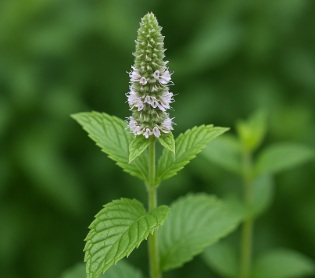
Mentha arvensis
Rating : 7.5
| Evaluation | N. Experts | Evaluation | N. Experts |
|---|---|---|---|
| 1 | 6 | ||
| 2 | 7 | ||
| 3 | 8 | ||
| 4 | 9 | ||
| 5 | 10 |
Pros:
Antifungal (1) Antidiabetic (1)10 pts from FCS777
| Sign up to vote this object, vote his reviews and to contribute to Tiiips.Evaluate | Where is this found? |
| "Mentha arvensis studies" about Mentha arvensis Review Consensus 10 by FCS777 (5544 pt) | 2022-Dec-01 07:51 |
| Read the full Tiiip | (Send your comment) |
Compendium of the most significant studies with reference to properties, intake, effects.
Prakash J, Arora NK. Phosphate-solubilizing Bacillus sp. enhances growth, phosphorus uptake and oil yield of Mentha arvensis L. 3 Biotech. 2019 Apr;9(4):126. doi: 10.1007/s13205-019-1660-5..
Abstract. In the present study, phosphate solubilizing rhizobacterial isolate STJP from the rhizosphere of Stevia rebaudiana was identified as a Bacillus sp. on the basis of phenotypic, biochemical, and 16S rRNA gene sequencing. In addition to phosphate solubilization ability, isolate Bacillus sp. STJP produced a significant quantity of siderophore (16.06 µg/ml) and indole 3-acetic acid (30.59 µg/ml). In the greenhouse experiment, treatment with STJP along with tricalcium phosphate (TCP200) showed significant increase in the plant growth parameters, oil yield and P uptake in M. arvensis as compared to the control plants. Amongst all the treatments, highest oil yield and menthol content were observed when treated with Bacillus sp. STJP + TCP200. Hence, an integrated approach of using Bacillus sp. STJP along with TCP can be used to increase the production of menthol and oil yield of M. arvensis. This approach of using fertilizer along with phosphate solubilizing Bacillus sp. worked very well and was more effective in comparison with individual treatment of fertilizer or plant growth promoting rhizobacteria. A combined use of efficient phosphate solubilising bacteria loaded with plant growth promoting characters along with TCP can thus be far effective way for enhancing the yield of crops in a sustainable manner.
Heydari M, Zanfardino A, Taleei A, Bushehri AAS, Hadian J, Maresca V, Sorbo S, Napoli MD, Varcamonti M, Basile A, Rigano D. Effect of Heat Stress on Yield, Monoterpene Content and Antibacterial Activity of Essential Oils of Mentha x piperita var. Mitcham and Mentha arvensis var. piperascens. Molecules. 2018 Jul 30;23(8):1903. doi: 10.3390/molecules23081903.
Abstract. Heat stress affects the yield of medicinal plants and can reduce biomass and/or metabolite production. In order to evaluate the effect of heat-induced stress on the essential oil production in Mentha x piperita L. var. Mitcham (Mitcham mint) and Mentha arvensis var. piperascens Malinv. ex L. H. Bailey (Japanese mint), we studied the chemical composition of the oils of the two mint species under different heat shock stresses in growth chambers. The antibacterial activity of the essential oils was also evaluated; microscopic observation (fluorescence and electron transmission) was used to assess the effect of the tested samples on bacterial growth. The results obtained shed light on the mint essential oils composition and biological activity in relation to heat stress.
Kim SY, Han SD, Kim M, Mony TJ, Lee ES, Kim KM, Choi SH, Hong SH, Choi JW, Park SJ. Mentha arvensis Essential Oil Exerts Anti-Inflammatory in LPS-Stimulated Inflammatory Responses via Inhibition of ERK/NF-κB Signaling Pathway and Anti-Atopic Dermatitis-like Effects in 2,4-Dinitrochlorobezene-Induced BALB/c Mice. Antioxidants (Basel). 2021 Dec 3;10(12):1941. doi: 10.3390/antiox10121941.
Abstract. The mechanism of atopic dermatitis (AD) is modulated by the release of cytokines and chemokines through the mitogen-activated protein kinase (MAPK)/nuclear factor-kappa B (NF-κB) signaling pathway. Topical steroids are used to treat AD, but some people need safer anti-inflammatory drugs to avoid side effects. Mentha arvensis has been used as a herbal plant with medicinal properties, but its anti-inflammatory effects have not been elucidated in an AD model. In this study, we investigated the anti-inflammatory effects of M. arvensis essential oil (MAEO) and its underlying molecular mechanism in lipopolysaccharide (LPS)-stimulated RAW 264.7 macrophages and HaCaT cells (human epidermal keratinocyte). Additionally, we examined the ameliorating effects of the MAEO in a dinitrochlorobenzene (DNCB)-induced murine model of AD. We found, in both RAW 264.7 cells and HaCaT cells, MAEO inhibited LPS-stimulated inflammatory mediators such as nitric oxide (NO) and prostaglandin E2 and proinflammatory cytokines, including IL-1β and IL-6, due to the suppression of COX-2 and iNOS expression. In LPS-stimulated macrophages, we also observed that MAEO inhibited the phosphorylation of ERK and P65. Furthermore, MAEO treatment attenuated AD symptoms, including the dermatitis score, ear thickness, epidermal thickness and infiltration of mast cells, in a DNCB-induced animal model of AD. Overall, our findings suggest that MAEO exerts anti-inflammatory and anti-atopic dermatitis effects via inhibition of the ERK/NF-κB signaling pathway.
Shelepova OV, Semenova MV, Enina OL, Schanzer IA. Genetic, phenotypic, and phytochemical polymorphism in Eastern European populations of Mentha arvensis L. Genetika. 2017 Jan;53(1):54-62.
Abstract. Variability of M. arvensis from five geographically distanced populations was examined using morphological traits and phytochemical composition of essential oil and with the help of DNA fingerprinting using ISSR markers. The population differentiation based on morphological traits was weak. Analysis of the essential oil composition provided the subdivision of the sample into three groups and, on the basis of the composition of ISSR amplicons, into four groups of specimens. A high degree of genetic polymorphism of M. arvensis and substantial, though incomplete, population differentiation were identified. It was demonstrated that the population of M. arvensis from the Komi Republic was the most genetically isolated, while the populations from Moscow and Penza provinces were weakly differentiated from each other. The population from the Republic of Belarus (near Grodno) was genetically and phytochemically considerably different from the other studied populations, although morphologically indistinguishable from them. We argue that the differentiation was caused not only by the isolation by distance but also owing to the formation of three different ecotypes adapted to different climatic conditions.
Tian W, Akanda MR, Islam A, Yang HD, Lee SC, Lee JH, Kim SK, Choi YJ, Im SY, Park BY. The Anti-Stress Effect of Mentha arvensis in Immobilized Rats. Int J Mol Sci. 2018 Jan 25;19(2):355. doi: 10.3390/ijms19020355.
Abstract. Stress can lead to inflammation, accelerated aging, and some chronic diseases condition. Mentha arvensis (MA) is a traditional medicine having antioxidant and anti-inflammatory activities. The present study investigated the anti-stress role of MA and fermented MA (FMA) extract in immobilized rats. We studied the lipopolysaccharide (LPS)-induced inflammation in RAW 264.7 cells and rats were immobilized for 2 h per day for 14 days using a restraining cage. MA (100 mg/kg) and FMA (100 mg/kg) were orally administered to rats 1 h prior to immobilization. Using high-performance liquid chromatography (HPLC) analysis, we determined the rosmarinic acid content of MA and FMA. The generation of malondialdehyde (MDA) and nitric oxide (NO) in RAW 246.7 cells were suppressed by both MA and FMA. In rats, MA and FMA notably improved the body weight, daily food intake, and duodenum histology. MDA and NO level were gradually decreased by MA and FMA treatment. MA and FMA significantly controlled the stress-related hormones by decreasing corticosterone and β-endorphin and increasing serotonin level. Moreover, protein expression levels of mitogen activated protein kinases (MAPK) and cyclooxygenase-2 (COX-2) were markedly downregulated by MA and FMA. Taken together, MA and FMA could ameliorate immobilized-stress by reducing oxidative stress, regulating stress-related hormones, and MAPK/COX-2 signaling pathways in rats. Particularly, FMA has shown greater anti-stress activities than MA.
Manh HD, Tuyet OT. Larvicidal and Repellent Activity of Mentha arvensis L. Essential Oil against Aedes aegypti. Insects. 2020 Mar 22;11(3):198. doi: 10.3390/insects11030198.
Abstract. Dengue is one of the most dangerous vector-borne diseases transmitted by Aedes mosquitoes. The use of mosquito repellents to protect human hosts and insecticides to reduce the mosquito population is a crucial strategy to prevent the disease. Here, we reported larvicidal and repellent activities of Mentha arvensis L. essential oil against Aedes aegypti, the main vector of the disease. The essential oil was extracted by hydro-distillation from the aromatic plant grown in Vietnam. The yield was 0.67% based on the weight of fresh leaves. The essential oil was analyzed by gas chromatography-mass spectrometry (GC-MS). The main components were menthol (66.04%), menthyl acetate (22.19%), menthone (2.51%), and limonene (2.04%). Toxicity test on Aedes aegypti larvae showed that the median lethal concentrations, LC50 and LC90 were 78.1 ppm (part per million) and 125.7 ppm, respectively. Besides, the essential oil showed excellent repellency on Aedes aegypti mosquitoes. At 25%, 50%, and 100% concentration, the respective complete protection times (CPTs) were 45 min, 90 min, and 165 min. When adding 5% vanillin to the essential oil (25%), the complete protection time of the essential oil increased up to 120 min. In conclusion, the EO from Mentha arvensis L. has been shown to be a promising natural larvicide and repellent against Aedes aegypti mosquitoes.
Makkar MK, Sharma S, Kaur H. Evaluation of Mentha arvensis essential oil and its major constituents for fungitoxicity. J Food Sci Technol. 2018 Sep;55(9):3840-3844. doi: 10.1007/s13197-018-3291-y.
Abstract. Essential oil and major constituents of menthe were evaluated for fungicidal activities. Gas chromatography-mass spectrometry (GC-MS) of essential oil from leaves of Mentha arvensis cv. CIM-Saryu revealed that menthol was found in highest amount (77.94%) followed by isomenthone (5.24%), neomenthyl acetate (5.18%) and menthone (5.00%). Menthol and menthone were extracted from the essential oil by column chromatography. Essential oil, menthol and menthone were screened for their fungicidal activity against Rhizoctonia solani and Fusarium moniliforme. Menthol was highly effective as compared to essential oil as well as menthone. All of them exhibited less activity than standard bavistin at all the tested concentrations.
Kalemba D, Synowiec A. Agrobiological Interactions of Essential Oils of Two Menthol Mints: Mentha piperita and Mentha arvensis. Molecules. 2019 Dec 23;25(1):59. doi: 10.3390/molecules25010059.
Abstract. This review article discusses the active constituents and potential of two menthol mint oils, Mentha piperita (MPEO) and Mentha arvensis (MAEO), as natural sources for botanical pesticides. The biological activities of these menthol mint oils, which can be useful in agriculture, have been broadly researched, especially toward phytotoxic microorganisms. To a lesser extent, the insecticidal and herbicidal activities of mint EOs have also been studied. It is apparent that the prospect of using menthol mint oils in agriculture is increasing in popularity. A number of investigations showed that the in vitro efficacy of MPEO and MAEO, as well as that of their main constituent, menthol, is pronounced. The results of in vitro research are useful for choosing EOs for further investigations. However, it is clear that in situ experiments are crucial and should be more extensively developed. At the same time, known techniques are to be applied to this area and new methods should be worked out, aiming at the improvement of EOs' pesticidal efficacy and cost-effectiveness, for future implementation in agricultural pest control.
Shin TY. Inhibition of immunologic and nonimmunologic stimulation-mediated anaphylactic reactions by the aqueous extract of Mentha arvensis. Immunopharmacol Immunotoxicol. 2003 May;25(2):273-83. doi: 10.1081/iph-120020475.
Abstract. The effect of aqueous extract of Mentha arvensis L. var. piperascens Malinv. (Labiatae) (MAAE) on immunologic and nonimmunologic stimulation-mediated anaphylactic reactions was studied. Nonimmunologic anaphylactic reaction was induced by compound 48/80 injection. MAAE (0.005 to 0.5 g/kg) inhibited systemic anaphylactic reaction induced by compound 48/80. Immunologic anaphylactic reaction was generated by sensitizing the skin with anti-dinitrophenyl (DNP) IgE followed 48 h later with an injection of antigen. MAAE (0.001 to 1 g/kg) dose-dependently inhibited passive cutaneous anaphylaxis (PCA) when intraperitoneally, intraveneously and orally administered. MAAE (0.001 to 1 mg/ml) dose-dependently inhibited the histamine release from rat peritoneal mast cells (RPMC) activated by compound 48/80 or anti-DNP IgE. Moreover, MAAE (0.1 mg/ml) had a significant inhibitory effect on anti-DNP IgE-mediated tumor necrosis factor-alpha (TNF-alpha) production. These results indicate that MAAE inhibits immunologic and nonimmunologic stimulation-mediated anaphylactic reactions and TNF-alpha production from RPMC.
Scartazzini L, Tosati JV, Cortez DHC, Rossi MJ, Flôres SH, Hubinger MD, Di Luccio M, Monteiro AR. Gelatin edible coatings with mint essential oil (Mentha arvensis): film characterization and antifungal properties. J Food Sci Technol. 2019 Sep;56(9):4045-4056. doi: 10.1007/s13197-019-03873-9.
Abstract. In this work, mint essential oil (MEO) was added into gelatin films and antifungal activity was evaluated. Five concentrations of MEO (0, 0.06, 0.13, 0.25, 0.38, 0.50% (g/g gelatin)) were incorporated into gelatin solutions. The films were prepared by casting and characterized for their barrier properties, mechanical resistance, morphology, thermal and antifungal activity. The addition of oil into the solution slightly improved water vapor barrier, increased thickness and opacity, decreased transparency and modified thermal and mechanical properties of films. With addition of oil above 0.38%, the films were effective against the growth of Botrytis cinerea and Rhizopus stolonifer, indicating an inhibitory activity. Thus, gelatin-based edible films incorporated with MEO showed to be an effective way to inhibit microbial growth on the film surface.
| Sign up to vote this object, vote his reviews and to contribute to Tiiips.EvaluateClose | (0 comments) |
| "Descrizione" about Mentha arvensis Review Consensus 10 by FCS777 (5544 pt) | 2025-Nov-28 18:50 |
| Read the full Tiiip | (Send your comment) |
Mentha arvensis, commonly known as field mint or corn mint, is a perennial aromatic species of the Lamiaceae family. It shows the typical morphology of the genus Mentha, with quadrangular stems and vigorous creeping rhizomes that allow rapid spread. The leaves are opposite, ovate to slightly lanceolate, finely pubescent and intensely mint-scented. Flowers are usually lilac to pink, arranged in characteristic whorls in the leaf axils. The aroma is strongly mentholated and notably pungent, due to the high menthol content of its essential oil.

Mentha arvensis
Botanical classification
Common name: field mint, wild mint
Scientific name: Mentha arvensis
Family: Lamiaceae
Genus: Mentha
Origin: Europe, Asia and other temperate regions of the northern hemisphere
Growth habit: perennial, rhizomatous, strongly aromatic, ground-covering herb
Cultivation and growing conditions
Climate
Prefers temperate and cool–temperate climates.
More hardy than many other mints and tolerates frost well, even below –15 °C if the soil is not waterlogged.
Adapts well to areas with cold winters and summers that are not extremely dry.
Exposure
Prefers bright partial shade, but tolerates full sun in cool climates.
In very hot areas it is better to protect it from direct midday sun to avoid water stress.
Soil
Likes fresh, moderately moist, well-drained soils.
Performs best in slightly acidic to neutral soils.
Tolerates heavier soils if well structured, but suffers in prolonged waterlogging.
In pots: use a good all-purpose potting soil enriched with some sand or perlite.
Irrigation
Needs constant soil moisture, without long periods of drought.
In spring–summer, water regularly, especially if grown in containers.
In winter, when the plant is dormant, irrigation should be greatly reduced.
Temperature
Optimal growth between 15 and 25 °C.
Very cold-hardy: the aerial part may die back in winter, but the rhizomes survive in the soil and the plant sprouts again in spring.
Fertilization
Moderate nutrient requirements.
In spring, it is usually sufficient to work a small amount of mature organic fertilizer (compost or well-rotted manure) into the soil.
Avoid excessive nitrogen, which makes tissues too soft and less rich in aromatic compounds.
Cultivation care
Periodically remove old or damaged stems to stimulate new shoots.
Contain the spread of the very vigorous rhizomes: growing in pots or using underground barriers in open ground is ideal.
Keep weeds under control during the early stages of growth.
Monitor for aphids, mites and fungal diseases (for example powdery mildew in conditions of high humidity).
Harvest
Leaves and flowering tops are harvested from late spring to early autumn.
Maximum aromatic concentration is usually just before or at the beginning of flowering.
Cut shoot tips with clean scissors to encourage new growth and keep the plant compact.
The harvested material can be used fresh or dried in a shaded, well-ventilated place away from direct light.
Propagation
By division of clumps/rhizomes: the fastest and most reliable method; divide in spring or autumn, ensuring each piece has roots and some buds.
By herbaceous or semi-woody cuttings: in late spring or summer; root the cuttings in water or in a light, moist substrate.
By seed: possible but less common, as it can produce high variability in aromatic characteristics.
Energy: ~45–65 kcal
Water: ~80–85 g
Total carbohydrates: ~8–14 g
sugars: ~4–7 g
Dietary fibre: ~5–7 g
Protein: ~3–4 g
Total fat: ~0.5–1 g
SFA: very low
MUFA: traces
PUFA: traces
Vitamins: vitamin C, carotenoids, trace amounts of B-group vitamins
Minerals: potassium, calcium, iron, magnesium
Bioactive components: menthol, menthone, menthofuran, limonene, polyphenols and flavonoids
Essential oil: menthol, menthone, isomenthone, menthofuran, limonene, trace amounts of pulegone (chemotype-dependent)
Polyphenols: rosmarinic acid, caffeic acid and related phenolic derivatives
Flavonoids: luteolin, apigenin and their glycosides
Vitamins and pigments: vitamin C, carotenoids, chlorophylls
Minerals: calcium, potassium, iron, magnesium
Fibre: predominantly insoluble dietary fibre
Cultivation in moist, well-drained soils with good sunlight exposure
Harvesting of aerial parts at full flowering, when essential oil content is highest
Sorting and cleaning of plant material to remove soil, damaged leaves and foreign matter
Low-temperature drying (<40 °C) to preserve aroma and volatiles
Steam distillation of aerial parts to obtain essential oil
Storage of dried herb in sealed containers and of essential oil in dark glass bottles
Packaging in bunches or trays (fresh herb), filter bags or jars (dried herb), and technical dropper bottles (essential oil)
Fresh leaves: ovate, green, slightly pubescent
Dried leaves: colour evolving from olive green to brownish over time
Essential oil: clear to pale yellow liquid
Essential oil density: ~0.88–0.92 g/mL
Very high volatility and intense menthol odour
Very intense, fresh, balsamic and strongly mentholated aroma
Pungent, refreshing taste
High flavouring power, small amounts are sufficient
Sensitive to light, oxygen and heat, especially the essential oil
Potential antimicrobial and antioxidant contributions in specific formulations
Herbal teas and infusions, alone or in blends
Savoury dishes: meat, pulses, vegetables, traditional preparations
Confectionery, chocolate, ice cream and mint-flavoured sweets
Flavoured beverages, syrups and refreshing drinks
Traditional herbal preparations where a strong mint note is desired
Provides vitamin C, carotenoids and polyphenols that contribute to the overall antioxidant capacity of the diet
Traditionally used to support digestion and gastrointestinal comfort
Menthol is responsible for the characteristic cooling and balsamic sensation
The essential oil contains components (menthol, menthone, menthofuran) that require controlled dosing and should not be ingested in pure form
Fresh leaves: approximately 2–10 g per serving
Dried leaves for infusion: about 1–2 g per cup
Essential oil: only in formulated products and never pure
Generally well tolerated
Possible reactions in individuals allergic to Lamiaceae species
Essential oil may irritate skin and mucous membranes if used undiluted or oxidised
Not classified as a major food allergen under EU legislation
Fresh mint: 3–5 days in the refrigerator in breathable packaging
Dried mint: up to 12 months in airtight, light-protected containers, away from moisture
Essential oil: 2–3 years in dark glass, well closed, in a cool environment
Light, heat and air accelerate oxidation and loss of quality
Production must comply with GMP/HACCP principles at all stages
Essential oil use is subject to regulatory limits for menthol and related constituents
Pure essential oil should not be ingested; caution is advised in pregnancy, breastfeeding and in children
Formulated products must respect national and international guidelines on essential oil use in foods and cosmetics
Fresh/dried herb: botanical or common name, origin, lot number, best-before date and storage conditions
Essential oil: Mentha arvensis botanical name, plant part used, extraction method, warnings and precautions for use
Flavoured products: declaration of flavour in the ingredient list according to flavouring regulations
Weak aroma in dried herb: may indicate inadequate drying or poor storage; improve drying conditions and packaging
Browning of leaves: linked to excess humidity and oxidative degradation
Altered essential oil (off-odour): often due to oxidation from exposure to light or heat; requires better storage conditions
Excessively strong flavour in finished products: usually due to overdosing; adjust usage levels
Rustic species, easy to cultivate with relatively low environmental impact
Vigorous rhizome expansion requires agronomic control but allows low-input production
Distillation generates wastewater that should be managed appropriately, with monitoring of BOD/COD to limit environmental impact
Residual biomass can be used for composting or energy production
Short supply chains and local production help reduce overall environmental footprint
fragrance / perfuming – strong fresh, minty note
skin conditioning – contributes to a pleasant skin feel
masking – helps to reduce undesirable odours in formulations
refreshing / tonic – associated with cooling, invigorating sensations
antioxidant – polyphenol-rich extracts can provide mild protection against oxidation
Mentha arvensis is one of the most menthol-rich mint species, valued for its strong aroma and pronounced cooling effect. It is versatile in teas, culinary uses, herbal preparations and cosmetics, but requires careful management of its essential oil in accordance with safety standards. The plant is sustainable, easy to cultivate and offers interesting aromatic and functional properties for a wide range of natural product supply chains.
SFA – Saturated fatty acids: fats without double bonds; excessive intake compared with unsaturated fats may be associated with increased cardiovascular risk.
MUFA – Monounsaturated fatty acids: fats with one double bond; generally beneficial when replacing saturated fats in the diet.
PUFA – Polyunsaturated fatty acids: fats with two or more double bonds (including n-6 and n-3 families); contribute to normal heart function within a balanced diet.
TFA – Trans fatty acids: fats containing at least one trans double bond; dietary intake should be kept as low as possible, as recommended by major health authorities.
GMP – Good manufacturing practices: standards ensuring hygiene, safety and quality throughout production and processing.
HACCP – Hazard analysis and critical control points: preventive system for identifying and controlling potential hazards in food production chains.
BOD – Biological oxygen demand: indicator of organic pollution in wastewater, measuring oxygen required by microorganisms.
COD – Chemical oxygen demand: indicator of total oxidisable compounds in wastewater, measuring oxygen needed for chemical oxidation.
Studies
The essential oil obtained from Mentha arvensis is composed mostly of menthol that exerts a successfully tested antifungal action against Rhizoctonia solani and Fusarium moniliforme (1).
This study explored the possibility of reducing postprandial glucose release and inhibiting posprandial hyperglicemia with components from alternative plants for diabetes control. A methanol extract derived from Mentha arvensis was found to be effective in this antidiabetic activity (2).
The most relevant studies on this ingredient have been selected with a summary of their contents:
References_______________________________________
(1) Makkar MK, Sharma S, Kaur H. Evaluation of Mentha arvensis essential oil and its major constituents for fungitoxicity. J Food Sci Technol. 2018 Sep;55(9):3840-3844. doi: 10.1007/s13197-018-3291-y.
Abstract. Essential oil and major constituents of menthe were evaluated for fungicidal activities. Gas chromatography-mass spectrometry (GC-MS) of essential oil from leaves of Mentha arvensis cv. CIM-Saryu revealed that menthol was found in highest amount (77.94%) followed by isomenthone (5.24%), neomenthyl acetate (5.18%) and menthone (5.00%). Menthol and menthone were extracted from the essential oil by column chromatography. Essential oil, menthol and menthone were screened for their fungicidal activity against Rhizoctonia solani and Fusarium moniliforme. Menthol was highly effective as compared to essential oil as well as menthone. All of them exhibited less activity than standard bavistin at all the tested concentrations.
Kalemba D, Synowiec A. Agrobiological Interactions of Essential Oils of Two Menthol Mints: Mentha piperita and Mentha arvensis. Molecules. 2019 Dec 23;25(1):59. doi: 10.3390/molecules25010059.
Abstract. This review article discusses the active constituents and potential of two menthol mint oils, Mentha piperita (MPEO) and Mentha arvensis (MAEO), as natural sources for botanical pesticides. The biological activities of these menthol mint oils, which can be useful in agriculture, have been broadly researched, especially toward phytotoxic microorganisms. To a lesser extent, the insecticidal and herbicidal activities of mint EOs have also been studied. It is apparent that the prospect of using menthol mint oils in agriculture is increasing in popularity. A number of investigations showed that the in vitro efficacy of MPEO and MAEO, as well as that of their main constituent, menthol, is pronounced. The results of in vitro research are useful for choosing EOs for further investigations. However, it is clear that in situ experiments are crucial and should be more extensively developed. At the same time, known techniques are to be applied to this area and new methods should be worked out, aiming at the improvement of EOs' pesticidal efficacy and cost-effectiveness, for future implementation in agricultural pest control.
(2) Agawane SB, Gupta VS, Kulkarni MJ, Bhattacharya AK, Koratkar SS. Chemo-biological evaluation of antidiabetic activity of Mentha arvensis L. and it's role in inhibition of advanced glycation end products. J Ayurveda Integr Med. 2018 Feb 2. pii: S0975-9476(17)30058-X. doi: 10.1016/j.jaim.2017.07.003.
Parić A, Mesic A, Mahmutović-Dizdarević I, Jerković-Mujkić A, Žujo B, Bašić N, Pustahija F. Bioactive potential of Mentha arvensis L. essential oil. J Environ Sci Health B. 2024;59(9):584-594. doi: 10.1080/03601234.2024.2396730.
Abstract. The aim of this study was to evaluate the phytotoxic, genotoxic, cytotoxic and antimicrobial effects of the Mentha arvensis L. essential oil (EO). The biological activity of M. arvensis EO depended on the analyzed variable and the tested oil concentration. Higher concentrations of EO (20 and 30 µg mL-1) showed a moderate inhibitory effect on the germination and growth of seedlings of tested weed species (Bellis perennis, Cyanus segetum, Daucus carota, Leucanthemum vulgare, Matricaria chamomilla, Nepeta cataria, Taraxacum officinale, Trifolium repens and Verbena × hybrida). The results obtained also indicate that the EO of M. arvensis has some genotoxic, cytotoxic and proliferative potential in both plant and human in vitro systems. Similar results were obtained for antimicrobial activity against eight bacteria, including multidrug-resistant (MDR) strains [Bacillus subtilis, Enterococcus faecalis, Staphylococcus aureus, methicillin-resistant S. aureus (MRSA), Escherichia coli, extended-spectrum beta-lactamase-producing (ESBL) E. coli, Pseudomonas aeruginosa and Salmonella enterica subsp. enterica serovar Enteritidis], with the effect on multidrug-resistant bacterial strains. Research indicates that the EO of M. arvensis shows phytotoxic, genotoxic, cytotoxic and antimicrobial effects, as well as its potential application as a herbicide and against various human diseases.
Coutinho HD, Costa JG, Lima EO, Falcão-Silva VS, Siqueira-Júnior JP. Potentiating effect of Mentha arvensis and chlorpromazine in the resistance to aminoglycosides of methicillin-resistant Staphylococcus aureus. In Vivo. 2009 Mar-Apr;23(2):287-9.
Abstract. Background: This is the first report testing the antibiotic resistance-modifying activity of Mentha arvensis against MRSA (methicillin-resistant Staphylococcus aureus). Materials and methods: In this study an ethanol extract of Mentha arvensis L. and chlorpromazine were tested for their antimicrobial activity alone or in combination with conventional antibiotics against MRSA strains. Results: A potentiating effect of this extract on gentamicin, kanamycin and neomycin was demonstrated. Similarly, a potentiating effect of chlorpromazine on the same aminoglycosides was observed, indicating the involvement of an efflux system in the resistance to these antibiotics. Conclusion: It is therefore suggested that extracts from M. arvensis could be used as a source of plant-derived natural products with resistance-modifying activity, such as in the case of aminoglycosides, constituting a new weapon against bacterial resistance to antibiotics, as with chlorpromazine.
| Sign up to vote this object, vote his reviews and to contribute to Tiiips.EvaluateClose | (0 comments) |
Read other Tiiips about this object in __Italiano (2)
Content:   Last update:   2024-08-12 17:06:25 | Kcal/100g:   28 Family:   Threat factors:   |

