

Rosemary
Rating : 7.5
| Evaluation | N. Experts | Evaluation | N. Experts |
|---|---|---|---|
| 1 | 6 | ||
| 2 | 7 | ||
| 3 | 8 | ||
| 4 | 9 | ||
| 5 | 10 |
Pros:
Cataract (1) Antioxidant (1) Antihypertensive (1) Antimicrobial (1)10 pts from AColumn
| Sign up to vote this object, vote his reviews and to contribute to Tiiips.Evaluate | Where is this found? |
| "Rosemary studies" about Rosemary Review Consensus 8 by AColumn (9403 pt) | 2019-Aug-30 17:00 |
| Read the full Tiiip | (Send your comment) |
Antibacterial and antioxidant effects of Rosmarinus officinalis L. extract and its fractions.
Amaral GP, Mizdal CR, Stefanello ST, Mendez ASL, Puntel RL, de Campos MMA, Soares FAA, Fachinetto R.
J Tradit Complement Med. 2018 Oct 9;9(4):383-392. doi: 10.1016/j.jtcme.2017.10.006.
Effect of Salvia Officinalis L. and Rosmarinus Officinalis L. leaves extracts on anxiety and neural activity.
Choukairi Z, Hazzaz T, Lkhider M, Ferrandez JM, Fechtali T.
Bioinformation. 2019 Mar 15;15(3):172-178. doi: 10.6026/97320630015172
Enhancing antioxidant and antimicrobial activity of carnosic acid in rosemary (Rosmarinus officinalis L.) extract by complexation with cyclic glucans.
Park J, Rho SJ, Kim YR.
Food Chem. 2019 Nov 30;299:125119. doi: 10.1016/j.foodchem.2019.125119.
Antimicrobial, Cytotoxic, and Anti-Inflammatory Activities of Pimenta dioica and Rosmarinus officinalis Essential Oils.
Lorenzo-Leal AC, Palou E, López-Malo A, Bach H.
Biomed Res Int. 2019 May 7;2019:1639726. doi: 10.1155/2019/1639726.
Neuroprotective effects of Rosmarinus officinalis L. extract in oxygen glucose deprivation (OGD)-injured human neural-like cells.
Zappalà A, Vicario N, Calabrese G, Turnaturi R, Pasquinucci L, Montenegro L, Spadaro A, Parenti R, Parenti C.
Nat Prod Res. 2019 Apr 2:1-7. doi: 10.1080/14786419.2019.1587428.
Rosemary (Rosmarinus officinalis) extract causes ROS-induced necrotic cell death and inhibits tumor growth in vivo.
Pérez-Sánchez A, Barrajón-Catalán E, Ruiz-Torres V, Agulló-Chazarra L, Herranz-López M, Valdés A, Cifuentes A, Micol V.
Sci Rep. 2019 Jan 28;9(1):808. doi: 10.1038/s41598-018-37173-7.
Rosmarinic Acid as Potential Anti-Inflammatory Agent.
Colica C, Di Renzo L, Aiello V, De Lorenzo A, Abenavoli L.
Rev Recent Clin Trials. 2018;13(4):240-242. doi: 10.2174/157488711304180911095818.
Rosmarinus officinalis essential oil: A review of its phytochemistry, anti-inflammatory activity, and mechanisms of action involved.
Borges RS, Ortiz BLS, Pereira ACM, Keita H, Carvalho JCT.
J Ethnopharmacol. 2019 Jan 30;229:29-45. doi: 10.1016/j.jep.2018.09.038.
Antioxidant and Antimicrobial Properties of Rosemary (Rosmarinus officinalis, L.): A Review.
Nieto G, Ros G, Castillo J.
Medicines (Basel). 2018 Sep 4;5(3). pii: E98. doi: 10.3390/medicines5030098
| Sign up to vote this object, vote his reviews and to contribute to Tiiips.EvaluateClose | (0 comments) |
| "Descrizione" about Rosemary Review Consensus 10 by AColumn (9403 pt) | 2025-Nov-30 19:34 |
| Read the full Tiiip | (Send your comment) |
Rosemary (Salvia rosmarinus, syn. Rosmarinus officinalis)
Description
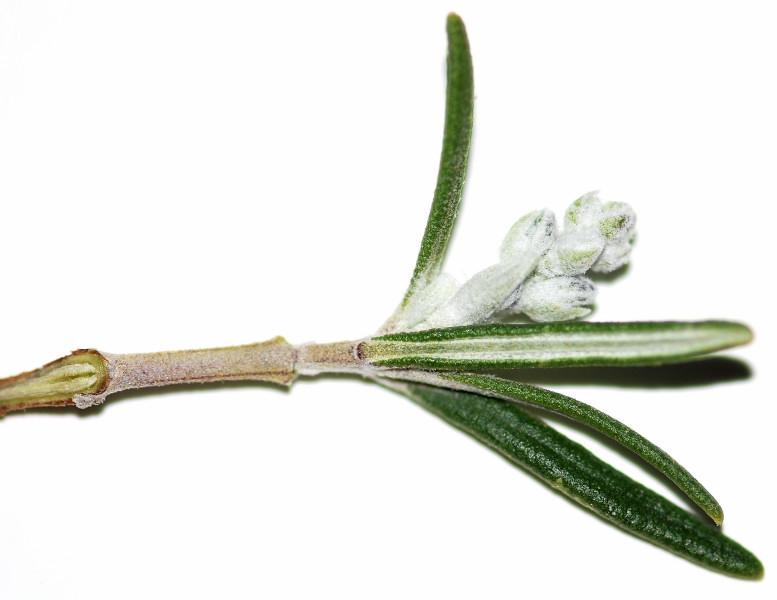
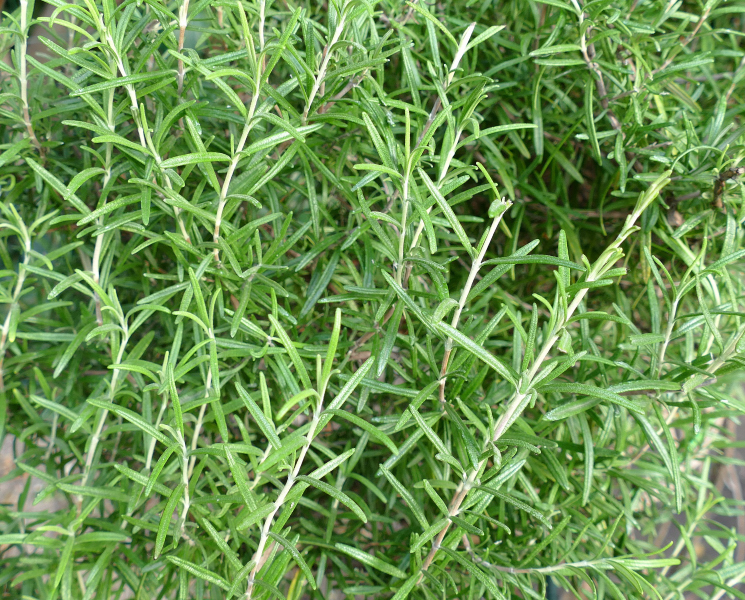
Rosemary, currently classified as Salvia rosmarinus (formerly Rosmarinus officinalis), is an evergreen Mediterranean shrub of the Lamiaceae family, widely recognised for its intense, balsamic aroma and narrow, needle-like leaves. It naturally grows on rocky, sun-exposed slopes and dry, calcareous soils, showing remarkable tolerance to heat, drought and salty winds, which makes it a typical species of coastal and garrigue habitats.
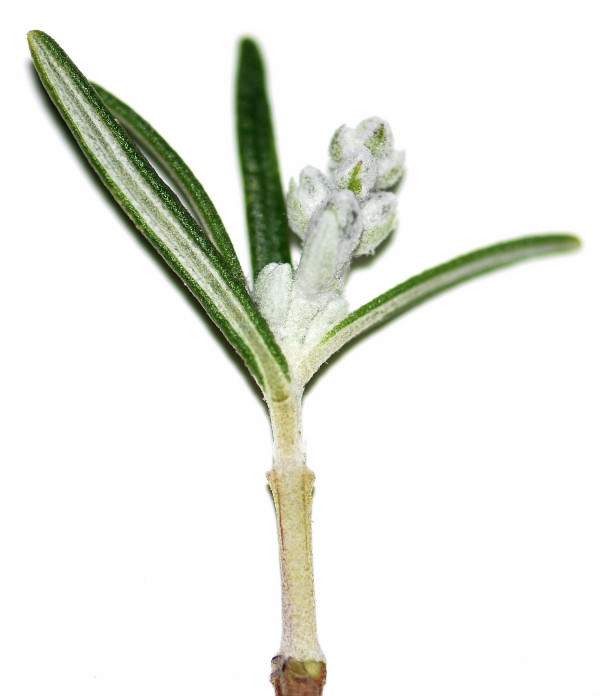
The leaves are linear and leathery, dark green on the upper surface and paler on the underside due to the presence of fine hairs and glands containing essential oil. The flowers, usually pale blue to lilac (sometimes white), appear mainly in spring but can occur several times a year in mild climates. Rosemary is highly attractive to pollinators, particularly bees, and contributes to the production of rosemary honey with a delicate, characteristic flavour. Its strong, resinous odour and robust flavour have made it a cornerstone of Mediterranean cuisine and traditional herbalism.

Common name: rosemary
Botanical name: Salvia rosmarinus (syn. Rosmarinus officinalis)
Botanical family: Lamiaceae
Native range: Mediterranean area
Habit: evergreen, highly branched shrub
Height: 50–150 cm (up to over 2 m in the most vigorous varieties)
Lifespan: perennial, very long-lived under favorable conditions
A typically Mediterranean plant, it prefers mild climates.
Tolerates heat and drought very well.
Can withstand short, light frosts; suffers from intense and prolonged cold, especially with wet soil.
Grows best in full sun.
In very shady positions it tends to:
grow lanky and less compact,
produce fewer aromatic leaves.
Ideal soil:
sandy or gravelly,
well drained,
poor or moderately fertile.
Tolerates calcareous soils.
Does not tolerate waterlogging or heavy, clayey soils.
Once well established, it is highly drought tolerant.
In open ground:
water only during long, very dry periods;
better a few deep waterings than frequent light ones.
In pots:
water when the substrate is almost dry;
avoid leaving water in saucers.
Ideal range: 15–28 °C.
Can withstand down to about –5 °C, provided the soil is well drained and the site is sheltered.
In cold areas, winter protection is useful (mulching at the base, non-woven fabric).
Needs little nutrition.
A light annual input of:
well-matured compost or well-rotted manure,
or a mild fertilizer for Mediterranean plants.
Avoid excessive nitrogen, which promotes soft growth with lower aromatic intensity.
Perform light pruning after flowering or at the end of winter to:
keep the bush compact,
prevent excessive lignification and emptying in the center.
Avoid drastic cuts into old, leafless wood.
Remove dead or damaged branches.
In pots, repot every 2–3 years using a very free-draining mix (soil, sand, some gravel).
Leaves can be harvested all year round, preferably:
in the morning, after the dew has dried,
from well-established plants.
For culinary and herbal uses, quality is best in spring and summer.
Sprigs can be dried in bunches in a shaded, airy place.
Main methods:
semi-woody cuttings (most common), taken from non-flowering shoots in spring or late summer;
layering: bend a branch to the ground until it roots, then separate;
seed, used less because it is slower and less uniform.
Cuttings root best in a light substrate (peat and sand) kept moist but not waterlogged.
Indicative nutritional values per 100 g (dried leaves)
(Typical use is in much smaller amounts; these values serve as a compositional reference.)
Energy: ~330 kcal
Carbohydrates: 20–25 g
Total fibre: 40–45 g
Protein: 4–6 g
Total fat: 13–15 g
Minerals: notable amounts of calcium, iron, magnesium, potassium
Vitamins: small amounts of vitamin C, provitamin A (carotenoids) and B-group vitamins
Key constituents
Essential oil components
1,8-cineole (eucalyptol)
Camphor
α-pinene, β-pinene
Borneol and other monoterpenes
Phenolic acids
Rosmarinic acid
Caffeic acid
Ferulic acid and related compounds
Phenolic diterpenes
Carnosic acid
Carnosol
Related antioxidant diterpenes
Flavonoids
Apigenin, luteolin, diosmin and derivatives
Other compounds
Tannins
Resins and bitter substances
The exact profile depends on variety, environmental conditions and harvest stage.
Production process
Harvesting
Leaves and flowering tops are harvested when aromatic intensity and essential oil content are highest, typically from spring to early summer in Mediterranean climates.
Cleaning
Removal of foreign matter, damaged plant material and excessive woody stems to obtain a clean, uniform herbal raw material.
Drying
Slow drying in shaded, well-ventilated areas or controlled low-temperature dryers to preserve essential oil and colour.
Cutting and grading
Dried leaves are cut or lightly ground and sieved to achieve the desired particle size for culinary herbs, herbal teas or industrial use.
Essential oil production
Fresh or partially dried aerial parts are subjected to steam distillation to obtain rosemary essential oil.
The oil is separated from the distillate, dried and filtered before being stored in dark, airtight containers.
Packaging and storage
Dried herb is packed in airtight, light-protective containers.
Oil is stored in dark glass or suitable impermeable containers at cool temperature.
Physical properties
Dried herb: narrow, stiff leaves, dark green to grey-green, with a strong, characteristic smell; low bulk density.
Essential oil: clear, from colourless to pale yellow, highly volatile and with a strong, penetrating fragrance.
Solubility: phenolic and some aromatic compounds are extractable in hot water; the essential oil is lipophilic and disperses in fats or with emulsifiers in water-based systems.
Sensory and technological properties
Aroma: intense balsamic, herbaceous and resinous scent, with notes of pine, camphor and light citrus facets in some chemotypes.
Taste: strong, bitter–aromatic, slightly pungent and persistent; a small quantity is usually sufficient to characterise a dish.
Heat stability: essential oil and aromatic constituents show good thermal stability, allowing use in roasting, baking and slow cooking without complete loss of aroma.
Technological uses:
Rosemary extracts rich in carnosic acid and carnosol are widely used as natural antioxidants in fats, oils and meat products.
Dried leaves and powders provide flavour, colour accents and visual identity in blends, seasonings and marinades.
Food applications
Culinary herb: seasoning for meat (especially lamb, poultry and pork), fish, potatoes, vegetables, soups, legumes, focaccia, bread, and roasted dishes.
Herbal infusions: used alone or with other herbs for aromatic teas and digestive tisanes.
Flavoured oils and vinegars: fresh or dried sprigs are infused in olive oil or vinegars to produce aromatised condiments.
Processed foods: inclusion in spice mixes, marinades, sausages, snack seasonings and ready meals.
Honey production: rosemary flowers are a key nectar source for rosemary honey, a recognised monofloral honey in many Mediterranean regions.
Nutrition and health
Rosemary is not consumed in large amounts, so its direct contribution in terms of macronutrients is limited. Its main interest is related to bioactive compounds, especially rosmarinic acid, carnosic acid, carnosol, other phenolic acids and essential oil components.
These molecules contribute to a strong antioxidant profile and are used in food technology to protect fats and oils from oxidation. In traditional herbalism, rosemary has been employed as a digestive, aromatic, mildly tonic and balsamic herb. Herbal infusions are generally well tolerated when consumed in moderate amounts as part of a varied diet.
However, concentrated essential oil is much more potent and must be used with caution, respecting established guidelines. It is not intended for uncontrolled internal consumption, particularly in vulnerable groups such as pregnant women, children, or individuals with specific health conditions, who should seek professional advice before use.
Portion note
For a herbal infusion: about 1–2 g of dried rosemary leaves in 200 ml of hot water (one cup), infused for around 5–10 minutes.
For culinary use: typical amounts range from a pinch to one teaspoon of dried leaves (or a small fresh sprig) per serving or per recipe, depending on desired intensity.
Allergens and intolerances
Rosemary is not among the main legally recognised food allergens. Nevertheless:
People sensitive to Lamiaceae or strongly aromatic herbs may experience mild reactions.
The essential oil can provoke skin irritation or sensitisation when used undiluted or at excessive concentrations in topical products.
As with other herbs, individuals with known plant allergies or asthma should introduce rosemary-based herbal products gradually and monitor for any reaction.
In culinary and infusion uses at typical doses, rosemary is generally well tolerated in healthy adults.
Storage and shelf-life
Dried herb
Store in airtight containers, away from light, heat and humidity.
Under good conditions, the herb can maintain acceptable quality for approximately 12–24 months, though aroma gradually declines.
Essential oil
Store in dark glass bottles or suitable, light-protective packaging, tightly closed, in a cool place.
Typical shelf-life: about 24–36 months. Over time, oxidation may change the odour profile and potentially increase irritancy.
Signs such as musty smell, loss of aroma, discolouration or visible mould indicate the herb should no longer be used.
Safety and regulatory
Rosemary leaves are widely recognised as a safe culinary herb and are used under standard food hygiene and botanical quality requirements, including:
Verified botanical identity (Salvia rosmarinus / Rosmarinus officinalis) and absence of adulteration.
Compliance with regulatory limits for pesticide residues, heavy metals, mycotoxins and microbiological parameters.
Rosemary extracts rich in carnosic acid and carnosol are also authorised in many jurisdictions as antioxidant food additives (natural extracts), with defined purity criteria and maximum use levels, depending on the food category.
In cosmetics, rosemary essential oil and rosemary extracts are regulated as cosmetic ingredients and must comply with relevant laws on safety assessment, purity, allergen labelling and good manufacturing practice.
Labelling
For food and herbal products containing rosemary, typical labelling aspects include:
Ingredient name: e.g. “rosemary (Salvia rosmarinus) leaves” or similar wording, clearly indicating plant and part used.
List of ingredients: rosemary listed among other ingredients in descending order by weight for foods.
Instructions for use: for teas, recommended dose, infusion time and daily intake; for culinary products, guidance on use may be provided.
Storage conditions: e.g. “store in a cool, dry place away from light”.
Warnings (if applicable): especially for products with concentrated extracts or essential oil, such as “not to be taken undiluted” or “not a substitute for a varied diet and healthy lifestyle”.
In cosmetics, rosemary-derived ingredients are declared via their INCI names (e.g. Rosmarinus Officinalis Leaf Extract, Rosmarinus Officinalis Leaf Oil, or Salvia Rosmarinus names as they are updated).
Troubleshooting
Weak aroma in dried herb
Possible causes: old stock, inadequate drying, or excessive exposure to air and light.
Solutions: improve drying conditions, use fresher batches, store in airtight, opaque packaging.
Infusion too intense or bitter
Possible causes: too high dose of herb or excessive infusion time.
Solutions: reduce the herb quantity, shorten infusion time, or blend with milder herbs.
Mould or off-odours in dried rosemary
Possible causes: high residual moisture or storage in a humid environment.
Solutions: check drying process, reduce moisture, improve container closure and storage climate.
Oxidised essential oil
Possible causes: exposure to light, heat or oxygen over time.
Solutions: store in dark, well-sealed bottles at cool temperature, minimise headspace and consider appropriate antioxidants where permitted.
Sustainability and supply chain
Rosemary is generally a low-input crop well suited to Mediterranean climates, and can be cultivated with relatively low environmental impact:
Agronomic aspects: it tolerates dry conditions, requiring limited irrigation in many areas; this helps reduce water use.
Agrochemicals: modest fertiliser and pesticide requirements when grown under integrated or organic practices.
By-product use: pruning residues and spent material from distillation can be used as mulch or compost, contributing to circular resource use.
Traceability: documented origin, harvesting, drying and processing support quality, safety and market transparency.
Environmental management: facilities involved in washing, extraction and distillation should control BOD/COD and other parameters of effluents to limit environmental impact.
Overall, rosemary fits well into sustainable aromatic plant systems when good agricultural, environmental and processing practices are applied.
Main INCI functions (cosmetics)
In cosmetic products, rosemary-derived ingredients typically appear with INCI names such as Rosmarinus Officinalis Leaf Extract, Rosmarinus Officinalis Leaf Oil, Rosmarinus Officinalis Flower Extract, etc. Their main functions include:
Antioxidant: helping protect formulations (and indirectly the skin surface) against oxidative degradation.
Fragrance: contributing a fresh, herbaceous, camphoraceous scent to perfumes, creams, shampoos and cleansing products.
Skin conditioning: supporting the maintenance of the skin in good condition.
Toning and astringent: used in tonics and lotions to impart a mild toning and refreshing sensation.
Cleansing / purifying support: especially in products intended for oily or impure skin and scalp, often in synergy with other ingredients.
Conclusion
Rosemary (Salvia rosmarinus) is one of the most important Mediterranean aromatic plants, valued for its balsamic aroma, high essential oil content, and rich phenolic profile. It plays a prominent role in cuisine, herbal practice, food technology (as a natural antioxidant source) and cosmetics.
Due to its robustness, ease of cultivation and multiple uses, rosemary is a versatile, sustainable botanical resource. When grown and processed under good practices, it offers high-quality ingredients that connect traditional uses with modern food, herbal and cosmetic applications, with a favourable balance between functionality and environmental impact.
Studies
In the phytochemical analysis of rosemary, 18 components were identified, namely 13 flavones, two organic acids and three diterpenes. A total of 82 components were found in the volatile fractions, including hydrocarbon monoterpenes and 1,8-cineole, camphor, borneol and verbenone as dominant components, α-pinene and camphene among the oxygenated monoterpenes (1).
Among the polyphenolic components present in rosemary, carnosic acid has antioxidant and antimicrobial properties and rosmarinic acid has neuroprotective and anti-inflammatory properties.
Rosmarinic acid also has anti-oxidative properties.
Rosemary extract exerts a relaxing action on the muscles of the trachea and intestines and has therapeutic potential in the prevention of various diseases including cataracts, atherosclerosis, peptic ulcer disease, and cardiovascular disorders (2).
Rosemary essential oil obtained from leaves or flowers is used in dermatology to treat wounds and minor skin eruptions, in gastrointestinal disorders as an anti-dispeptic, diuretic and antispasmodic in renal colic (3), in neurology for headaches and circulation problems, in pneumology as an expectorant.
Mini-glossary
Rosmarinic acid: a phenolic compound typical of Lamiaceae, with strong antioxidant potential and relevance for both food and cosmetic uses.
1,8-cineole (eucalyptol): a monoterpene oxide giving a fresh, balsamic note in rosemary and other aromatic plants.
Carnosic acid / carnosol: phenolic diterpenes in rosemary leaves widely used as natural antioxidants in food and cosmetic products.
Steam distillation: a process in which steam passes through plant material to volatilise and carry off essential oil components, later condensed and separated.
GMP/HACCP (good manufacturing practice / hazard analysis and critical control points): structured systems ensuring quality, hygiene and safety in production processes.
BOD/COD (biochemical oxygen demand / chemical oxygen demand): key parameters for assessing the organic load of wastewaters and the environmental impact of processing plants.
References_______________________________________________________________________
(1) Napoli EM, Siracusa L, Saija A, Speciale A, Trombetta D, Tuttolomondo T, La Bella S, Licata M, Virga G, Leone R, Leto C, Rubino L, Ruberto G. Wild Sicilian rosemary: phytochemical and morphological screening and antioxidant activity evaluation of extracts and essential oils. Chem Biodivers. 2015 Jul;12(7):1075-94. doi: 10.1002/cbdv.201400274.
(2) al-Sereiti MR, Abu-Amer KM, Sen P. Pharmacology of rosemary (Rosmarinus officinalis Linn.) and its therapeutic potentials. Indian J Exp Biol. 1999 Feb;37(2):124-30. Review.
Abstract. The use of plants is as old as the mankind. Natural products are cheap and claimed to be safe. They are also suitable raw material for production of new synthetic agents. Rosemary (Rosmarinus officinalis Linn.) is a common household plant grown in many parts of the world. It is used for flavouring food, a beverage drink, as well as in cosmetics; in folk.medicine it is used as an antispasmodic in renal colic and dysmenorrhoea, in relieving respiratory disorders and to stimulate growth of hair. Extract of rosemary relaxes smooth muscles of trachea and intestine, and has choleretic, hepatoprotective and antitumerogenic activity. The most important constituents of rosemary are caffeic acid and its derivatives such as rosmarinic acid. These compounds have antioxidant effect. The phenolic compound, rosmarinic acid, obtains one of its phenolic rings from phenylalanine via caffeic acid and the other from tyrosine via dihydroxyphen
| Sign up to vote this object, vote his reviews and to contribute to Tiiips.EvaluateClose | (0 comments) |
Read other Tiiips about this object in __Italiano (4)
Content:  
Last update:   2022-11-08 11:17:26 | Kcal/100g:   131 Family:   Threat factors:   |


