

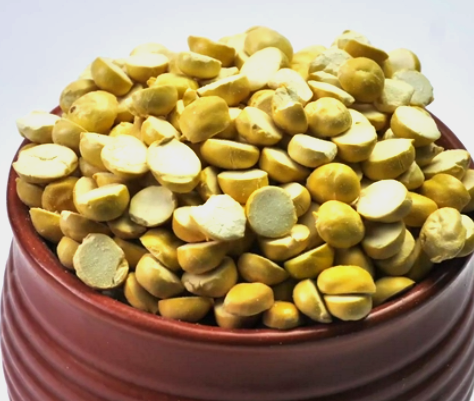
Chickpeas
Rating : 7
| Evaluation | N. Experts | Evaluation | N. Experts |
|---|---|---|---|
| 1 | 6 | ||
| 2 | 7 | ||
| 3 | 8 | ||
| 4 | 9 | ||
| 5 | 10 |
8 pts from Al222
| Sign up to vote this object, vote his reviews and to contribute to Tiiips.Evaluate | Where is this found? |
| "Chickpeas. Studies on properties, i" about Chickpeas Review Consensus 8 by Al222 (23254 pt) | 2021-Feb-15 15:47 |
| Read the full Tiiip | (Send your comment) |
Compendium of the most significant studies on properties, intake, and effects.
Dulce-María DA, Adrián CR, Cuauhtémoc RM, Ada-Keila MN, Jorge MC, Erika AS, Edith-Oliva CR. Isoflavones from black chickpea (Cicer arietinum L) sprouts with antioxidant and antiproliferative activity. Saudi J Biol Sci. 2021 Jan;28(1):1141-1146. doi: 10.1016/j.sjbs.2020.11.048.
Haileslassie HA, Ramikie R, Vatanparast H, Ramdath DD, Froehlich Chow A, Shand P, Engler-Stringer R, Lieffers JR, Hood-Niefer S, Henry C. A Nutrition Intervention to Promote the Consumption of Pulse-Based Foods in Childcare Centers: Protocol for a Multimethod Study. JMIR Res Protoc. 2020 Dec 24;9(12):e22775. doi: 10.2196/22775.

Pietrasik Z, Soladoye OP. Functionality and consumer acceptability of low-fat breakfast sausages processed with non meat ingredients of pulse derivatives. J Sci Food Agric. 2021 Jan 11. doi: 10.1002/jsfa.11084.
Rachwa-Rosiak D, Nebesny E, Budryn G. Chickpeas—composition, nutritional value, health benefits, application to bread and snacks: a review. Crit Rev Food Sci Nutr. 2015;55(8):1137-45. doi: 10.1080/10408398.2012.687418.
Serrano-Sandoval SN, Guardado-Félix D, Gutiérrez-Uribe JA. Changes in digestibility of proteins from chickpeas (Cicer arietinum L.) germinated in presence of selenium and antioxidant capacity of hydrolysates. Food Chem. 2019 Jul 1;285:290-295. doi:10.1016/j.foodchem.2019.01.137.
Acharjee S, Sarmah BK. Biotechnologically generating 'super chickpea' for food and nutritional security. Plant Sci. 2013 Jun;207:108-16. doi: 10.1016/j.plantsci.2013.02.003.
Simsek S, Herken EN, Ovando-Martinez M. Chemical composition, nutritional value and in vitro starch digestibility of roasted chickpeas. J Sci Food Agric. 2016 Jun;96(8):2896-905. doi: 10.1002/jsfa.7461.
Gupta S, Liu C, Sathe SK. Quality of a Chickpea-Based High Protein Snack. J Food Sci. 2019 Jun;84(6):1621-1630. doi: 10.1111/1750-3841.14636.
Sharma KK, Bhatnagar-Mathur P, Jayanand B. Chickpea (Cicer arietinum L.). Methods Mol Biol. 2006;343:313-23. doi: 10.1385/1-59745-130-4:313.
Jogihalli P, Singh L, Kumar K, Sharanagat VS. Physico-functional and antioxidant properties of sand-roasted chickpea (Cicer arietinum). Food Chem. 2017 Dec 15;237:1124-1132. doi: 10.1016/j.foodchem.2017.06.069.

Singh D, Sharma NL, Singh CK, Sarkar SK, Singh I, Dotaniya ML. Effect of chromium (VI) toxicity on morpho-physiological characteristics, yield, and yield components of two chickpea (Cicer arietinum L.) varieties. PLoS One. 2020 Dec 3;15(12):e0243032. doi: 10.1371/journal.pone.0243032.
Milán-Noris AK, Gutiérrez-Uribe JA, Santacruz A, Serna-Saldívar SO, Martínez-Villaluenga C. Peptides and isoflavones in gastrointestinal digests contribute to the anti-inflammatory potential of cooked or germinated desi and kabuli chickpea (Cicer arietinum L.). Food Chem. 2018 Dec 1;268:66-76. doi: 10.1016/j.foodchem.2018.06.068.
Han J, Zhang R, Muheyati D, Lv MX, Aikebaier W, Peng BX. The Effect of Chickpea Dietary Fiber on Lipid Metabolism and Gut Microbiota in High-fat Diet-induced Hyperlipidemia in Rats. J Med Food. 2021 Jan 28. doi: 10.1089/jmf.2020.4800.
De Pasquale I, Verni M, Verardo V, Gómez-Caravaca AM, Rizzello CG. Nutritional and Functional Advantages of the Use of Fermented Black Chickpea Flour for Semolina-Pasta Fortification. Foods. 2021 Jan 18;10(1):182. doi: 10.3390/foods10010182. .
| Sign up to vote this object, vote his reviews and to contribute to Tiiips.EvaluateClose | (0 comments) |
| "Descrizione" about Chickpeas Review Consensus 8 by Al222 (23254 pt) | 2025-Dec-02 10:53 |
| Read the full Tiiip | (Send your comment) |
Chickpeas (Cicer arietinum L.)
Chickpeas are ancient, resilient seeds, round and slightly irregular in shape, with a characteristic sandy-beige color and a matte, lightly textured surface. They belong to the Fabaceae family and grow on a branched herbaceous plant that can adapt to poor soils and hot, dry climates, a trait that favored their spread across Mediterranean and Middle Eastern regions since antiquity. Each pod usually contains one or two seeds, protected by a thin yet resistant outer skin.
When raw, chickpeas are hard and light, almost stone-like between the fingers, while during cooking they absorb water, swell, and become soft and pleasantly dense on the palate. Their warm, rounded aroma recalls the earth, with nutty undertones and gentle floury notes. The flavor is mellow and full, with a natural sweetness that works beautifully in simple preparations such as soups and stews, but also in dishes with more intense character, enriched with spices, herbs, or citrus.
From a nutritional perspective, chickpeas contain plant proteins, fiber, complex carbohydrates, and minerals such as potassium, iron, and phosphorus, along with B-group vitamins. Their creamy texture makes them ideal for turning into smooth, rich purées or spreads, including the iconic hummus, which has made them famous worldwide. At the same time, when left whole, they keep a pleasant bite and become the stars of salads, side dishes, bakes, and one-pot meals.
Chickpeas carry with them an idea of honest, wholesome cooking: rich yet essential, deeply linked to the seasons and to shared meals. They easily absorb the flavors of the ingredients they are cooked with and pair wonderfully with vegetables, grains, and spices, fitting seamlessly into both traditional recipes and contemporary cuisine. With their comforting taste and remarkable versatility, chickpeas remain a beloved ingredient, a symbol of substance, simplicity, and a genuine connection to the land.
Dried legume seeds (family Fabaceae) in two main types: kabuli (larger, light-coloured, thin skin) and desi (smaller, dark; often dehulled/split → chana dal).
Sensory profile: sweet–nutty taste, creamy flesh; skin from thin (kabuli) to firmer (desi). Excellent cooking stability and high purée-ability (e.g., hummus).

Common name: Chickpea (pl. Chickpeas)
Kingdom: Plantae
Clade: Angiosperms
Clade: Eudicots
Order: Fabales
Family: Fabaceae
Genus: Cicer
Species: Cicer arietinum L.
Caloric value (per 100 g)
Dry (as sold): ~360–380 kcal.
Cooked in water, unsalted: ~120–165 kcal, protein 7–9 g, carbohydrates 20–27 g (of which fiber 5–8 g), fat 2–3 g.
Canned (drained): similar to cooked; sodium varies (rinsing lowers Na).
Key constituents
Complex carbohydrates: starch (share of resistant starch increases after cooling).
Proteins ~19–23% d.b. (globulins legumin/vicilin; sulfur amino acids are limiting → complement with cereals).
Dietary fiber (soluble/insoluble: pectins, hemicelluloses); saponins (contribute to aquafaba foaming).
Oligosaccharides (raffinose, stachyose; FODMAP).
Phytates, tannins (mineral chelators); minerals (potassium, magnesium, iron, phosphorus) and B-vitamins (folate, thiamin, B6).
Production process
Selection, cleaning, sizing; controlled drying and barrier packaging for the dry product.
Cooked/ready-to-eat: soaking (or quick hydration), boiling/pressure cooking to tenderness; for canned: brining, filling, retort sterilisation. By-product liquid = aquafaba.
Milling products: dehulling and grinding → chickpea flour (gram/besan); toasted variants (e.g., sattu).
Typical controls: moisture, drained weight (canned), NaCl, pH, metals/mycotoxins, foreign-matter absence.
Sensory and technological properties
High purée-ability (creams/purées, hummus), adds body/viscosity to soups and sauces.
Aquafaba: excellent foaming/emulsifying agent for meringues and vegan mayo (from saponins and soluble proteins).
Post-cook cooling → ↑ RS3 (retrograded resistant starch) with a slightly firmer texture.
Chickpea flour: good binding, golden colour, and toasty notes in bakery and batters.
Food applications
Global cuisines: hummus, falafel, chana masala, panelle, socca/farinata, pakora/tempura with chickpea batter.
Soups/stews/salads, fillings for pasta and grains; veg burgers and spreads.
Sweet and snack items with flour (cookies, crêpes) and aquafaba for aerated structures.
Nutrition and health
Fiber supports satiety and regularity, helping moderate glycaemic response.
Glycaemic index low–moderate, further reduced by cooling (↑ RS3) and eating with fat/protein.
Antinutrients (phytates, enzyme inhibitors, lectins): soaking + cooking (ideally pressure cooking), fermentation/sprouting reduce their impact and improve mineral bioavailability.
FODMAP: oligosaccharides may cause bloating in sensitive individuals → discard soak water and rinse canned chickpeas.
Fat profile
Low total fat. Residual lipids mainly PUFA — polyunsaturated fatty acids (e.g., linoleic n-6; potentially beneficial when balanced but more oxidation-prone) and MUFA — monounsaturated fatty acids (e.g., oleic n-9; often neutral/beneficial), with minimal SFA — saturated fatty acids (best moderated in the overall diet). TFA — trans fatty acids negligible; MCT — medium-chain triglycerides not significant.
Quality and specifications (typical topics)
Dry: moisture ≤ 14–16%, pest-free, uniform size, low breaks/impurities.
Canned: drained weight on spec, uniform texture (avoid overcook), declared sodium; optional CaCl₂ for firmness.
Microbiology: category-appropriate (commercial sterility for canned; pathogens absent/25 g).
Residues: pesticides/heavy metals within limits; no foreign bodies.
Storage and shelf life
Dry: store cool/dry/dark; avoid high temperature/humidity (prevents hard-to-cook phenomenon).
Cooked/refrigerated: ≤4 °C, 3–4 days; freezable after cooking and draining.
Flour: barrier packs; use within 9–12 months to avoid oxidative off-notes.
Allergens and safety
In the EU, chickpeas are not major allergens, but cross-reactivity may occur with other legumes (soy, peanut).
Lectins are inactivated by adequate boiling; avoid undercooking.
Gluten-free naturally; verify cross-contact in mixed facilities.
INCI functions in cosmetics
Possible INCI: Cicer Arietinum Seed Extract / Seed Flour / Protein.
Roles: skin conditioning, light film-forming, absorbent/texturiser in scrubs and masks (use and claims subject to safety review).
Troubleshooting
Endless cooking/firm texture: aged/HTC lots → soak 8–12 h (lightly salted optional), pressure cook; a small baking soda 0.1–0.2% (hummus style) softens skins.
Skins peeling: thermal shocks/excess alkalinity → keep a gentle boil, salt during/after; minimal CaCl₂ for extra firmness.
Flat flavour: adjust salt, acidity (lemon/vinegar), and add good fats (olive oil).
Bloating/flatulence: discard soak water, rinse canned beans well, increase portions gradually; use carminative herbs (bay, fennel).
Sustainability and supply chain
Nitrogen-fixing legume: reduces synthetic fertiliser needs; GHG footprint lower than animal proteins.
Promote crop rotations, efficient water/energy use in soaking/cooking; manage effluents toward BOD/COD targets; recyclable packaging; full traceability under GMP/HACCP.
Labelling
Common names: “chickpeas”, “cooked chickpeas” (canned), “chickpea flour (gram/besan)”.
Potential claims: “source/high in fibre/protein” when regulatory thresholds are met; declare drained weight and salt for canned.
Conclusion
Chickpeas are a versatile, nutrient-dense, and functional ingredient for soups, salads, one-dish meals, and creams/spreads. Proper preparation (soaking and vigorous boiling/pressure cooking), smart use of acidity and fats, and leveraging aquafaba help optimise bioavailability, digestibility, and sensory quality.
Mini-glossary
GI — glycaemic index: blood-glucose response; lowered by fiber, fat, and cooling (↑ RS3).
RS3 — retrograded resistant starch: less digestible starch formed on cooling; can blunt glucose spikes.
FODMAP — fermentable oligo-, di-, mono-saccharides and polyols: may cause bloating; soaking/rinsing reduces them.
SFA — saturated fatty acids: low share here; moderate in overall diet.
MUFA — monounsaturated fatty acids: e.g., oleic n-9; often neutral/beneficial.
PUFA — polyunsaturated fatty acids: e.g., linoleic n-6; beneficial when balanced, more oxidation-prone.
TFA — trans fatty acids: negligible in non-hydrogenated products.
MCT — medium-chain triglycerides: not significant in legumes.
GMP/HACCP — good manufacturing practice / hazard analysis and critical control points: preventive hygiene systems with validated CCPs.
BOD/COD — biochemical/chemical oxygen demand: indicators of wastewater impact along the supply chain.
Studies
Unsaturated fatty acids such as linoleic acid and oleic acid are found in chickpeas
Sterols present are beta-sitosterol, stigmasterol and campesterol.
Among the most interesting vitamins riboflavin, niacin, thiamine, beta-carorene
The health benefits of CP consumption have received recent attention from researchers. Phytic acid, lectins, sterols, saponins, dietary fiber, resistant starch, oligosaccharides, unsaturated fatty acids, amylase inhibitors, and some bioactive compounds such as carotenoids and isoflavones have demonstrated the ability to lower clinical complications associated with various human diseases (1).
Chickpeas have several potential health benefits and, in combination with other legumes and grains, could beneficial effects on some of the important human diseases such as those affecting the cardiovascular system, type 2 diabetes, digestive diseases and some cancers (2).
Chickpeas. Studies on properties, intake and effects
References________________________________________________
(1) Gupta RK, Gupta K, Sharma A, Das M, Ansari IA, Dwivedi PD. Health Risks and Benefits of Chickpea (Cicer arietinum) Consumption.J Agric Food Chem. 2017 Jan 11;65(1):6-22. doi: 10.1021/acs.jafc.6b02629.
Abstract. Chickpeas (CPs) are one of the most commonly consumed legumes, especially in the Mediterranean area as well as in the Western world. Being one of the most nutritional elements of the human diet, CP toxicity and allergy have raised health concerns. CPs may contain various antinutritional compounds, including protease inhibitors, phytic acid, lectins, oligosaccharides, and some phenolic compounds that may impair the utilization of the nutrients by people. Also, high consumption rates of CPs have enhanced the allergic problems in sensitive individuals as they contain many allergens. On the other hand, beneficial health aspects of CP consumption have received attention from researchers recently. Phytic acid, lectins, sterols, saponins, dietary fibers, resistant starch, oligosaccharides, unsaturated fatty acids, amylase inhibitors, and certain bioactive compounds such as carotenoids and isoflavones have shown the capability of lowering the clinical complications associated with various human diseases. The aim of this paper is to unravel the health risks as well as health-promoting aspects of CP consumption and to try to fill the gaps that currently exist. The present review also focuses on various prevention strategies to avoid health risks of CP consumption using simple but promising ways.
Jukanti AK, Gaur PM, Gowda CL, Chibbar RN. Nutritional quality and health benefits of chickpea (Cicer arietinum L.): a review. Br J Nutr. 2012 Aug;108 Suppl 1:S11-26. doi: 10.1017/S0007114512000797.
Abstract. Chickpea (Cicer arietinum L.) is an important pulse crop grown and consumed all over the world, especially in the Afro-Asian countries. It is a good source of carbohydrates and protein, and protein quality is considered to be better than other pulses. Chickpea has significant amounts of all the essential amino acids except sulphur-containing amino acids, which can be complemented by adding cereals to the daily diet. Starch is the major storage carbohydrate followed by dietary fibre, oligosaccharides and simple sugars such as glucose and sucrose. Although lipids are present in low amounts, chickpea is rich in nutritionally important unsaturated fatty acids such as linoleic and oleic acids. β-Sitosterol, campesterol and stigmasterol are important sterols present in chickpea oil. Ca, Mg, P and, especially, K are also present in chickpea seeds. Chickpea is a good source of important vitamins such as riboflavin, niacin, thiamin, folate and the vitamin A precursor β-carotene. As with other pulses, chickpea seeds also contain anti-nutritional factors which can be reduced or eliminated by different cooking techniques. Chickpea has several potential health benefits, and, in combination with other pulses and cereals, it could have beneficial effects on some of the important human diseases such as CVD, type 2 diabetes, digestive diseases and some cancers. Overall, chickpea is an important pulse crop with a diverse array of potential nutritional and health benefits.
(2) Jukanti AK, Gaur PM, Gowda CL, Chibbar RN. Nutritional quality and health benefits of chickpea (Cicer arietinum L.): a review. Br J Nutr. 2012 Aug;108 Suppl 1:S11-26. doi: 10.1017/S0007114512000797.
Abstract. Chickpea (Cicer arietinum L.) is an important pulse crop grown and consumed all over the world, especially in the Afro-Asian countries. It is a good source of carbohydrates and protein, and protein quality is considered to be better than other pulses. Chickpea has significant amounts of all the essential amino acids except sulphur-containing amino acids, which can be complemented by adding cereals to the daily diet. Starch is the major storage carbohydrate followed by dietary fibre, oligosaccharides and simple sugars such as glucose and sucrose. Although lipids are present in low amounts, chickpea is rich in nutritionally important unsaturated fatty acids such as linoleic and oleic acids. β-Sitosterol, campesterol and stigmasterol are important sterols present in chickpea oil. Ca, Mg, P and, especially, K are also present in chickpea seeds. Chickpea is a good source of important vitamins such as riboflavin, niacin, thiamin, folate and the vitamin A precursor β-carotene. As with other pulses, chickpea seeds also contain anti-nutritional factors which can be reduced or eliminated by different cooking techniques. Chickpea has several potential health benefits, and, in combination with other pulses and cereals, it could have beneficial effects on some of the important human diseases such as CVD, type 2 diabetes, digestive diseases and some cancers. Overall, chickpea is an important pulse crop with a diverse array of potential nutritional and health benefits.
Rachwa-Rosiak D, Nebesny E, Budryn G. Chickpeas—composition, nutritional value, health benefits, application to bread and snacks: a review. Crit Rev Food Sci Nutr. 2015;55(8):1137-45. doi: 10.1080/10408398.2012.687418.
Abstract. Chickpea is grain legumes grown mainly in areas with temperate and semiarid climate. It is characterized by a high content of protein, fat, vitamins, fiber, and a lower content of carbohydrates than flour of wheat. Chickpeas may contain antinutritional compounds that can impair utilization of the nutrients by people. Heat treatment is an effective method to increase the amount of protein available for intestinal digestibility. Adding chickpeas to a foodstuff can increase their nutritional value and reduce the acrylamide content. Acrylamide is an antinutritional substance present in foods, such as bread, snacks, and chips. Chickpea flour and protein may be new way to a reduce the content of acrylamide in products of this type. The addition of chickpea flour affects the sensory and textural properties.
| Sign up to vote this object, vote his reviews and to contribute to Tiiips.EvaluateClose | (0 comments) |
Read other Tiiips about this object in __Italiano (2)
Content:   Last update:   2021-02-15 12:33:47 | Kcal/100g:   176 Family:   Threat factors:  
|

