

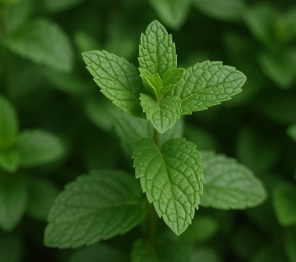
Mentha cervina
Rating : 8
| Evaluation | N. Experts | Evaluation | N. Experts |
|---|---|---|---|
| 1 | 6 | ||
| 2 | 7 | ||
| 3 | 8 | ||
| 4 | 9 | ||
| 5 | 10 |
Pros:
Antifungal (1) Antibacterial (1)Cons:
To be taken in controlled quantity (1)8 pts from FCS777
| Sign up to vote this object, vote his reviews and to contribute to Tiiips.Evaluate | Where is this found? |
| " Mentha cervina studies" about Mentha cervina Review Consensus 8 by FCS777 (5544 pt) | 2019-Sep-08 12:14 |
| Read the full Tiiip | (Send your comment) |
Rodrigues, Leandra & Duarte, Aida & Monteiro, Ana & Brito, Luisa & Figueiredo, A & Póvoa, Orlanda. (2010). Antibacterial and antifungal activity of Mentha cervina essential oils and their main components. Planta Medica - PLANTA MED. 76. 10.1055/s-0030-1264750.
Póvoa, Orlanda & Farinha, Noemia & Marinho, S & Nunes, P & Godinho, Daniela & Mata, Fernando & Rodrigues, Leandra & Monteiro, Ana. (2006). Pennyroyal (Mentha pulegium) and Hart’s Pennyroyal (Mentha cervina) Biodiversity in Alentejo, Portugal.. Acta horticulturae. 723. 91-8. 10.17660/ActaHortic.2006.723.8.
Pulegone inhibits inflammation via suppression of NLRP3 inflammasome and reducing cytokine production in mice. Yang Q, Luo J, Lv H, Wen T, Shi B, Liu X, Zeng N. Immunopharmacol Immunotoxicol. 2019 Jun;41(3):420-427. doi: 10.1080/08923973.2019.1588292.
Musca domestica laboratory susceptibility to three ethnobotanical culinary plants.
El Zayyat EA, Soliman MI, Elleboudy NA, Ofaa SE.
Environ Sci Pollut Res Int. 2015 Oct;22(20):15844-52. doi: 10.1007/s11356-015-4796-9.
| Sign up to vote this object, vote his reviews and to contribute to Tiiips.EvaluateClose | (0 comments) |
| "Descrizione" about Mentha cervina Review Consensus 8 by FCS777 (5544 pt) | 2025-Nov-28 17:48 |
| Read the full Tiiip | (Send your comment) |
Mentha cervina is an aromatic herb belonging to the genus Mentha (family Lamiaceae), traditionally used in Mediterranean regions, especially the Iberian Peninsula.
It is a perennial herb with slender, often creeping stems, narrow linear-lanceolate leaves, and lilac to purple flower spikes.
The plant has a strong, penetrating, mint-like aroma, often perceived as more “green” and balsamic than common peppermint or spearmint.
It is used as a culinary herb, in herbal infusions, and as a source of essential oil for traditional and potential industrial applications.

Parent plant: Mentha cervina L.
Kingdom: Plantae
Clade: Angiosperms
Clade: Eudicots
Order: Lamiales
Family: Lamiaceae
Genus: Mentha
Species: Mentha cervina L.
Note: This is a mint species typical of wet habitats (ponds, marshes, stream banks) of the western Mediterranean and adjacent regions. It is often associated with pennyroyal-like uses and has a strong, distinctive scent linked to its pulegone-rich essential oil.
Mentha cervina is a perennial species suited to temperate, humid climates.
It tolerates moderate cold and is hardy in many temperate regions when roots/rhizomes are protected by water or moist soil.
In its native habitats it can overwinter underwater, resuming growth in spring.
It tolerates summer heat provided that soil or substrate remain constantly moist or wet.
It grows well from full sun to partial shade.
In full sun, it tends to develop a stronger aroma and denser foliage, as long as water supply is abundant.
In partial shade, it performs very well in constantly wet or shallow aquatic environments (pond shelves, marsh edges).
Mentha cervina is strongly linked to wet environments and prefers:
Permanently moist to waterlogged soils, including shallow standing water.
Substrates from silty to peaty or loamy, rich in organic matter.
Situations such as pond margins, shallow shelves, ditches, stream banks, temporary pools and marshes.
In garden cultivation it is ideal for planting:
on shallow pond shelves,
in wet mud or soils that remain saturated for long periods.
Water requirement is very high.
The substrate should never be allowed to dry out.
It can grow with several centimetres of water above the root zone (typical for pond-shelf planting).
In pots or in ordinary garden beds away from open water, it requires frequent and abundant irrigation to maintain constant moisture.
Active growth typically occurs between about 15–28 °C.
It withstands cool winters if the rhizomes remain in wet, unfrozen substrate or shallow water.
In hot summers, maintaining a cool, wet substrate is essential to avoid water stress and foliage decline.
Like other mints, Mentha cervina is not extremely demanding but responds well to nutrient-rich, organic soils.
Nitrogen: stimulates vegetative growth; avoid excessive applications that would make the plant too soft and lush.
Phosphorus: supports root and rhizome development.
Potassium: improves stress tolerance and essential oil production.
In most cases, moderate additions of well-rotted compost are sufficient.
It is a spreading species, expanding by rhizomes and forming dense clumps or mats, especially in wet soils. In confined spaces, it is often best grown in baskets or containers (for ponds) to limit spread.
In wetland conditions it tends to outcompete many weeds, so weed control needs are modest.
Cutting back or trimming after flowering helps to:
keep the clump compact,
stimulate fresh vegetative regrowth.
It is generally robust against pests, but like other mints may occasionally suffer from mint rust or powdery mildew under poor air circulation or stress.
The usable parts are the aerial shoots and leaves, harvested in late spring and summer.
The best time for maximum aromatic intensity is just before or at the beginning of flowering.
Shoots can be used fresh or dried in thin layers in a shaded, well-ventilated place.
In some traditional cuisines (for example in parts of Portugal) it has been used to flavour stews, soups, cheeses and liqueurs, though the pulegone-rich essential oil suggests caution in high or prolonged intake.
Mentha cervina propagates very easily:
Division of clumps or rhizomes: the most practical and reliable method, usually done in spring.
Stem cuttings: root readily in water or in a constantly moist substrate.
Seeds: possible, but less commonly used in cultivation, as the plant tends to spread effectively by vegetative means and seed progeny are less uniform.
Energy: ~40–60 kcal
Water: ~80–86 g
Carbohydrates: ~5–10 g
sugars: ~5–9 g
Total dietary fibre: ~3–7 g
Protein: ~3–4 g
Total fat: ~0,5–1 g
SFA: very low (excess dietary saturated fats may have unfavourable effects)
MUFA: traces
PUFA: traces
Vitamins: vitamin C, vitamin A (carotenoids), small amounts of B-group vitamins
Minerals: calcium, iron, potassium, magnesium, phosphorus
Bioactive compounds: monoterpenes (e.g. pulegone, menthone), phenolic acids, flavonoids
(Values are extrapolated from fresh mint species; Mentha cervina is used in much smaller amounts than 100 g due to its intense flavour.)
Essential oil components (quantitatively dominant in Mentha cervina):
pulegone (major constituent, often the main component of the oil)
isomenthone
menthone
limonene and other monoterpenes
Phenolic compounds:
phenolic acids (rosmarinic acid, caffeic acid and related derivatives)
flavonoids (luteolin, apigenin and their glycosides, depending on chemotype)
Vitamins: vitamin C, provitamin A (carotenoids)
Minerals: calcium, iron, potassium, magnesium
Dietary fibre: mostly insoluble, with some soluble fibre
Chlorophylls and other pigments contributing to the green colour.
Cultivation
Grown in well-drained soils, often in temperate to Mediterranean climates.
Propagated from cuttings or divisions, as hybridisation and vegetative propagation are common in Mentha spp.
Harvesting
Aerial parts (leaves and flowering tops) are harvested during the flowering stage, when essential oil content and aroma are typically highest.
Sorting
Removal of yellowed, damaged or contaminated material; elimination of soil and foreign matter.
Drying (if dried herb is produced)
Low-temperature drying (typically below 40 °C) in shaded, well-ventilated conditions to preserve colour and volatile compounds.
Essential oil production
Hydrodistillation or steam distillation of aerial parts to obtain essential oil rich in pulegone and related monoterpenes.
Storage
Dried herb stored in airtight containers, away from light and moisture.
Essential oil stored in dark glass bottles, filled as much as possible to limit headspace, at cool and stable temperatures.
Packaging
Fresh herb packed in punnets or bunches.
Dried herb packed in sachets, jars or bulk containers.
Essential oil packed in small glass bottles, clearly labelled for use and precautions.
Plant habit: low, creeping or semi-erect perennial herb.
Leaf morphology: narrow, linear to lanceolate leaves, opposite on the stem.
Colour (fresh herb): bright to deep green; dried herb: olive green to brownish-green.
Essential oil:
appearance: clear to pale yellow liquid
approximate density: around 0.88–0.92 g/mL (varies with composition)
refractive index and optical rotation dependent on pulegone/menthone ratio.
Solubility: essential oil is lipophilic, very slightly soluble in water, miscible with common cosmetic and food-grade oils and solvents (e.g. ethanol).
Aroma: very strong, minty, balsamic, with herbal and “green” notes; can be more pungent and penetrating than peppermint.
Taste: intense, cooling, slightly bitter at higher concentrations.
High flavouring power: small amounts are sufficient in culinary and beverage applications.
Volatility: essential oil is highly volatile, requiring airtight packaging and minimal exposure to heat, light, and air.
Technological uses:
flavouring agent in food and beverages
fragrance component in cosmetics and personal care
potential antimicrobial and antioxidant functionality in certain applications, depending on formulation and dose.
(Always subject to local regulations and safety limits for specific components such as pulegone.)
Herbal infusions and teas (dried or fresh aerial parts).
Flavouring of traditional dishes in some Mediterranean regions (soups, stews, meat dishes, pulses).
Aromatic ingredient in sauces, marinades and vegetable-based preparations.
Flavouring for confectionery, chocolates and bakery products in small amounts.
Component of flavour blends for beverages (soft drinks, herbal drinks, liqueurs), where legally permitted and under controlled conditions.
Provides vitamins (vitamin C, provitamin A) and minerals (iron, calcium, potassium) that contribute to general nutritional intake when consumed as part of a varied diet.
Phenolic compounds and flavonoids are associated with antioxidant and potential anti-inflammatory properties in Mentha species.
Traditionally used in herbal medicine for digestive comfort and respiratory support in certain cultures, although these uses require appropriate evaluation and are not a substitute for medical treatment.
Because Mentha cervina essential oil is rich in monoterpene ketones such as pulegone, uncontrolled or excessive ingestion of the essential oil is not recommended and can pose health risks (e.g. hepatotoxicity in high doses).
Fresh leaves in food: typically 2–10 g per serving, depending on the intensity desired and recipe.
Dried herb in infusions: usually 1–2 g per cup as part of an herbal blend.
Essential oil: only food-grade oil, if legally authorised, and strictly within regulated and professionally determined limits; not intended for direct household ingestion in pure form.
Mentha cervina is generally well tolerated when used as a culinary herb in normal amounts.
Possible sensitivity or cross-reactivity may occur in individuals allergic to Lamiaceae plants (mint family).
Essential oil can cause skin irritation or sensitisation in susceptible individuals, especially at high concentrations or on damaged skin.
It is not among the main regulated food allergens in EU legislation, but cross-contamination with other allergens may occur during processing.
Fresh herb:
3–5 days in the refrigerator (around 4 °C) in semi-permeable packaging (e.g. perforated bags or clamshells).
Dried herb:
up to about 12 months in cool, dry conditions, away from light and strong odours, if properly packaged and protected from moisture.
Essential oil:
approximately 2–3 years in well-closed dark glass bottles, at cool temperature and protected from air and light (beyond that, oxidation and change in composition may occur).
Excessive humidity, heat or oxygen exposure accelerate loss of aroma and degradation of active constituents.
General food safety and hygiene requirements apply along the chain (cultivation, harvesting, drying, packaging), typically managed through GMP/HACCP principles.
Essential oils rich in monoterpene ketones such as pulegone are subject to specific safety evaluations; maximum use levels may be specified for certain applications (food, cosmetics, aromatherapy) by relevant authorities.
Essential oil should not be ingested directly in pure form; only products specifically formulated and authorised for food use should be consumed, and always in accordance with recommended doses.
Vulnerable groups (e.g. pregnant women, small children, individuals with liver diseases) should exercise particular caution with products high in pulegone or follow professional advice.
Dried or fresh herb (food use):
Sales name: typically “mint” or “Mentha cervina” (if marketed by species), possibly accompanied by common or traditional local names.
Indication of net weight, lot, expiry date or best-before date, storage conditions, and origin according to local legislation.
Essential oil (cosmetic or aromatherapy use):
INCI name (for cosmetics, if applicable), botanical name (Mentha cervina), part used (herb, aerial parts), method of extraction (steam distillation), and country of origin.
Precautions for use (e.g. “for external use only”, “dilute before use”, warnings for specific populations) where required by law.
If used as a flavouring in processed food, it must be declared in the ingredient list according to applicable flavouring regulations (e.g. “natural flavouring”, “mint flavour”, or specific name where required).
Loss of aroma in dried herb
Possible causes: drying temperature too high, prolonged storage, exposure to light and oxygen, use of non-airtight containers.
Discolouration (browning) of dried material
Possible causes: slow drying, excessive humidity, enzymatic browning; improve drying conditions and moisture control.
Rancid or off-odours in essential oil
Possible causes: oxidation due to poor closure, long storage, or high temperature; use antioxidants when permitted, improve packaging, or shorten shelf-life.
Overly pungent or unpleasant taste in food products
Possible causes: excessive dosage (Mentha cervina is very potent), or use of oil rather than leaf; reduce dosage and adjust formulation.
Mentha cervina cultivation generally has moderate input requirements; it can be grown with limited pesticide use under integrated or organic management.
Water and fertiliser use can be optimised through good agronomic practices, reducing environmental impact.
Distillation for essential oil production generates wastewater and biomass residues; appropriate treatment of effluents is needed, including monitoring of BOD/COD in wastewater to minimise environmental impact.
Plant residues can often be used as compost or biomass, contributing to circular economy approaches on the farm or distillery.
Short supply chains, local sourcing and seasonal production can reduce transport-related emissions and support regional agro-biodiversity.
(For extracts and oils derived from Mentha cervina or closely related mint species, depending on the exact cosmetic ingredient specification.)
Fragrance / perfuming: provides fresh, minty and herbal notes to cosmetic and personal care products.
Skin conditioning: contributes to a pleasant skin feel and may support softness and comfort.
Masking: helps to reduce or mask unwanted odours from other formulation components.
Tonic / refreshing: associated with a sensation of freshness and “toning” effect on the skin or scalp.
Antioxidant: certain extract types rich in polyphenols can contribute to protection of the formulation and/or skin from oxidative processes.
Mentha cervina is an aromatic mint species with a highly characteristic, pungent, balsamic aroma and a chemical profile dominated by pulegone and related monoterpenes in its essential oil.
It provides nutritional micronutrients and bioactive compounds when used as an herb, while its strong flavour limits the quantities consumed.
The plant has applications in foods, herbal infusions and cosmetics, but its essential oil requires careful, regulated use because of the presence of monoterpene ketones such as pulegone.
Proper agricultural practices, controlled drying, correct storage, and attention to safety regulations are key to fully valorising Mentha cervina in a safe and sustainable way across the food and cosmetic supply chains.
SFA: Saturated fatty acids – fats with no double bonds; excessive intake may be linked to increased cardiovascular risk when replacing more unsaturated fats.
MUFA: Monounsaturated fatty acids – fats with one double bond; generally considered favourable when they replace saturated fats in the diet.
PUFA: Polyunsaturated fatty acids – fats with two or more double bonds (including n-6 and n-3 series); contribute to normal heart function within a balanced diet.
GMP: Good manufacturing practices – set of procedures and principles that ensure consistent product quality and hygiene throughout production.
HACCP: Hazard analysis and critical control points – preventive food safety management system used to identify and control significant hazards.
BOD: Biological oxygen demand – measure of the amount of oxygen required by microorganisms to decompose organic matter in water; an indicator of organic pollution.
COD: Chemical oxygen demand – measure of the oxygen equivalent of the chemically oxidisable substances present in water; used to assess total pollution load.
Studies
Mentha cervina was used in traditional medicine as a remedy for digestive disorders, fever and abortion.
Among its components are interesting monoterpenes (1) such as Eucalyptol (6.76%), Linalool (6.44%), l-Menthone (6.99%) and p-Menthone (6.91%) used in cosmetics for their particular aroma that resembles menthol. But above all, it is present with 58.54% of the Pulegone that smells of mint, is widely used in cosmetics, occasionally included in food as a food additive and that has anti-inflammatory properties (2), but that can exercise hepatotoxicity at certain concentrations and with large inter-individual differences (3).
The lemon essential oil with a low content of pulegone has also been studied for its alternative antifungal activity in dermatophytosis, contagious infections caused by fungi (4).
References_____________________________________________
(1) Helal IM, El-Bessoumy A, Al-Bataineh E, Joseph MRP, Rajagopalan P, Chandramoorthy HC, Ben Hadj Ahmed S. Antimicrobial Efficiency of Essential Oils from Traditional Medicinal Plants of Asir Region, Saudi Arabia, over Drug Resistant Isolates Biomed Res Int. 2019 Jan 17;2019:8928306. doi: 10.1155/2019/8928306.
Abstract. Antimicrobial resistance (AMR) is a recurring global problem, which constantly demands new antimicrobial compounds to challenge the resistance. It is well known that essential oils (EOs) have been known for biological activities including antimicrobial properties. In this study, EOs from seven aromatic plants of Asir region of southwestern Saudi Arabia were tested for their antimicrobial efficacy against four drug resistant pathogenic bacterial isolates (Staphylococcus aureus, Streptococcus pyogenes, Escherichia coli, and Streptococcus typhimurium) and one fungal isolate (Candida albicans). Chemical compositions of EOs were determined by gas chromatography-mass spectrometry (GC-MS). The results revealed that EOs from Mentha cervina, Ocimum basilicum, and Origanum vulgare proved most active against all isolates with inhibitory zone range between 17 and 45 mm. The lowest minimum inhibitory concentration (MIC) of 0.025mg/ml was observed for Staph. aureus and Streptococcus pyogenes with EO of Origanum vulgare. All the three EOs showed significant anticandida activity. The results related to EOs from Mentha cervina, Ocimum basilicum, and Origanum vulgare demonstrated significant antimicrobial efficacy against drug resistant microorganisms.
(2) Yang Q, Luo J, Lv H, Wen T, Shi B, Liu X, Zeng N. Pulegone inhibits inflammation via suppression of NLRP3 inflammasome and reducing cytokine production in mice Immunopharmacol Immunotoxicol. 2019 Jun;41(3):420-427. doi: 10.1080/08923973.2019.1588292.
Abstract. Context: Pulegone, a key compound in Schizonepeta essential oil, has been identified as an anti-inflammatory. However, its underlying molecular mechanisms on NLR family pyrin domain containing 3 (NLRP3) inflammasome have not been elucidated. Objective: Here, the modulatory effects of pulegone on NLRP3 inflammasome were investigated. Materials and methods: The C57BL/6J mice were randomly divided into five groups: Normal, Lipopolysaccharides (LPS), Dexamethasone (DEX, 5 mg/kg), Pulegone (0.095 and 0.190 g/kg) groups. All mice were challenged by LPS except for the Normal group. Results: A reduced expression of Interleukin-18 (IL-18), Interleukin-1β (IL-1β), Interleukin-5 (IL-5), Tumor necrosis factor-α (TNF-α), Interferon-gamma (IFN-γ), Monocyte chemoattratctant protein-1 (MCP-1), Macrophage inflammatory protein-1β (MIP-1β), Monocyte colony stimulating factor (M-CSF) and Granulocyte-macrophage colony stimulating factor (GM-CSF) in serum were detected in the pulegone groups as compared to the LPS group. In addition, a reduced mRNA and protein expression production of ASC, NLRP3, and Caspase-1 were detected in lungs after pulegone administration. Histological analysis results indicated that the histological changes of lungs caused by LPS were ameliorated by pulegone. Immunohistochemical study showed a decreased positive cell numbers of P2X7R in Pulegone (0.095 and 0.190 g/kg) groups. Conclusion: Pulegone exerts anti-inflammatory effects on LPS-induced sepsis mice via inhibition of the NLRP3 expression.
(3) Zárybnický T, Matoušková P, Lancošová B, Šubrt Z, Skálová L, Boušová I. Inter-Individual Variability in Acute Toxicity of R-Pulegone and R-Menthofuran in Human Liver Slices and Their Influence on miRNA Expression Changes in Comparison to Acetaminophen. Int J Mol Sci. 2018 Jun 19;19(6). pii: E1805. doi: 10.3390/ijms19061805.
Abstract. Monoterpenes R-pulegone (PUL) and R-menthofuran (MF), abundant in the Lamiaceae family, are frequently used in herb and food products. Although their hepatotoxicity was shown in rodent species, information about their effects in human liver has been limited. The aim of our study was to test the effects of PUL, MF and acetaminophen (APAP, as a reference compound) on cell viability and microRNA (miRNA) expression in human precision-cut liver slices. Slices from five patients were used to follow up on the inter-individual variability. PUL was toxic in all liver samples (the half-maximal effective concentration was 4.0 µg/mg of tissue), while MF and surprisingly APAP only in two and three liver samples, respectively. PUL also changed miRNA expression more significantly than MF and APAP. The most pronounced effect was a marked decrease of miR-155-5p expression caused by PUL even in non-toxic concentrations in all five liver samples. Our results showed that PUL is much more toxic than MF and APAP in human liver and that miR-155-5p could be a good marker of PUL early hepatotoxicity. Marked inter-individual variabilities in all our results demonstrate the high probability of significant differences in the hepatotoxicity of tested compounds among people.
(4) Gonçalves MJ, Vicente AM, Cavaleiro C, Salgueiro L. Composition and antifungal activity of the essential oil of Mentha cervina from Portugal. Nat Prod Res. 2007 Aug;21(10):867-71.
Abstract. The chemical composition of the essential oils obtained by hydrodistillation from the aerial parts of Mentha cervina collected during the flowering and vegetative phases of the plants were investigated by GC and GC-MS. Quantitative differences were observed in the compositions, particularly in the amounts of pulegone (12.9-79.6%) and isomenthone (8.7-77.0%). Antifungal activity of the oils was evaluated by minimal inhibitory concentrations (MIC) and minimal lethal concentrations (MLC) against Candida, Apergillus and dermatophyte strains. Antifungal activity of the sample containing lower amounts of pulegone was the highest for dermatophytes, particularly for Epidermophyton floccosum with MIC and MLC values of 0.63 microL mL( - 1). Mentha cervina oils with low content of pulegone, may be an alternative as antifungal agents in dermatophytosis.
| Sign up to vote this object, vote his reviews and to contribute to Tiiips.EvaluateClose | (0 comments) |
Read other Tiiips about this object in __Italiano (2)
Content:   Last update:   2024-08-12 17:08:29 | Kcal/100g:   28 Family:   Threat factors:   |

