

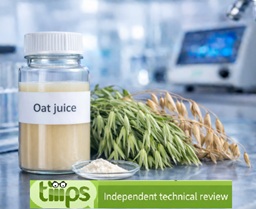
Avena
Media gradimento : 7
| Valutazione | N. Esperti | Valutazione | N. Esperti |
|---|---|---|---|
| 1 | 6 | ||
| 2 | 7 | ||
| 3 | 8 | ||
| 4 | 9 | ||
| 5 | 10 |
Pro:
Antiossidante (1) Protettivo della pelle (1)Contro:
Contiene glutine (1)10 pt da Frank123
| Iscriviti per poter valutare questo oggetto, le sue recensioni e per contribuire a Tiiips.Valuta | Dove si trova? |
| "Avena studi" su Avena Consenso relazione 10 di Frank123 (11988 pt) | 02-gen-2023 18:00 |
| Leggi il Tiiip completo | (Invia il tuo commento) |
Compendio degli studi più significativi con riferimento a proprietà, assunzione, effetti.
Dhakal H, Yang EJ, Lee S, Kim MJ, Baek MC, Lee B, Park PH, Kwon TK, Khang D, Song KS, Kim SH. Avenanthramide C from germinated oats exhibits anti-allergic inflammatory effects in mast cells. Sci Rep. 2019 May 3;9(1):6884. doi: 10.1038/s41598-019-43412-2.
Abstract. Mast cells play a crucial role in allergic diseases via the release of inflammatory mediators, particularly histamine and pro-inflammatory cytokines. Avenanthramide (Avn) C, a polyphenol found mainly in oats, is known to exhibit various biological properties. In this study, we aimed to evaluate the effectiveness of Avn C from germinated oats against mast cell-mediated allergic inflammation. For the in vitro study, RBL-2H3, mouse bone marrow-derived mast cells and rat peritoneal mast cells were used. Avn C (1-100 nM) inhibited the immunoglobulin (Ig)E-stimulated mast cells degranulation by suppressing phosphorylation of phosphoinositide 3-kinase and phospholipase Cγ1 and decreasing intracellular calcium levels. It inhibited IgE-stimulated secretion of inflammatory cytokines via suppression of FcεRI-mediated signaling proteins Lyn, Syk, Akt, and nuclear factor-κB. To verify the effects of Avn C in vivo, ovalbumin-induced active systemic anaphylaxis (ASA) and IgE-mediated passive cutaneous anaphylaxis (PCA) models were used. Oral administration of Avn C dose-dependently attenuated the ASA reactions, as evidenced by the inhibition of hypothermia and reduction of elevated serum histamine, IgE, and interleukin-4 levels. Avn C also inhibited the PCA reactions, such as ear swelling and plasma extravasation. Our results suggested that Avn C from germinated oats might be a possible therapeutic candidate for mast cell-mediated allergic inflammation.
McGorrin RJ. Key Aroma Compounds in Oats and Oat Cereals. J Agric Food Chem. 2019 Dec 18;67(50):13778-13789. doi: 10.1021/acs.jafc.9b00994.
Abstract. Oats possess a unique flavor, comprising grain and nut-like sensory characteristics. The first comprehensive study of oat flavor by Heydanek and McGorrin [ Heydanek , M. G. ; McGorrin , R. J. Gas chromatography-mass spectroscopy investigations on the flavor chemistry of oat groats . J. Agric. Food Chem. 1981 , 29 ( 5 ), 950 - 954 , 10.1021/jf00107a016 ] identified 110 volatile components in oat groats, including C8-C9 unsaturated aldehydes and ketones contributing raw oat grain, hay-feedy, and grassy aromas. A following study on heat-processed oats and cooked oatmeal by Heydanek and McGorrin ( Heydanek , M. G. ; McGorrin , R. J. Oat flavor chemistry: Principles and prospects . In Oats: Chemistry and Technology , 1 st ed.; Webster , F. H. , Ed.; AACC International : St. Paul, MN , 1986 ; pp 335 - 369 ) identified a series of Maillard-derived compounds, including furanones, thiazoles, and 2-methyl-, 2,5-dimethyl-, C3-, and C4-substituted pyrazines. In the subsequent 38 years since these initial research findings, additional identifications of aroma compounds in oat flakes and flours have been reported. This review addresses significant recent developments of the current understanding of oat flavor chemistry and the key aroma compounds that contribute to the unique flavor of oat cereals.
Gilissen LJWJ, van der Meer IM, Smulders MJM. Why Oats Are Safe and Healthy for Celiac Disease Patients. Med Sci (Basel). 2016 Nov 26;4(4):21. doi: 10.3390/medsci4040021.
Abstract. The water-insoluble storage proteins of cereals (prolamins) are called "gluten" in wheat, barley, and rye, and "avenins" in oat. Gluten can provoke celiac disease (CD) in genetically susceptible individuals (those with human leukocyte antigen (HLA)-DQ2 or HLA-DQ8 serotypes). Avenins are present at a lower concentration (10%-15% of total protein content) in oat as compared to gluten in wheat (80%-85%). The avenins in the genus Avena (cultivated oat as well as various wild species of which gene bank accessions were analyzed) are free of the known CD immunogenic epitopes from wheat, barley, and rye. T cells that recognize avenin-specific epitopes have been found very rarely in CD patients. CD patients that consume oats daily do not show significantly increased levels of intraepithelial lymphocyte (EIL) cells. The safety and the positive health effects of the long-term inclusion of oats in the gluten-free diet have been confirmed in long-term studies. Since 2009 (EC 41/2009) and 2013 (FDA) oat products may be sold as gluten-free in several countries provided a gluten contamination level below 20 ppm. Introduction of oats in the gluten-free diet of celiac patients is advised after the recovery of the intestine. Health effects of oat consumption are reflected in European Food Safety Authority (EFSA)- and Food and Drug Administration (FDA)-approved health claims. Oats can form a healthy, nutritious, fiber-rich, and safe complement to the gluten-free diet.
Kosová K, Leišová-Svobodová L, Dvořáček V. Oats as a Safe Alternative to Triticeae Cereals for People Suffering from Celiac Disease? A Review. Plant Foods Hum Nutr. 2020 Jun;75(2):131-141. doi: 10.1007/s11130-020-00800-8.
Abstract. Oats represent a promising alternative to small-grain cereals from Triticeae group (wheat, barley, rye) for persons suffering from any form of gluten intolerance, especially celiac disease (CD), since oat-specific prolamins avenins reveal generally lower gluten content and immunoreactivity. Recent studies on avenin molecular structure revealed large genetic variability in avenin sequences affecting the spectrum of gluten peptides produced by hydrolases in human digestive tract. The aim of the present review is to summarise recent knowledge obtained in laboratory studies focused on the effect of avenin-derived peptides on reactivity of crucial components of human immune system such as dendritic cells (DC) and T-cells. The other part of the review summarises the results of clinical studies with CD patients including oat products in their diet. Since different clinical studies revealed contradictory results regarding potential safety of oats for CD patients, the focus has to be directed at genetic variability in oat avenins. Identification of avenin isoforms with minimum CD immunoreactivity will open up ways leading to designing novel oat cultivars suitable for CD patients. Knowledge on immunoreactivity of gluten peptides together with breeding new oat cultivars revealing minimum avenin immunoreactivity with respect to CD as well as application of food processing technologies leading to gluten content reduction should result in development of gluten-free oats safe for celiacs.
Dong JL, Yang M, Shen RL, Zhai YF, Yu X, Wang Z. Effects of thermal processing on the structural and functional properties of soluble dietary fiber from whole grain oats. Food Sci Technol Int. 2019 Jun;25(4):282-294. doi: 10.1177/1082013218817705.
Abstract. Normal pressure steaming, high pressure steaming, microwave, and frying are widely used to deactivate enzyme in the oats, but these thermal processing methods may affect the structural and functional properties of soluble dietary fiber, which contribute greatly to the health benefits of oat foods. The objective of this study was to evaluate the effects of four different thermal processing methods on the structural and functional properties of soluble dietary fiber from whole grain oats. The results showed that the thermal processing resulted in changes on nutritional components of whole grain oats. Especially dietary fiber components, the total dietary fiber, insoluble dietary fiber, and soluble dietary fiber content of heat-treated oats were significantly increased ( p < 0.05). Moreover, thermal processing can not only result in an increase in molecular weight and particle size, but also cause molecular aggregation and different functional properties of soluble dietary fiber. High pressure steaming-treated oat soluble dietary fiber displayed significantly higher swelling and emulsifying ( p < 0.05), but microwave-treated oat soluble dietary fiber exhibited the highest glucose, cholesterol, and sodium cholate adsorption capacities. These results might provide basic information to help to better understand the functionality of oat soluble dietary fiber and improve the process efficiency of oat foods with high nutritional qualities.
Sargautiene V, Nakurte I, Nikolajeva V. Broad Prebiotic Potential of Non-starch Polysaccharides from Oats (Avena sativa L.): an in vitro Study. Pol J Microbiol. 2018;67(3):307-313. doi: 10.21307/pjm-2018-036.
Abstract. Prebiotics inducing the growth or activity of beneficial intestinal bacteria - probiotics producing short-chain fatty acids (SCFA) have lately received wide recognition for their beneficial influence on host intestinal microbiota and metabolic health. Some non-starch polysaccharides (NSP) are defined as prebiotics and oats being one of richest sources of NSP in grains are considered as potentially having prebiotic effect. However, information on fermentation of specific NSP of oats is limited. Moreover, bacterial cross-feeding interactions in which fermentation of prebiotics is involved is poorly characterized. Here, we report the exploration of new candidates for the syntrophic bacterial interactions and fermentability of oat non-starch polysaccharides (NSP). The results obtained by differentiating composition, viscosity and concentration of oats NSP in fermentation medium showed that Bacillus licheniformis pre-digests oat NSP, degrades high viscosity of oat β-glucan and makes hemicellulose easier to access for other bacteria. Because of fermentation, B. licheniformis produces lactic and succinic acids, which further can be used by other bacteria for cross-feeding and SCFA production. © 2018 Vanda Sargautiene et al.
Wolever TMS, Jones PJH, Jenkins AL, Mollard RC, Wang H, Johnston A, Johnson J, Chu Y. Glycaemic and insulinaemic impact of oats soaked overnight in milk vs. cream of rice with and without sugar, nuts, and seeds: a randomized, controlled trial. Eur J Clin Nutr. 2019 Jan;73(1):86-93. doi: 10.1038/s41430-018-0329-1.
Abstract. Background/objectives: Soaking oats overnight in milk renders them ready to eat the next morning, however, it is unknown whether oats prepared this way will retain its relatively low glycaemic and insulinaemic impact. Therefore, we compared the glycaemic, insulinaemic and subjective hunger responses elicited by oats soaked overnight in 110 g skim-milk (ONO) vs. cooked cream of rice cereal (CR), both with and without inclusions....Conclusions: Oats prepared by soaking overnight in skimmed milk without and with inclusions retain their relatively low glycaemic and insulinaemic impact.
Angelov A, Yaneva-Marinova T, Gotcheva V. Oats as a matrix of choice for developing fermented functional beverages. J Food Sci Technol. 2018 Jul;55(7):2351-2360. doi: 10.1007/s13197-018-3186-y.
Abstract. Development of oat-based fermented beverages started in Europe in the past 30 years with the rise of the functional foods market. It is based on the increasing consumer demand for health drinks and value added foods and on the scientific insights on the nutrition composition of oats. The main health effects of oats are attributed to their high β-glucan content, which is proved to lower blood cholesterol and the intestinal absorption of glucose thus preventing diseases like cardiovascular injury, dyslipidemia, hypertension, inflammatory state and diabetes type 2. Another important role of β- glucan is its prebiotic function in the gastrointestinal tract, supporting the growth of beneficial microbial groups. The slowly digestible fraction of oat starch has a functional role as it moderates the glycaemic response. Oats are also a valuable source of highquality proteins, unsaturated lipids and antioxidants. In addition, oats are appropriate for people suffering from celiac disease because they do not contain gluten. Oat grain processing involves several steps, including thermal processes aiming to prevent oat products from rapid enzymatic deterioration and ensure storage stability. Oat drinks are formulated through processing oat with a liquid ingredient. Further, this matrix is inoculated with lactic acid bacteria to produce a fermented beverage. In some, drinks, probiotic lactic acid bacteria were used to increase product functional value. Thus, the ancient concept of cereal-based fermented foods is implemented into development of new functional oat-based fermented beverages and several products are already marketed in Europe as healthy, fast and convenient supplementary foods.
| Iscriviti per poter valutare questo oggetto, le sue recensioni e per contribuire a Tiiips.ValutaChiudi | (0 commenti) |
| "Descrizione" su Avena Consenso relazione 10 di Frank123 (11988 pt) | 29-nov-2025 10:58 |
| Leggi il Tiiip completo | (Invia il tuo commento) |
Avena sativa è un cereale annuale delle Poaceae, coltivato soprattutto in regioni temperate e fresche. La pianta presenta culmi eretti, foglie lineari e una caratteristica infiorescenza a pannocchia aperta, con spighette pendule che contengono le cariossidi. I chicchi sono allungati, di colore giallo-paglierino, e originariamente rivestiti da glume tenaci: la decorticazione consente di ottenere groats (chicchi nudi), successivamente trasformati in fiocchi, farine o crusca. L’avena è nota per l’elevato contenuto di fibra solubile (β-glucani), un profilo lipidico particolarmente ricco di acidi grassi insaturi e la presenza di composti bioattivi come avenantramidi, apprezzati anche in cosmetica per proprietà lenitive e protettive.

Classificazione botanica
Nome comune: avena, avena comune
Nome scientifico: Avena sativa
Famiglia: Poaceae (Graminaceae)
Genere: Avena
Origine: regioni temperate dell’Europa e dell’Asia occidentale; oggi coltivata in molte aree temperate del mondo
Portamento: cereale annuale, con culmi eretti (60–120 cm), pannocchia lassa e cariossidi spesso vestite, di forma allungata
Coltivazione e condizioni di crescita
Clima
Adatta a climi temperati e temperato–freschi, con primavere fresche ed estati non eccessivamente siccitose.
Più tollerante dell’umidità e delle piogge primaverili rispetto al frumento e all’orzo, ma meno resistente al freddo intenso.
Predilige ambienti collinari e di media altitudine, con buona disponibilità idrica nel ciclo.
Esposizione
Richiede pieno sole per una buona accestitura e riempimento della granella.
In posizioni ombreggiate tende ad allungarsi, allettare e produrre meno.
Terreno
Si adatta bene a suoli di medio impasto, ben drenati, anche leggermente acidi, dove altri cereali si sviluppano con più difficoltà.
Tollera meglio di frumento e orzo i suoli umidi e freschi, ma soffre comunque i ristagni prolungati.
Preferibile un terreno ricco di sostanza organica e ben strutturato.
Irrigazione
Generalmente coltivata in asciutta, sfruttando le piogge autunno–primaverili o primaverili.
In zone con primavere siccitose può beneficiare di una irrigazione di soccorso in accrescimento e in fase di botticella/antesi.
È sensibile alla siccità in levata, fioritura e granigione, con cali di resa se lo stress è prolungato.
Temperatura
Germinazione ottimale tra 5 e 15 °C.
Le forme autunno–vernine tollerano il freddo, ma meno di frumento e orzo; teme gelate intense senza copertura nevosa.
Le colture primaverili preferiscono primavere fresche e estati non troppo calde.
Concimazione
Esigenze nutrizionali intermedie rispetto ad altri cereali.
Richiede una dotazione equilibrata di azoto, fosforo e potassio.
Eccessi di azoto aumentano il rischio di allettamento e possono favorire alcune malattie fungine.
Nei sistemi a basso input si avvantaggia di buone rotazioni con leguminose che arricchiscono il terreno di azoto.
Cure colturali
Richiede una buona preparazione del letto di semina, fine e livellato.
Può essere seminata in autunno (avena vernina) o in primavera (avena primaverile), a seconda della varietà e dell’area.
In genere è abbastanza competitiva verso le infestanti grazie all’accestitura; nelle fasi iniziali, dove necessario, si ricorre a sarchiature meccaniche o diserbi selettivi.
È sensibile ad alcune malattie fungine (ruggini, oidio, elmintosporiosi) e ad allettamento in condizioni di forte spinta vegetativa.
Raccolta
Si raccoglie in genere tra fine giugno e agosto, in funzione dell’epoca di semina e del clima.
La mietitrebbiatura si esegue quando la granella ha raggiunto la maturazione fisiologica e un tenore idrico idoneo alla conservazione.
Il prodotto è destinato ad alimentazione umana, mangimi zootecnici, produzione di fiocchi, farine e talvolta usi tecnici.
Moltiplicazione
Avviene esclusivamente per seme.
È importante usare semente sana e certificata per ridurre la diffusione di malattie trasmesse per seme.
La dose di semina e la densità si regolano in base alla fertilità del terreno, all’epoca di semina e alla destinazione d’uso (foraggera o granella).
Energia: ~370–390 kcal
Acqua: ~8–10 g
Carboidrati: ~60–65 g
amido prevalente
zuccheri semplici: ~1 g
Fibre totali: ~8–12 g
β-glucani: ~3–5 g
Proteine: ~11–15 g
Grassi totali: ~5–7 g
SFA: minoritari
MUFA: quota moderata
PUFA: quota rilevante (prevalenza n-6)
TFA: trascurabili
Vitamine: gruppo B, vitamina E
Minerali: manganese, fosforo, magnesio, zinco, ferro, rame, selenio
Carboidrati e fibre
amido, fibra insolubile, fibra solubile (β-glucani)
Proteine
avenine, con buon profilo aminoacidico per un cereale
Lipidici
acidi grassi insaturi (oleico, linoleico), tocoferoli, fitosteroli
Micronutrienti
vitamine B1, B2, B3, B5, B6, folati, vitamina E
minerali essenziali
Fitocomposti
avenantramidi (tipici dell’avena, bioattivi)
acidi fenolici e antiossidanti naturali
Coltivazione: semina autunnale o primaverile; l’avena tollera suoli acidi e condizioni fresche; utile nelle rotazioni agrarie.
Raccolta: mietitura alla piena maturazione con umidità idonea allo stoccaggio.
Post-raccolta: essiccazione, pulizia, decorticazione dei chicchi.
Trasformazione:
groats → taglio (steel-cut oats), laminazione (fiocchi), fiocchi istantanei
separazione di crusca e farina
stabilizzazione enzimatica per rallentare l’irrancidimento
Stoccaggio: in ambiente fresco, asciutto, protetto da luce e ossigeno; farine più deperibili della granella.
Chicchi allungati, color paglierino
Fiocchi con buona capacità di assorbire liquidi
Farina color crema-grigiastro
Elevata idrofilia e buona viscosità grazie ai β-glucani
Aroma: note dolci e lievemente tostate, con sfumature di nocciola.
Gusto: delicato, morbido, piacevolmente “comfort”.
Funzionalità tecnologica:
i β-glucani conferiscono viscosità, stabilità e gelificazione
ottima capacità legante in barrette e impasti
migliora la morbidezza e l’umidità nei prodotti da forno
utile nella formulazione di bevande vegetali grazie alla buona solubilità e texture cremosa
Fiocchi d’avena: porridge, muesli, granola, overnight oats
Farina di avena: pancake, biscotti, muffin, pane in miscela, alimenti per l’infanzia
Crusca di avena: prodotti ad alto contenuto di fibra, pane e snack
Bevande vegetali: “latte” di avena, creme e dessert vegetali
Snack ed estrusi: cereali per colazione, barrette, prodotti salutistici
I β-glucani contribuiscono alla modulazione del colesterolo LDL nel contesto di una dieta equilibrata.
La fibra totale supporta la regolarità intestinale e favorisce sazietà.
Il contenuto lipidico, ricco di acidi grassi insaturi e vitamina E, contribuisce alla protezione ossidativa.
Proteine, vitamine del gruppo B e minerali favoriscono metabolismo energetico e funzione del sistema nervoso.
I polifenoli (in particolare le avenantramidi) mostrano potenziale antiossidante e proprietà lenitive.
Fiocchi secchi: 40–60 g per adulto
Crusca di avena: 10–30 g/die
Bevande di avena: 150–250 mL
L’avena contiene avenine, diverse dal glutine di frumento, ma:
l’avena convenzionale può essere contaminata da frumento/orzo/segale
solo avena certificata “senza glutine” è idonea ai celiaci
Possibili allergie specifiche all’avena.
Verificare eventuali contaminazioni crociate negli impianti produttivi.
Granella/fiocchi: 6–12 mesi in ambiente fresco e asciutto.
Farina di avena: 3–6 mesi, sensibile all’ossidazione.
Prodotti trasformati: shelf-life variabile in base a umidità e confezionamento.
Applicazione di GMP e HACCP lungo tutta la filiera.
Controllo micotossine (DON, ocratossina A).
Per i prodotti “senza glutine”, rigorosa separazione della filiera.
Le rivendicazioni sui β-glucani devono rispettare specifici limiti quantitativi previsti dalla normativa.
Denominazione chiara: “fiocchi d’avena”, “crusca d’avena”, “farina d’avena”, “bevanda di avena”.
Ingredienti in ordine decrescente.
Indicazione allergeni (glutine) o dicitura “senza glutine” quando applicabile.
Dichiarazione nutrizionale completa.
Claim nutrizionali/ salutistici solo se conformi alle disposizioni vigenti.
Porridge troppo denso
aumentare acqua o diminuire tempo di cottura.
Prodotti da forno compatti
miscelare farina d’avena con farine più ricche di glutine o aggiungere leganti.
Sapore rancido
evitare esposizione a calore/luce; ridurre i tempi di stoccaggio.
L’avena cresce bene in suoli acidi e sistemi a basso input, spesso usata in agricoltura biologica.
Migliora la struttura del suolo e favorisce rotazioni sostenibili.
I sottoprodotti (crusca, scarti di fioccatura) possono essere valorizzati in mangimi o energia.
Negli impianti di trasformazione è essenziale la gestione sostenibile delle acque, con monitoraggio di BOD e COD.
skin conditioning – miglioramento della morbidezza e idratazione cutanea
soothing – effetto lenitivo grazie ad avenantramidi e β-glucani
emollient – protezione e mantenimento dell’idratazione
antioxidant – polifenoli e vitamina E contrastano lo stress ossidativo
film forming / protective – formazione di un film protettivo (colloidal oatmeal)
L’avena è un cereale ad alto valore tecnologico, nutrizionale e cosmetico. Il suo contenuto di β-glucani, acidi grassi insaturi, avenantramidi e micronutrienti la rende un ingrediente funzionale negli alimenti salutistici e un prezioso attivo lenitivo nelle formulazioni dermocosmetiche. Versatile, sostenibile e ricca di componenti bioattivi, rappresenta una risorsa chiave nelle moderne filiere alimentari e cosmetiche.
Studi
L'avena è ricca flavonoidi tra i quali kaempferol, di aminoacidi tra i quali lisina e treonina, lipidi con trigliceridi insaturi e composti fenolici tra i quali acidi benzoico e cinnamico, esteri fenolici con attività antiossidante.
Racchiude una buona quantità di potassio e di vitamina B ed è uno tra i cereali che hanno un indice glicemico particolarmente basso.
L'avena da generazioni è stata usata come un medicinale tradizionale a base di erbe per il trattamento sintomatico di infiammazioni cutanee minori (come le scottature) e viene utilizzata come aiuto nella guarigione di ferite minori.
I componenti attivi sono i polisaccaridi di mucillosi (β-glucano), proteine (glutelin e avenin) e flavonoidi Il consumo regolare di farina d'avena può aiutare a ridurre i livelli di colesterolo e ridurre il rischio di malattie cardiache grazie al suo contenuto di fibre solubili (1).
Glicemia. Il beta-glucano nella farina d'avena aiuta a rallentare l'assorbimento dei carboidrati nel flusso sanguigno, favorendo il controllo della glicemia e rendendola una buona scelta dietetica per le persone con diabete (2).
Digestione. Le fibre nella farina d'avena supportano la salute digestiva, aiutando a prevenire la costipazione, promuovere movimenti intestinali regolari ed ha un effetto sulle funzioni microbiche intestinali (3).
Versatilità. La farina d'avena può essere utilizzata in varie applicazioni culinarie, dai cereali per la colazione ai prodotti da forno. Può essere trasformata in porridge, aggiunta ai prodotti da forno come biscotti e pane, o utilizzata come addensante in zuppe e stufati.
Peso. L'alto contenuto di fibre nella farina d'avena può aiutare a sentirsi sazi più a lungo, potenzialmente favorendo la gestione del peso riducendo l'apporto calorico complessivo.
Pelle. La farina d'avena colloidale (farina d'avena finemente macinata) ha proprietà che possono lenire irritazioni e pruriti della pelle, rendendola un ingrediente benefico nei prodotti per la cura della pelle per condizioni come eczema e eruzioni cutanee (4).
Studi più recenti hanno dimostrato la capacità antiossidante di questo cereale (5).
SFA – acidi grassi saturi; un eccesso può aumentare il rischio cardiovascolare.
MUFA – acidi grassi monoinsaturi; favorevoli se sostituiscono i saturi.
PUFA – acidi grassi polinsaturi; includono n-6 e n-3.
TFA – acidi grassi trans; da mantenere minimi.
GMP – norme di buona fabbricazione.
HACCP – sistema di analisi dei pericoli e controllo dei punti critici.
BOD – domanda biochimica di ossigeno nelle acque reflue.
COD – domanda chimica di ossigeno nelle acque reflue.
Bibliografia________________________________________________________________________
(1) Kwok CS, Gulati M, Michos ED, Potts J, Wu P, Watson L, Loke YK, Mallen C, Mamas MA. Dietary components and risk of cardiovascular disease and all-cause mortality: a review of evidence from meta-analyses. Eur J Prev Cardiol. 2019 Sep;26(13):1415-1429. doi: 10.1177/2047487319843667. Epub 2019 Apr 11. PMID: 30971126.
Abstract. Aims: The optimal diet for cardiovascular health is controversial. The aim of this review is to summarize the highest level of evidence and rank the risk associated with each individual component of diet within its food group. Methods and results: A systematic search of PudMed was performed to identify the highest level of evidence available from systematic reviews or meta-analyses that evaluated different dietary components and their associated risk of all-cause mortality and cardiovascular disease. A total of 16 reviews were included for dietary food item and all-cause mortality and 17 reviews for cardiovascular disease. Carbohydrates were associated with a reduced risk of all-cause mortality (whole grain bread: relative risk (RR) 0.85, 95% confidence interval (CI) 0.82-0.89; breakfast cereal: RR 0.88, 95% CI 0.83-0.92; oats/oatmeal: RR 0.88, 95% CI 0.83-0.92). Fish consumption was associated with a small benefit (RR 0.98, 95% CI 0.97-1.00) and processed meat appeared to be harmful (RR 1.25, 95% CI 1.07-1.45). Root vegetables (RR 0.76, 95% CI 0.66-0.88), green leafy vegetables/salad (RR 0.78, 95% CI 0.71-0.86), cooked vegetables (RR 0.89, 95% CI 0.80-0.99) and cruciferous vegetables (RR 0.90, 95% CI 0.85-0.95) were associated with reductions in all-cause mortality. Increased mortality was associated with the consumption of tinned fruit (RR 1.14, 95% CI 1.07-1.21). Nuts were associated with a reduced risk of mortality in a dose-response relationship (all nuts: RR 0.78, 95% CI 0.72-0.84; tree nuts: RR 0.82, 95% CI 0.75-0.90; and peanuts: RR 0.77, 95% CI 0.69-0.86). For cardiovascular disease, similar associations for benefit were observed for carbohydrates, nuts and fish, but red meat and processed meat were associated with harm. Conclusions: Many dietary components appear to be beneficial for cardiovascular disease and mortality, including grains, fish, nuts and vegetables, but processed meat and tinned fruit appear to be harmful.
(2) Missimer A, DiMarco DM, Andersen CJ, Murillo AG, Vergara-Jimenez M, Fernandez ML. Consuming Two Eggs per Day, as Compared to an Oatmeal Breakfast, Decreases Plasma Ghrelin while Maintaining the LDL/HDL Ratio. Nutrients. 2017 Jan 29;9(2):89. doi: 10.3390/nu9020089.
Abstract. Eggs contain high quality protein, vitamins, minerals and antioxidants, yet regular consumption is still met with uncertainty. Therefore, the purpose of this study was to compare the effects of consuming two eggs per day or a heart-healthy oatmeal breakfast on biomarkers of cardiovascular disease (CVD) risk and satiety measures in a young, healthy population. Fifty subjects participated in a randomized crossover clinical intervention; subjects were randomly allocated to consume either two eggs or one packet of oatmeal per day for breakfast for four weeks. After a three-week washout period, participants were allocated to the alternative breakfast. Fasting blood samples were collected at the end of each intervention period to assess plasma lipids and plasma ghrelin. Subjects completed visual analog scales (VAS) concurrent to dietary records to assess satiety and hunger. Along with an increase in cholesterol intake, there were significant increases in both low-density lipoprotein (LDL) and high-density lipoprotein (HDL) cholesterol following the egg consumption period (p < 0.01). However, there was no difference in the LDL/HDL ratio, a recognized biomarker of CVD risk, nor in the plasma glucose, triglycerides or liver enzymes, between diet periods. Several self-reported satiety measures were increased following the consumption of eggs, which were associated with lower plasma ghrelin concentrations (p < 0.05). These results demonstrate that compared to an oatmeal breakfast, two eggs per day do not adversely affect the biomarkers associated with CVD risk, but increase satiety throughout the day in a young healthy population.
(3) Valeur J, Puaschitz NG, Midtvedt T, Berstad A. Oatmeal porridge: impact on microflora-associated characteristics in healthy subjects. Br J Nutr. 2016 Jan 14;115(1):62-7. doi: 10.1017/S0007114515004213.
Abstract. Oatmeal porridge has been consumed for centuries and has several health benefits. We aimed to investigate the effect of oatmeal porridge on gut microflora functions. A total of ten healthy subjects ingested 60 g oatmeal porridge daily for 1 week. The following microflora-associated characteristics were assessed before and after the intervention: intestinal gas production following lactulose ingestion, faecal excretion of SCFA and faecal levels of urease and β-galactosidase. In addition, rectal levels of PGE2 were measured. Microbial fermentation as evaluated by intestinal gas production and excretion of SCFA did not change significantly following the dietary intervention. However, faecal levels of β-galactosidase and urease decreased after eating oatmeal porridge (P=0·049 and 0·031, respectively). Host inflammatory state, as measured by rectal levels of PGE2, also decreased, but the change was not significant (P=0·168). The results suggest that oatmeal porridge has an effect on gut microbial functions and may possess potential prebiotic properties that deserve to be investigated further.
(4) Capone K, Kirchner F, Klein SL, Tierney NK. Effects of Colloidal Oatmeal Topical Atopic Dermatitis Cream on Skin Microbiome and Skin Barrier Properties. J Drugs Dermatol. 2020 May 1;19(5):524-531.
Abstract. Atopic dermatitis is characterized by dry, itchy, inflamed skin with a dysbiotic microbiome. In this clinical study (NCT03673059), we compared the effects of an eczema cream containing 1% colloidal oat and a standard moisturizer on the skin microbiome and skin barrier function of patients with mild to moderate eczema. Patients were randomly assigned to treatment with 1% colloidal oat eczema cream or a standard, non-fragranced daily moisturizer. Treatment lasted 14 days, followed by a 7-day regression period. Of 61 patients who completed the study, 30 received the 1% colloidal oat eczema cream and 31 received the standard moisturizer. At 14 days, the 1% colloidal oat eczema cream reduced mean Eczema Area Severity Index and Atopic Dermatitis Severity Index scores by 51% and 54%, respectively. Unlike treatment with the standard moisturizer, treatment with the 1% colloidal oat eczema cream was associated with trends towards lower prevalence of Staphylococcus species and higher microbiome diversity at lesion sites. The 1% colloidal oat eczema cream significantly improved skin pH, skin barrier function, and skin hydration from baseline to day 14, whereas the standard moisturizer improved hydration. Overall, the results demonstrate that topical products can have differing effects on the skin barrier properties and the microbiome. Importantly, we show that the use of a 1% colloidal oat eczema cream improves microbiome composition and significantly repairs skin barrier defects. J Drugs Dermatol. 2020;19(5): doi:10.36849/JDD.2020.4924.
(5) Esfandi R, Willmore WG, Tsopmo A. Antioxidant and Anti-Apoptotic Properties of Oat Bran Protein Hydrolysates in Stressed Hepatic Cells. Foods. 2019 May 11;8(5). pii: E160. doi: 10.3390/foods8050160.
Abstract. The objective of this work was to find out how the method to extract proteins and subsequent enzymatic hydrolysis affect the ability of hepatic cells to resist oxidative stress. Proteins were isolated from oat brans in the presence of Cellulase (CPI) or Viscozyme (VPI). Four protein hydrolysates were produced from CPI and four others from VPI when they treated with Alcalase, Flavourzyme, Papain, or Protamex. Apart from CPI-Papain that reduced the viability of cell by 20%, no other hydrolysate was cytotoxic in the hepatic HepG2 cells. In the cytoprotection test, VPI-Papain and VPI-Flavourzyme fully prevented the damage due to peroxyl radical while CPI-Papain and CPI-Alcalase enhanced the cellular damage. Cells treated with VPI-hydrolysates reduced intracellular reactive oxygen species (ROS) by 20-40% and, also increased the intracellular concentration of glutathione, compared to CPI-hydrolysates. In antioxidant enzyme assays, although all hydrolysates enhanced the activity of both superoxide dismutase and catalase by up to 2- and 3.4-fold, respectively relative the control cells, the largest increase was due to VPI-Papain and VPI-Flavourzyme hydrolysates. In caspase-3 assays, hydrolysates with reduced ROS or enhanced antioxidant enzyme activities were able to reduce the activity of the pro-apoptotic enzyme, caspase-3 indicating that they prevented oxidative stress-induced cell death.
| Iscriviti per poter valutare questo oggetto, le sue recensioni e per contribuire a Tiiips.ValutaChiudi | (0 commenti) |
Leggi altri Tiiips su questo oggetto in Inglese (2)
Principali sostanze contenute:   Ultimo aggiornamento:   2026-02-23 21:39:54 | Kcal/100g:   389 Famiglia:   Fattori di minaccia:   |

