

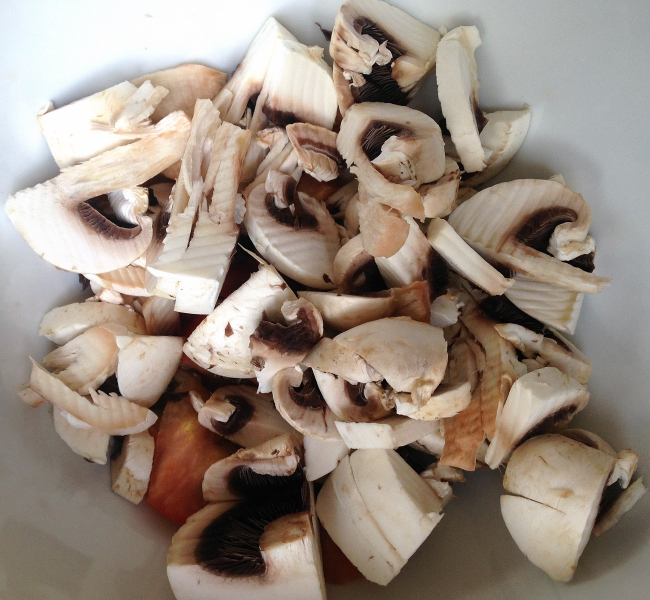
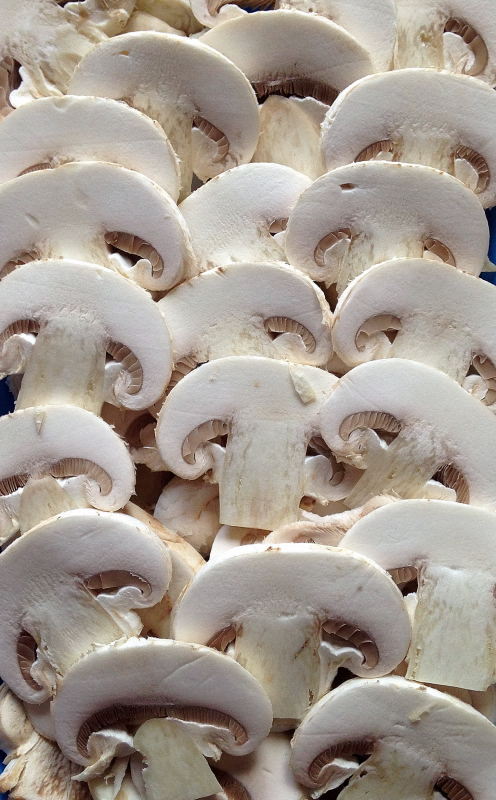
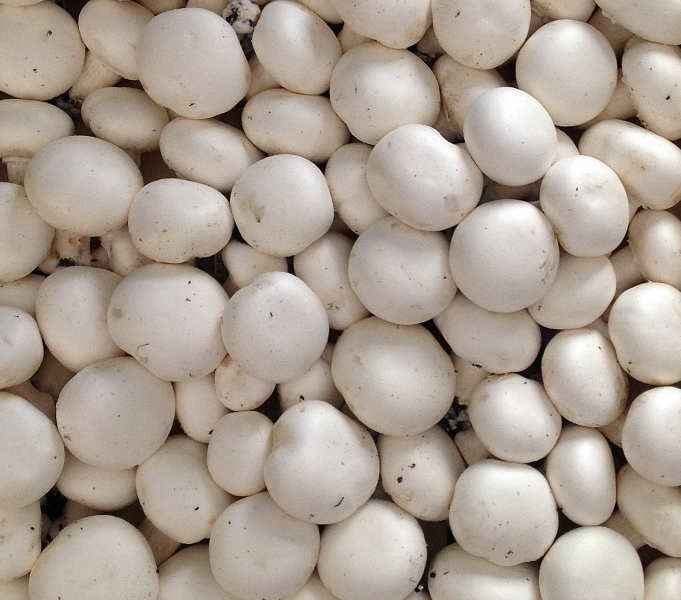
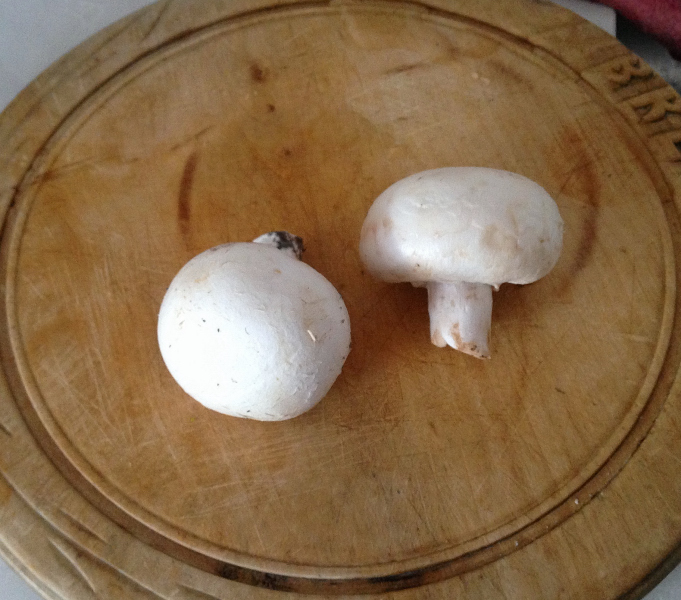
Champignon mushrooms
Rating : 7.7
| Evaluation | N. Experts | Evaluation | N. Experts |
|---|---|---|---|
| 1 | 6 | ||
| 2 | 7 | ||
| 3 | 8 | ||
| 4 | 9 | ||
| 5 | 10 |
Pros:
Antibacterial (1) Antioxidant (1)Cons:
Possible specific allergy (1)10 pts from Whiz35
| Sign up to vote this object, vote his reviews and to contribute to Tiiips.Evaluate | Where is this found? |
| "Agaricus bisporus studies" about Champignon mushrooms Review Consensus 8 by Whiz35 (11982 pt) | 2019-Jul-30 19:44 |
| Read the full Tiiip | (Send your comment) |
Water-soluble extracts from edible mushrooms (Agaricus bisporus) as inhibitors of hepatitis C viral replication.
Gallego P, Rojas Á, Falcón G, Carbonero P, García-Lozano MR, Gil A, Grande L, Cremades O, Romero-Gómez M, Bautista JD, Del Campo JA.
Food Funct. 2019 Jun 19;10(6):3758-3767. doi: 10.1039/c9fo00733d.
Exogenous adenosine triphosphate application retards cap browning in Agaricus bisporus during low temperature storage.
Aghdam MS, Luo Z, Jannatizadeh A, Farmani B.
Food Chem. 2019 Sep 30;293:285-290. doi: 10.1016/j.foodchem.2019.05.002.
Agaricus bisporus and its by-products as a source of valuable extracts and bioactive compounds.
Ramos M, Burgos N, Barnard A, Evans G, Preece J, Graz M, Ruthes AC, Jiménez-Quero A, Martínez-Abad A, Vilaplana F, Ngoc LP, Brouwer A, van der Burg B, Del Carmen Garrigós M, Jiménez A.
Food Chem. 2019 Sep 15;292:176-187. doi: 10.1016/j.foodchem.2019.04.035.
Protective effect of a protease inhibitor from Agaricus bisporus on Saccharomyces cerevisiae cells against oxidative stress.
Vishvakarma R, Mishra A.
Prep Biochem Biotechnol. 2019;49(3):244-254. doi: 10.1080/10826068.2018.1536992.
Purification, Identification, and Sensory Evaluation of Kokumi Peptides from Agaricus bisporus Mushroom.
Feng T, Wu Y, Zhang Z, Song S, Zhuang H, Xu Z, Yao L, Sun M.
Foods. 2019 Jan 29;8(2). pii: E43. doi: 10.3390/foods8020043.
Agaricus bisporus-derived β-glucan enter macrophages and adipocytes by CD36 receptor.
Li X, Zhang X, Pang L, Yao L, ShangGuan Z, Pan Y.
Nat Prod Res. 2019 Jan 24:1-4. doi: 10.1080/14786419.2018.1556654.
Simultaneous determination of 45 antibacterial compounds in mushrooms - Agaricus bisporus by ultra-high performance liquid chromatography-tandem mass spectrometry.
Gbylik-Sikorska M, Gajda A, Nowacka-Kozak E, Posyniak A.
J Chromatogr A. 2019 Feb 22;1587:111-118. doi: 10.1016/j.chroma.2018.12.013.
The Effect of Dietary Mushroom Agaricus bisporus on Intestinal Microbiota Composition and Host Immunological Function.
Solano-Aguilar GI, Jang S, Lakshman S, Gupta R, Beshah E, Sikaroodi M, Vinyard B, Molokin A, Gillevet PM, Urban JF Jr.
Nutrients. 2018 Nov 9;10(11). pii: E1721. doi: 10.3390/nu10111721.
Agaricus bisporus supplementation reduces high-fat diet-induced body weight gain and fatty liver development.
Iñiguez M, Pérez-Matute P, Villanueva-Millán MJ, Recio-Fernández E, Roncero-Ramos I, Pérez-Clavijo M, Oteo JA.
J Physiol Biochem. 2018 Nov;74(4):635-646. doi: 10.1007/s13105-018-0649-6.
Impact of Agaricus bisporus Mushroom Consumption on Gut Health Markers in Healthy Adults.
Hess J, Wang Q, Gould T, Slavin J.
Nutrients. 2018 Oct 2;10(10). pii: E1402. doi: 10.3390/nu10101402.
Rheological and quality characteristics of composite gluten-free dough and biscuits supplemented with fermented and unfermented Agaricus bisporus polysaccharide flour.
Sulieman AA, Zhu KX, Peng W, Hassan HA, Obadi M, Siddeeg A, Zhou HM.
Food Chem. 2019 Jan 15;271:193-203. doi: 10.1016/j.foodchem.2018.07.189
Anti-Inflammatory Potential of In Vitro Cultures of the White Button Mushroom, Agaricus bisporus (Agaricomycetes), in Caco-2 Cells.
Muszynska B, Grzywacz A, Kala K, Gdula-Argasinska J.
Int J Med Mushrooms. 2018;20(2):129-139. doi: 10.1615/IntJMedMushrooms.2018025408.
| Sign up to vote this object, vote his reviews and to contribute to Tiiips.EvaluateClose | (0 comments) |
| "Descrizione" about Champignon mushrooms Review Consensus 10 by Whiz35 (11982 pt) | 2025-Nov-29 16:06 |
| Read the full Tiiip | (Send your comment) |
Champignon mushroom (Agaricus bisporus)
Description
The champignon mushroom (Agaricus bisporus), also known as white button mushroom (in its immature white form) and cremini/portobello (in its brown and more mature forms), is the most widely cultivated edible mushroom in the world. It belongs to the Agaricaceae family and is characterised by a rounded cap that starts closed and gradually opens to reveal tightly packed gills that change from pale pink to brown as the mushroom matures. The flesh is white, firm yet tender, with a mild, slightly earthy flavour and a light, pleasant aroma. Champignons are grown on composted plant materials (typically a mix of straw and manure) in carefully controlled environments, which allows year-round production with consistent quality. From a nutritional point of view, they are low in calories and fat, provide a modest but meaningful amount of protein compared with other vegetables, and are a source of fibre, B-group vitamins, minerals such as selenium and copper, and bioactive compounds including β-glucans, ergothioneine and ergosterol (a precursor of vitamin D2).
Button mushroom (Agaricus bisporus) , edible, has a long history of cultivation that dates 300 years and the first commercial cultivation was born in France in 1700 (Pardo and C 2010 - Tournefort 1707).

Botanical classification
Common name: button mushroom, cultivated mushroom
Botanical name: Agaricus bisporus
Family: Agaricaceae
Origin: temperate areas of Europe and North Africa, now cultivated worldwide
General features: saprophytic fungus growing on substrates rich in decomposed organic matter (compost), with white or brown cap, pink gills turning brown at maturity, and a solid stipe; it is the most widely cultivated mushroom species at industrial level
Cultivation and growing conditions
Climate
Cultivated in controlled environments (growing rooms, tunnels, caves, sheds).
Requires a cool–temperate indoor climate with good ventilation and high relative humidity (80–90%).
Does not tolerate sudden temperature swings, which can cause deformed fruiting bodies.
Exposure
Does not need direct light to develop fruiting bodies.
Normally grown in the dark or under very diffused light; light is mainly used for management and handling, not as a productive factor.
Direct sunlight should be avoided, as it dries out the substrate and the mushrooms.
Soil (growing substrate)
Does not grow in “soil” in the classical sense but on a prepared substrate (compost) based on:
cereal straw (usually wheat),
well-aged manure (cattle, horse, or mixed),
possible additions of gypsum to correct structure and pH.
The substrate is composted, pasteurised, and then inoculated with mycelium.
Ideal substrate pH: approximately neutral (around 7–7.5).
On top of the colonised substrate a casing layer is applied (peat, limed soil, specific mixes), which stimulates fruiting and helps maintain moisture and gas exchange.
Irrigation (humidity)
Management focuses mainly on substrate and casing moisture rather than classic field irrigation.
Compost must be well moist but not waterlogged; excess water favours moulds and bacterial diseases.
The casing layer is misted with water to maintain proper surface moisture.
Air in the growing room must have high humidity to prevent dehydration of the fruiting bodies (cracked caps, dry edges).
Temperature
The cycle is divided into two main phases:
Mycelial incubation in the substrate: about 23–25 °C, in a closed environment with higher CO₂ levels.
Fruiting (mushroom production): about 16–18 °C, with better air exchange and lower CO₂.
Excessively high temperatures during fruiting produce soft, misshapen mushrooms that are more prone to diseases.
Temperatures that are too low slow development and extend harvest time.
Fertilization
“Fertilization” in button mushrooms is essentially the preparation of the substrate:
careful choice of raw materials (straw, manure, nitrogen supplements),
control of the C/N ratio,
proper composting process to make nutrients available to the mycelium.
Unlike vascular plants, no additional fertilization is applied during the growing cycle; all nutrients are contained in the well-prepared compost.
Crop care
Strict hygiene of rooms, equipment, and personnel to prevent contamination by moulds (e.g. Trichoderma), bacteria, and competitor fungi.
Continuous control of temperature, humidity, CO₂, and ventilation using climate-control systems and sensors.
Gentle and frequent misting of the casing layer, avoiding standing water on the surface.
Prompt removal of diseased or decaying mushrooms to limit pathogen spread.
Management of production “flushes” to optimise yield and visual quality of the product.
Harvest
Carried out manually or mechanically when caps are well formed but still closed or just starting to open, depending on market preference.
Mushrooms are cut at the base of the stipe, removing them carefully so as not to damage the surrounding casing.
After harvesting, mushrooms are rapidly cooled to preserve freshness, colour, and texture.
The crop produces several flushes before the substrate is exhausted.
Propagation
Propagated not by seed but by mycelium (spawn), produced in laboratories on cereal grains (e.g. wheat, millet) under sterile conditions.
The spawn is mixed with the pasteurised compost (spawning).
From this mycelium the fungus fully colonises the substrate, from which the fruiting bodies then develop.
Indicative nutritional values per 100 g (raw champignon)
Approximate composition for raw white button mushrooms:
Energy: ~22 kcal
Water: ~92 g
Protein: ~3.0 g
Total carbohydrates: ~3.2–3.5 g
Sugars: ~2.0 g
Dietary fibre: ~1.0 g
Total fat: ~0.3–0.4 g
First occurrence of lipid acronyms: SFA (saturated fatty acids, to be moderated when overall intake is high), MUFA (monounsaturated fatty acids, generally neutral or favourable for cardiometabolic profile), PUFA (polyunsaturated fatty acids, with roles in membrane structure and inflammatory balance). Subsequent mentions will use these acronyms without bold.
SFA: ~0.05 g
MUFA: ~0.00–0.02 g
PUFA: ~0.15–0.20 g
Minerals (typical values)
Potassium: ~300–350 mg
Phosphorus: ~85–100 mg
Selenium: ~5–10 µg
Copper: ~0.25–0.35 mg
Vitamins
B-group: riboflavin (B2), niacin (B3), pantothenic acid (B5) in significant amounts
Vitamin D2: low in standard mushrooms but can increase markedly after deliberate UV exposure
Key constituents
Carbohydrates and fibre
Simple sugars and storage carbohydrates in modest amounts
Dietary fibre including chitin and other non-starch polysaccharides
β-glucans with potential immunomodulating and cholesterol-related effects
Proteins
Around 3% by weight in raw mushrooms, with a mixture of essential and non-essential amino acids
Lipids
Very low total fat, with a profile dominated by unsaturated fatty acids (mufa and pufa) and minimal sfa
Micronutrients
Minerals such as potassium, phosphorus, selenium and copper
B-group vitamins (B2, B3, B5) and small amounts of others
Bioactive compounds
Ergosterol (provitamin D2), converted to vitamin D2 upon UV exposure
Ergothioneine, a sulfur-containing antioxidant
Phenolic compounds, flavonoid-like antioxidants, lectins and other secondary metabolites
Production process
Substrate preparation
Agricultural by-products such as straw and manure are mixed, wetted and composted under controlled conditions to create a nutrient-rich substrate.
Pasteurisation and conditioning
The compost is pasteurised to reduce undesirable microorganisms and then conditioned to optimise pH, moisture and temperature.
Spawning
The substrate is inoculated with Agaricus bisporus spawn (mycelium grown on a cereal carrier).
Incubation (spawn run)
The inoculated substrate is kept in dark, climate-controlled rooms to allow the mycelium to colonise the compost.
Casing and fruiting
A moist casing layer (typically peat and limestone or alternative materials) is applied to stimulate fruit body formation; temperature, humidity, CO₂ and air flow are carefully managed.
Harvesting
Mushrooms are harvested by hand in different stages (button, cup, flat/portobello) depending on the intended market.
Post-harvest handling
Sorting, trimming, washing or dry brushing (depending on specification), packaging (often in trays with film or in bulk boxes) and refrigerated storage.
Physical properties
Morphology: umbrella-shaped cap with central stalk, gills on the underside of the cap.
Colour: white to cream in “white button” champignons; light to dark brown in cremini and portobello types.
Texture: firm and elastic when fresh; softens on cooking but can remain pleasantly meaty, especially in larger specimens.
Water content: high (~90% or more), which strongly influences weight loss, texture and shelf-life.
Density: relatively low; the tissue is porous and can absorb liquids (oils, sauces, marinades).
Sensory and technological properties
Flavour: mild, slightly earthy and distinctly umami; flavour intensity increases with maturity (stronger in cremini and portobello).
Aroma: light mushroom aroma, enhanced by sautéing, roasting or grilling.
Texture and mouthfeel: tender, juicy and slightly springy; caps and stems can have slightly different textures.
Functional behaviour in cooking
High water release when heated; requires sufficient pan surface and heat to allow evaporation and browning.
Good browning via Maillard reactions when cooked at high heat with limited moisture.
Excellent capacity to absorb and carry flavours from fats, herbs, spices and sauces.
Technological roles
As pieces: bulk ingredient in sautés, sauces, fillings, soups and ready meals.
As mince or puree: used to reduce meat content in blends (“hybrid” burgers) while maintaining juiciness and umami.
As dried powder: natural flavour enhancer and partial thickener in sauces, broths and savoury snacks.
Food uses
Household and foodservice uses
Sautéed or pan-fried as side dishes or toppings (e.g. for meats, polenta, toast).
Ingredient in soups, broths, risottos, pasta sauces and casseroles.
Consumed raw in salads (thinly sliced, often with oil, lemon and herbs).
Grilled or oven-baked (especially larger caps and portobello types), sometimes stuffed.
Industrial and ingredient uses
IQF (individually quick frozen) mushrooms for ready meals and pizzas.
Canned or jarred mushrooms in brine or oil.
Dehydrated slices or powders for soups, bouillons, sauces, snack seasonings.
Blended with meat to reduce fat and increase moisture and fibre in burgers, sausages and fillings.
Nutrition and health
Energy and macronutrients
Very low in calories and fat, making champignons suitable for energy-restricted diets.
Provide modest protein and some fibre while remaining low in sugars and starch.
Micronutrients
Source of B-group vitamins (especially B2, B3 and B5), which support energy metabolism and nervous system function.
Provide minerals including selenium and copper with antioxidant and enzymatic roles, as well as potassium for fluid balance and muscle function.
Bioactive components
β-glucans and other polysaccharides contribute to fibre intake and may have prebiotic, immunomodulating and cholesterol-related benefits.
Ergosterol and ergothioneine act as antioxidants and, in the case of ergosterol, as a vitamin D2 precursor when mushrooms are exposed to UV light.
Fat and cardiovascular aspects
Negligible amounts of sfa, with only traces of mufa and pufa, mean champignons add very little to total fat intake; their relevance is more in fibre, micronutrients and bioactives.
Overall dietary role
Best considered as a low-energy, nutrient-dense food that contributes to vegetable variety, umami flavour and certain micronutrients and bioactive compounds, particularly when consumed regularly as part of a balanced diet.
Portion note
A typical adult portion is about 100 g of fresh mushrooms (roughly one generous handful or a small bowl), but amounts can vary according to the recipe (for grilled or stuffed mushrooms, portions may be larger).
Allergens and intolerances
Champignon mushrooms are not among the major regulated food allergens and true IgE-mediated allergy is rare, although not impossible.
Some individuals may experience gastrointestinal discomfort when consuming large quantities of mushrooms due to fibre and specific mushroom components.
People with known mushroom allergies or specific sensitivities to Agaricus species should avoid them as advised by their clinician.
Storage and shelf-life
Fresh mushrooms
Ideally stored refrigerated (around 2–4 °C) in breathable packaging (paper bags or perforated film) to avoid condensation and rapid spoilage.
Typical shelf-life: about 3–7 days from harvest, depending on storage conditions and packaging.
Signs of deterioration: slimy surface, strong or unpleasant odours, dark spots, significant browning, loss of firmness.
Processed forms
Frozen: can retain acceptable quality for several months (often 6–12 months) if properly packaged.
Canned or jarred: long shelf-life (often 1–3 years) when unopened; once opened, they should be refrigerated and consumed within a few days.
Dried: very long shelf-life in airtight containers if kept cool and dry; rehydration quality depends on slice thickness and drying conditions.
Safety and regulatory
Cultivated Agaricus bisporus is widely recognised as safe when produced under good agricultural and manufacturing practices.
Standard food-safety controls apply, including hygiene, microbiological criteria and checks on substrate quality (e.g. absence of heavy metal or pesticide residues above permitted limits).
UV-treated mushrooms marketed as a source of vitamin D must comply with specific regulatory criteria on vitamin D levels and labelling.
Mushrooms should be properly cleaned and, where appropriate, cooked to reduce microbial load and improve digestibility, especially for sensitive individuals.
Labelling
Ingredient names
Typical names include “champignon”, “button mushroom”, “cultivated mushrooms” or “Agaricus bisporus”; additional descriptors may specify colour or size class (e.g. “white button”, “brown mushrooms”, “portobello”).
Presentation and processing
Labelling may indicate “fresh”, “sliced”, “whole”, “frozen”, “canned”, “in brine”, “grilled” or “in oil” according to the product form.
Nutrition and health information
Energy and nutrient values must follow applicable regulations; voluntary claims such as “low in fat”, “low in calories” or “source of B-vitamins” are possible when legal criteria are met.
Special claims
For UV-treated mushrooms: “source of vitamin D” or “high in vitamin D” can be claimed only when vitamin D content reaches the thresholds defined by legislation.
Organic, local origin or sustainability labels may be added when certified.
Troubleshooting
Problem: Mushrooms release a large amount of water and do not brown.
Likely causes: pan overcrowded, heat too low, mushrooms washed and cooked while very wet.
Corrective actions: cook in batches, use high heat, dry mushrooms lightly before cooking, avoid adding salt too early.
Problem: Mushrooms darken quickly after cutting.
Likely causes: enzymatic browning triggered by exposure to air and cutting damage.
Corrective actions: use sharp knives, minimise time between cutting and cooking, optionally acidulate (e.g. with lemon juice) or store cut mushrooms briefly under refrigeration.
Problem: Chewy or rubbery texture.
Likely causes: undercooking at low heat or overcooking in very wet conditions.
Corrective actions: use high enough heat to evaporate moisture and allow browning; avoid prolonged simmering in excess water unless a soft, stewed texture is desired.
Sustainability and supply chain
Resource efficiency
Mushroom cultivation makes intensive use of composted agricultural by-products (straw, manure, other plant residues), contributing to circularity in agro-food systems.
Water use and land footprint per kg of edible product are relatively low compared with many crop and animal products.
Environmental aspects
Spent mushroom substrate can be reused as soil amendment or compost, reducing waste.
Energy use for climate-controlled growing rooms is a relevant environmental factor; efficiency measures and renewable energy can improve the footprint.
Socio-economic aspects
Champignon production supports local employment in many regions and allows year-round supply chains due to controlled cultivation.
Short supply chains and local production can minimise transport impacts and offer very fresh product to consumers.
Main INCI functions (cosmetics)
(For cosmetic ingredients such as Agaricus Bisporus Extract, Agaricus Bisporus Powder.)
Antioxidant: provides antioxidant compounds that help protect formulations and, potentially, skin from oxidative stress.
Skin conditioning: contributes to hydration, smoothness and comfort of the skin surface.
Soothing: some extracts are used in products aimed at calming or balancing the skin.
Humectant / moisturising support: polysaccharides can help retain moisture in cosmetic formulations.
Natural active in “green” formulas: supports marketing concepts based on botanical or mushroom-derived ingredients.
Conclusion
Champignon mushrooms (Agaricus bisporus) are a highly versatile, widely available and nutritionally interesting food. Their low energy and fat content, combined with useful amounts of protein, fibre, B-vitamins, minerals and bioactive compounds, make them a valuable component of everyday meals. Technologically, they provide umami flavour, pleasant texture and good culinary performance across a wide variety of dishes, from simple sautés to complex ready meals and flavouring powders. Modern controlled cultivation and efficient use of composted substrates give champignons a favourable sustainability profile compared with many other foods. Beyond the kitchen, extracts and powders obtained from Agaricus bisporus are increasingly used in cosmetics, where their antioxidant and skin-conditioning properties support a range of topical applications. Overall, champignons represent a modern, functional ingredient that fits well into balanced diets and “cleaner” product formulations in both food and personal care.
Studies
World production exceeds 4 million tonnes. In the U.S., these mushrooms are a crop of about 400,000 tons in 2014 with a turnover of 1.4 billion dollars (1).
In Europe it is mainly grown in the Netherlands, France and Poland.
In Asia it is mainly grown in China (2,500 tons), South Korea and India.
In the kitchen, the infusion of culinary treatments (boiling, microwaving, grilling, and frying) affects the overall composition and antioxidant capacity of cultivated mushrooms. Frying induces the most serious losses of proteins and carbohydrates, increases the content of fat and energy and reduces antioxidant activity. Boiling improves the total content of glucans, improving beta-glucan fraction, but reduces antioxidant activity. The best treatment is microwaving because it maintains the nutritional profile of mushroom (2).
The greatest danger for this mushroom is the Lycoriella ingenua fly (Dufour 1839), a ditto belonging to the Sciaridae family. This article describes the techniques of contrasting this fly (3).
Another danger is the fungal infection caused by the pernicious Mycogone that mows 15-30% of the crop (4).
From a healthy point of view it is an interesting food, like most edible forest mushrooms and contains a good amount of beta-glucans (5), vitamin D2 or ergosterol and Agaritine (6) and a new protein called LSMT with promising properties pharmaceuticals (7).
Mini-glossary
SFA – Saturated fatty acids; fats that, when consumed in excess, can raise LDL (“bad”) cholesterol and increase cardiovascular risk.
MUFA – Monounsaturated fatty acids; fats that tend to support more favourable blood lipid profiles when they replace saturated fats in the diet.
PUFA – Polyunsaturated fatty acids; include omega-3 and omega-6 families, important for cell membrane structure, inflammatory regulation and cardiovascular health.
References__________________________________________
(1) USDA. Specialty Crops: Mushroom Production. Agricultural Marketing Resource Center. 2014.
(2) Roncero-Ramos I, Mendiola-Lanao M, Pérez-Clavijo M, Delgado-Andrade C. Effect of different cooking methods on nutritional value and antioxidant activity of cultivated mushrooms. - Int J Food Sci Nutr. 2016 Oct
Abstract. Influence of culinary treatments (boiling, microwaving, grilling, and deep frying) on proximate composition and antioxidant capacity of cultivated mushrooms (Agaricus bisporus, Lentinula edodes, Pleurotus ostreatus, and Pleurotus eryngii) was studied. Proximate composition was affected by the cooking method and the mushrooms species. Frying induced more severe losses in protein, ash, and carbohydrates content but increased the fat and energy. Boiling improved the total glucans content by enhancing the β-glucans fraction. A significant decrease was detected in the antioxidant activity especially after boiling and frying, while grilled and microwaved mushrooms reached higher values of antioxidant activity. Maillard reaction products could be partially responsible, as supported by the absorbance values measured at 420 nm. Since cooking techniques clearly influence the nutritional attributes of mushrooms, the proper selection of treatments is a key factor to prevent/reduce nutritional losses. Microwaving and grilling were established as the best processes to maintain the nutritional profile of mushrooms.
(3) Cloonan KR, Andreadis SS, Chen H, Jenkins NE, Baker TC. Attraction, Oviposition and Larval Survival of the Fungus Gnat, Lycoriella ingenua, on Fungal Species Isolated from Adults, Larvae, and Mushroom Compost. - PLoS One. 2016 Dec 9;11(12):e0167074. doi: 10.1371/journal.pone.0167074.
Abstract. We previously showed that the females of the mushroom sciarid, Lycoriella ingenua (Dufour, 1839) (Diptera: Sciaridae), one of the most severe pests of the cultivated white button mushroom, Agaricus bisporus (J.E. Lange) Emil J. Imbach (Agaricales: Agaricaceae), are attracted to the mushroom compost that mushrooms are grown on and not to the mushrooms themselves. We also showed that females are attracted to the parasitic green mold, Trichoderma aggressivum. In an attempt to identify what is in the mushroom compost that attracts female L. ingenua, we isolated several species of fungi from adult males and females, third instar larvae, and mushroom compost itself. We then analyzed the attraction of females to these substrates using a static-flow two choice olfactometer, as well as their oviposition tendencies in another type of assay under choice and no-choice conditions. We also assessed the survival of larvae to adulthood when first instar larvae were placed on each of the isolated fungal species. We found that female flies were attracted most to the mycoparasitic green mold, T. aggressivum, to Penicilium citrinum isolated from adult female bodies, and to Scatylidium thermophilium isolated from the mushroom compost. Gravid female flies laid the most eggs on T. aggressivum, Aspergillus flavus isolated from third instar larval frass, Aspergillus fumigatus isolated from adult male bodies, and on P. citrinum. This egg-laying trend remained consistent under no-choice conditions as females aged. First instar larvae developed to adulthood only on S. thermophilium and Chaetomium sp. isolated from mushroom compost, and on P. citrinum. Our results indicate that the volatiles from a suite of different fungal species act in tandem in the natural setting of mushroom compost, with some first attracting gravid female flies and then others causing them to oviposit. The ecological context of these findings is important for creating an optimal strategy for using possible semiochemicals isolated from these fungal species to better monitor and control this pestiferous mushroom fly species.
(4) Fu Y, Wang X, Li D, Liu Y, Song B, Zhang C, Wang Q, Chen M, Zhang Z, Li Y. Identification of Resistance to Wet Bubble Disease and Genetic Diversity in Wild and Cultivated Strains of Agaricus bisporus. - Int J Mol Sci. 2016 Sep 22;17(10):1568. doi: 10.3390/ijms17101568.
Abstract. Outbreaks of wet bubble disease (WBD) caused by Mycogone perniciosa are increasing across the world and seriously affecting the yield of Agaricus bisporus. However, highly WBD-resistant strains are rare. Here, we tested 28 A. bisporus strains for WBD resistance by inoculating M. perniciosa spore suspension on casing soil, and assessed genetic diversity of these strains using 17 new simple sequence repeat (SSR) markers developed in this study. We found that 10 wild strains originating from the Tibetan Plateau in China were highly WBD-resistant strains, and 13 cultivated strains from six countries were highly susceptible strains. A total of 88 alleles were detected in these 28 strains, and the observed number of alleles per locus ranged from 2 to 8. Cluster and genetic structure analysis results revealed the wild resources from China have a relatively high level of genetic diversity and occur at low level of gene flow and introgression with cultivated strains. Moreover, the wild strains from China potentially have the consensus ancestral genotypes different from the cultivated strains and evolved independently. Therefore, the highly WBD-resistant wild strains from China and newly developed SSR markers could be used as novel sources for WBD-resistant breeding and quantitative trait locus (QTL) mapping of WBD-resistant gene of A. bisporus.
(5) Sari M, Prange A, Lelley JI, Hambitzer R. Screening of beta-glucan contents in commercially cultivated and wild growing mushrooms. - Food Chem. 2017 Feb 1;216:45-51. doi: 10.1016/j.foodchem.2016.08.010.
(6) Urbain P, Valverde J, Jakobsen J. Impact on Vitamin D2, Vitamin D4 and Agaritine in Agaricus bisporus Mushrooms after Artificial and Natural Solar UV Light Exposure. - Plant Foods Hum Nutr. 2016 Sep;71(3):314-21. doi: 10.1007/s11130-016-0562-5.
Abstract. Commercial mushroom production can expose mushrooms post-harvest to UV light for purposes of vitamin D2 enrichment by converting the naturally occurring provitamin D2 (ergosterol). The objectives of the present study were to artificially simulate solar UV-B doses occurring naturally in Central Europe and to investigate vitamin D2 and vitamin D4 production in sliced Agaricus bisporus (button mushrooms) and to analyse and compare the agaritine content of naturally and artificially UV-irradiated mushrooms. Agaritine was measured for safety aspects even though there is no rationale for a link between UV light exposure and agaritine content. The artificial UV-B dose of 0.53 J/cm(2) raised the vitamin D2 content to significantly (P < 0.001) higher levels of 67.1 ± 9.9 μg/g dry weight (DW) than sun exposure (3.9 ± 0.8 μg/g dry DW). We observed a positive correlation between vitamin D4 and vitamin D2 production (r(2) = 0.96, P < 0.001) after artificial UV irradiation, with vitamin D4 levels ranging from 0 to 20.9 μg/g DW. The agaritine content varied widely but remained within normal ranges in all samples. Irrespective of the irradiation source, agaritine dropped dramatically in conjunction with all UV-B doses both artificial and natural solar, probably due to its known instability. The biological action of vitamin D from UV-exposed mushrooms reflects the activity of these two major vitamin D analogues (D2, D4). Vitamin D4 should be analysed and agaritine disregarded in future studies of UV-exposed mushrooms.
(7) Ismaya WT, Yunita, Damayanti S, Wijaya C, Tjandrawinata RR, Retnoningrum DS, Rachmawati H. - In Silico Study to Develop a Lectin-Like Protein from Mushroom Agaricus bisporus for Pharmaceutical Application. Sci Pharm. 2016 Feb 14;84(1):203-17. doi: 10.3797/scipharm.ISP.2015.11.
Abstract. A lectin-like protein of unknown function designated as LSMT was recently discovered in the edible mushroom Agaricus bisporus. The protein shares high structural similarity to HA-33 from Clostridium botulinum (HA33) and Ricin-B-like lectin from the mushroom Clitocybe nebularis (CNL), which have been developed as drug carrier and anti-cancer, respectively. These homologous proteins display the ability to penetrate the intestinal epithelial cell monolayer, and are beneficial for oral administration. As the characteristics of LSMT are unknown, a structural study in silico was performed to assess its potential pharmaceutical application. The study suggested potential binding to target ligands such as HA-33 and CNL although the nature, specificity, capacity, mode, and strength may differ. Further molecular docking experiments suggest that interactions between the LSMT and tested ligands may take place. This finding indicates the possible use of the LSMT protein, initiating new research on its use for pharmaceutical purposes.
| Sign up to vote this object, vote his reviews and to contribute to Tiiips.EvaluateClose | (0 comments) |
Read other Tiiips about this object in __Italiano (3)
Content:   Last update:   2025-11-29 16:09:20 | Kcal/100g:   21 Family:   Threat factors:  
|


