

Chinotto
Rating : 7.8
| Evaluation | N. Experts | Evaluation | N. Experts |
|---|---|---|---|
| 1 | 6 | ||
| 2 | 7 | ||
| 3 | 8 | ||
| 4 | 9 | ||
| 5 | 10 |
Pros:
Anti-inflammatory (1)18 pts from FRanier
| Sign up to vote this object, vote his reviews and to contribute to Tiiips.Evaluate | Where is this found? |
| "Chinotto studies" about Chinotto Review Consensus 15 by FRanier (10041 pt) | 2020-Nov-25 16:47 |
| Read the full Tiiip | (Send your comment) |
The best studies on intake, properties, phytochemistry of chinotto.

Plastina P, Apriantini A, Meijerink J, Witkamp R, Gabriele B, Fazio A. In Vitro Anti-Inflammatory and Radical Scavenging Properties of Chinotto (Citrus myrtifolia Raf.) Essential Oils. Nutrients. 2018 Jun 18;10(6):783. doi: 10.3390/nu10060783. PMID: 29912150; PMCID: PMC6024861.
Protti M, Valle F, Poli F, Raggi MA, Mercolini L. Bioactive molecules as authenticity markers of Italian Chinotto (Citrus×myrtifolia) fruits and beverages. J Pharm Biomed Anal. 2015 Feb;104:75-80. doi: 10.1016/j.jpba.2014.11.024. Epub 2014 Nov 20.
Servillo L, Giovane A, D'Onofrio N, Casale R, Cautela D, Ferrari G, Balestrieri ML, Castaldo D. N-methylated derivatives of tyramine in citrus genus plants: identification of N,N,N-trimethyltyramine (candicine). J Agric Food Chem. 2014 Mar 26;62(12):2679-84. doi: 10.1021/jf5001698.

Characterization of polyphenolic compounds in unripe chinotto (Citrus myrtifolia) fruit by HPLC/PDA/ESI/MS-MS.
Scordino M, Sabatino L, Belligno A, Gagliano G.
Nat Prod Commun. 2011 Dec;6(12):1857-62.
Betaines in fruits of Citrus genus plants.
Servillo L, Giovane A, Balestrieri ML, Bata-Csere A, Cautela D, Castaldo D.
J Agric Food Chem. 2011 Sep 14;59(17):9410-6. doi: 10.1021/jf2014815.

Antiproliferative activity of Citrus juices and HPLC evaluation of their flavonoid composition.
Camarda L, Di Stefano V, Del Bosco SF, Schillaci D.
Fitoterapia. 2007 Sep;78(6):426-9.
| Sign up to vote this object, vote his reviews and to contribute to Tiiips.EvaluateClose | (0 comments) |
| "Descrizione" about Chinotto Review Consensus 18 by FRanier (10041 pt) | 2025-Dec-01 16:10 |
| Read the full Tiiip | (Send your comment) |
Chinotto (Citrus myrtifolia Raf.)
Description
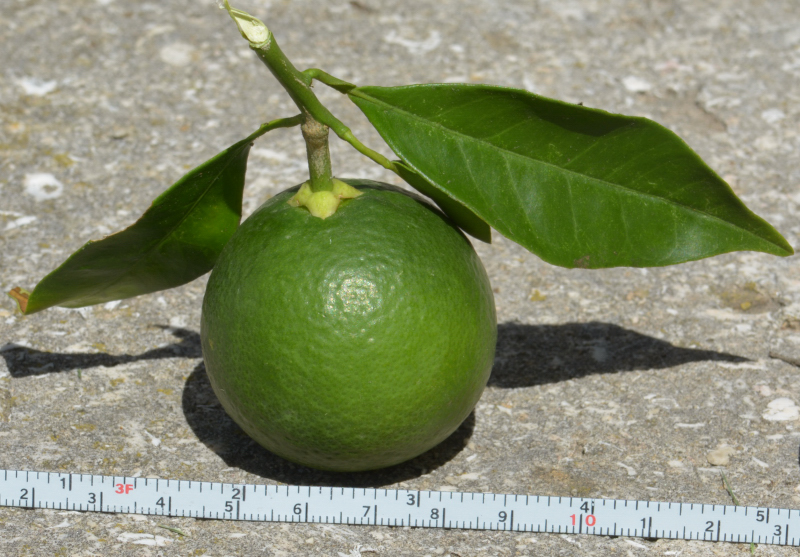
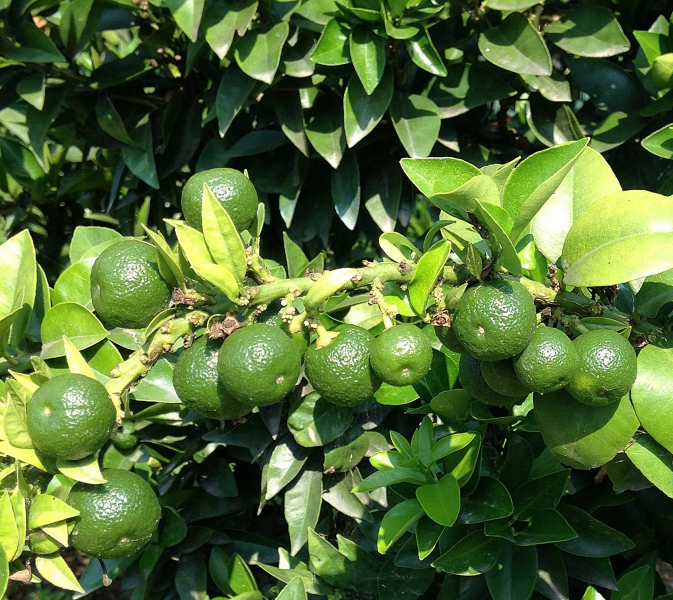
Chinotto is a small citrus fruit belonging to the Rutaceae family and traditionally classified as Citrus myrtifolia Raf., also known as myrtle-leaved orange because its narrow, lanceolate leaves resemble those of myrtle. The tree is of modest size, with a naturally compact, shrubby habit, dense foliage and often spiny branches. Leaves are dark green, glossy and persistent, giving the plant a strong ornamental value, both in the ground and in pots.
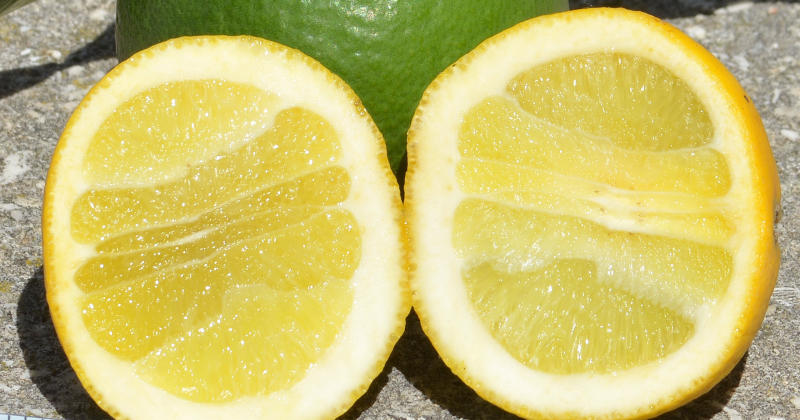
The fruits are small, roughly comparable to a miniature orange or mandarin, with a peel that ranges from greenish-orange in early stages to bright orange when fully ripe. The pulp is divided into several segments and contains many seeds, but—in contrast with sweet oranges—it is markedly more bitter and acidic, so the fresh fruit is rarely eaten as is. The aroma is intense and complex, with citrus, bitter and slightly floral notes deriving from a combination of essential oils and bitter flavonoids.
Historically, chinotto has a strong link with Liguria, especially the Savona area of the Italian Riviera, where traditional cultivars have been recovered and protected as a local specialty. The fruit is widely used in confectionery (candied chinotti), syrups, liqueurs, and, above all, as the aromatic base for the well-known chinotto soft drink, a carbonated non-alcoholic beverage with a dark colour and a characteristic bitter-sweet taste often regarded as an icon of Italian tradition. In herbal and cosmetic applications, flowers, peel and their extracts are valued for aromatic, tonic and antioxidant properties.
From a compositional standpoint, fresh chinotto provides vitamin C, carotenoids (including beta-carotene) and a characteristic profile of bitter flavonoids, particularly naringin, neohesperidin, neoeriocitrin and eriocitrin, which shape both the sensory profile and the functional potential of this underused citrus species.

Botanical classification
Common name: Chinotto
Clade: Angiospermae
Order: Sapindales
Family: Rutaceae
Genus: Citrus
Species: Citrus myrtifolia Raf.
Climate
Chinotto prefers mild, temperate climates typical of Mediterranean regions, with winters that are not too harsh and summers that are warm and well ventilated. Although it can tolerate brief drops in temperature, it is sensitive to prolonged frost and late spring freezes, which may damage branches, flowers and developing fruits.
Exposure
The plant requires full sun exposure to ensure balanced growth, abundant flowering and good fruit quality. In particularly hot areas, light shading during the hottest hours of the day can help to reduce excessive dehydration and heat stress.
Soil
Chinotto grows best in light or medium-textured soils that are well drained, rich in organic matter and with a pH close to neutral or slightly acidic. Soils that are too compact or prone to waterlogging increase the risk of root rot and slow down vegetative growth.
Irrigation
Watering should be regular, especially in the warmest months and during fruit development. It is important to keep the soil moderately moist, avoiding both waterlogging and prolonged drought. Mulching around the base of the plant helps to conserve moisture and protect the root system.
Temperature
The ideal temperature range is between 15 and 28 °C. Temperatures close to 0 °C can be tolerated only for short periods, while intense or prolonged frosts can seriously damage the canopy and drastically reduce productivity.
Fertilization
Fertilization should include the application of well-matured organic matter during soil preparation or in early spring. Balanced mineral fertilizers containing nitrogen, phosphorus and potassium can be added to support vegetative growth, flowering and fruit set.
Crop care
During cultivation, light pruning is recommended to maintain an airy, well-balanced canopy, remove dead or damaged branches and improve light penetration. Regular monitoring for pests and diseases, such as scale insects or fungal infections, allows timely and targeted interventions. Occasional hoeing or the use of mulch helps to limit weed growth and preserve good soil structure.
Harvest
Fruits are harvested when they reach full maturity, usually between late autumn and winter, displaying their characteristic deep orange color. The timing of harvest is essential to ensure the right balance of aroma, acidity and bitterness, which are the distinctive traits of chinotto.
Propagation
Propagation is mainly carried out by grafting onto compatible rootstocks, chosen according to the desired vigor and local growing conditions. Propagation from cuttings or seeds is also possible, although these methods require more time to obtain productive plants and to maintain the typical characteristics of the variety.

Indicative nutritional values per 100 g (fresh fruit, edible portion)
Approximate values for 100 g of fresh chinotto fruit (pulp and juice, excluding thick peel):
Energy: ~30–35 kcal
Water: ~87 g
Total carbohydrates: ~7.5–8 g
of which sugars: ~7–8 g
Total fibre: ~0.5–1 g
Protein: ~0.6–0.8 g
Total fat: ~0.2 g
SFA (saturated fatty acids, an excessive total intake from all foods is linked with less favourable blood lipid profiles): negligible amount
MUFA (monounsaturated fatty acids): traces
PUFA (polyunsaturated fatty acids, including n-6 and n-3 series, important for inflammation and cardiovascular health): traces
Vitamin C: ~40–50 mg/100 g (high for such a small citrus fruit)
Vitamin A (as beta-carotene and other carotenoids): modest but nutritionally relevant amounts
Main minerals: potassium (around 150–200 mg/100 g), plus calcium, phosphorus, small amounts of iron and magnesium
These figures refer to the fresh fruit. Traditional derivatives such as candied chinotti and chinotto soft drinks are much higher in added sugars and energy, with a very different nutritional profile.
Key constituents
Chinotto fruit is rich in bioactive compounds, particularly within its juice, peel and immature fruits:
Bitter flavonoids (flavanones and related compounds):
Naringin, often one of the dominant flavonoids in chinotto juice, responsible for a significant part of its bitterness.
Neohesperidin, neoeriocitrin, eriocitrin and other flavanone glycosides with antioxidant activity and potential vasoprotective effects.
Vitamin C (ascorbic acid): contributes to oxidative stress protection, immune function and collagen synthesis.
Carotenoids: beta-carotene, lutein and other pigments that contribute to colour and antioxidant properties.
Organic acids: mainly citric acid and minor acids, accounting for the high acidity of the juice.
Essential oil (mainly in the peel): rich in monoterpenes, particularly limonene, together with oxygenated monoterpenes such as linalool, linalyl acetate and α-terpineol, which shape the intense bitter-citrus floral aroma used in foods, beverages and perfumes.
Overall, chinotto ranks among citrus fruits with a high flavonoid content and good antioxidant capacity, especially in immature fruits and at intermediate ripening stages.
Production process
Cultivation: chinotto is grown in mild-climate areas with relatively mild winters, notably along the Ligurian Riviera and in selected Mediterranean regions. It prefers well-drained soils, generally slightly acidic to neutral, and benefits from sunny, sheltered exposures.
Flowering and fruit set: the tree produces fragrant white flowers, typical of citrus, which develop into small fruits. Climate, soil fertility and management practices affect fruit size, yield and bioactive compound content.
Harvesting: fruits are harvested at different ripening stages (greenish, intermediate, fully orange) depending on the intended use. Unripe fruits tend to be richer in flavonoids and are particularly suited for candied products and syrups.
Processing and uses:
Fresh use (limited): selection of healthy fruits, washing, grading.
Candied and confectionery products: blanching, possible debittering steps, then successive immersions in sugar syrups of increasing concentration until full candied fruit is obtained.
Soft drinks and syrups: maceration or extraction of fruit (or peel) in aqueous or hydroalcoholic media, filtration, mixing with water, sugar, acidifiers and flavouring ingredients, then carbonation for soft drinks.
Essential oil production: pressing or cold expression of the peel, or steam distillation, for use in food flavourings, liqueurs, perfumes and cosmetics.
Physical properties
Fresh fruit appearance: small, roughly spherical to slightly flattened citrus, smaller than common sweet oranges; peel colour ranges from greenish-orange (unripe) to deep orange (ripe), surface smooth or slightly rough.
Pulp: divided into segments, compact, yellow–orange, with numerous seeds; texture similar to a small orange but generally firmer.
Water content: high, broadly above 80%, in line with other citrus fruits.
Peel essential oil: a colourless to yellow–greenish liquid with a characteristic bitter-citrus aroma.
Stability: fresh fruit is relatively delicate, prone to dehydration and spoilage if stored improperly. Conversely, candied products, syrups and soft drinks show significantly longer shelf-life due to sugar content, heat treatment and preservation techniques.
Sensory and technological properties
Taste: distinctly bitter and acidic, with a slight sweet note when used in sugary preparations. Compared with other citrus fruits, fresh chinotto is less suitable for direct consumption but ideal for bitter–sweet beverages, candied products and liqueurs.
Aroma: intense and characteristic, combining citrus, floral and bitter notes; the aromatic signature is easily recognisable in chinotto soft drinks.
Colour: pulp and juice are pale yellow–orange; commercial chinotto beverages are typically dark brown due to fruit extracts and, often, caramel colours (e.g. caramel colouring).
Technological functionality:
chinotto juice and extracts provide a distinctive bitter note in soft drinks, non-alcoholic aperitifs and liqueurs;
peel is suitable for candied fruit and flavouring of desserts and baked goods;
essential oil is a valued flavouring in beverages, candies and liqueurs, and as a fragrance in cosmetic and household products.
Food applications
Transformed fruit: fresh chinotto is rarely eaten as table fruit; its main uses include:
candied chinotti (whole or in segments, often in syrup or coated in chocolate);
marmalades, jams and jellies, sometimes in blends with other citrus;
syrups to flavour beverages, desserts and granitas.
Chinotto soft drink: probably the most famous application; a carbonated soft drink produced from chinotto extract, water, sugar, acidifiers and flavourings. It has a bitter-sweet taste with an energy content similar to other sugar-sweetened soft drinks (typically about 30–50 kcal per 100 ml, depending on the brand).
Liqueurs and aperitifs: chinotto peel and extracts are used in bitters, aperitifs, vermouths and other liqueurs to provide bitter–aromatic complexity.
Dessert flavouring: zest and juice are used in cakes, biscuits, creams, chocolates and other sweets to add a distinctive bitter-citrus touch.
Nutrition and health
As a fresh fruit, chinotto provides low energy, vitamin C, water, potassium and significant levels of bitter flavonoids such as naringin, neohesperidin, neoeriocitrin and eriocitrin, known for antioxidant properties and possible cardiovascular and microcirculatory benefits. In vitro and ex vivo studies on chinotto juices and extracts show high antioxidant capacity and potential radical-scavenging and anti-inflammatory activity, particularly in fractions rich in flavonoids and essential oils.
In real diets, however, chinotto is most commonly consumed through sugar-rich products (candied fruits, syrups, soft drinks). In these forms:
the beneficial phytochemicals are still present to some extent, but
they are accompanied by a high load of added sugars and additional energy, which may negatively impact body weight, glycaemic control and oral health when consumed in large amounts or too frequently.
Fresh chinotto used as a culinary aromatic ingredient, or moderate intake of preparations where sugar is not excessive, can be part of a balanced diet. The overall health impact will mainly depend on form, portion size and frequency of consumption.
Portion note
For fresh chinotto fruit, which is relatively rare on the market and usually used in small amounts:
a realistic portion is about 50–100 g of pulp (roughly 1–2 small fruits) as an ingredient in fruit salads, sauces or desserts.
For chinotto soft drink:
a typical portion is a 200–330 ml can or bottle, which should be considered an occasional sugar-sweetened beverage, not an everyday drink, keeping total free sugar intake within recommended limits.
Allergens and intolerances
Chinotto is not among the major regulated food allergens.
As with other citrus fruits, it can trigger allergic reactions in sensitised individuals, with symptoms ranging from oral itching and urticaria to more significant reactions in people already allergic to other citrus (orange, lemon, grapefruit).
Chinotto soft drinks and processed products may contain additives (e.g. sulphur dioxide and sulphites in some syrups or candied products, colourings, preservatives such as sodium benzoate or sorbates), which can be problematic for sensitive persons (e.g. sulphite-sensitive asthmatics). Careful reading of the ingredient list is advisable for these consumers.
Storage and shelf-life
Fresh fruit:
store in a cool, dry place; in warm climates, refrigeration is recommended;
shelf-life ranges from several days to a few weeks depending on ripeness and storage conditions;
signs of deterioration include soft peel, mould, fermented odours and obvious decay.
Candied chinotti and syrups:
long shelf-life thanks to high sugar concentration and, often, heat treatment;
store in a cool, dark place and close containers carefully after opening;
once a jar of candied chinotti in syrup has been opened, it is best kept in the refrigerator and consumed within a few weeks.
Chinotto soft drink:
store away from heat and light;
after opening, consume within 1–2 days, keeping the bottle well closed and, ideally, refrigerated to limit loss of carbonation and aroma.
Safety and regulatory
As a citrus fruit, chinotto is considered safe for human consumption. Main aspects:
Pesticide residues: as with other citrus grown in conventional systems, compliance with good agricultural practices and legal residue limits is required and monitored.
Additives in processed products: chinotto soft drinks and candied products may contain colourings, preservatives and acidifiers. Their use is regulated by food additive legislation, with defined maximum levels and mandatory label declaration.
Supplements and concentrated extracts: nutraceutical products based on chinotto extracts or essential oils must comply with regulations for food supplements. Essential oils, in particular, can present toxicity risks at high oral doses and should not be ingested without appropriate professional guidance.
Labelling
For a chinotto-based food product, labels should typically include:
the ingredient name, such as “chinotto”, “chinotto fruit”, “chinotto extract”, specifying the form (fresh, candied, syrup, juice, extract);
a full ingredient list for processed foods (soft drinks, candied fruits, marmalades), indicating added sugars, additives (colourings, preservatives, acidifiers) and any allergens;
standard nutrition declaration (energy, fat, of which saturates, carbohydrates, sugars, fibre, protein, salt) for most prepacked foods;
where applicable, geographical indications (e.g. products linked to the Savona chinotto tradition) in line with relevant rules.
For chinotto soft drinks, the label usually states:
the sales name, e.g. “carbonated soft drink with chinotto”;
presence of natural chinotto extract and sugar content;
the list of additives (e.g. caramel colours, citric acid or phosphoric acid, preservatives).
Troubleshooting
Fruit too bitter to be used easily in cooking
Cause: intrinsic high bitterness, especially in unripe fruits.
Action: use mainly in candied products, syrups or recipes where bitterness is balanced by sugar or other flavour components; use small amounts as an aromatic accent.
Chinotto soft drink perceived as overly sweet or cloying
Cause: formulation with high sugar content.
Action: treat as an occasional treat, or dilute with sparkling water and ice to lower sugar intake per glass.
Loss of fizz and aroma in soft drink
Cause: bottle open for too long, stored warm or not properly closed.
Action: consume within 1–2 days after opening, store refrigerated, cap tightly after each use.
Candied chinotti too hard or crystallised
Cause: sugar crystallisation, prolonged storage or overly intense drying.
Action: use in moist baked goods (cakes, leavened doughs) where they can partially rehydrate; for production, adjust syrup concentration curves and storage conditions.
Main INCI functions (cosmetics)
In cosmetics, chinotto provides extracts and essential oils mainly from peel, flowers and sometimes leaves. Typical INCI names include:
Citrus Myrtifolia Peel Oil (chinotto peel essential oil)
Citrus Myrtifolia Fruit Extract (fruit extract)
Main cosmetic functions:
Fragrance / perfuming: chinotto essential oil is used to deliver bitter-citrus, slightly floral notes to perfumes, creams, cleansers and bath products.
Skin conditioning: fruit extracts can help keep skin in good condition, partly thanks to antioxidants and organic acids.
Antioxidant support: flavonoids and phenolic compounds can contribute to protection against oxidative stress from pollution and UV, in synergy with other actives.
Toning / refreshing effect: the sensory impact and mild rubefacient action of citrus can give a feeling of freshness and vitality in both leave-on and rinse-off products.
As with all essential oils, a thorough safety assessment is required (including skin sensitisation, potential phototoxicity, presence of regulated fragrance allergens) and compliance with IFRA standards and cosmetic regulations.
Conclusion
Chinotto (Citrus myrtifolia) is a small citrus fruit with a distinctive bitter–acid profile and a rich content of vitamin C and bitter flavonoids such as naringin, neohesperidin and neoeriocitrin, underpinning its nutritional and functional interest. In practice, the fruit is almost always enhanced through processing into candied products, syrups, liqueurs and the emblematic chinotto soft drink, all strongly rooted in Italian gastronomic culture.
From a health perspective, fresh chinotto and its extracts can supply antioxidant compounds and a meaningful amount of vitamin C, but actual consumption is often via sugar-sweetened products, which call for moderation. In cosmetics, chinotto essential oil and extracts contribute original fragrance profiles and supporting antioxidant and toning actions, fitting into the broader trend towards botanical ingredients with high sensory value.
Studies
The qualitative and quantitative composition of the chinotto shows several flavonoids, mainly found in juice (1).
Recent studies have shown the anti-inflammatory activity of chinotto essential oil where lemon, linalool, acetate linalyl, and terpinene (2) were found.
References______________________________________
(1) Scordino M, Sabatino L, Belligno A, Gagliano G. Characterization of polyphenolic compounds in unripe chinotto (Citrus myrtifolia) fruit by HPLC/PDA/ESI/MS-MS. Nat Prod Commun. 2011 Dec;6(12):1857-62
Abstract. The flavonoid and furocoumarin composition was investigated of peel and pulp tissues of unripe fruits of Citrus myrtifolia Rafinesque, an ingredient of the popular soft drink "chinotto". Compound separation and identification was made using an HPLC-PDA detector coupled to ESI/MS/MS in positive and negative mode. Eighteen compounds (3-hydroxy-3-methylglutaryl-, C- and O-glycosyl flavonoids, furocoumarins and polymethoxylated flavones) were identified and quantified. Data indicated that the overall amount of flavonoids and furocoumarins in peel was higher than in the pulp, even though their relative distribution did not significantly change, apart from a different distribution of flavones and a lower content of naringin in the peel.
Barreca D, Bellocco E, Caristi C, Leuzzi U, Gattuso G. Flavonoid composition and antioxidant activity of juices from Chinotto ( Citrus x myrtifolia Raf.) fruits at different ripening stages.
J Agric Food Chem. 2010 Mar 10;58(5):3031-6. doi: 10.1021/jf9044809
(2) Plastina P, Apriantini A, Meijerink J, Witkamp R, Gabriele B, Fazio A. In Vitro Anti-Inflammatory and Radical Scavenging Properties of Chinotto (Citrus myrtifolia Raf.) Essential Oils.
Nutrients. 2018 Jun 18;10(6). pii: E783. doi: 10.3390/nu10060783.
| Sign up to vote this object, vote his reviews and to contribute to Tiiips.EvaluateClose | (0 comments) |
Read other Tiiips about this object in __Italiano (3)
Content:   Last update:   2021-12-13 21:28:30 | Kcal/100g:   25 Family:   Threat factors:   |


