Il cacao si ricava da una pianta chiamata Theobroma cacao che nasce in Sudamerica e dalla quale si ricavano i semi dei frutti.
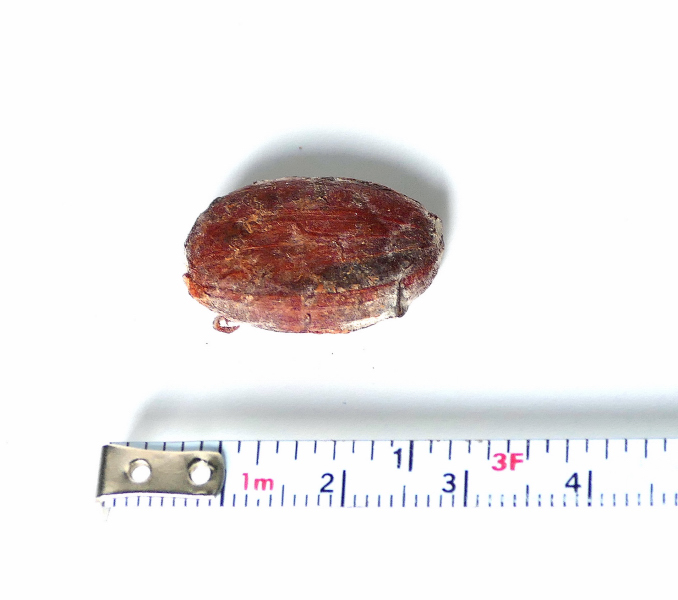
Questi semi subiscono una lavorazione abbastanza complessa suddivisa in diverse fasi:
- Fermentazione. I semi vengono raccolti e ammassati in ceste e tini di legno e successivamente esposti ad una temperatura oscillante tra i 40 e i 50 gradi. In questa fase gli zuccheri si trasformano in acidi ed eliminano quello che è rimasto della polpa e abbassano il sapore amaro dei semi.
- Essicazione. L'esposizione al sole o attraverso getti di aria calda fanno perdere al prodotto la metà del proprio peso.
- Tostatura. La temperatura viene mantenuta intorno ai 100/150 gradi.
- Vari procedimenti di sgusciatura, frantumazione e pulitura.
- Macinatura. In questa fase si mescolano diverse qualità di cacao per ottenere il gusto e la qualità voluti.
Alla fine delle lavorazioni si ottiene un impasto che servirà per tutte le lavorazioni successive, ma soprattutto per la più importante la :
Da questa pasta che risulta al gusto molto amara, vengono ricavati con varie lavorazioni:
- Burro di cacao : ottenuto mediante pressione e calore
- Cacao in polvere : con macinazione finissima fino ad ottenere una polvere solubile in acqua.
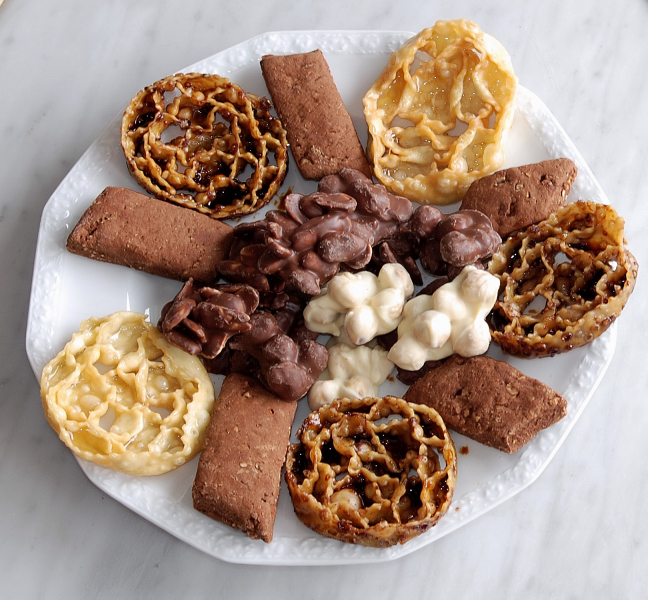
- Cioccolato : con lavorazione complessa ed articolata.
Cacao (Theobroma cacao L., Malvaceae)
Il cacao comprende semi (fave/nibs) e derivati ottenuti dalla trasformazione di Theobroma cacao: massa (liqueur), burro di cacao e polveri (naturali o alcalinizzate). È impiegato come ingrediente aromatico, funzionale e colorante naturale tenue in alimenti e bevande; in cosmesi come emolliente (burro), esfoliante delicato (polveri) ed estratto antioxidant.
Valore calorico (per 100 g di prodotto)
Fave/nibs (tostati): ~570–620 kcal/100 g.
Massa (liqueur) di cacao: ~580–650 kcal/100 g.
Polvere di cacao 10–12% grassi (naturale/olandese): ~220–260 kcal/100 g.
Polvere di cacao 20–22% grassi: ~360–450 kcal/100 g.
Burro di cacao: ~880–900 kcal/100 g.
Bevanda al cacao non zuccherata (pronta): ~0–15 kcal/100 g (secondo solidi disciolti).
Ai dosaggi d’uso alimentari l’apporto energetico dipende da forma e ricetta; miscele con zuccheri aumentano sensibilmente le calorie.
Principali sostanze contenute
Polifenoli: flavanoli (catechina, epicatechina) e procianidine B-type; acidi fenolici. Contribuiscono a colore, amarezza/astringenza e mostrano attività antioxidant in vitro (TPC come indicatore globale; profilo via HPLC).
Alcaloidi xantinici: teobromina (prevalente) e caffeina in tracce; responsabili di nota amara e lieve effetto stimolante.
Lipidi (derivati e residui): burro di cacao con acidi grassi tipici—stearico (SFA), oleico (MUFA), palmitico (SFA), piccole quote di linoleico (PUFA).
Fibre: elevata quota di fibra alimentare soprattutto nelle polveri e nei nibs.
Minerali: magnesio, potassio, ferro, rame (tenori variabili); metalli regolamentati (es. cadmio) da monitorare.
Volatili: pirazine, aldeidi ed esteri formatisi con fermentazione/torrefazione.
Marcatori analitici: TPC, profilo flavanolico e xantinico via HPLC, umidità/aw, colore (Lab*), pH; per polveri, granulometria e tenore di grassi.
Processo di produzione
Raccolta e fermentazione: apertura cabosse, fermentazione polpa/semi (2–7 giorni) per sviluppare precursori aromatici.
Essiccazione: riduzione umidità per stabilità e conservabilità.
Torrefazione: sviluppo del profilo aromatico e riduzione carica microbica.
Decorticazione (winnowing): separazione guscio/nibs.
Macinazione: ottenimento della massa (liqueur); eventuale pressatura per separare burro di cacao e torta, poi macinata in polvere.
Alcalinizzazione (processo olandese): trattamento con carbonati (pH ↑, colore più scuro, minore acidità; possibile riduzione dei polifenoli).
Controlli qualità: umidità/aw, pH, grassi totali, TPC/HPLC, micotossine (es. OTA), metalli (es. Cd), pesticidi, IPA; confezionamento secondo GMP/HACCP.
Proprietà sensoriali e tecnologiche
Aroma/colore: note di cacao tostato, frutta secca e caramellati; polveri alcalinizzate più scure e meno acide.
Funzionalità: colore bruno, attività antioxidant in vitro, contributo a corpo e texture; il burro di cacao apporta struttura e lucentezza in rivestimenti/creme.
Compatibilità: in bevande proteiche possono formarsi complessi polifenolo–proteina (haze/precipitazioni); la solubilità aumenta con alcalinizzazione ma può calare il TPC.
Impieghi alimentari
Cioccolato e ripieni: massa/burro secondo standard di identità.
Bevande e RTD: 1–4% di polvere (più alto per versioni olandesi); stabilizzare con idrocolloidi.
Prodotti da forno: 1–6% in farine/impasti; valutare pH per lievitazioni chimiche.
Lattiero-caseari/gelati: 1,5–5% di polvere; nel gelato contribuisce a colore, amaro e corpo.
Cereali/snack/spread: dosaggi variabili secondo target sensoriale e legami di grasso/acqua.
Nutrizione e salute
Il cacao apporta polifenoli con attività antioxidant in vitro; in ambito alimentare non si attribuiscono claim salutistici senza autorizzazione. Teobromina e caffeina richiedono attenzione in soggetti sensibili; il prodotto non è idoneo per animali domestici. L’impatto nutrizionale dipende dal contesto (zuccheri aggiunti, tenore di grassi).
Qualità e specifiche (temi tipici)
Parametri chiave: umidità (tip. ≤8%), aw, grassi totali (10–12% o 20–22% per polveri), pH (naturale ~5,2–6,0; olandese ~6,8–8,1), colore Lab*, granulometria.
Composizione: TPC/HPLC (flavanoli), teobromina/caffeina, ceneri.
Sicurezza: micotossine (OTA), metalli (Cd/Pb) entro limiti, pesticidi, IPA conformi; microbiologia a specifica.
Sensoriale: assenza di muffe, rancido, affumicato eccessivo.
Tracciabilità e igiene: conformità GMP/HACCP.
Conservazione e shelf-life
Proteggere da umidità, luce e ossigeno (DO); imballi barriera a bassa permeabilità.
Polveri: controllare RH/aw per evitare caking e perdita aromatica; richiudere bene.
Burro/massa: limitare ossidazione (T° fresca, poca luce, poco ossigeno); evitare shock termici.
Applicare rotazione FIFO.
Allergeni e sicurezza
Il cacao non è un allergene maggiore, ma sono possibili contaminazioni crociate (latte/frutta a guscio) in stabilimento. Verificare requisiti di etichettatura per teobromina/caffeina ove previsti e conformità a limiti su micotossine/metalli.
Funzioni INCI in cosmesi
Voci tipiche: Theobroma Cacao (Cocoa) Seed Butter; Theobroma Cacao Extract; Theobroma Cacao (Cocoa) Seed Powder.
Ruoli: emolliente (burro), antioxidant e skin conditioning (estratti), esfoliante fisico delicato (polveri), mascherante.
Troubleshooting
Amarezza/astringenza eccessive: dose alta o frazione ricca in tannini → ridurre dose, scegliere polveri più “soft”, bilanciare con grassi/zuccheri, ottimizzare pH.
Torbidità/precipitati in bevande: complessi polifenolo–proteina o Ca/Mg → chiarifica, filtrazione fine, chelanti blandi; valutare durezza acqua.
Colore poco intenso: polvere naturale a pH basso → valutare polvere olandese (pH ↑) o target di dose; attenzione al calo di TPC.
Oltre limiti Cd/OTA: materia prima non conforme → cambiare origine/fornitore, screening in accettazione, rafforzare CCP.
Sostenibilità e filiera
Valorizzazione dei coprodotti (gusci per estratti/fibra, biochar/compost), gestione degli effluenti con target BOD/COD, imballaggi riciclabili e controllo T°/umidità in logistica. Tracciabilità di provenienza e pratiche agricole responsabili mitigano l’impatto ambientale.
Conclusione
Il cacao offre un profilo aromatico complesso, una matrice polifenolica utile e funzionalità tecnologiche ampie. Prestazioni e stabilità dipendono da qualità della materia prima, pH/processi (alcalinizzazione), protezione da umidità/ossigeno e standardizzazione analitica.
Mini-glossario
TPC — total phenolic content: contenuto fenolico totale (Folin–Ciocalteu), indicatore globale non specifico.
HPLC — high-performance liquid chromatography: analisi quantitativa di flavanoli e xantine.
SFA — acidi grassi saturi (es. stearico/palmitico): alta stabilità ossidativa; opportuno bilanciamento dietetico.
MUFA — acidi grassi monoinsaturi (es. oleico): spesso favorevoli per profilo lipidico e stabilità.
PUFA — acidi grassi polinsaturi (es. linoleico): funzionali ma più suscettibili a ossidazione; richiedono protezione.
DO — dissolved oxygen (ossigeno disciolto): ridurlo limita ossidazioni e perdita aromatica.
RH — umidità relativa: da controllare per prevenire caking e degrado.
aw — attività dell’acqua: quota di acqua “libera” correlata a stabilità e microbiologia.
GMP/HACCP — good manufacturing practice / hazard analysis and critical control points: sistemi di qualità preventivi con CCP definiti.
BOD/COD — biochemical/chemical oxygen demand: indicatori del carico organico degli effluenti.
IPA — idrocarburi policiclici aromatici: contaminanti regolamentati in matrici tostate.
CCP — critical control point: fase in cui un controllo previene/elimina/riduce un pericolo.
Cacao studi
Cacao, effetti sulla salute
Bibliografia__________________________________________________________________________
Montagna MT, Diella G, Triggiano F, Caponio GR, De Giglio O, Caggiano G, Di Ciaula A, Portincasa P. Chocolate, "Food of the Gods": History, Science, and Human Health. Int J Environ Res Public Health. 2019 Dec 6;16(24):4960. doi: 10.3390/ijerph16244960.
Abstract. Chocolate is well known for its fine flavor, and its history began in ancient times, when the Maya considered chocolate (a cocoa drink prepared with hot water) the "Food of the Gods". The food industry produces many different types of chocolate: in recent years, dark chocolate, in particular, has gained great popularity. Interest in chocolate has grown, owing to its physiological and potential health effects, such as regulation of blood pressure, insulin levels, vascular functions, oxidation processes, prebiotic effects, glucose homeostasis, and lipid metabolism. However, further translational and epidemiologic studies are needed to confirm available results and to evaluate other possible effects related to the consumption of cocoa and chocolate, verifying in humans the effects hitherto demonstrated only in vitro, and suggesting how best to consume (in terms of dose, mode, and time) chocolate in the daily diet.
Ferri C, Desideri G, Ferri L, Proietti I, Di Agostino S, Martella L, Mai F, Di Giosia P, Grassi D. Cocoa, blood pressure, and cardiovascular health. J Agric Food Chem. 2015 Nov 18;63(45):9901-9. doi: 10.1021/acs.jafc.5b01064.
Abstract. High blood pressure is an important risk factor for cardiovascular disease and cardiovascular events worldwide. Clinical and epidemiological studies suggest that cocoa-rich products reduce the risk of cardiovascular disease. According to this, cocoa has a high content in polyphenols, especially flavanols. Flavanols have been described to exert favorable effects on endothelium-derived vasodilation via the stimulation of nitric oxide-synthase, the increased availability of l-arginine, and the decreased degradation of NO. Cocoa may also have a beneficial effect by protecting against oxidative stress alterations and via decreased platelet aggregation, decreased lipid oxidation, and insulin resistance. These effects are associated with a decrease of blood pressure and a favorable trend toward a reduction in cardiovascular events and strokes. Previous meta-analyses have shown that cocoa-rich foods may reduce blood pressure. Long-term trials investigating the effect of cocoa products are needed to determine whether or not blood pressure is reduced on a chronic basis by daily ingestion of cocoa. Furthermore, long-term trials investigating the effect of cocoa on clinical outcomes are also needed to assess whether cocoa has an effect on cardiovascular events. A 3 mmHg systolic blood pressure reduction has been estimated to decrease the risk of cardiovascular and all-cause mortality. This paper summarizes new findings concerning cocoa effects on blood pressure and cardiovascular health, focusing on putative mechanisms of action and "nutraceutical " viewpoints.
Jean-Marie E, Jiang W, Bereau D, Robinson JC. Theobroma cacao and Theobroma grandiflorum: Botany, Composition and Pharmacological Activities of Pods and Seeds. Foods. 2022 Dec 8;11(24):3966. doi: 10.3390/foods11243966.
Abstract. Cocoa and cupuassu are evergreen Amazonian trees belonging to the genus Theobroma, with morphologically distinct fruits, including pods and beans. These beans are generally used for agri-food and cosmetics and have high fat and carbohydrates contents. The beans also contain interesting bioactive compounds, among which are polyphenols and methylxanthines thought to be responsible for various health benefits such as protective abilities against cardiovascular and neurodegenerative disorders and other metabolic disorders such as obesity and diabetes. Although these pods represent 50-80% of the whole fruit and provide a rich source of proteins, they are regularly eliminated during the cocoa and cupuassu transformation process. The purpose of this work is to provide an overview of recent research on cocoa and cupuassu pods and beans, with emphasis on their chemical composition, bioavailability, and pharmacological properties. According to the literature, pods and beans from cocoa and cupuassu are promising ecological and healthy resources.
Tan TYC, Lim XY, Yeo JHH, Lee SWH, Lai NM. The Health Effects of Chocolate and Cocoa: A Systematic Review. Nutrients. 2021 Aug 24;13(9):2909. doi: 10.3390/nu13092909.
Abstract. Chocolate has a history of human consumption tracing back to 400 AD and is rich in polyphenols such as catechins, anthocyanidins, and pro anthocyanidins. As chocolate and cocoa product consumption, along with interest in them as functional foods, increases worldwide, there is a need to systematically and critically appraise the available clinical evidence on their health effects. A systematic search was conducted on electronic databases such as MEDLINE, EMBASE, and Cochrane Central Register of Controlled Trials (CENTRAL) using a search strategy and keywords. Among the many health effects assessed on several outcomes (including skin, cardiovascular, anthropometric, cognitive, and quality of life), we found that compared to controls, chocolate or cocoa product consumption significantly improved lipid profiles (triglycerides), while the effects of chocolate on all other outcome parameters were not significantly different. In conclusion, low-to-moderate-quality evidence with short duration of research (majority 4-6 weeks) showed no significant difference between the effects of chocolate and control groups on parameters related to skin, blood pressure, lipid profile, cognitive function, anthropometry, blood glucose, and quality of life regardless of form, dose, and duration among healthy individuals. It was generally well accepted by study subjects, with gastrointestinal disturbances and unpalatability being the most reported concerns.
Schwan RF, Wheals AE. The microbiology of cocoa fermentation and its role in chocolate quality. Crit Rev Food Sci Nutr. 2004;44(4):205-21. doi: 10.1080/10408690490464104.
Abstract. The first stage of chocolate production consists of a natural, seven-day microbial fermentation of the pectinaceous pulp surrounding beans of the tree Theobroma cacao. There is a microbial succession of a wide range of yeasts, lactic-acid, and acetic-acid bacteria during which high temperatures of up to 50 degrees C and microbial products, such as ethanol, lactic acid, and acetic acid, kill the beans and cause production of flavor precursors. Over-fermentation leads to a rise in bacilli and filamentous fungi that can cause off-flavors. The physiological roles of the predominant micro-organisms are now reasonably well understood and the crucial importance of a well-ordered microbial succession in cocoa aroma has been established. It has been possible to use a synthetic microbial cocktail inoculum of just 5 species, including members of the 3 principal groups, to mimic the natural fermentation process and yield good quality chocolate. Reduction of the amount of pectin by physical or mechanical means can also lead to an improved fermentation in reduced time and the juice can be used as a high-value byproduct. To improve the quality of the processed beans, more research is needed on pectinase production by yeasts, better depulping, fermenter design, and the use of starter cultures.
Cárdenas A, Mojica L, Coronado-Cáceres L, Castillo-Herrera GA. Unlocking the Alkaloid Biological Potential of Chili Pepper (Capsicum spp.), Cacao (Theobroma cacao L.), and Coffee (Coffea spp.) Byproducts: Characterization, Non-Conventional Extraction, Applications, and Future Perspectives. Molecules. 2025 Sep 18;30(18):3795. doi: 10.3390/molecules30183795.
Abstract. Chili peppers (Capsicum spp.), cacao (Theobroma cacao L.), and coffee (Coffea spp.) are important crops worldwide. Nearly 35%, 80%, and 45% of the respective fruits are underutilized or discarded, representing a considerable economic loss. This work reviews and analyzes the environmental factors that influence the concentration of the main alkaloids in these crops, including capsaicin, theobromine, and caffeine. Their reported anti-inflammatory, cardioprotective, neuroprotective, and cytotoxic properties are also reviewed. This work explores strategies for the revalorization of these crops, comparing alkaloid extraction methods that use non-conventional techniques, including supercritical fluid extraction (SFE), ultrasound-assisted extraction (UAE), high-pressure and -temperature extraction (HPTE), pressurized liquid extraction (PLE), pressurized hot water extraction (PHWE), enzyme-assisted extraction (EAE), and pulsed electric field-assisted extraction (PEFAE), and their combination to enhance the recovery of capsaicin, theobromine, and caffeine, leading to sustainable and innovative uses of these crops' byproducts. Capsaicin, theobromine, and caffeine alkaloids are promising ingredients for the development of functional foods, cosmeceuticals, and pharmaceuticals.
Díaz-Valderrama JR, Leiva-Espinoza ST, Aime MC. The History of Cacao and Its Diseases in the Americas. Phytopathology. 2020 Oct;110(10):1604-1619. doi: 10.1094/PHYTO-05-20-0178-RVW.
Abstract. Cacao is a commodity crop from the tropics cultivated by about 6 million smallholder farmers. The tree, Theobroma cacao, originated in the Upper Amazon where it was domesticated ca. 5450 to 5300 B.P. From this center of origin, cacao was dispersed and cultivated in Mesoamerica as early as 3800 to 3000 B.P. After the European conquest of the Americas (the 1500s), cacao cultivation intensified in several loci, primarily Mesoamerica, Trinidad, Venezuela, and Ecuador. It was during the colonial period that cacao diseases began emerging as threats to production. One early example is the collapse of the cacao industry in Trinidad in the 1720s, attributed to an unknown disease referred to as the "blast". Trinidad would resurface as a production center due to the discovery of the Trinitario genetic group, which is still widely used in breeding programs around the world. However, a resurgence of diseases like frosty pod rot during the republican period (the late 1800s and early 1900s) had profound impacts on other centers of Latin American production, especially in Venezuela and Ecuador, shifting the focus of cacao production southward, to Bahia, Brazil. Production in Bahia was, in turn, dramatically curtailed by the introduction of witches' broom disease in the late 1980s. Today, most of the world's cacao production occurs in West Africa and parts of Asia, where the primary Latin American diseases have not yet spread. In this review, we discuss the history of cacao cultivation in the Americas and how that history has been shaped by the emergence of diseases.
Martin MÁ, Ramos S. Impact of cocoa flavanols on human health. Food Chem Toxicol. 2021 May;151:112121. doi: 10.1016/j.fct.2021.112121. Epub 2021 Mar 13. PMID: 33722594.
Kerimi A, Williamson G. The cardiovascular benefits of dark chocolate. Vascul Pharmacol. 2015 Aug;71:11-5. doi: 10.1016/j.vph.2015.05.011. Epub 2015 May 27. PMID: 26026398.




