Oenothein B: what it is, benefits, uses and safety
Description
Oenothein B is a naturally occurring polyphenol belonging to the class of ellagitannins, primarily isolated from plants of the genus Epilobium (family Onagraceae). It is a bioactive compound of high interest in the nutraceutical, phytotherapeutic and cosmetic sectors due to its well-documented antioxidant, anti-inflammatory and enzyme-modulating properties, particularly in applications related to skin, scalp and prostate health.
Production process
Oenothein B is obtained through selective extraction from the aerial parts (leaves and flowering tops) of Epilobium species, which are first dried and stabilised. Extraction is typically carried out using aqueous or hydroalcoholic solvents, followed by filtration, concentration and purification steps.
Advanced purification techniques, such as fractionation or chromatographic enrichment, are employed to increase the content of ellagitannins, particularly Oenothein B, while removing undesirable plant constituents. The final ingredient is often supplied as a standardised dry extract or as a purified fraction, produced under GMP conditions and controlled for residual solvents, heavy metals and microbiological quality.
From a health perspective, the process preserves a high level of bioactive polyphenols. Potentially unwanted components are limited to trace botanical residues, which are managed through strict quality-control systems.
Physical properties
Oenothein B is generally supplied as a fine powder, light beige to pale brown in colour. Its main physical characteristics include:
Good solubility in hydroalcoholic systems
Limited solubility in non-polar solvents
Good chemical stability when protected from light, heat and moisture
Moderate hygroscopicity, typical of high-molecular-weight polyphenols
Sensory and technological properties
From a sensory standpoint, Oenothein B exhibits a pronounced astringent taste, characteristic of tannins.
From a technological perspective:
It contributes to oxidative stability in formulations
Acts as a natural antioxidant
Interacts with proteins and enzymes, modulating their activity
Is suitable for hydroalcoholic solutions, gels, serums and light emulsions
Requires controlled dosing to avoid excessive astringency or precipitation
Food and nutraceutical applications
Oenothein B is not commonly used as a direct food ingredient, but it is present as:
A bioactive marker compound in Epilobium extracts used in dietary supplements
A functional component in nutraceutical products targeting prostate health, urinary comfort and inflammatory balance
A characteristic constituent of herbal preparations derived from Epilobium
Its use depends on the extract type, standardisation level and applicable regulatory framework.
Nutrition and health
Oenothein B does not provide significant caloric or macronutrient value, but is valued for its biological activity. Scientific studies associate Oenothein B with:
Strong antioxidant activity, including free-radical scavenging
Anti-inflammatory effects, through modulation of inflammatory mediators
Enzyme inhibition, particularly 5α-reductase, relevant for scalp, skin and prostate-related applications
Potential antimicrobial and soothing effects
Its health relevance is linked to functional activity, not nutritional contribution.
Serving note
There is no standard dietary serving size for Oenothein B. In dietary supplements, dosage depends on the standardisation of the extract, the formulation and the intended use, in line with manufacturer recommendations and professional guidance.
Allergens and intolerances
Oenothein B:
Is not listed among major food allergens
Is generally well tolerated
May cause mild gastrointestinal discomfort at high doses, a known effect of tannins
Should be used with caution in individuals with polyphenol hypersensitivity or under specific medical treatments, unless advised by a healthcare professional
Storage and shelf-life
Oenothein B should be stored:
In a cool, dry environment
Protected from light, heat and oxygen
In airtight, opaque containers
Under appropriate conditions, typical shelf-life is 24–36 months, with good retention of polyphenolic activity.
Safety and regulatory
As a component of botanical extracts, Oenothein B falls under regulations governing botanical ingredients. Safety assessment is based on:
Botanical origin and traceability
Extraction method and degree of purification
Compliance with limits for chemical and microbiological contaminants
Manufacturing under Good Manufacturing Practice (GMP)
Its use in supplements and cosmetics must comply with the regulations applicable in the target market.
Labelling
On labels, Oenothein B is typically declared as:
Epilobium extract standardised to Oenothein B
Botanical name of the plant with indication of active compound content
In cosmetics, according to the relevant INCI name of the Epilobium extract
Any claims must be substantiated and must not imply medicinal effects.
Troubleshooting
Formulation instability: check pH and compatibility with electrolytes; mildly acidic systems are preferred
Excessive astringency: reduce dosage or combine with soothing agents
Precipitation: improve solubilisation or adjust solvent system
Unwanted colour impact: review extract purity and standardisation
Main INCI functions (cosmetics)
In cosmetic ingredients derived from Epilobium, Oenothein B contributes to the following INCI-related functions:
Antioxidant
Skin conditioning
Soothing
Anti-inflammatory
Sebum regulating (indirect, via enzyme modulation)
Hair conditioning, particularly in scalp-care products
Conclusion
Oenothein B is a high-value plant-derived active compound with strong scientific support for its antioxidant, anti-inflammatory and enzyme-modulating activities. It is especially relevant in nutraceutical and cosmetic formulations targeting sensitive skin, scalp health and male wellness. Proper standardisation, quality control and formulation strategy are essential to fully exploit its functional potential.
Mini-glossary
Ellagitannins: high-molecular-weight polyphenols with strong antioxidant activity
Polyphenols: plant compounds with antioxidant and regulatory biological effects
5α-reductase: enzyme involved in androgen metabolism
Astringency: drying sensation caused by tannin–protein interactions
GMP: Good Manufacturing Practice
HACCP: Hazard Analysis and Critical Control Points
References__________________________________________________________________________
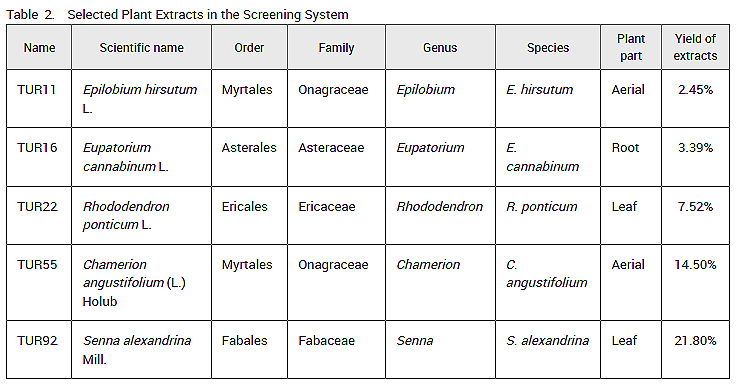
(1) Tahara Y, Fujita M, Zhang T, Wang D, Tateishi H, Togami A, Nyame P, Terasawa H, Monde N, Appiah-Kubi J, Amesimeku WO, Alsaadi DHM, Wada M, Sugimura K, Gezici S, Ciftci H, Karahan F, Sekeroglu N, Otsuka M, Sawa T, Maeda Y, Watanabe T, Monde K. Turkish Plants, Including Quercetin and Oenothein B, Inhibit the HIV-1 Release and Accelerate Cell Apoptosis. Biol Pharm Bull. 2023;46(11):1535-1547. doi: 10.1248/bpb.b23-00328.
Yoshida T, Yoshimura M, Amakura Y. Chemical and Biological Significance of Oenothein B and Related Ellagitannin Oligomers with Macrocyclic Structure. Molecules. 2018 Mar 2;23(3):552. doi: 10.3390/molecules23030552.
Abstract. In 1990, Okuda et al. reported the first isolation and characterization of oenothein B, a unique ellagitannin dimer with a macrocyclic structure, from the Oenothera erythrosepala leaves. Since then, a variety of macrocyclic analogs, including trimeric-heptameric oligomers have been isolated from various medicinal plants belonging to Onagraceae, Lythraceae, and Myrtaceae. Among notable in vitro and in vivo biological activities reported for oenothein B are antioxidant, anti-inflammatory, enzyme inhibitory, antitumor, antimicrobial, and immunomodulatory activities. Oenothein B and related oligomers, and/or plant extracts containing them have thus attracted increasing interest as promising targets for the development of chemopreventive agents of life-related diseases associated with oxygen stress in human health. In order to better understand the significance of this type of ellagitannin in medicinal plants, this review summarizes (1) the structural characteristics of oenothein B and related dimers; (2) the oxidative metabolites of oenothein B up to heptameric oligomers; (3) the distribution of oenotheins and other macrocyclic analogs in the plant kingdom; and (4) the pharmacological activities hitherto documented for oenothein B, including those recently found by our laboratory.
Pei X, Xiao J, Wei G, Zhang Y, Lin F, Xiong Z, Lu L, Wang X, Pang G, Jiang Y, Jiang L. Oenothein B inhibits human non-small cell lung cancer A549 cell proliferation by ROS-mediated PI3K/Akt/NF-κB signaling pathway. Chem Biol Interact. 2019 Jan 25;298:112-120. doi: 10.1016/j.cbi.2018.09.021.
Abstract. Oenothein B has a wide range of biological activities. The present study probed into the underlying mechanism on how Oenothein B inhibits the proliferation of a lung cancer line A549. Our results showed that Oenothein B effectively inhibited the proliferation of A549 cells by inducing apoptosis and arresting cells at G1 stage. Furthermore, Oenothein B not only increased the level of intracellular reactive oxygen species (ROS), but also induced the upregulation of intracellular apoptotic triggers (cleavage caspase-3, PARP, cytochrome c level in the cytosol, Bax). Moreover, ROS inhibitor (N-acetyl-L-cystein, NAC) and PI3K agonist (Insulin-like growth factor 1, IGF-1) could resist cell proliferation inhibition induced by Oenothein B, respectively. ROS inhibitor significantly abrogated the activation of caspase 3/7 and 9 in the presence of Oenothein B. Additionally, suppression of p-PI3K and p-Akt, p-NF-κB by Oenothein B could be compensated by treatment with ROS inhibitor. To summarize, these results demonstrated that Oenothein B was able to prevent cell proliferation probably via ROS-mediated PI3K/Akt/NF-κB signaling pathway.
Luo MH, He Y, Li H, Chen TX, Lei S, Zhang JJ, Wang L. Oenothein B inhibits proliferation and migration of breast cancer cells by regulating P53. Zhongguo Zhong Yao Za Zhi. 2023 Jul;48(14):3904-3912. doi: 10.19540/j.cnki.cjcmm.20230413.702.
Abstract. The effects of oenothein B(OEB) on the proliferation, apoptosis, invasion, and migration of breast cancer MCF-7 and MDA-MB-231 cells were investigated by cell culture in vitro, network pharmacology, and molecular docking. In vitro cell experiments revealed that OEB inhibited the proliferation and colony formation ability, and promoted the apoptosis and formation of apoptotic bodies in breast cancer cells, as well as inhibited the invasion and migration of breast cancer cells. The targets of OEB were obtained using SwissTargetPrediction database and breast cancer targets were obtained from GeneCards. The targets of OEB and breast cancer were entered separately in Venny 2.1 software to obtain the Venn diagram of common targets of OEB and breast cancer. The common targets of OEB and breast cancer were input into STRING database to construct a protein-protein interaction(PPI) network, which was entered into Cytoscape 3.7.2 software for network topology analysis. Key targets were screened according to protein association strength, and analyzed for KEGG pathway enrichment. Molecular docking of OEB to key targets using AutoDock software revealed that OEB stably bound to the active pocket of P53, while OEB promoted the expression of P53 protein. MCF-7 and MDA-MB-231 cell viability and migration ability increased after silencing P53, and this change was reversed after treatment with OEB. Therefore, this study showed that OEB inhibited the proliferation, migration, and invasion of breast cancer MCF-7 and MDA-MB-231 cells, and promoted the apoptosis of breast cancer MCF-7 and MDA-MB-231 cells, which may be related to the targeted regulation of P53.
Schepetkin IA, Kirpotina LN, Jakiw L, Khlebnikov AI, Blaskovich CL, Jutila MA, Quinn MT. Immunomodulatory activity of oenothein B isolated from Epilobium angustifolium. J Immunol. 2009 Nov 15;183(10):6754-66. doi: 10.4049/jimmunol.0901827.
Abstract. Epilobium angustifolium has been traditionally used to treat of a number of diseases; however, not much is known regarding its effect on innate immune cells. In this study, we report that extracts of E. angustifolium activated functional responses in neutrophils and monocyte/macrophages. Activity-guided fractionation, followed by mass spectroscopy and NMR analysis, resulted in the identification of oenothein B as the primary component responsible for phagocyte activation. Oenothein B, a dimeric hydrolysable tannin, dose-dependently induced a number of phagocyte functions in vitro, including intracellular Ca(2+) flux, production of reactive oxygen species, chemotaxis, NF-kappaB activation, and proinflammatory cytokine production. Furthermore, oenothein B was active in vivo, inducing keratinocyte chemoattractant production and neutrophil recruitment to the peritoneum after intraperitoneal administration. Biological activity required the full oenothein B structure, as substructures of oenothein B (pyrocatechol, gallic acid, pyrogallol, 3,4-dihydroxybenzoic acid) were all inactive. The ability of oenothein B to modulate phagocyte functions in vitro and in vivo suggests that this compound is responsible for at least part of the therapeutic properties of E. angustifolium extracts.