Phyllanthus dry extract (Phyllanthus niruri)
Description
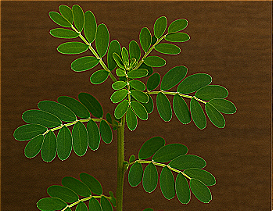
The dry extract of Phyllanthus niruri is derived from an annual herbaceous plant belonging to the Phyllanthaceae family, widely found in tropical and subtropical regions. This dry extract is a concentrated and standardized form of the plant’s key phytochemical constituents, providing a more controlled and reproducible alternative compared to raw plant material.
In terms of composition, the extract includes a combination of lignans, flavonoids, tannins, phenolic compounds, and terpenoids, which define its functional profile. Thanks to these attributes, Phyllanthus niruri dry extract is used as a functional ingredient in nutraceutical, cosmetic, and technical applications, particularly in formulations aimed at physiological support and cellular protection.
The dry form offers improved long-term stability, easier incorporation into solid or semi-solid formulations, and better dosage control, making it especially relevant for industrial and regulated uses.
INCI name / Technical name:
CAS number: 84775-91-7 (Number associated with botanical extracts of Phyllanthus niruri)*
EC number: 283-914-4
Name breakdown and function of the components
Phyllanthus: the botanical genus identifying the plant group from which the extract is sourced
niruri: the specific botanical species traditionally used for its bioactive compounds
Dry extract: a concentrated form obtained by removing the solvent, which enhances stability, shelf life, and dosage precision
These phytochemical components contribute to the functional properties of the extract in final products.
Botanical classification (APG IV system)
| Category | Data |
|---|
| Common name | phyllanthus, chanca piedra (for some species) |
| Botanical name | Phyllanthus spp. |
| Kingdom | Plantae |
| Clade | angiosperms → eudicots |
| Order | Malpighiales |
| Family | Phyllanthaceae |
| Genus | Phyllanthus |
| Most used species | Phyllanthus niruri L., Phyllanthus amarus Schumach. & Thonn. |
Dry extract characteristics
| Parameter | Specification |
|---|
| Plant part used | aerial parts |
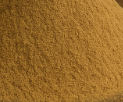
| Physical form | fine powder |
| Color | light brown to dark brown |
| Extraction method | aqueous or hydroalcoholic extraction followed by drying |
| Extraction ratio | variable (e.g. 4:1 – 10:1) |
| Solubility | partially soluble in water |
Indicative nutritional values per 100 g (dry extract)
Average indicative values. The extract is used at much lower dosages.
| Component | Average value |
|---|
| Energy | ~ 250–300 kcal |
| Total carbohydrates | ~ 45–55 g |
| Dietary fiber | ~ 20–30 g |
| Proteins | ~ 8–12 g |
| Total lipids | ~ 2–4 g |
| Ash | ~ 6–10 g |
Nutritional use note and bioactive compounds
At typical intake levels in food supplements (generally 300–1000 mg/day), the caloric contribution is negligible.
The nutritional relevance of Phyllanthus dry extract is functional rather than nutritional, being primarily associated with its bioactive compound profile rather than with macronutrient intake.
Main bioactive compounds present:
Lignans: phyllanthin, hypophyllanthin (characteristic markers of P. niruri and P. amarus)
Polyphenols: including gallic acid and ellagic acid
Flavonoids: quercetin, rutin, kaempferol derivatives
Tannins: mainly hydrolysable tannins, contributing to antioxidant activity
Alkaloids and terpenoids: present in minor amounts, varying with species and extraction method
These compounds are discussed in scientific literature for their antioxidant, hepatoprotective, and cell-protective activities, including hair growth promoting activity. (1)
Medical applications (traditional and scientific interest)
| Area | Application |
|---|
| Traditional herbal medicine | Support of liver and urinary tract function |
| Hepatoprotective activity | Studied for protective effects on liver cells |
| Urinary support | Traditionally used for urinary tract well-being |
| Antioxidant activity | High content of phenolic compounds |
| Antiviral and antimicrobial activity | Experimental evidence from in vitro studies |
Cosmetic applications
| Cosmetic area | Function |
|---|
| Skin care | Antioxidant and soothing properties |
| Anti-age products | Support against oxidative skin stress |
| Natural cosmetics | Functional botanical ingredient |
| Balancing products | Use in formulations for stressed or impure skin |
Main INCI functions:
Skin conditioning
Antioxidant
Soothing
Protecting
Industrial applications
| Sector | Application |
|---|
| Nutraceutical industry | Food supplements in capsules, tablets, and powders |
| Herbal industry | Production of dry extracts and phytotherapeutic blends |
| Cosmetic industry | Functional ingredient for natural formulations |
| Pharmaceutical research | Study of bioactive constituents |
| Food industry | Limited use as a functional ingredient |
Environmental impact
Phyllanthus niruri dry extract is considered to have a low environmental impact, as it is derived from a renewable plant source. It is not classified as environmentally hazardous. Ensuring a favorable environmental profile involves adhering to good agricultural and manufacturing practices, minimizing solvent use, and properly managing processing residues.
References__________________________________________________________________________
(1) Patel S, Sharma V, S Chauhan N, Thakur M, Dixit VK. Evaluation of hair growth promoting activity of Phyllanthus niruri. Avicenna J Phytomed. 2015 Nov-Dec;5(6):512-9.
Abstract. Objective: This study was designed to investigate the potential Phyllanthus niruri (P. niruri ) extracts in promotion of hair growth. Materials and methods: Here, we studied the hair growth promoting activity of petroleum ether extract of P. niruri following its topical administration. Alopecia was induced in albino rats by subcutaneous administration of testosterone for 21 days. Evaluation of hair loss inhibition was done by concurrent administration of extract and monitoring parameters like follicular density, anagen/telogen (A/T) ratio and histological observation of animal skin sections. Finasteride solution was applied topically as standard. In vitro experiments were also performed to study the effect of extract on the activity of 5α-reductase enzyme. Results: Groups treated with petroleum ether extract of plant showed hair re-growth as reflected by follicular density, A/T ratio and skin sections. Histopathology and morphologic observations of hair re-growth at shaved sites showed active follicular proliferation. In vitro experiments results showed inhibitory activity of petroleum ether extract on type-2 5α-reductase enzyme and an increase in the amount of testosterone with increasing concentrations. Conclusion: It could be concluded that petroleum ether extracts of P. niruri might be useful in the treatment of testosterone-induced alopecia in the experimental animal by inhibiting 5α-reductase enzyme.
Lee, N. Y., Khoo, W. K., Adnan, M. A., Mahalingam, T. P., Fernandez, A. R., & Jeevaratnam, K. (2016). The pharmacological potential of Phyllanthus niruri. Journal of pharmacy and pharmacology, 68(8), 953-969.
Abstract. Introduction. Phyllanthus niruri is a traditional shrub of the genus Phyllanthaceae with long-standing Ayurvedic, Chinese and Malay ethnomedical records. Preliminary studies from cell and animal model have provided valuable scientific evidence for its use. Aim. This review aims to summarize selected scientific evidence on the pharmacological properties of P. niruri over the past 35 years while identifying potential areas of further development of this herb as an economical adjunct. Methods.The review covers literature pertaining to the evidence base therapeutic potential of P. niruri spanning from 1980 to 2015 available on PubMed. Results. Evidence suggests that the extracts of P. niruri possess hepatoprotective, antiviral, antibacterial, hypolipidaemic, hypoglycaemic, analgesic, anti-inflammatory, cardioprotective, anti-urolithiatic and antihyperuricaemic properties due its novel bioactive compounds. Conclusion. Scientific evidence suggests that there is strong pharmacological potential in developing P. niruri as a drug to be used in liver disorders and in antiviral therapy. Despites this, large-scale heterogeneity in study protocol and unstandardized reporting standards limit the ability for valuable comparison and may mask the ability to replicate these studies. Thus interpretation of findings should be performed with caution and further studies should be performed in line with best practices. More cheminformatics, toxicological and mechanistic studies would aid the progress to clinical trial studies.
Murugaiyah, V., & Chan, K. L. (2009). Mechanisms of antihyperuricemic effect of Phyllanthus niruri and its lignan constituents. Journal of ethnopharmacology, 124(2), 233-239.
Abstract. Ethnopharmacological relevance. Phyllanthus niruri Linn. (Euphorbiaceae) is used as folk medicine in South America to treat excess uric acid. Our initial study showed that the methanol extract of Phyllanthus niruri and its lignans were able to reverse the plasma uric acid of hyperuricemic animals. Aim of the study. The study was undertaken to investigate the mechanisms of antihyperuricemic effect of Phyllanthus niruri and its lignan constituents. Material and methods. The mechanisms were investigated using xanthine oxidase assay and uricosuric studies in potassium oxonate- and uric acid-induced hyperuricemic rats. Results. Phyllanthus niruri methanol extract exhibited in vitro xanthine oxidase inhibition with an IC50 of 39.39 μg/mL and a moderate in vivo xanthine oxidase inhibitory activity. However, the lignans display poor xanthine oxidase inhibition in vitro and a relatively weak in vivo inhibitory activity at 10 mg/kg. On the other hand, intraperitoneal treatment with Phyllanthus niruri methanol extract showed 1.69 folds increase in urinary uric acid excretion when compared to the hyperuricemic control animals. Likewise, the lignans, phyllanthin, hypophyllanthin and phyltetralin exhibited up to 2.51 and 11.0 folds higher in urinary uric acid excretion and clearance, respectively. The co-administration of pyrazinamide with phyllanthin exhibited a significant suppression of phyllanthin's uricosuric activity resembling that of pyrazinamide with benzbromarone.. Conclusions. The present study showed that the antihyperuricemic effect of Phyllanthus niruri methanol extract may be mainly due to its uricosuric action and partly through xanthine oxidase inhibition, whereas the antihyperuricemic effect of the lignans was attributed to their uricosuric action.
Hassim, N., Markom, M., Rosli, M. I., & Harun, S. (2020). Effect of static extraction time on supercritical fluid extraction of bioactive compounds from Phyllanthus niruri. Journal of Computational and Theoretical Nanoscience, 17(2-3), 918-924.
Abstract. Supercritical fluid extraction (SFE) is an effective method to extract active components from plants. SFE process can be conducted by using a static or/and dynamic extraction. Static extraction is important for the diffusion of solvated analyte to the matrix surface. Therefore, the main objective of this study is to evaluate the static extraction time influence on SFE extraction of Phyllanthus niruri and the main bioactive compounds. The extraction was conducted by using supercritical carbon dioxide (SC-CO2) with 50% ethanol-water as a co-solvent at selected operating conditions (200 bar, 60 °C, 10% co-solvent content and 3 ml/min solvent total flow rate). The static extraction time was investigated in the range of 15 min–75 min by allowing the plant matrix to immerse in a mixture of SC-CO2 and 50% ethanol-water at the operating condition. The quantification of targeted compounds, which were gallic acid (GA), corilagin (CO) and ellagic acid (EA) were analysed by using high performance liquid chromatography (HPLC). The observation on the physical characteristics of the plant matrix was performed by using the scanning electron microscopy (SEM). The best result for total extraction yield was obtained at 60 min of static extraction time, which was 20.7% g/g sample. It also gave a better result for all three targeted compounds in terms of total content percentage (0.35% g GA/g extract, 3.05% g CO/g extract, and 5.17% g EA/g extract). In conclusion, static extraction time was crucial in extracting bioactive compounds in P. niruri by using SFE method and should be considered as the main parameter other than pressure and temperature.
Kania-Dobrowolska, M. (2020). The health benefits of Phyllanthus niruri. Postępy Fitoterapii.
Abstract...Phytochemical profile. In various parts of the Phyllanthus niruri plant, compounds such as: lignans (m.in. philantine, hypophilantine, nirantin, nirtetralin, philtelin, lintetralin, isolintetralin, linanthin), terpenes (limonene, p-cymene, lupeol), tannins (elagotannin), polysaccharides, saponins, flavonoids (quercetin, rutin, astragalin, quercetrol, kaempferol), gallocatechin, gallic acid, ellagic acid, coumarins, as well as alkaloids (securinin, ent-norsecurinin, 4-methoxy-nor-securinin) and sterols, m.in. amarosterol A and B. Studies show that the highest amounts of philanthropin (0.7% at first or first or first or time) and hypophyllant (0.3% by weight) were recorded in the leaves, while in the stem they are present in small amounts (1, 3-5)....