



Urtica dioica dry extract
Nettle dry extract (Urtica dioica)
Description
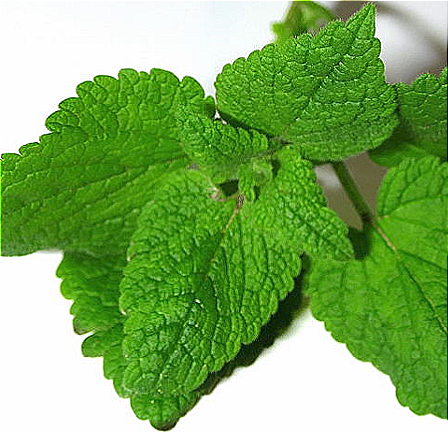
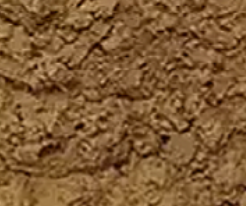
Nettle dry extract is obtained primarily from Urtica dioica, a perennial herbaceous plant belonging to the Urticaceae family. The dry extract represents a concentrated and standardized form of the plant’s phytochemical constituents and is used as a functional ingredient in cosmetic, nutraceutical, and technical formulations. Its composition includes phenolic compounds, flavonoids, phytosterols, and mineral constituents, supporting its use in products aimed at skin and scalp care as well as general wellness applications.
 |  |
INCI name / Technical name:
INCI: Urtica Dioica Extract
Technical name: Nettle dry extract
CAS number: 90083-74-6 (Number associated with botanical extracts of Urtica dioica)*
EC number: 289-933-8
Description of the production process and raw materials used
The production process generally includes:
Harvesting and selection of aerial parts and/or roots of Urtica dioica
Controlled drying to preserve bioactive compounds
Extraction using suitable solvents (water, ethanol, or hydroalcoholic mixtures)
Filtration and concentration of the liquid extract
Final drying (spray drying or vacuum drying) to obtain a stable powdered extract
Main raw materials:
Urtica dioica dried plant material
Extraction solvents (water, ethanol)
Optional technological carriers used during the drying phase
Botanical identification
| Category | Data |
|---|---|
| Common name | nettle, stinging nettle |
| Botanical name | Urtica dioica L. |
| Botanical family | Urticaceae |
| Plant part used | leaves and/or aerial parts |
| Ingredient form | extract |
Description of the dry extract
| Item | Description |
|---|---|
| Appearance | fine powder or liquid |
| Color | green-brown to brown |
| Odor | characteristic, herbal |
| Solubility | partially soluble in water; soluble in hydroalcoholic solvents |
| Extraction ratio | variable (typically 4:1 – 10:1, depending on manufacturer) |
| Carrier | may contain maltodextrins or other plant-derived carriers |
Key constituents
| Compound class | Description |
|---|---|
| Flavonoids | quercetin, kaempferol and derivatives |
| Phenolic acids | caffeic acid, chlorogenic acid |
| Chlorophyll | responsible for the green coloration |
| Minerals | iron, calcium, magnesium, potassium |
| Phytosterols | β-sitosterol and related compounds |
| Lectins and polysaccharides | associated with biological activity |
Indicative nutritional values per 100 g of dry extract
Average estimated values. The dry extract is not intended as a food ingredient but as a functional component. Typical usage levels range from tens to hundreds of milligrams.
| Component | Indicative value |
|---|---|
| Energy | ~ 260–320 kcal |
| Total carbohydrates | ~ 40–50 g |
| — of which sugars | ~ 8–12 g |
| Dietary fiber | ~ 20–30 g |
| Proteins | ~ 15–20 g |
| Total lipids | ~ 2–4 g |
| — saturated fatty acids (SFA – Saturated Fatty Acids) | < 1 g |
| — monounsaturated fatty acids (MUFA – MonoUnsaturated Fatty Acids) | < 1 g |
| — polyunsaturated fatty acids (PUFA – PolyUnsaturated Fatty Acids) | < 1 g |
| Ash | ~ 10–15 g |
Nutritional profile note
From a nutritional standpoint, dry extract of Urtica dioica is not intended to provide significant energy or macronutrient intake.
Its relevance is functional, related to the concentration of bioactive compounds, minerals, and chlorophyll compared with the fresh plant.
Medical applications (traditional and scientific interest)
| Area | Application |
|---|---|
| Traditional herbal medicine | Used to support the body’s detoxifying functions |
| Joint well-being | Interest in flavonoids and phenolic compounds for inflammation support |
| Urinary function | Traditionally used as a supportive ingredient for fluid drainage |
| Antioxidant activity | Polyphenols studied for oxidative stress modulation |
| Metabolic support | Traditional use as a remineralizing plant |
Note: medical applications are traditional or experimental and do not replace pharmacological treatments.
Cosmetic applications
| Cosmetic area | Function |
|---|---|
| Skin care | Extract used for purifying and balancing properties |
| Oily and impure skin products | Support for normalizing skin secretions |
| Hair care | Included in products for oily scalp and dandruff |
| Natural cosmetics | Functional ingredient in phytocosmetic formulations |
Main INCI functions:
Skin conditioning
Purifying
Astringent
Protecting
Industrial applications
| Sector | Application |
|---|---|
| Herbal industry | Production of supplements and botanical preparations |
| Natural cosmetics | Standardizable botanical raw material |
| Nutraceutical sector | Interest as a plant-derived functional ingredient |
| Phytochemical research | Study of flavonoids, minerals, and chlorophyll |
| Feed industry | Experimental use as a vegetal source of micronutrients |
Safety and usage considerations
| Aspect | Guidance |
|---|---|
| General use | generally well tolerated at traditional usage levels |
| Warnings | avoid use in case of hypersensitivity to Urticaceae plants |
| Quality requirements | ensure purity, traceability, and absence of contaminants |
| Regulatory status | use depends on intended application (cosmetics, supplements, research) |
Environmental impact
Nettle extract is considered to have a low environmental impact, as it is derived from a renewable botanical source that is widely available. It is not classified as hazardous to the environment. Sustainable harvesting practices and controlled extraction processes help ensure minimal environmental footprint, in line with good manufacturing practices and applicable environmental regulations.
Studies
The leaf extract has been reported to prevent some of the effects of prostatic hyperplasia (1) and as an anti-inflammatory for rheumatoid arthritis. It has an anti-diabetic effect and is used for cardiovascular therapy for its bioactive compounds such as polyphenols, tri-terpenes, sterols, flavonoids and lectin that reduce blood glucose levels (2) with their anti-inflammatory, antioxidant, anti-hypertensive properties and can prevent many chronic and degenerative diseases. The efficacy of this edible plant with its stinging hairs has proved useful for its anti-haemorrhagic, analgesic, diuretic, nutritive, anti-asthmatic, astringent and depurative effects.
The fresh leaves are used to treat allergies (3) and contain chlorogenic acid, malic acid, flavonoids such as rutin, quercetin, kaempferol while the root contains lignans, phytosterols, polysaccharides, coumarins.
Nettle (Urtica dioica) has shown, thanks to its anti-inflammatory and antioxidant properties, a potential to reduce hair loss. (4)
The most relevant studies on the subject have been selected with a summary of their contents:

