



Lime oil
(cold-pressed or distilled essential oil from Citrus aurantiifolia / Citrus latifolia peel)
Description
Volatile essential oil obtained from the peel (flavedo) of lime fruits, used primarily as a flavouring and fragrance.
Two main types in food use:
Cold-pressed (expressed) lime oil – mechanically extracted from fresh peel; intense, bright, slightly bitter–green note; may contain non-volatile components including furanocoumarins.
Distilled lime oil – steam-distilled from peel or juice by-products; cleaner, sometimes “lighter” citrus note, usually with lower phototoxic components.
Clear to pale greenish–yellow liquid, very aromatic, highly volatile and oxidation-sensitive.
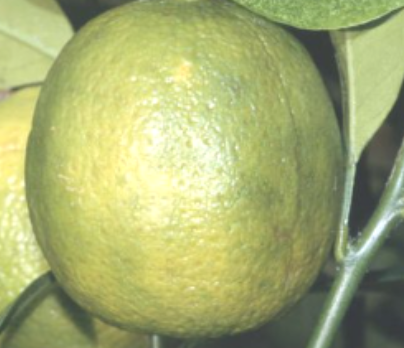
Indicative nutritional values (per 100 g oil)
Lime oil is used at very low flavour levels; it is not a meaningful nutrient source.
Energy: ~850–900 kcal
Fat (chemically, mostly terpenes, not nutritional triglycerides): ~100 g
Carbohydrates, protein, fibre: 0 g
Sodium: ≈ 0 mg
In practice, usage levels (ppm or mg/kg) make its energy and fat contribution nutritionally negligible.
Key constituents
Monoterpene hydrocarbons (major fraction):
d-Limonene (often 40–70%) – main citrus note.
γ-Terpinene, β-Pinene, α-Pinene, Terpinolene.
Oxygenated compounds (important for flavour character):
Citral (neral + geranial), Linalool, Terpineol, Citronellal and derivatives.
Non-volatile fraction (more in cold-pressed):
Waxes, pigments, and furanocoumarins (e.g., bergapten, oxypeucedanin) – linked to phototoxicity on skin.
Traces of natural antioxidants (e.g., some phenolics), often insufficient alone to prevent oxidation.
Production process
Selection and washing of fresh limes → mechanical peeling or whole fruit processing.
Cold-pressed oil:
Abrasion or puncturing of peel + addition of water → oil/water emulsion → separation (centrifugation) → polishing/filtration → optional de-waxing and terpene reduction (folded oils).
Distilled oil:
Peel or juice by-products → steam distillation → condensation → phase separation of oil and aqueous layer → drying and filtration.
Standardization (e.g. blending crop lots) → packaging in light- and oxygen-protected containers.
Physical properties
Appearance: clear, mobile liquid; colour from almost colourless to pale yellow–green.
Relative density (20 °C): typically 0.84–0.88.
Refractive index (20 °C): ~1.470–1.480.
Highly volatile, low viscosity, insoluble in water; soluble in fats and most food-grade solvents.
Flash point relatively low (flammable liquid).
Sensory and technological properties
Aroma: fresh, sharp citrus lime with characteristic zesty, slightly bitter peel note; distilled oils can be smoother and less bitter.
Very high flavour impact at low inclusion; excessive dose leads to harsh, solvent-like or bitter notes.
Susceptible to oxidation and polymerization → off-flavours (rancid, terpene-resin, “painty”) and loss of top notes.
Often stabilized with antioxidants (e.g. tocopherols, rosemary extract, ascorbyl palmitate where permitted) and by cold storage and light/oxygen protection.
Food applications
Beverages: carbonated soft drinks, flavoured waters, cocktails, syrups, energy drinks (often as emulsified flavours).
Confectionery: hard candies, jellies, chewing gum, chocolate fillings (careful with dosage).
Bakery: cakes, cookies, glazes, icings and cream fillings (frequently pre-diluted in carriers).
Dairy and frozen desserts: yogurts, ice creams, sorbets, mousse.
Savory: marinades, dressings, sauces, seafood products (usually via compounded flavours, not neat oil).
Aromatized salts/sugars: in combination with carriers and encapsulation systems.
Nutrition & health
At typical flavour levels, lime oil contributes aroma only, not meaningful calories, macros, or micronutrients.
Contains naturally occurring terpenes that may be bioactive, but usual intake from foods is very low.
From a dietetic viewpoint, its main relevance is potential sensitization/irritation in sensitive individuals rather than nutritional impact.
Serving note (usage guidance)
Neat oil is rarely added directly to food; usually used via flavour formulations (in solvents, emulsions, or encapsulated).
Typical finished-product levels (very indicative):
Soft drinks: 10–80 mg/kg (often much lower if using high-impact fractions).
Confectionery: 20–150 mg/kg depending on matrix and synergy with other flavours.
Bakery/desserts: 10–80 mg/kg or equivalent, often via emulsified or encapsulated flavour.
Because of high potency and sensitivity to oxidation, small, accurately measured doses and good process control are essential.
Allergens and intolerances
Lime itself is not among the 14 major EU allergens, but citrus fruits can trigger idiosyncratic reactions in some individuals (irritation, rare allergy).
Cold-pressed lime oil contains photosensitizing furanocoumarins: relevant mainly for topical/skin exposure, not typical food use.
In food, the main concern is possible flavouring allergens from compounded systems (e.g., carrier oils, solvents) rather than the lime oil itself; these must be checked on specification.
Quality and specifications (typical themes)
Identity parameters: relative density, refractive index, optical rotation, limonene content, chromatographic profile (GC).
Purity: compliance with flavour industry standards (e.g., limits for solvents, pesticides, heavy metals, residual non-volatile matter).
Peroxide value / oxidation markers as low as practically achievable; absence of rancid/oxidized off-odours.
Microbiology: essential oils themselves are generally self-preserving (very low water activity), but microbiology is relevant for flavour emulsions and carriers.
Storage and shelf-life
Store in full, well-closed, light-protected containers (amber glass or coated metal), ideally under nitrogen or inert gas.
Recommended storage: cool, dry place (e.g. 5–15 °C); avoid repeated temperature cycling.
Shelf-life (if properly stored): typically 12–24 months from production; high-purity/terpene-reduced or stabilized variants may show better stability.
Once opened, use quickly and minimize headspace and oxygen exposure.
Safety and regulatory
Food-grade lime oil must comply with relevant standards for natural flavourings and essential oils.
Produced under GMP/HACCP; raw material traceability (lime variety, origin, processing) should be ensured.
For food use, regulatory frameworks may treat lime oil as:
Natural flavouring substance/flavouring preparation (e.g. under EU flavour regulation),
Or as part of a flavouring system in other jurisdictions.
Phototoxicity and dermal limits are critical for cosmetics and aromatherapy; in foods the primary issues are purity, absence of contaminants, and reasonable use levels.
Labeling
As an ingredient in flavours: typically declared as part of “flavourings” / “natural flavourings” or “natural lime flavour” when criteria are met.
When declared individually (e.g., in clean-label products), possible claims: “natural lime oil” or “natural lime flavour (from lime oil)” according to local rules.
Any carriers, solvents, or processing aids in compounded flavours must be declared when required and checked for allergens.
Troubleshooting
Loss of top notes / weak flavour → oxidation or volatilization → improve antioxidant system, packaging (oxygen barrier, nitrogen), storage temperature; review process (heating steps, open tanks).
Harsh, bitter, or solvent-like notes → overdose or degraded oil → reduce dosage, verify age/quality, or switch to a fractionated/rectified grade.
Colour changes in finished product → interaction with other ingredients or oxidation → use more stable flavour forms (emulsions/encapsulated), adjust pH and antioxidant strategy.
Phase separation in beverages → poor emulsification → improve flavour emulsion, adjust emulsifier level and homogenization conditions.
Sustainability and supply chain
Often produced from peel and juice by-products of lime processing (juices, concentrates), contributing to by-product valorisation.
Key impacts: agricultural practices for citrus (water, agrochemicals), energy use in processing, and waste/effluent management (with BOD/COD control).
Good supplier practices include responsible sourcing, reduction of pesticide residues, optimized transport, and recyclable/returnable packaging for bulk oils.
Main INCI functions (cosmetics)
INCI names: Citrus Aurantifolia (Lime) Oil or Citrus Latifolia (Lime) Oil.
Functions: fragrance, masking, sometimes tonic/skin conditioning in cosmetic products.
Must respect limits for phototoxic components (furanocoumarins) and fragrance allergens according to cosmetic regulations.
Conclusion
Lime oil is a high-impact, volatile citrus essential oil that provides bright lime character to beverages, confectionery, bakery, and many other foods at very low usage levels. Its successful use depends on careful dosing, protection from oxidation and light, and appropriate formulation (emulsions or encapsulated flavours) to deliver stable, consistent flavour while meeting safety and regulatory requirements.
Mini-glossary
Essential oil – Concentrated, volatile aromatic oil obtained from plants, typically by pressing or distillation.
Furanocoumarins – Natural compounds in some citrus oils that can cause phototoxic reactions on skin exposed to UV light.
GC (gas chromatography) – Analytical technique used to characterize essential oil composition and verify authenticity.
GMP/HACCP – Good Manufacturing Practices / Hazard Analysis and Critical Control Points; core food-safety systems.
BOD/COD – Biochemical/Chemical Oxygen Demand; measures of organic pollution load in wastewater.
Studies
Many interesting components have been found in the juice and peel of limes that play different roles in protecting the human body from external agents such as oleic acid, palmitic acid, citral, linalool, limonene and caryophyllene, which, together with vitamin C, act as protective agents against free radicals. Antioxidants (in particular polyphenols and carotenoids) and antimicrobials as well as anti-inflammatory agents (aldehydes, terpenes, sesquiterpenes, alcohols and esters) are also present (1) Even in the treatment of cardiovascular diseases, daily intake has shown great benefits: the cold-pressed oil obtained from Citrus aurantifolia is considered a therapeutic agent that can inhibit the abnormal proliferation of vascular smooth muscle cells (2).
Alongside the components mentioned above, it is interesting to note the presence of rutin, apigenin, hexpertin, quercetin, naringenin and nobiletin, which, although in lesser quantities, collectively act the same protective functions.
The most relevant studies on this ingredient have been selected with a summary of their contents:
CAS 90063-52-8 generic
Lime Citrus Aurantifolia studies

