Hello, Guest!


  Objects Tiiips Categories
Lysozyme (egg)
"Descrizione"
by Al222 (24881 pt)
2025-Oct-26 12:25

Lisozima da uovo (Gallus gallus domesticus; E1105)

Enzima batteriolitico (N-acetilmuramidasi) isolato dall’albume d’uovo e utilizzato come coadiuvante/aggiunta tecnologica o conservante in alimenti e bevande (es. formaggi a pasta dura contro il “gonfiore tardivo” da Clostridium, vini contro eccessi di batteri lattici). Disponibile in polvere (cristallina o spray-dry) e in soluzione; è una proteina basica (~14,3 kDa; pI ~11) con 4 ponti disolfuro, attiva soprattutto verso batteri Gram-positivi.


Valore calorico (per 100 g di prodotto)
~360–400 kcal/100 g (proteina pura ~4 kcal/g).
Nota: ai dosaggi d’uso (mg/kg o mg/L) l’apporto energetico è trascurabile.


Principali sostanze contenute

  • Proteina enzimatica: lisozima (talvolta come cloridrato).

  • Tracce: altre proteine dell’albume (residuali), sali (Cl⁻), umidità.

  • Marcatori analitici: attività enzimatica (U/mg, test con Micrococcus lysodeikticus), purezza proteica (%), umidità, cenere, cloruri.


Meccanismo d’azione e spettro
Idrolizza il legame β(1→4) tra N-acetil-muramico e N-acetil-glucosamina del peptidoglicano, indebolendo la parete di batteri Gram-positivi (es. Lactobacillus, Pediococcus, Clostridium). Attività limitata sui Gram-negativi (barriera membrana esterna), aumentabile in presenza di chelanti o permeabilizzanti idonei alla matrice. Inefficace su lieviti e muffe.


Profilo lipidico (per 100 g; sempre indicato)
Grassi totali<0,5 g/100 g (tracce).
SFA/MUFA/PUFA (n-6/n-3)non significativi.
Trans/CLA: assenti. Colesterolo: assente.


Processo di produzione
Albume pastorizzato → separazione/selezione (es. scambio ionico su resine cationiche) → eluzione e concentrazione (UF/DF) → eventuale conversione a cloridratocristallizzazione o spray-drysetacciatura e standardizzazione (attività/purezza) → confezionamento in imballi barriera. Controlli su allergeni uovo, microbiologia, metalli e residui di processo.


Proprietà sensoriali e tecnologiche

  • Aspetto/solubilità: polvere bianca/bianco-avorio, altamente solubile in acqua.

  • Stabilità: buona in forma secca; in soluzione stabile a pH ~4–7; optimum d’attività tipico pH 4,5–6,5 (matrice-dipendente). Termosensibile >70–80 °C (denaturazione), con stabilizzazione parziale in presenza di zuccheri/sali.

  • Interazioni: può legare polianioni (es. pectine, carragenine) formando complessi; in vino può causare intorbidamento proteico (richiede collaggio/bentonite).


Impieghi alimentari

  • Formaggi a pasta dura/semidura: prevenzione gonfiore tardivo (Clostridium tyrobutyricum); aggiunta al latte/cagliata.

  • Vini: controllo batteri lattici (MALO selettiva o contenimento MLF in conservazione).

  • Altre matrici: birre/fermentati, conserve acide, carni cotte RTE (superfici).
    Dosaggi indicativi (sempre secondo normativa e prove pilota): 10–400 mg/kg (solidi) o 50–500 mg/L (bevande), in funzione della carica microbica, del pH e della aw.


Nutrizione e salute
È una proteina dell’uovo con funzione enzimatica; nessun claim salutistico senza autorizzazione. L’uso è tecnologico/conservativo e l’apporto nutrizionale è irrilevante alle dosi impiegate.


Qualità e specifiche (temi tipici)

  • Attività: U/mg (substrato M. lysodeikticus, assorbanza ↓ a 450 nm).

  • Purezza: ≥90–99% proteina; umidità; ceneri/cloruri (se HCl-lisozima).

  • pH soluzione 1% (indicativo), densità apparente, granulometria.

  • Microbiologia: TVC basso, patogeni assenti; endotossine (grado pharma).

  • Allergene uovo: presenza da dichiarare; verifica cross-contact.


Conservazione e shelf-life
Conservare al fresco e al buio (tip. <25 °C), in contenitori ermetici a bassa permeabilità; proteggere da umidità. In soluzione: usare entro breve, 4 °C; evitare congelamento/scongelamenti ripetuti. Applicare FIFO.


Allergeni e sicurezza
Derivando dall’uovo, è allergene: etichettatura obbligatoria ove previsto (anche nei vini e formaggi). Non idoneo a soggetti allergici all’uovo. Rispettare limiti d’uso/condizioni locali (additivo E1105 dove autorizzato). Valutare rischi di intorbidamento e interazioni con stabilizzanti/colle.


Funzioni INCI in cosmesi
Voce: Lysozyme. Ruoli: antimicrobial, skin conditioning, deodorant/oral care; attenzione a sensibilizzazione in soggetti allergici all’uovo; formulare con presidi conservativi adeguati.


Troubleshooting

  • Perdita di efficacia: pH/T fuori optimum o alta carica Gram-negativi → rientrare in range pH, abbinare chelanti idonei, valutare dose/tempo contatto.

  • Intorbidamento in vino: precipitazione proteica → bentonite/collaggio, filtrazione a freddo.

  • Residuo enzimatico in formaggi: eccesso dose → calibrare in base alla carica sporigena e alla tecnologia.

  • Allergene non dichiarato: rischio richiamo → audit etichette e tracciabilità.


Sostenibilità e filiera
Valorizza coprodotti dell’industria dell’uovo; impatti da resine/soluzioni di purificazione ed effluenti (da trattare verso target BOD/COD). Packaging riciclabile barriera e logistica a T/RH controllate.


Conclusione
Il lisozima da uovo è uno strumento mirato per il controllo batterico in matrici alimentari sensibili, con efficacia elevata verso Gram-positivi e profilo d’uso consolidato in formaggi e vini. La resa dipende da pH, dose, tempo di contatto e interazioni di matrice; la gestione dell’allergene e la stabilizzazione colloidale (vino) sono i punti chiave di qualità.


Mini-glossario
E1105 — lisozima da uovo (codice additivo UE).
U/mg — unità di attività per mg di proteina (saggio Micrococcus).
pI — punto isoelettrico.
MLF/MALO — fermentazione malolattica.
aw — attività dell’acqua.
WHC — water holding capacity (rilevanza in formaggi).
TVC — carica batterica totale.
FIFO — first in, first out.
BOD/COD — domanda biochimica/chimica di ossigeno (effluenti).
SFA/MUFA/PUFA (n-6/n-3) — profilo acidi grassi (qui trascurabile).

Ha funzioni antiossidanti, antinfiammatorie ed antibatteriche in particolar modo contro batteri Gram-positivi e Gram-negativi (1), svolge un'attività protettiva nella malattia di Alzheimer (2), nel trattamento di infezioni dal batterio Staffilococcus Aureus (3) è un sostituto efficace alla clorexidina e alla benzidamina nel trattamento della faringite acuta (4).

Cosmetica

Agente condizionante della pelle.  Rappresenta il perno del trattamento topico della pelle in quanto ha la funzione di ripristinare, aumentare o migliorare la tolleranza cutanea a fattori esterni, compresa la tolleranza dei melanociti. La funzione più importante dell'agente condizionante è  prevenire la disidratazione della pelle, ma il tema è piuttosto complesso e coinvolge emollienti ed umettanti che possono essere aggiunti nella formulazione.
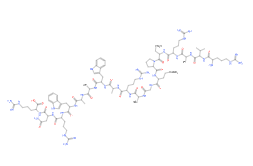


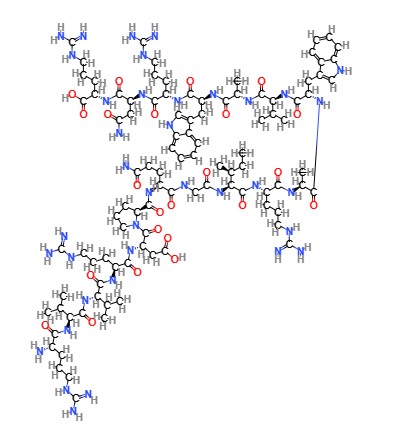
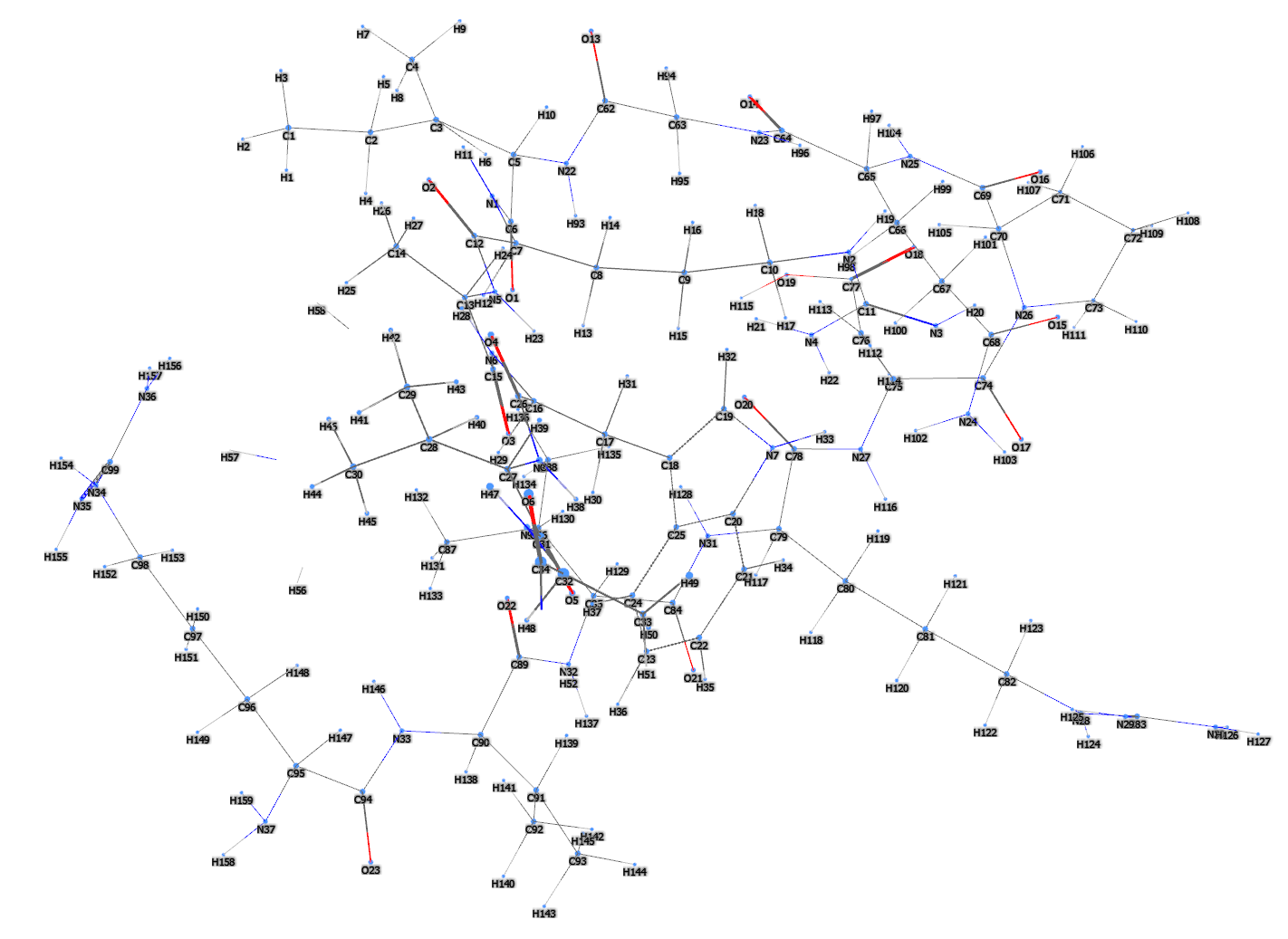
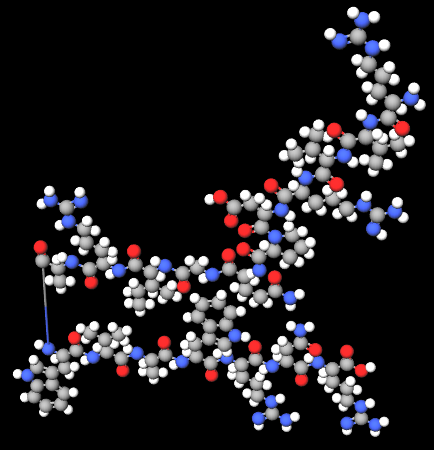
  • Formula molecolare  C99H159N37O23
  • Peso molecolare  2235.6
  • CAS   9001-63-2   235-747-3
  • UNII   
  • EC number   232-620-4

Bibliografia_________________________________________________________________________

(1) Vilcacundo R, Méndez P, Reyes W, Romero H, Pinto A, Carrillo W. Antibacterial Activity of Hen Egg White Lysozyme Denatured by Thermal and Chemical Treatments. Sci Pharm. 2018 Oct 30;86(4):E48. doi: 10.3390/scipharm86040048.

Abstract. The aim of this study was to increase the antibacterial spectrum of modified hen egg white lysozyme (HEWL) with thermal and chemical treatments against Gram-negative bacteria. The antibacterial activity of heat-denatured HEWL and chemical denatured HEWL against Gram-negative and Gram-positive bacteria was evaluated in 15 h of incubation tests. HEWL was denatured by heating at pH 6.0 and pH 7.0 and chemical denaturing was carried out for 1.0, 1.5, 2.0, and 4.0 h with DL-Dithiothreitol (DTT). HEWL modified by thermal and chemical treatments was characterized using the sodium dodecyl sulfate-polyacrylamide gel electrophoresis (SDS-PAGE) electrophoresis method. Heat-denatured HEWL lytic activity against Micrococcus lysodeikticus lessened with increasing temperature and time of incubation with the chemical agent (DTT). The loss of lytic activity in modified HEWL suggests that the mechanism of action of the antibacterial activity is not dependent on the lytic activity. Thermal and chemical treatments of HEWL enabled the production of oligoforms and increased antibacterial activity over a wider spectrum. Heat-denatured HEWL at pH 6.0 and chemically-denatured HEWL increased the HEWL antibacterial spectrum against Gram-negative bacteria (Escherichia coli ATCC 25922). HEWL at 120 °C and pH 6.0 (1.0 mg/mL) inhibited 78.20% of the growth of E. coli. HEWL/DTT treatment for 4.0 h (1.0 mg/mL) inhibited 68.75% of the growth E. coli. Heat-denatured HEWL at pH 6.0 and pH 7.0 and chemically-denatured HEWL (1.0, 1.5, 2.0, and 4.0 h with DTT) were active against Gram-positive bacteria (Staphylococcus carnosus CECT 4491T). Heat-denatured and chemical-denatured HEWL caused the death of the bacteria with the destruction of the cell wall. LIVE/DEAD assays of fluorescent dye stain of the membrane cell showed membrane perturbation of bacteria after incubation with modified HEWL. The cell wall destruction was viewed using electron microscopy. The results obtained in this study suggest that heat-denatured HEWL at pH 6.0 and chemical-denatured HEWL treatments increase the HEWL antibacterial activity against Gram-negative bacteria.

(2) Helmfors L, Boman A, Civitelli L, Nath S, Sandin L, Janefjord C, McCann H, Zetterberg H, Blennow K, Halliday G, Brorsson AC, Kågedal K. Protective properties of lysozyme on β-amyloid pathology: implications for Alzheimer disease. Neurobiol Dis. 2015 Nov;83:122-33. doi: 10.1016/j.nbd.2015.08.024. 

(3) Chen, L.L., Shi, W.P., Zhang, T.D., Zhou, Y.Q., Zhao, F.Z., Ge, W.Y., Jin, X.Q., Lin, W.J., Guo, W.H. and Yin, D.C., 2022. Antibacterial activity of lysozyme-loaded cream against MRSA and promotion of scalded wound healing. International Journal of Pharmaceutics, 627, p.122200.

Abstract. Staphylococcus aureus (S. aureus) infection, especially its drug-resistant bacterial infection, is a great challenge often faced by clinicians and patients, and it is also one of the most important threats to public health. Finding a safe and effective antibacterial agent is of great significance for the prevention and treatment of S. aureus infection. Lysozyme is known to have antibacterial effects against Gram-positive bacteria including S. aureus. Here, high-quality lysozyme with a purity of more than 99% and an activity of more than 60, 000 U/mg was prepared from egg white, which showed excellent antibacterial activity against three strains of S. aureus, especially against MRSA. Furthermore, an antibacterial cream loaded with lysozyme was prepared and tested in scald wound healing. The lysozyme-loaded cream exhibited the effect of preventing wound infection and promoting wound healing on scalds, and no toxicity was found in animal organs. Overall, lysozyme showed great application potential in the prevention and treatment of infections caused by S. aureus and scalded wound healing. The most remarkable discovery in this work is the unexpectedly powerful inhibitory effect of lysozyme on the drug-resistant bacterial, especially MRSA, which is usually very difficult to deal with using normal antibacterial drugs.

(4) Golac-Guzina, N., Novaković, Z., Sarajlić, Z., Šukalo, A., Džananović, J., Glamočlija, U., Kapo, B., Čordalija, V. and Mehić, M., 2019. Comparative study of the efficacy of the lysozyme, benzydamine and chlorhexidine oral spray in the treatment of acute tonsillopharyngitis-results of a pilot study. Acta Medica Academica, 48(2), pp.140-146.

Abstract. Objective. Lysozyme is a natural antimicrobial and immunomodullatory enzyme, which is produced as a host response to infectious agents. The objective of this study was to compare the efficacy and safety of lysozyme-based versus benzydamine and chlorhexidine-based oral spray in patients with an acute tonsillopharyngitis associaated with a common cold. Patients and Methods. A prospective two-arm pilot study (lysozyme/cetylpyridinium/lidocaine spray versus: benzydamine spray—arm 1; chlorhexidine/lidocaine spray—arm 2) was conducted in the primary health care unit. Efficacy was evaluated by the patient’s self-assessment of pain, difficulty in swallowing and the throat swelling, by using the visual analog scale (VAS) at baseline and three follow-up visits. Safety was evaluated by the assessment of the frequency and severity of adverse effects. Results. Lysozyme-based spray reduced pain faster than benzydamine-based spray and slower than chlorhexidine-based spray. Lysozyme-based and chlorhexidine-based sprays similarly reduced difficulty in swallowing, but were faster than benzydamine-based spray. Similar effects on the reduction of throat swelling were seen in all treated groups. All tested products showed proper safety and were well tolerated, with no serious adverse events reported. Conclusions. The lysozyme-based oral spray was shown to be effective and safe in the reduction of pain, difficulty in swallowing and throat swelling in patients with acute tonsillopharyngitis associated with a common cold. Lysozyme-based oral spray (containing natural compound with advantages of influencing immune system and preventing recurrences) had similar activity to benzydamine and chlorhexidine-based oral antiseptic sprays. 

Evaluate