



Actinidia Chinensis Seeds, derived from the kiwi fruit (Actinidia chinensis), are a natural source of essential oils, fatty acids, and antioxidants. Kiwi seeds are primarily valued for their content in linoleic acid (omega-6), alpha-linolenic acid (omega-3), vitamin E, and polyphenols, which offer regenerative, moisturizing, and protective benefits for the skin. The oils extracted from kiwi seeds are known for their anti-inflammatory and anti-aging properties, making them a valuable ingredient in cosmetic formulations.
Chemical Composition and Structure
Kiwi seeds contains essential fatty acids, particularly linoleic acid and alpha-linolenic acid, which help maintain the skin’s lipid barrier. They also contain vitamin E, a potent antioxidant that protects the skin from free radicals and helps reduce the signs of aging. The polyphenols present in the seeds help reduce inflammation and protect the skin from environmental damage.
Physical Properties
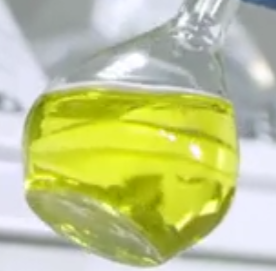
Kiwi seeds are either ground or cold-pressed to extract oil that is rich in essential fatty acids. Kiwi seed oil has a lightweight texture and a pale yellow color. It is highly absorbable and leaves no greasy residue, making it ideal for use in facial serums, oils, moisturizers, and lotions.
Production Process
Kiwi seed oil is produced through a cold-press or solvent extraction process from the mature seeds of the Actinidia chinensis fruit. This method preserves the essential nutrients and antioxidants found in the seeds, ensuring a high-quality product for use in cosmetic formulations.
Applications
Facial Oils and Serums: Due to its lightweight texture and ability to penetrate the skin quickly, kiwi seed oil is used in facial serums that aim to deeply hydrate and regenerate the skin.
Anti-aging Treatments: The high content of vitamin E and essential fatty acids makes kiwi seeds ideal for anti-aging products that improve skin elasticity and reduce the appearance of wrinkles and fine lines.
Hair Care: Kiwi seed oil is also used in hair care products to nourish and hydrate the scalp, improving shine and hair strength.
INCI Functions:
Abrasive agent. It contains abrasive particles to remove stains or biofilm that accumulate on the stratum corneum or teeth. Baking soda, kieselguhr, silica and many others have abrasive properties. Peeling or exfoliating products used in dermatology or cosmetic applications contain abrasive agents in the form of synthetic microspheres, however, these microspheres, or abrasive particles may not be biodegradable and create pollution in aquatic ecosystems.
Skin conditioning agent - Emollient. Emollients have the characteristic of enhancing the skin barrier through a source of exogenous lipids that adhere to the skin, improving barrier properties by filling gaps in intercorneocyte clusters to improve hydration while protecting against inflammation. In practice, they have the ability to create a barrier that prevents transepidermal water loss. Emollients are described as degreasing or refreshing additives that improve the lipid content of the upper layers of the skin by preventing degreasing and drying of the skin. The problem with emollients is that many have a strong lipophilic character and are identified as occlusive ingredients; they are oily and fatty materials that remain on the skin surface and reduce transepidermal water loss. In cosmetics, emollients and moisturisers are often considered synonymous with humectants and occlusives.
Skin conditioning agent. It is the mainstay of topical skin treatment as it has the function of restoring, increasing or improving skin tolerance to external factors, including melanocyte tolerance. The most important function of the conditioning agent is to prevent skin dehydration, but the subject is rather complex and involves emollients and humectants that can be added in the formulation.
CAS: 92456-63-8 296-241-6
Health and Safety Considerations
Safety in Use
Kiwi seeds and the oil extracted from them are considered safe for use in cosmetics. No common allergic reactions have been reported, but as with any new ingredient, a patch test is recommended before use, especially for individuals with kiwi fruit allergies.
Allergic Reactions
Allergic reactions to kiwi seeds are rare but may occur in individuals sensitive or allergic to kiwi. In such cases, a patch test is advised before use.
Toxicity and Carcinogenicity
Kiwi seeds or their oil are considered safe for topical use and offer numerous benefits for skin health.
Environmental Considerations
Kiwi seeds are a renewable and sustainable resource. The process of extracting oil from the seeds has a minimal environmental impact and helps reduce waste from kiwi fruit processing.
Regulatory Status
Kiwi seeds and their oil are approved for use in cosmetics by major regulatory authorities, including the European Union and the FDA in the United States.
Studies
Kiwis contain on average:
- Vitamin C Ascorbic acid in the following measures (Cultivar Actinidia chinenssis Plach, Gaivard): mg/g 5,44 in the juice, 1,14 in the skin, 4,20 in the pulp (1).
- Vitamin E
- Potassium
It has good antioxidant and anti-inflammatory properties due to the presence of ascorbic acid.
Flavonoids, vitamin C and carotenoids have a preventive effect against cardiovascular diseases (2).
Kiwi has proven effective in relieving chronic constipation (3) with these benefits:
- decreased in days of laxative used
- satisfaction of bowel habit
- improvement in transit time
- improvement in rectal sensation

