Capparis Spinosa Fruit Extract is derived from the fruit of the Capparis spinosa plant, commonly known as the caper bush. This plant belongs to the Capparidaceae family. Capparis Spinosa Fruit Extract is highly valued in the cosmetic and personal care industry for its antioxidant, anti-inflammatory, and skin-conditioning properties. The extract is used to enhance the effectiveness and appeal of various skincare formulations.
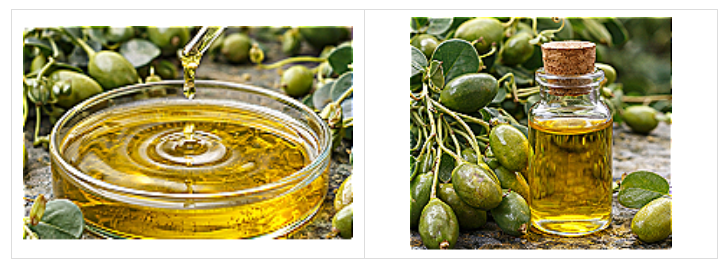
Chemical Composition and Structure
Capparis Spinosa Fruit Extract contains a variety of bioactive compounds that contribute to its beneficial effects on the skin. The specific composition includes:
- Flavonoids: Such as quercetin and kaempferol, known for their strong antioxidant properties.
- Phenolic Acids: Including caffeic acid and ferulic acid, which provide anti-inflammatory and antioxidant benefits.
- Glucosinolates: Such as glucocapparin, which possess antimicrobial and antioxidant properties.
- Vitamins: Particularly vitamins A, C, and E, known for their skin-nourishing and antioxidant properties.
- Minerals: Including calcium, potassium, and magnesium, which contribute to overall skin health.
Physical Properties
Capparis Spinosa Fruit Extract typically appears as a light to dark brown liquid or fine powder, depending on the extraction process. It is easily soluble in water and other solvents, making it suitable for use in various cosmetic formulations.
Cosmetics - INCI Functions
Antioxidant Protection: The extract's flavonoids and phenolic acids help protect the skin from environmental stressors and free radical damage.
Anti-Inflammatory: The extract's phenolic acids and glucosinolates provide anti-inflammatory benefits, helping to reduce redness and irritation.
Skin conditioning agent. It is the mainstay of topical skin treatment as it has the function of restoring, increasing or improving skin tolerance to external factors, including melanocyte tolerance. The most important function of the conditioning agent is to prevent skin dehydration, but the subject is rather complex and involves emollients and humectants that can be added in the formulation.
Moisturizing: The extract helps maintain skin hydration and improve the skin barrier function, making it beneficial for dry and sensitive skin.
Anti-Aging: The antioxidant properties of the extract help reduce the appearance of fine lines and wrinkles, promoting a more youthful complexion.
Brightening: The vitamins and antioxidants in the extract help to brighten the skin and reduce the appearance of dark spots and hyperpigmentation.
CAS: 89958-23-6 EC number 289-646-4
Environmental and Safety Considerations
Capparis Spinosa Fruit Extract is generally considered safe for use in cosmetic and personal care products. It is well-tolerated by most skin types, including sensitive skin. The production process is environmentally friendly, utilizing sustainable agricultural practices. However, as with all botanical extracts, it should be patch-tested before use, especially for those with sensitive skin.
Studies
This study analysed antioxidant potential of methanol extracts and the total phenol and flavonoid content of 15 common spices. The caper showed clear effective antioxidant activity for urinary tract infections (1).
The leaves and stems of another species of caper, Capparis erythrocarpos, also belonging to the Capparidaceae family, has anti-arthritic and analgesic effects (2).
In the caper there are flavonoids (kaempferol and quercetin) which exert an antioxidant action.
Caper studies
References____________________________________________________
(1) Mickymaray S, Al Aboody MS. In Vitro Antioxidant and Bactericidal Efficacy of 15 Common Spices: Novel Therapeutics for Urinary Tract Infections? Medicina (Kaunas). 2019 Jun 19;55(6). pii: E289. doi: 10.3390/medicina55060289.
Abstract. Background and Objectives: Bacterial urinary tract infection (UTI) is the most common ailment affecting all age groups in males and females. The commercial antibiotics usage augments antibiotics resistance and creates higher recurrence rates of such communal infections. Hence, this study is aimed at investigating the antibacterial and antioxidant potentials of 15 common spices against 11 UTI-causing bacterial pathogens. Materials and Methods: The antioxidant potential of the methanolic extracts was analyzed as contents of total phenols and flavonoids; radical scavenging, total reducing power, the ferric reducing power assay. Urinary pathogens were subjected to spice extracts to investigate antibacterial assays. Results: Preliminary phytochemical study of spices was performed to find those containing alkaloids, flavonoids, phenolic compounds, and steroids that can be recognized for their noteworthy bactericidal effects. The outcome of the antioxidative potential from the four methods demonstrated the sequence of potent antioxidant activity: Acorus calamus > Alpinia galanga > Armoracia rusticana > Capparis spinosa > Aframomum melegueta. The total polyphenols and flavonoids in the studied species positively correlated with their antioxidant properties. The four most effective spices (A. calamus, A. galanga, A. rusticana, and C. spinosa) had a zone of inhibition of at least 22 mm. A. calamus, A. melegueta, and C. spinosa had the lowest minimum inhibitory concentration (MIC) value against Enterobacter aerogenes, Staphylococcus aureus and Proteus mirabilis. All 15 spices had the lowest minimum bactericidal concentration (MBC) value against most of the pathogenic bacteria. Conclusion: The four highly potent and unique spices noted for the in vitro control of UTI-causing pathogens could be pursued further in the development of complementary and alternative medicine against UTI-causing pathogens.
(2) Twumasi MA, Tandoh A, Mante PK, Ekuadzi E, Boakye-Gyasi ME, Benneh CK, Kumadoh D, Woode E. Leaves and stems of Capparis erythrocarpos, more sustainable than roots, show antiarthritic effects. J Ethnopharmacol. 2019 Jun 28;238:111890. doi: 10.1016/j.jep.2019.111890
Merlino M, Condurso C, Cincotta F, Nalbone L, Ziino G, Verzera A. Essential Oil Emulsion from Caper (Capparis spinosa L.) Leaves: Exploration of Its Antibacterial and Antioxidant Properties for Possible Application as a Natural Food Preservative. Antioxidants (Basel). 2024 Jun 13;13(6):718. doi: 10.3390/antiox13060718.
Abstract. This study explored, for the first time, the chemical composition and in vitro antioxidant and antibacterial activities of a caper leaf essential oil (EO) emulsion for possible food applications as a natural preservative. The EO was extracted by hydrodistillation from the leaves of Capparis spinosa growing wild in the Aeolian Archipelago (Sicily, Italy) and exhibited a pungent, sulphurous odour. The volatile fraction of the emulsion, analysed by SPME-GC-MS, consisted of over 100 compounds and was dominated by compounds with recognised antibacterial and antioxidant properties, namely dimethyl tetrasulfide (18.41%), dimethyl trisulfide (12.58%), methyl isothiocyanate (7.97%), and terpinen-4-ol (6.76%). The emulsion was effective against all bacterial strains tested (Listeria monocytogenes, Staphylococcus aureus, Escherichia coli, Salmonella enterica subsp. enterica serovar Enteritidis, Pseudomonas fluorescens), with L. monocytogenes exhibiting the lowest minimum inhibitory concentration (MIC = 0.02 mg/mL) while E. coli had the highest (MIC = 0.06 mg/mL). The emulsion had a good DPPH (2,2-diphenyl-1-picrylhydrazine) radical scavenging activity that was dose-dependent and equal to 42.98% at the 0.08 mg/mL level with an IC50 value of 0.099 mg/mL. Based on the results, the caper leaf EO emulsion has the potential to be proposed as a natural alternative to chemical preservatives in the food industry.




