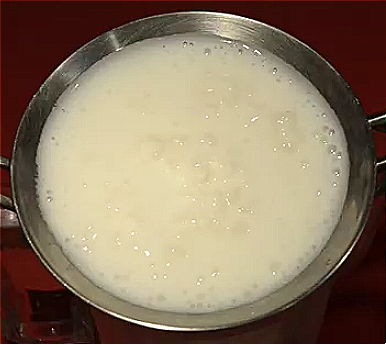
Lactobacillus acidophilus is a type of probiotic bacteria that is commonly used to improve gut health. It naturally occurs in the gastrointestinal tract and vagina, where it helps maintain a healthy balance of microbial flora.
The name describes the structure of the molecule:
Lactobacillus is a genus of bacteria that are part of the lactobacilli family. They are known for their ability to convert sugars into lactic acid, a process that makes them crucial in milk fermentation and other food fermentations.
acidophilus is derived from Latin and means "acid-loving". This term refers to these bacteria's preference for acidic environments where they can grow and thrive effectively.
Industrial Production Process
Strain preparation. It begins with the selection of a pure strain of Lactobacillus acidophilus, which is cultured in a sterile medium tailored to its nutritional needs.
Fermentation. The strain is inoculated into a bioreactor containing a nutrient-rich medium, such as lactose and other sugars, under controlled conditions of temperature, pH, and oxygenation.
Growth monitoring. During fermentation, the bacterial growth is continuously monitored to ensure optimal conditions and prevent contamination.
Bacteria harvesting. After growth has reached an optimal peak, the bacteria are collected via centrifugation or filtration.
Lyophilization. The collected bacteria are often lyophilized to remove water, increasing the stability and shelf life of the product.
Formulation. The lyophilized product can then be formulated into various forms, such as capsules, powders, or liquids, depending on the intended use.
Quality control. Each batch of produced Lactobacillus acidophilus undergoes quality testing to verify vitality, purity, and the absence of pathogens.
What it is used for and where
Lactobacillus acidophilus is a type of probiotic bacteria (1) that is part of the human intestinal flora and is commonly used in dietary supplements and some food products. It is known for its benefits to digestive health and the immune system. Here are some of the main uses and benefits of Lactobacillus acidophilus.
This probiotic is widely used in dietary supplements and in some fermented foods like yogurt and kefir. Lactobacillus acidophilus is effective in treating and preventing yeast infections, antibiotic-associated diarrhea, and can contribute to the overall health of the immune system. It is also explored for its potential role in reducing cholesterol and improving symptoms of eczema.
Digestive Health. It helps maintain a healthy balance of intestinal flora, promoting digestion and helping to prevent disorders such as diarrhea and irritable bowel syndrome (2).
Nutrient Absorption. It enhances the absorption of nutrients such as vitamins and minerals, contributing to optimal nutrition.
Infection Prevention. It competes with pathogens for space and resources in the intestinal tract, reducing the risk of infections such as those from yeast and harmful bacteria.
Immune Health. It stimulates the immune system, increasing the production of antibodies and promoting a healthy immune response (3).
Lactose Tolerance. It helps break down lactose, improving the digestion of milk and dairy products in people who are lactose intolerant (4).
Available Forms. Available in capsules, powders, yogurts, and other fermented products, offering a variety of ways to incorporate this probiotic into the diet.
(1) Chamberlain CA, Hatch M, Garrett TJ. Metabolomic profiling of oxalate-degrading probiotic Lactobacillus acidophilus and Lactobacillus gasseri. PLoS One. 2019 Sep 23;14(9):e0222393. doi: 10.1371/journal.pone.0222393.
Abstract. Oxalate, a ubiquitous compound in many plant-based foods, is absorbed through the intestine and precipitates with calcium in the kidneys to form stones. Over 80% of diagnosed kidney stones are found to be calcium oxalate. People who form these stones often experience a high rate of recurrence and treatment options remain limited despite decades of dedicated research. Recently, the intestinal microbiome has become a new focus for novel therapies. Studies have shown that select species of Lactobacillus, the most commonly included genus in modern probiotic supplements, can degrade oxalate in vitro and even decrease urinary oxalate in animal models of Primary Hyperoxaluria. Although the purported health benefits of Lactobacillus probiotics vary significantly between species, there is supporting evidence for their potential use as probiotics for oxalate diseases. Defining the unique metabolic properties of Lactobacillus is essential to define how these bacteria interact with the host intestine and influence overall health. We addressed this need by characterizing and comparing the metabolome and lipidome of the oxalate-degrading Lactobacillus acidophilus and Lactobacillus gasseri using ultra-high-performance liquid chromatography-high resolution mass spectrometry. We report many species-specific differences in the metabolic profiles of these Lactobacillus species and discuss potential probiotic relevance and function resulting from their differential expression. Also described is our validation of the oxalate-degrading ability of Lactobacillus acidophilus and Lactobacillus gasseri, even in the presence of other preferred carbon sources, measuring in vitro 14C-oxalate consumption via liquid scintillation counting.
(2) Kim HS, Gilliland SE. Lactobacillus acidophilus as a dietary adjunct for milk to aid lactose digestion in humans. J Dairy Sci. 1983 May;66(5):959-66. doi: 10.3168/jds.S0022-0302(83)81887-6.
Abstract. The effect of Lactobacillus acidophilus on lactose utilization of humans was determined by our comparing the amount of hydrogen excreted in their breath after consuming milk containing either 0, 2.5 X 10(6), 2.5 X 10(7), or 2.5 X 10(8) Lactobacillus acidophilus/ml daily for 6 days. Consumption of milk without cells of Lactobacillus acidophilus for 1 wk did not affect lactose utilization. Milk containing either 2.5 X 10(6) or 2.5 X 10(8) Lactobacillus acidophilus/ml improved lactose utilization. However, consumption of milk containing an intermediate 2.5 X 10(7)/ml did not improve utilization based on comparison of group means before and after consuming the test milk. The lack of a significant effect for the latter group of test subjects was probably due to large increases of excreted hydrogen on day 7 as compared to day 0 by two of the six test subjects. The beneficial effect of Lactobacillus acidophilus was immediate and did not require that milk be consumed daily. Improved digestion of lactose was not due to hydrolysis of the lactose prior to consumption, which indicated that the beneficial effect must have occurred in the digestive tract after consumption of milk containing L. acidophilus.
(3) Zhuo Q, Yu B, Zhou J, Zhang J, Zhang R, Xie J, Wang Q, Zhao S. Lysates of Lactobacillus acidophilus combined with CTLA-4-blocking antibodies enhance antitumor immunity in a mouse colon cancer model. Sci Rep. 2019 Dec 27;9(1):20128. doi: 10.1038/s41598-019-56661-y.
Abstract. Previous reports have suggested that many gut microbiomes were associated with the development of colorectal cancer (CRC), and could modulate response to numerous forms of cancer therapy, including checkpoint blockade immunotherapy. Here we evaluated the protective efficacy of Lactobacillus acidophilus (L. acidophilus) cell lysates combined with an anti-CTL antigen-4 blocking antibody (CTLA-4 mAb) in syngeneic BALB/c mice CRC models induce by a single intraperitoneal injection of 10 mg/kg azoxymethane (AOM), followed by three cycles of 2% dextran sulfate sodium (DSS) in drinking water. In contrast to CTLA-4 mAb monotherapy, L. acidophilus lysates could attenuate the loss of body weight and the combined administration significantly protected mice against CRC development, which suggested that the lysates enhanced antitumor activity of CTLA-4 mAb in model mice. The enhanced efficacy was associated with the increased CD8 + T cell, increased effector memory T cells (CD44 + CD8 + CD62L+), decreased Treg (CD4 + CD25 + Foxp3+) and M2 macrophages (F4/80 + CD206+) in the tumor microenvironment. In addition, our results revealed that L. acidophilus lysates had an immunomodulatory effect through inhibition the M2 polarization and the IL-10 expressed levels of LPS-activated Raw264.7 macrophages. Finally, the 16S rRNA gene sequencing of fecal microbiota demonstrated that the combined administration significantly inhibited the abnormal increase in the relative abundance of proteobacteria and partly counterbalance CRC-induced dysbiosis in model mice. Overall, these data support promising clinical possibilities of L. acidophilus lysates with CTLA-4 mAb in cancer patients and the hypothesis that probiotics help shape the anticancer immune response.
(4) Saltzman JR, Russell RM, Golner B, Barakat S, Dallal GE, Goldin BR. A randomized trial of Lactobacillus acidophilus BG2FO4 to treat lactose intolerance. Am J Clin Nutr. 1999 Jan;69(1):140-6. doi: 10.1093/ajcn/69.1.140.
Abstract. Background: Lactose intolerance is the most common disorder of intestinal carbohydrate digestion. Lactobacillus acidophilus BG2FO4 is a strain of lactobacilli with properties of marked intestinal adherence and high beta-galactosidase activity. Objective: This study was designed to determine whether oral feeding of Lactobacillus acidophilus BG2FO4 leads to a lactose-tolerant state....Conclusions: Lactose intolerance is overreported in subjects with gastrointestinal symptoms after lactose ingestion. Treatment of lactose-maldigesting subjects with and without hypochlorhydria with Lactobacillus acidophilus BG2FO4 for 7 d failed to change breath-hydrogen excretion significantly after lactose ingestion.