Lactase o lattasi si riferisce all'enzima specifico che idrolizza il lattosio, uno zucchero presente nel latte, in glucosio e galattosio. E' un enzima prodotto nell'intestino tenue di molti mammiferi, inclusi gli esseri umani. Tuttavia, la produzione può diminuire con l'età.
La sua funzione principale è di scindere il lattosio, facilitando così la sua digestione. Viene spesso utilizzato come integratore per le persone intolleranti al lattosio per aiutarle a digerire prodotti a base di latte (1).
Descrizione delle materie prime utilizzate nella produzione.
- La lattasi è prodotta principalmente da microrganismi, come certi funghi e batteri, che producono naturalmente questo enzima. I ceppi comuni utilizzati includono Aspergillus niger e Kluyveromyces lactis.
Riassunto del processo di sintesi chimica industriale.
- Colture di microrganismi produttori di lattasi vengono immesse in bioreattori sotto condizioni ottimali.
- Una volta raggiunta una densità cellulare adeguata, la produzione di enzima viene avviata.
- L'enzima viene poi estratto dalle cellule o dal mezzo di coltura.
- La lattasi viene purificata attraverso varie tecniche come cromatografia o filtrazione.
- L'enzima purificato viene poi formulato in soluzioni liquide, compresse o in polvere per la vendita.
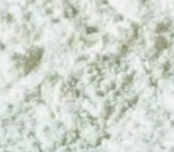
La lattasi pura è una polvere bianca o quasi bianca. Tuttavia, nelle formulazioni commerciali, può apparire in diverse forme, comprese soluzioni liquide, compresse o in polvere.
Applicazioni Commerciali
Prodotti Alimentari. Lattasi viene aggiunta a molti prodotti lattiero-caseari per produrre versioni "senza lattosio" adatte per persone con intolleranza al lattosio (2).
Integratori Alimentari. Gli integratori di lattasi sono disponibili per persone con intolleranza al lattosio. Questi integratori aiutano a scomporre il lattosio, prevenendo sintomi come gonfiore, gas e diarrea.
Applicazioni Mediche
Gastroenterologia. La lattasi può essere somministrata a pazienti in ospedale con intolleranza al lattosio per aiutarli a digerire meglio il lattosio presente in alcuni cibi e medicinali (3).
Altre Applicazioni
Ricerca Biomedica. La lattasi è utilizzata nella ricerca per studiare l'intolleranza al lattosio e per sviluppare nuovi trattamenti e strategie dietetiche per le persone con questa condizione.
Bibliografia_____________________________________________________________________
(1) Stourman N, Moore J. Analysis of lactase in lactose intolerance supplements. Biochem Mol Biol Educ. 2018 Nov;46(6):652-662. doi: 10.1002/bmb.21185.
Abstyract. Lactase is the enzyme responsible for the digestion of the disaccharide lactose, and deficiency in this enzyme causes the prevalent medical condition lactose intolerance. Management of lactose intolerance can be achieved through the administration of lactase supplements. Lactase is an appropriate platform for advanced enzymatic study because its medical application is a motivator for student learning. The following is an upper-level biochemistry laboratory sequence that integrates student inquiry and exposure to advanced laboratory techniques. Students investigate three different lactase supplements through experimentation that includes the Bradford assay, SDS-PAGE, continuous and discontinuous kinetic assays, and zymography. Upon completion of this project, students compile their results and conclusions in a scientifically formatted paper comparing supplement protein content and activity. This safe and inexpensive laboratory project enriches student understanding of key biochemical concepts while mirroring work performed in a realistic research setting. © 2018 International Union of Biochemistry and Molecular Biology, 46(6):652-662, 2018.
(2) Leis R, de Castro MJ, de Lamas C, Picáns R, Couce ML. Effects of Prebiotic and Probiotic Supplementation on Lactase Deficiency and Lactose Intolerance: A Systematic Review of Controlled Trials. Nutrients. 2020 May 20;12(5):1487. doi: 10.3390/nu12051487.
Abstract. Lactose intolerance (LI) is characterized by the presence of primarily gastrointestinal clinical signs resulting from colonic fermentation of lactose, the absorption of which is impaired due to a deficiency in the lactase enzyme. These clinical signs can be modified by several factors, including lactose dose, residual lactase expression, concurrent ingestion of other dietary components, gut-transit time, and enteric microbiome composition. In many of individuals with lactose malabsorption, clinical signs may be absent after consumption of normal amounts of milk or, in particular, dairy products (yogurt and cheese), which contain lactose partially digested by live bacteria. The intestinal microbiota can be modulated by biotic supplementation, which may alleviate the signs and symptoms of LI. This systematic review summarizes the available evidence on the influence of prebiotics and probiotics on lactase deficiency and LI. The literature search was conducted using the MEDLINE (via PUBMED) and SCOPUS databases following Preferred Reporting Items for Systematic Reviews and Meta-Analyses (PRISMA) guidelines, and included randomized controlled trials. For each study selected, the risk of bias was assessed following the Cochrane Collaboration methodology. Our findings showed varying degrees of efficacy but an overall positive relationship between probiotics and LI in relation to specific strains and concentrations. Limitations regarding the wide heterogeneity between the studies included in this review should be taken into account. Only one study examined the benefits of prebiotic supplementation and LI. So further clinical trials are needed in order to gather more evidence.
(3) Deng Y, Misselwitz B, Dai N, Fox M. Lactose Intolerance in Adults: Biological Mechanism and Dietary Management. Nutrients. 2015 Sep 18;7(9):8020-35. doi: 10.3390/nu7095380.
Abstract. Lactose intolerance related to primary or secondary lactase deficiency is characterized by abdominal pain and distension, borborygmi, flatus, and diarrhea induced by lactose in dairy products. The biological mechanism and lactose malabsorption is established and several investigations are available, including genetic, endoscopic and physiological tests. Lactose intolerance depends not only on the expression of lactase but also on the dose of lactose, intestinal flora, gastrointestinal motility, small intestinal bacterial overgrowth and sensitivity of the gastrointestinal tract to the generation of gas and other fermentation products of lactose digestion. Treatment of lactose intolerance can include lactose-reduced diet and enzyme replacement. This is effective if symptoms are only related to dairy products; however, lactose intolerance can be part of a wider intolerance to variably absorbed, fermentable oligo-, di-, monosaccharides and polyols (FODMAPs). This is present in at least half of patients with irritable bowel syndrome (IBS) and this group requires not only restriction of lactose intake but also a low FODMAP diet to improve gastrointestinal complaints. The long-term effects of a dairy-free, low FODMAPs diet on nutritional health and the fecal microbiome are not well defined. This review summarizes recent advances in our understanding of the genetic basis, biological mechanism, diagnosis and dietary management of lactose intolerance.




