



Nylon-611 is a specific variant of nylon, a polyamide macromolecule formed by the reaction undecanoic acid with hexylenediamine.
The name describes the structure of the molecule
- "Nylon" refers to a family of synthetic polymers, known as polyamides, used in a wide range of applications, from fabric manufacturing to industrial products.
- "611". This number indicates the specific formula of the nylon in question. Specifically, the "6" indicates that there are 6 carbon atoms in the acid unit, and the 11 indicates that there are 11 carbon atoms in the diamine unit.
Description of raw materials used in production
- Undecanoic acid. A long-chain carboxylic acid.
- Hexylenediamine. An aliphatic diamine.
Step-by-step summary of industrial chemical synthesis process
- Preparation of raw materials. Both undecanoic acid and hexylenediamineneed to be purified and readied for reaction.
- Condensation. Undecanoic acid reacts with hexylenediaminein a condensation reaction, forming the amide and releasing water.
- Polymerization. The reaction continues with the repeated formation of amide bonds between the molecules, creating long chains of Nylon-611 polymer.
- Extrusion. The molten polymer solution is extruded through dies to form fibers or sheets.
- Drawing and orientation. The fibers can be further stretched or drawn to orient the polymer chains and improve mechanical properties.
- Cooling and cutting. After orientation, the fibers are cooled and wound or, if in sheet form, cut into the desired shape.
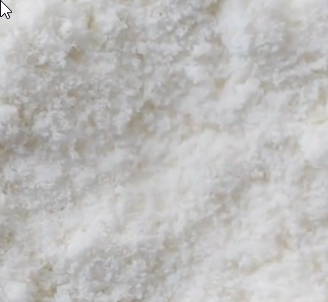
It appears in the form of granules or white powder.
What it is for and where
Cosmetics
Absorbent. Absorbs substances dispersed or dissolved in aqueous solutions, water/oil, oil/water.
Commercial Applications
Engineering material. Used in industrial components due to its strength and durability.
Textile fibers. Can be employed in fabric production due to its wear-resistance properties.
Packaging. Might be used in flexible packaging materials for its chemical resistance.

