



E120, Carmine color is an additive used as a red dye in the food industry, in cosmetics and medicine.
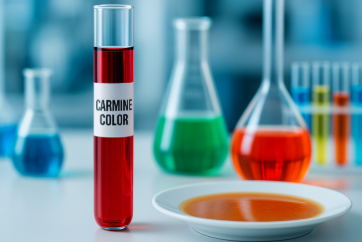
Carmine color (also known simply as carmine or cochineal color) is a natural red pigment obtained from the dried bodies of female Dactylopius coccus, an insect native to Central and South America. The pigment is extracted by isolating carminic acid, the key chromophore responsible for its intense red hue. Carmine appears as a bright red to deep crimson powder, highly valued for its excellent stability to heat, light, and pH changes compared with most other natural colorants.
Chemical composition and structure
Carmine is primarily composed of carminic acid, a hydroxyanthraquinone derivative.
Major component: carminic acid (typically 40–60%).
Chemical structure: an anthraquinone backbone with sugar moieties, responsible for strong color and stability.
Other constituents: proteins, waxes, and minerals from the insect matrix, usually removed or minimized during purification.
Color form: the pigment exists mainly as a calcium or aluminum chelate of carminic acid, creating the stable “carmine lake.”
Physical and chemical properties
Appearance: red or dark red powder; solutions show bright crimson tones.
Solubility: carminic acid is soluble in water and ethanol; carmine (lake pigment) is dispersible but not fully soluble.
Stability: high resistance to heat, light, and oxidation.
pH behavior: excellent stability between pH 4–7; color shifts slightly at more acidic pH values.
Compatibility: stable in many food matrices, cosmetics, and pharmaceuticals.
Production process
The industrial production of carmine color typically involves:
Collection and drying
Female cochineal insects are harvested from cactus plantations and dried to concentrate carminic acid.
Extraction
The dried insects are boiled or treated with aqueous or alcoholic solutions to extract carminic acid.
Purification
Filtration and precipitation steps remove proteins, fats, and insoluble material.
Formation of the lake pigment (carmine)
Carminic acid is reacted with aluminum or calcium ions to form a stable, insoluble pigment.
Drying and milling
The pigment is dried and ground into fine powder with controlled particle size.
Applications
Food industry
Widely used as a natural red colorant in beverages, confectionery, dairy products, meat products, bakery goods, and fruit preparations.
Chosen for its excellent stability and natural origin.
Cosmetics and personal care
Used in lipsticks, blushes, eyeshadows, and makeup formulations due to its strong red hue and dermatological safety.
Pharmaceuticals
Employed as a coloring agent in tablets, syrups, capsules, and topical formulations.
Art and industry
Historically used in textiles and paintings; still applied in specialized artistic and craft materials.
Environmental and safety considerations
Carmine is generally regarded as safe when used according to regulatory limits.
Toxicological profile: low toxicity; long history of use.
Allergenicity: rare but documented allergic reactions (including anaphylaxis) may occur in sensitive individuals due to insect-derived proteins; highly purified grades minimize this risk.
Environmental aspects:
Biodegradable and derived from renewable biological sources.
Production depends on sustainable cochineal farming practices.
Regulatory status: approved as a food colorant in many regions (e.g., E120 in the EU).
Conclusion
Carmine color is a highly stable, naturally derived red pigment with excellent coloring performance across food, cosmetic, pharmaceutical, and industrial applications. Rich in carminic acid, it offers superior stability compared with most natural dyes and remains a preferred option where strong, vivid, and durable red coloration is required. Its natural origin, long-standing safety profile, and wide functionality ensure its continued relevance in modern formulations.
Studies
It can be produced naturally by the female Coccus cacti L. (Dactylopius coccus) (1) taken from its body or by eggs, or by way of chemical synthesis and it is the most commonly observed case in food products.
In particular allergies were found (2) and the Council of Europe recommended a containment of the protein level in E120 (3) with purification systems (4).
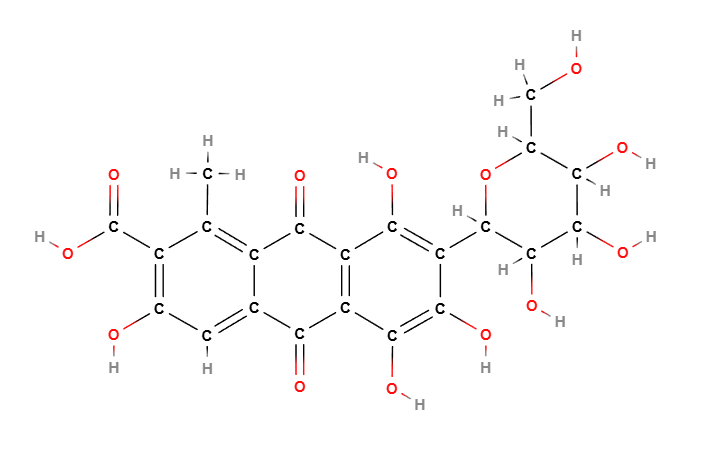 | 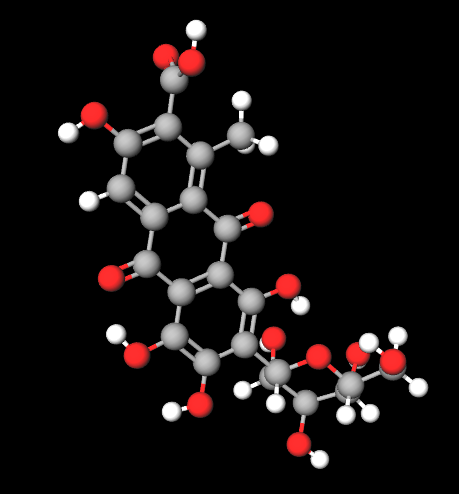 |
Molecular Formula C22H20O13
Molecular Weight 492.389 g/mol
CAS: 1343-78-8
EC Number: 215-724-4
FEMA Number: 2242
UNII CID8Z8N95N
DTXSID20859613
Synonyms:
E120
Cochineal Carmine
Natural Red 4
CI 75470

