



CI 77713 (Carbonato di magnesio) è un composto chimico, un colorante sintetico, sale di magnesio dell'acido carbonico ed è formato da materiale a base di idrotalcite.
Il nome descrive la struttura della molecola:
- Carbonato indica che il composto è un sale o estere dell'acido carbonico. I carbonati di magnesio possono presentarsi in diverse forme, come il carbonato di magnesio basico o il carbonato di magnesio idrato.
- magnesio si riferisce al magnesio, un elemento chimico. Il magnesio è noto per le sue proprietà benefiche per la salute e per la sua reattività chimica.
Materie prime utilizzate nella produzione:
Magnesio. Un elemento metallico che reagisce con l'anidride carbonica per formare i carbonati di magnesio.
Idrotalcite. Un materiale minerale che funge da fonte per la produzione di carbonati di magnesio. L'idrotalcite è composta da strati di idrossido di magnesio e alluminio intercalati con anioni carbonato.
Anidride Carbonica. Un gas che reagisce con il magnesio per formare i carbonati di magnesio.
Sintesi chimica industriale
- Preparazione dei reagenti. Le principali materie prime includono carbonato di sodio (Na₂CO₃) e solfato di magnesio (MgSO₄).
- Reazione di precipitazione. La produzione di CI 77713 inizia con la reazione tra carbonato di sodio e solfato di magnesio in una soluzione acquosa. Questa reazione forma un precipitato di carbonato di magnesio (MgCO₃).
- Filtrazione. La sospensione risultante viene filtrata per separare il carbonato di magnesio solido dalla soluzione acquosa.
- Lavaggio. Il carbonato di magnesio viene lavato con acqua deionizzata per rimuovere eventuali impurità solubili come il solfato di sodio.
- Essiccazione. Il carbonato di magnesio lavato viene essiccato a temperatura controllata per rimuovere l'umidità residua e ottenere una polvere secca.
- Macinazione. Il carbonato di magnesio essiccato viene macinato per ottenere una polvere di particelle fini e uniformi. Questo passaggio può includere l'uso di mulini a sfere o altri macchinari di macinazione.
- Classificazione. La polvere essiccata viene classificata per garantire una dimensione delle particelle uniforme. Questo passaggio può includere la setacciatura o l'uso di classificatori d'aria.
- Stabilizzazione. La polvere di CI 77713 viene stabilizzata per garantirne la stabilità durante il trasporto e lo stoccaggio, prevenendo l'aggregazione e la degradazione.
- Controllo di qualità. Il CI 77713 viene sottoposto a rigorosi test di qualità per assicurare che soddisfi gli standard di purezza, intensità del colore e sicurezza. Questi test includono l'analisi chimica, la spettroscopia e i test fisici per determinare la dimensione delle particelle e le proprietà reologiche.
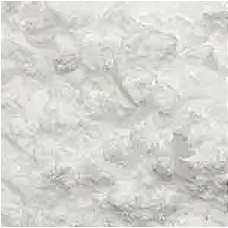
Industrialmente si presenta in forma di polvere bianca.
A cosa serve e dove si usa
Alimentazione
E' un antiagglomerante inserito nella lista degli additivi alimentari europei con il numero E504 ed utilizzato in formaggi, vini ecc. e nel Colour Index International come CI 77713, colorante.
Cosmetica
E' un ingrediente soggetto a restrizioni IV/139 come Voce pertinente negli allegati del regolamento europeo sui cosmetici n. 1223/2009
- Assorbente. Assorbe sostanze disperse o disciolte in soluzioni acquose, acqua/olio, olio/acqua.
- Binder. Composto legante che è utilizzato in prodotti cosmetici, alimentari e farmaceutici come antiagglomerante con la funzione di rendere setoso, compatto e omogeneo il prodotto in cui è inserito. Il legante, naturale come mucillagini, gomme e amidi oppure chimico, può avere forma di polvere o di liquido.
- Agente opacizzante. Questo additivo si inserisce in formulazioni che possono rivelarsi traslucide o trasparenti per renderle opache e meno permeabili alla luce.
- Colorante. Ingrediente che ha la funzione primaria di colorare la soluzione in cui è inserito in modo temporaneo, semi-permanente o permanente, sia da solo che in presenza dei componenti complementari aggiunti per la colorazione.
Medicina
Il Carbonato di magnesio viene usato contro bruciori di stomaco o indigestioni. A differenza di altri sali di magnesio (aspartato, citrato, gluconato, lattato, orotato, piruvato) che si assorbono con facilità nell'organismo, il Carbonato di magnesio è più lento. Viene utilizzato come efficace trattamento nei pazienti in emodialisi con problemi calcio-fosforici (1) con qualche avvertenza (3) Nonostante siano stati riscontrati effetti positivi a lungo termine sulla calcificazione dell'arteria coronarica (2), si ritiene che questi studi debbano ancora essere approfonditi per un riscontro certo dell'efficacità del prodotto. Nel corpo umano aiuta lo sviluppo della muscolatura e delle ossa.
In dosi non appropriate può causare diarrea e mal di pancia.
I sali di Magnesio vengono usati in trattamenti per la conservazione dell'integrità del sistema sanguigno, del pH delle urine ecc.
- aspartato
- citrato
- gluconato
- lattato
- orotato
- piruvato
Su questo ingrediente sono stati selezionati gli studi più rilevanti con una sintesi dei contenuti:
 |  |
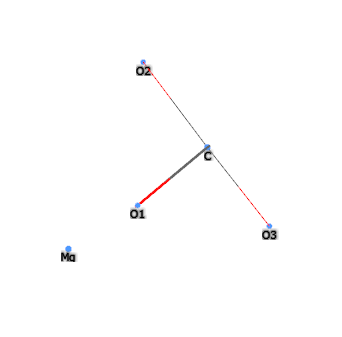 | 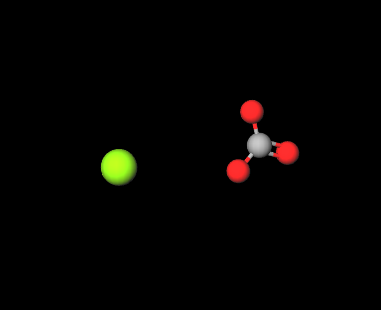 |
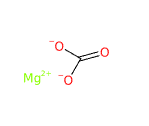
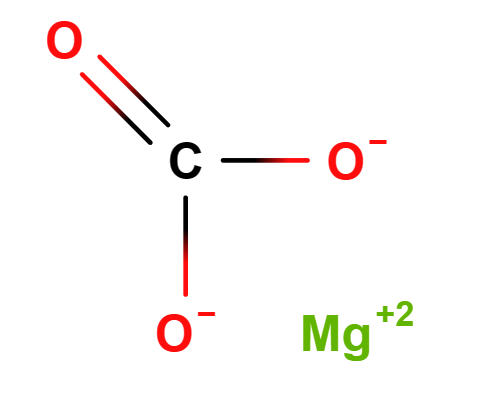
- Formula molecolare: CMgO3 MgCO3
- Linear Formula: MgCO3 · x H2O
- Peso molecolare: 84.313 g/mol
- CAS: 546-93-0 7757-69-9 13717-00-5 13717-00-5 23389-33-5
- EC Number: 208-915-9 231-817-2 604-004-9
- UNIII: 0IHC698356
Sinonimi:
- Magnesium carbonate
- Magnesium carbonate anhydrous
- CI 77713
- E504
- UNII 0IHC698356
- Caswell No. 530
- Magnesite dust
- Hydromagnesite
- Stan-mag magnesium carbonate
- nesquehonite

