



Polysilicone-9 is a silicone chemical compound, a product that includes silicones and siloxanes, 3-aminopropyl methyl, dimethyl, produced by a reaction process of a homopolymer of 2-ethyl-4,5-dihydrooxazole, ethyl sulphates.
Polysilicone-9 is a modified silicone primarily used in the cosmetics industry as a film-forming and conditioning agent. Due to its ability to create a protective film on the skin and hair, it is commonly found in skincare products, sunscreens, and hair care products. Polysilicone-9 offers long-lasting properties, forming a barrier that helps retain moisture and protect against environmental damage.
Chemical Composition and Structure
Polysilicone-9 is a silicone-based polymer with functional groups that make it ideal for forming water- and oil-resistant films. Its chemical structure allows it to create a breathable barrier that does not clog pores but provides protection and enhances the texture of cosmetic products.
Physical Properties
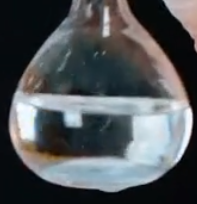
Polysilicone-9 appears as a clear or transparent, slightly viscous liquid. It is soluble in organic solvents but insoluble in water. It has excellent thermal stability and UV resistance, making it ideal for use in sun care and cosmetic products.
The synthesis process takes place in several stages:
- Extraction and purification of silicon: silicon is the second most abundant element in the earth’s crust, present in a variety of minerals. The silicon used in silicones is usually derived from quartz (silicon dioxide). Quartz is heated to very high temperatures in an oven and reacts with carbon to produce silicon and carbon dioxide.
- Production of silicones: Silicon is then reacted with methyl chloride (CH3Cl) in the presence of a copper catalyst, resulting in various lengths of methyl chlorosilans chains. These are distilled and then reacted with water to produce a mixture of siloxanes and hydrochloric acid.
- Polymerization: Siloxanes are then polymerized by a process called ring opening polymerization. This results in the breakage of the siloxane ring structure and the formation of long polymer chains or networks. The specific conditions and catalysts used in this phase can be varied to produce silicones with different properties.
- Modification: Silicone can be modified to produce different types of silicones. For example, Polysilicone-9 would be a silicone polymer with a specific molecular weight and specific properties. The exact process to produce Polysilicone-9 would depend on the desired properties of the final product.
Applications
Cosmetic Industry: Used in skincare products such as sunscreens and moisturizers for its ability to form a protective film. It is also used in hair care products, such as conditioners and styling products, to enhance shine and protect against environmental damage.
Sun Care Products: Due to its water resistance and UV stability, it is commonly used in sunscreens to prolong protection.
Hair fixative. This ingredient has the ability to create, with its protective film, stiffness and hold in the hair, and also has the ability to form, with its hydrophilic and elastic properties, bonds between the hair fibres, to keep the hair in a particular shape for a certain time.
Safety
Silicones have high chemical stability but low biodegradability and high bioaccumulation potential.
Safety
It is an ingredient that has a high bioaccumulation and persistence, however in cosmetic use this ingredient is considered safe.
Health and Safety Considerations
Safety in Use
Polysilicone-9 is generally considered safe for use in cosmetics. It is non-comedogenic and well-tolerated by the skin. There is no evidence of toxicity or sensitization associated with its topical use.
Allergic Reactions
Allergic reactions to Polysilicone-9 are extremely rare, though, as with any cosmetic ingredient, there is a minimal chance of skin reactions in particularly sensitive individuals.
Toxicity and Carcinogenicity
It is considered safe by the cosmetics industry and international regulatory authorities.
Environmental Considerations
While silicones are generally resistant to biodegradation, Polysilicone-9 is used in safe amounts in formulations and does not pose a significant environmental risk if disposed of properly.
Regulatory Status
Polysilicone-9 is approved by major regulatory authorities, including the European Union and the Food and Drug Administration (FDA) in the United States, for use in cosmetic products.

