



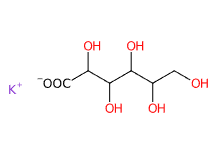
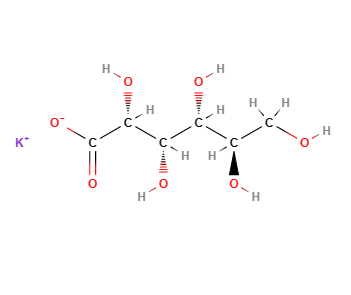
Potassium gluconate is a chemical compound, the potassium salt of gluconic acid.
It appears in the form of a white powder.

What it is used for and where
Food
Ingredient included in the list of European food additives as E577 as an acidity regulator.
Medical
Used as a supplement for potassium deficiency. Potassium intake is linked to improvements in cardiovascular outcomes (1). One gram of potassium gluconate is equivalent to 167 milligrams or 4.2 milliequivalents of potassium (2). It is important for the nervous system, heart rhythm, muscle contraction, and regulates potassium levels in the blood.
Cosmetics
Chelating agent. It has the function of preventing unstable reactions and improving the bioavailability of chemical components within a product, and removes calcium and magnesium cations that can cause cloudiness in clear liquids.
Skin protectant. It creates a protective barrier on the skin to defend it from harmful substances, irritants, allergens, pathogens that can cause various inflammatory conditions. These products can also improve the natural skin barrier and in most cases more than one is needed to achieve an effective result.
Other uses
- galvanic surface treatment
- hypokalaemia in cats, primary hyperaldosteronism (3)
 |  |
 | 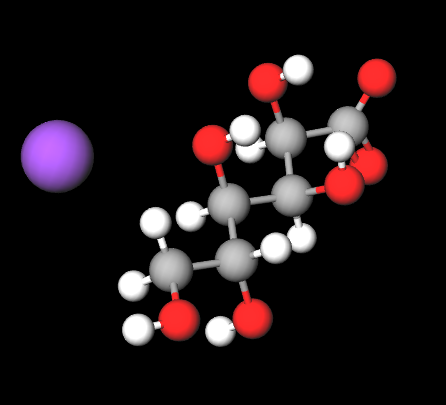 |
- Molecular Formula C6H11KO7
- Molecular Weight 234.25
- CAS 299-27-4
- UNII 12H3K5QKN9
- EC Number 206-074-2

