Metil-p-idrossibenzoato: proprietà, usi, pro, contro, sicurezza, alternative
Metil-p-idrossibenzoato, E218 (methyl p-hydroxybenzoate) è un conservante della famiglia dei parabeni, usato per limitare la crescita di microrganismi e prolungare la shelf-life. È l’estere metilico dell’acido p-idrossibenzoico e risulta particolarmente efficace contro lieviti e muffe, mentre l’azione su alcuni batteri può essere più contenuta. In pratica viene impiegato come additivo alimentare (E218) e anche in ambito farmaceutico e cosmetico per aumentare la stabilità microbiologica nel tempo. L’efficacia dipende dal ph della matrice e dal sistema conservante complessivo, spesso con sinergie quando associato ad altri conservanti. Considerata la solubilità in acqua non elevata, in formulazione può richiedere strategie di solubilizzazione o di incorporazione adeguate. L’utilizzo è regolato da limiti normativi specifici per categoria e concentrazione e, come per altri conservanti, si valuta anche il potenziale di sensibilizzazione in soggetti predisposti.
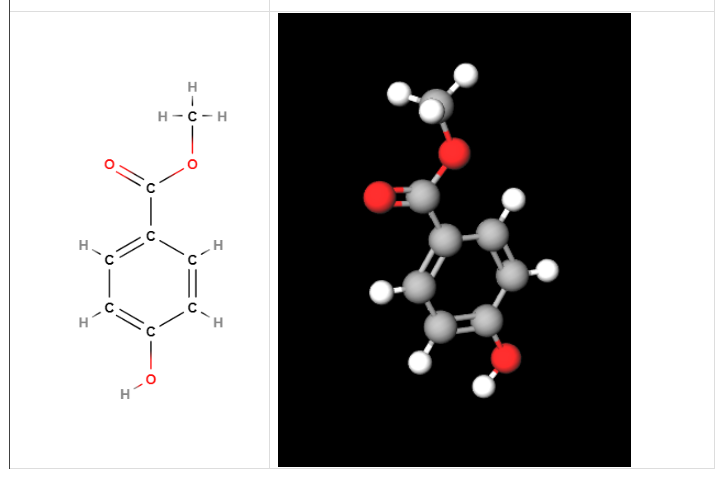
Il nome definisce la struttura della molecola
- "Methyl" (Metile) indica la presenza di un gruppo metile, che è un gruppo alchilico con la formula CH3.
- "p-hydroxy" (p-idrossi) indica la presenza di un gruppo idrossi (OH) in posizione para rispetto al gruppo funzionale benzoato sulla struttura del benzene.
- "Benzoate" indica la presenza di un gruppo benzoato, che è un estere dell'acido benzoico.
Descrizione delle materie prime utilizzate nella produzione
- Acido p-idrossibenzoico - Un composto aromatico che è il precursore principale del methylparaben.
- Metanolo - Usato come agente alchilante per esterificare l'acido p-idrossibenzoico.
- Catalizzatore - Ad esempio, acido solforico, che accelera la reazione di esterificazione.
Processo di sintesi chimica industriale passo per passo
- Miscelazione - L’acido p-idrossibenzoico e il metanolo vengono miscelati insieme.
- Esterificazione - La miscela viene riscaldata in presenza di un catalizzatore per formare l'ester metilico dell'acido p-idrossibenzoico.
- Raffreddamento e Separazione - La miscela reagita viene raffreddata e il prodotto formato si separa.
- Purificazione - Il prodotto grezzo viene purificato attraverso tecniche come la distillazione o la cristallizzazione.
- Essiccazione - L’umidità viene rimossa dal prodotto.
- Packaging - Methyl p-hydroxybenzoate viene imballato in contenitori adatti per il trasporto e la vendita.
- Controllo Qualità - Il prodotto finale viene sottoposto a vari test di qualità per assicurarsi che risponda alle specifiche.
A cosa serve e dove si usa
Alimentazione
Conservante etichettato con il numero E218 nella lista degli additivi alimentari europei come conservante. Sebbene questo allergene sia sempre meno utilizzato, occorre fare attenzione perché viene scritto in etichette sotto diversa nomenclatura, con diversi nomi che corrispondono ai suoi numerosi sinonimi.
Cosmetica
Conservante appartenente alla famiglia dei parabeni, classe di composti chimici ai quali la letteratura scientifica attribuisce caratteristiche di alterazioni endocrine. Sebbene questo allergene sia sempre meno utilizzato, occorre fare attenzione perché viene scritto in etichette sotto diversa nomenclatura, con diversi nomi che corrispondono ai suoi numerosi sinonimi.
Additivo conservante utilizzato in vari settori industriali e serve a contrastare batteri, funghi, lieviti e muffe. Come tutti gli esteri e i sali della classe dei Parabeni si trova spesso anche in formulazioni cosmetiche, farmaceutiche ed alimentari.
Alternative
| Opzione | Tipo di prodotto | Vantaggi principali |
|---|
| E202 (potassium sorbate) | Conservante antimicrobico (sorbato) | Buona efficacia soprattutto contro lieviti e muffe; ampio storico d’uso; funziona al meglio a pH acido e spesso in sinergia con altri conservanti. |
| E211 (sodium benzoate) | Conservante antimicrobico (benzoato) | Molto usato in bevande e alimenti acidi; efficace a pH basso; utile in combinazione per ampliare lo spettro d’azione. |
| E282 (calcium propionate) | Conservante antimuffa (propionato) | Particolarmente utile contro muffe in bakery; adatto anche a matrici meno acide rispetto a benzoati/sorbati; buona opzione “pratica” quando il target è principalmente antimuffa. |
Parabeni. Il sistema endocrino si articola sulle azioni di equilibrio interattivo fra ormoni e l'alterazione di questo delicato equilibrio può portare ad un aumento dei livelli intracellulari di estrogeni negli adipociti, in pratica il potenziamento dell'obesità in tutto il corpo o in alcune sue parti. Studi clinici consigliano, per ridurre il peso, di evitare esposizione ad interferenti endocrini (Darbre 2017). I parabeni possono entrare nel corpo umano tramite ingestione, assorbimento attraverso la pelle o inalazione. E qui può entrare in gioco il cumulo.
Methylparaben (MP) è usato per estendere la durata di conservazione dei prodotti chimici industriali (Cashman and Warshaw, 2005). Tuttavia, quando la pelle è esposta a MP, questo composto permea l'epidermide e il derma e mostra in particolare una maggiore permeazione rispetto ad altri parabeni a causa della differenza nella loro lipofilia ( El Hussein et al., 2007 ). Esibisce diverse reazioni dermatologiche avverse, come la reazione allergica, l'effetto citotossico sinergico delle radiazioni UV e lo sviluppo del cancro al seno ( Nardelli et al., 2009 , Dagher et al., 2012 ). Le concentrazioni di MP superiori a 4 mg ml -1 nei prodotti industriali sono note per essere dannose ( Darbre and Harvey, 2008 ;Gruppo di esperti CIR, 2008 ). Anche se MP persiste nel derma ( El Hussein et al., 2007 ), si sa poco dei suoi effetti collaterali o del meccanismo molecolare nel derma.
Complessivamente, i risultati dimostrano che MP induce senescenza cellulare in vitro e in vivo , attraverso la via GR-c-Jun-ROS, e senescenza cellulare indotta da MP altera i componenti ECM. Sebbene le dosi di trattamento di MP utilizzate in questo studio sembrano elevate rispetto al limite di utilizzo industriale ( gruppo di esperti CIR, 2008 ), i dati forniscono evidenze sull'ipotesi che il sovradosaggio di MP possa indurre alterazioni nei componenti ECM concentrando i fibroblasti senescenti nel derma (1).
Methylparaben è, come tutti i parabeni, un componente discusso e sulla cui sicurezza si sono avanzati molti dubbi, soprattutto per i danni che produrrebbe all'ambiente acquatico dove viene scaricato dopo l'uso (2).
L'esposizione a methylparaben è stata associata ad esiti negativi per la salute e l'esposizione a raggi ultravioletti potrebbe amplificarne la tossicità (3).
Per ridurre la tossicità dei Parabeni sull'ambiente acquatico viene applicato un sistema che si chiama processo Fenton (4).
Studi clinici hanno suggerito che Methylparaben aumenta la proliferazione del tumore al seno e può giocare un ruolo diretto nella chemio resistenza modulando l'attività delle cellule staminali (5).
I Parabeni, ma in particolare il Methylparaben, promuove adipogenesi ma sopprime il marcatore sierico di formazione ossea in vivo e indica possibili conseguenze negative sulla salute (6) e possono quindi contribuire all'obesità (7) inoltre l'esposizione ai parabeni è associata a danni al DNA, infertilità maschile e alterazioni endocrine negli adulti (8).
Per contrastare ed attenuare gli effetti negativi di Methylparaben sulla salute umana, questo studio suggerisce che un composto polifenolico, l'acido rosmarinico, può proteggere da esiti di salute sfavorevoli causati dall'esposizione umana per tutta la vita ai parabeni contenuti nei prodotti cosmetici (9).
Per approfondire l'argomento sono stati selezionati gli studi più rilevanti ed il relativo abstract:
Methyl p-hydroxybenzoate studi
Caratteristiche tipiche del prodotto commerciale Methyl p-hydroxybenzoate
| Appearance | White crystalline powder |
| Boiling Point | 265.5±13.0°C at 760 mmHg |
| Melting Point | 125-128°C |
| Flash Point | 116.4±12.6°C 280°C |
| Density | 1.2±0.1 g/cm3 |
Vapor Pressure
| 0.0±0.6 mmHg at 25°C |
| Refraction Index | 1.547 |
| PSA | 46.53000 |
| LogP | 1.87 |
Loss on drying
| 0.5% max |
| Acidity | 0.1mg/g max |
Sulphate Ash
| 0.1% max |
Heavy Metal
| 10ppm max |
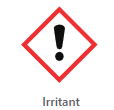
Chemical Safety
|  |
Prezzo indicativo
$2.10 - $10.40/ kg
- Formula molecolare C8H8O3
- Formula lineare HOC6H4CO2CH3
- Peso molecolare 152.15
- Massa esatta 152.047348
- CAS 99-76-3
- UNII A2I8C7HI9T
- EC Number 202-785-7
- DSSTox Substance ID DTXSID4022529
- IUPAC methyl 4-hydroxybenzoate
- InChl=1S/C8H8O3/c1-11-8(10)6-2-4-7(9)5-3-6/h2-5,9H,1H3
- InChl Key LXCFILQKKLGQFO-UHFFFAOYSA-N
- SMILES COC(=O)C1=CC=C(C=C1)O
- MDL number MFCD00002352
- PubChem Substance ID 329815219
- ChEBI 31835
- RTECS DH2450000
- Beilstein 509801
- FEMA 2710
- RXCUI 29903
- NSC 406127 3827
- NACRES NA.25
Sinonimi :
- E218
- Sodium Methylparaben
- Methylparaben
- Solparol
- Metilparaidrossibenzoato
- Methyl-4-hydroxybenzoate
- p-Hydroxybenzoic acid methyl ester
- methyl para-hydroxybenzoate
- Metagin
- NIPAGIN
- p-Hydroxybenzoic acid, methyl ester
- p-Hydroxybenzoic methyl ester
- Methyl parasept
- Tegosept M
- 4-Hydroxybenzoic acid methylester
- 4-Hydroxybenzoic Acid Methyl Ester
- 4-(Methoxycarbonyl)phenol
- Methyl parahydroxybenzoate
Bibliografia_______________________________________________________________________
(1) Cha HJ, Bae S, Kim K, Kwon SB, An IS, Ahn KJ, Ryu J, Kim HS, Ye SK, Kim BH, An S. Overdosage of methylparaben induces cellular senescence in vitro and in vivo. J Invest Dermatol. 2015 Feb;135(2):609-612. doi: 10.1038/jid.2014.405.
(2) Terasaki M, Abe R, Makino M, Tatarazako N. Chronic toxicity of parabens and their chlorinated by-products in Ceriodaphnia dubia. Environ Toxicol. 2015 May-Jun;30(6):664-73. doi: 10.1002/tox.21944.
Popa DS, Bolfa P, Kiss B, Vlase L, Păltinean R, Pop A, Cătoi C, Crişan G, Loghin F. Influence of Genista tinctoria L. or methylparaben on subchronic toxicity of bisphenol A in rats. Biomed Environ Sci. 2014 Feb;27(2):85-96. doi: 10.3967/bes2014.021.
(3) Lee J, Park N, Kho Y, Lee K, Ji K. Phototoxicity and chronic toxicity of methyl paraben and 1,2-hexanediol in Daphnia magna. Ecotoxicology. 2017 Jan;26(1):81-89. doi: 10.1007/s10646-016-1743-6.
Abstract. Parabens are used as antimicrobial preservatives in consumer products. Exposure to methylparaben (MP) has been associated with adverse health outcomes, therefore, an alternative compound, 1,2-hexanediol (1,2-H), has been applied for cosmetics. In the present study, the phototoxicity of MP and 1,2-H, as well as the toxic effect caused by chronic exposure, were investigated using Daphnia magna. The 48 h acute toxicity tests with D. magna were conducted under indoor or ultraviolet (UV) light irradiation conditions, i.e., exposure to 4 h/d sunlight. Changes in the transcription of genes related to oxidative stress were determined in D. magna juveniles, to investigate the underlying mechanism of phototoxicity. The 21 d chronic toxicity tests of MP and 1,2-H were performed under indoor light irradiation. Exposure to MP under environmental level of UV light was more detrimental to D. magna. Transcripts of catalase and glutathione-S-transferase genes in D. magna was significantly increased by co-exposure to MP and UV light. After 21 d of chronic exposure to MP and 1,2-H, the reproduction no-observed effect concentrations for D. magna were 1 and >10 mg/L, respectively. The present study showed that exposure to UV could magnify the toxicity of MP on daphnids. Although acute and chronic toxicities of 1,2-H were generally lower than those of MP, its effects on other aquatic organisms should not be ignored. Further studies are needed to identify other mechanisms of MP phototoxicity.
(4) Martins RC, Gmurek M, Rossi AF, Corceiro V, Costa R, Quinta-Ferreira ME, Ledakowicz S, Quinta-Ferreira RM. Application of Fenton oxidation to reduce the toxicity of mixed parabens. Water Sci Technol. 2016 Oct;74(8):1867-1875. doi: 10.2166/wst.2016.374.
Abstract. The aims of the present work were to assess the application of a chemical process to degrade a mixture of parabens and determine the influence of a natural river water matrix on toxicity. Model effluents containing either a single compound, namely methylparaben, ethylparaben, propylparaben, butylparaben, benzylparaben or p-hydroxybenzoic acid, or to mimic realistic conditions a mixture of the six compounds was used. Fenton process was applied to reduce the organic charge and toxic properties of the model effluents. The efficiency of the decontamination has been investigated using a chemical as well as a toxicological approach. The potential reduction of the effluents' toxicity after Fenton treatment was evaluated by assessing (i) Vibrio fischeri luminescence inhibition, (ii) lethal effects amongst freshwater Asian clams (Corbicula fluminea), and (iii) the impact on mammalian neuronal activity using brain slices. From the environmental point of view such a broad toxicity analysis has been performed for the first time. The results indicate that Fenton reaction is an effective method for the reduction of chemical oxygen demand of a mixture of parabens and their toxicity to V. fischeri and C. fluminea. However, no important differences were found between raw and treated samples in regard to mammalian neuronal activity.
(5) Lillo MA, Nichols C, Perry C, Runke S, Krutilina R, Seagroves TN, Miranda-Carboni GA, Krum SA. Methylparaben stimulates tumor initiating cells in ER+ breast cancer models. J Appl Toxicol. 2017 Apr;37(4):417-425. doi: 10.1002/jat.3374.
(6) Hu P, Kennedy RC, Chen X, Zhang J, Shen CL, Chen J, Zhao L. Differential effects on adiposity and serum marker of bone formation by post-weaning exposure to methylparaben and butylparaben. Environ Sci Pollut Res Int. 2016 Nov;23(21):21957-21968. doi: 10.1007/s11356-016-7452-0.
Abstract. Paraben esters and their salts are widely used as preservatives in cosmetics, personal care products, pharmaceuticals, and foods. We and others have reported that parabens promote adipogenesis in vitro. Here, we investigated the effects of post-weaning exposure to parabens (methylparaben and butylparaben) on body weight, white adipose tissue mass, and obesity associated metabolic biomarkers in female obesity-prone C57BL/6J mice fed with a chow diet or a high fat diet. Methylparaben exposure by daily oral gavage (100 mg/kg/day) increased adiposity and serum leptin levels compared to the controls when fed the chow diet, but not the high fat diet. In contrast, butylparaben exposure did not induce such effects. Exposure to either paraben induced changes in gene expression related to adipocyte differentiation and lipogenesis in the white adipose tissue (WAT) and the liver, regardless of diet. Moreover, exposure to both parabens under the chow diet significantly decreased serum procollagen type 1 N-terminal propeptide (P1NP) but had no effects on C-terminal telopeptide of type I collagen (CTX-I) levels, suggesting that post-weaning exposure to paraben may negatively affect bone formation, but not bone resorption. Taken together, our results demonstrate that post-weaning exposure to paraben, methylparaben in particular, promotes adipogenesis but suppresses serum marker of bone formation in vivo. Our results add to the growing body of literature indicating potential negative health outcomes associated with paraben exposure. Further study of early life exposure to paraben on the development of fat and bone is warranted.
(7) Hu P, Chen X, Whitener RJ, Boder ET, Jones JO, Porollo A, Chen J, Zhao L. Effects of parabens on adipocyte differentiation. Toxicol Sci. 2013 Jan;131(1):56-70. doi: 10.1093/toxsci/kfs262.
Abstract. Parabens are a group of alkyl esters of p-hydroxybenzoic acid that include methylparaben, ethylparaben, propylparaben, butylparaben, and benzylparaben. Paraben esters and their salts are widely used as preservatives in cosmetics, toiletries, food, and pharmaceuticals. Humans are exposed to parabens through the use of such products from dermal contact, ingestion, and inhalation. However, research on the effects of parabens on health is limited, and the effects of parabens on adipogenesis have not been systematically studied. Here, we report that (1) parabens promote adipogenesis (or adipocyte differentiation) in murine 3T3-L1 cells, as revealed by adipocyte morphology, lipid accumulation, and mRNA expression of adipocyte-specific markers; (2) the adipogenic potency of parabens is increased with increasing length of the linear alkyl chain in the following potency ranking order: methyl- < ethyl- < propyl- < butylparaben. The extension of the linear alkyl chain with an aromatic ring in benzylparaben further augments the adipogenic ability, whereas 4-hydroxybenzoic acid, the common metabolite of all parabens, and the structurally related benzoic acid (without the OH group) are inactive in promoting 3T3-L1 adipocyte differentiation; (3) parabens activate glucocorticoid receptor and/or peroxisome proliferator-activated receptor γ in 3T3-L1 preadipocytes; however, no direct binding to, or modulation of, the ligand binding domain of the glucocorticoid receptor by parabens was detected by glucocorticoid receptor competitor assays; and lastly, (4) parabens, butyl- and benzylparaben in particular, also promote adipose conversion of human adipose-derived multipotent stromal cells. Our results suggest that parabens may contribute to obesity epidemic, and the role of parabens in adipogenesis in vivo needs to be examined further.
(8) Baker BH, Wu H, Laue HE, Boivin A, Gillet V, Langlois MF, Bellenger JP, Baccarelli AA, Takser L. Methylparaben in meconium and risk of maternal thyroid dysfunction, adverse birth outcomes, and Attention-Deficit Hyperactivity Disorder (ADHD). Environ Int. 2020 Jun;139:105716. doi: 10.1016/j.envint.2020.105716.
(9) Matwiejczuk N, Galicka A, Zaręba I, Brzóska MM. The Protective Effect of Rosmarinic Acid Against Unfavorable Influence of Methylparaben and Propylparaben on Collagen in Human Skin Fibroblasts. Nutrients. 2020 May 1;12(5):1282. doi: 10.3390/nu12051282.
Abstract. Parabens, which are widely used in food, medicines and cosmetics, have a harmful effect on human health. People are most exposed to parabens transdermally by using cosmetic products containing these preservatives. The purpose of this study was to estimate the influence of parabens (methylparaben-MP and propylparaben-PP) on the metabolism of collagen in the human skin fibroblasts and above all, to assess whether rosmarinic acid (RA-50, 100, or 150 M) can protect these cells from the adverse effects of parabens (0.001% MP and 0.0003% PP, 0.003% MP and 0.001% PP, and 0.01% MP and 0.003% PP). The possible mechanisms of RA action were estimated as well. Parabens decreased the expression of collagen type I and III at mRNA and protein levels, while RA (depending on the concentration) provided partial or total protection against these changes. The effective protection against the adverse effects of parabens on cell viability and proliferation was also provided by RA. The beneficial impact of RA on collagen and the fibroblasts resulted from an independent action of this compound and its interaction with parabens. This study allows us to conclude that this polyphenolic compound may protect from unfavorable health outcomes caused by lifetime human exposure to parabens contained in cosmetic products.
Nota prudenzialeLa valutazione segnala la
criticità potenziale dell’ingrediente sulla base delle evidenze disponibili. Il rischio effettivo dipende tuttavia da
dose, purezza, via di somministrazione, durata e livello reale di esposizione. Poiché questi parametri non sempre sono indicati con sufficiente dettaglio, la segnalazione adotta un
criterio prudenziale e non costituisce, da sola, una valutazione del rischio del prodotto finito.




