



Polyglyceryl-6 Stearate: properties, uses, pros, cons, safety
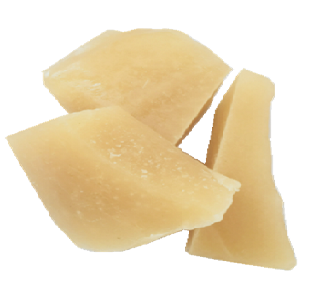
Polyglyceryl-6 Stearate is a chemical compound of vegetable origin, an ester of stearic acid and glycerin, with a solid appearance and yellow color.
What it is for and where
Cosmetics
Skin conditioning agent - Emollient. Emollients have the characteristic of enhancing the skin barrier through a source of exogenous lipids that adhere to the skin, improving barrier properties by filling gaps in intercorneocyte clusters to improve hydration while protecting against inflammation. In practice, they have the ability to create a barrier that prevents transepidermal water loss. Emollients are described as degreasing or refreshing additives that improve the lipid content of the upper layers of the skin by preventing degreasing and drying of the skin. The problem with emollients is that many have a strong lipophilic character and are identified as occlusive ingredients; they are oily and fatty materials that remain on the skin surface and reduce transepidermal water loss. In cosmetics, emollients and moisturisers are often considered synonymous with humectants and occlusives.
Applications
- Emulsifier - Used to help stabilize and form emulsions by keeping oil and water phases from separating.
- Skin Conditioning Agent - Due to its emollient properties, it can give the skin a feeling of softness and hydration.
- Texture and Consistency - Can be used to improve the consistency and feel of products on the skin, making them creamier or smoother.
- Hair Care Products - Might be found in conditioners and hair treatments to improve their spreadability and feel.
Food
In the food industry it controls, emulsifies, disperses, stabilizes and regulates viscosity in:
- protein drinks, drinks containing protein and/or fat
- foodstuffs: in the processing of meat containing fats so that the fats are dispersed correctly. In the processing of baked goods sugar and fats are evenly amalgamated improving expansion and shelf life. In noodles it improves elasticity and hold during boiling by inhibiting sticking.
- ice creams: makes the taste smoother and expands the volume
- feeds
Other uses
- lubrication
- paints
- leathers
- paper
- etc.
HLB (Hydrophilic-Lipophilic Balance, which expresses the relative efficiency of the hydrophilic portion of a surfactant molecule compared to its lipophilic portion of the same molecule) has better hydrophilicity than Polyglyceryl-3 Stearate and is stronger because it has a polyglycerin chain is longer and is therefore more hydrophilic and more suitable for better emulsion in the water/oil ratio.
The PH value does not affect the emulsifying power of Polyglyceryl-6 Stearate, which is stable in both thickening and dispersion.
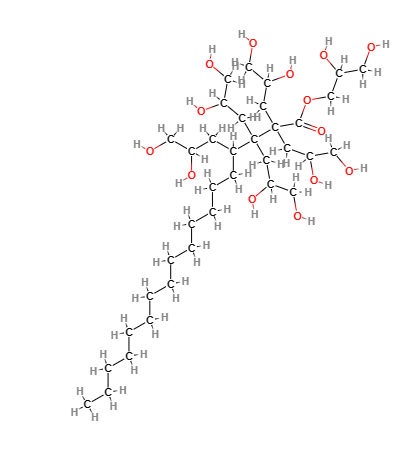 | 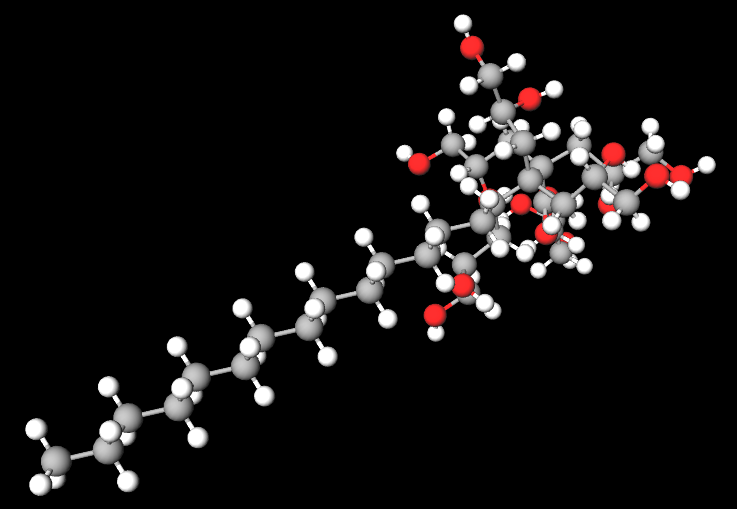 |
Molecular Formula: C36H72O14
Molecular Weight: 728.9
CAS: 95461-65-7
UNII ETY9Q81E2T
Synonyms:
- Nikkol hexaglyn 1-s
- Nikkol hexaglyn 1-s
- Sunsoft Q-18F
- Polydermanol PS-104-da

