



Calcium carbonate inorganic compound, is one of the most common minerals found in rock agglomerates throughout the world and consists mainly of: calcium, carbon, oxygen. It is the primary component of eggshells, snails, pearls and marine organisms. Calcium carbonate is the active ingredient in agricultural lime and is created when calcium ions in hard water react with carbonate ions to create limescale.
Calcium carbonate in dietary supplements is mainly used as:
A concentrated source of calcium
A gastric buffering agent
A technological excipient
An indirect support for mineral metabolism
The name "calcium carbonate" is derived from its chemical composition: one calcium ion combined with one carbonate ion.
Calcium carbonate is not typically synthesized in a laboratory or industrial setting because it is readily available in nature. However, it can be synthesized by mixing solutions of calcium ions and carbonate ions. The resulting precipitate is calcium carbonate.
Here is a simple example of how this can be done:
- Preparation of solutions. A solution of calcium chloride (CaCl2) and another solution of sodium carbonate (Na2CO3). These are the sources of the calcium ions and carbonate ions, respectively.
- Mixing of solutions. A sodium carbonate solution is added to the calcium chloride solution while the compounds are mixed.
- Formation of precipitate. As the solutions mix, a precipitate of calcium carbonate forms. The reaction is: CaCl2 + Na2CO3 -> CaCO3 + 2NaCl.
- Isolation of product. The calcium carbonate precipitate can be collected by filtration, then washed and dried to obtain the pure compound.
It appears in the form of a white powder insoluble in water colorless, odorless and tasteless.

What it is used for and where
Food
Ingredient included in the list of European food additives as dye E170.
Constructions (cement, plasters, asphalt).
The use of calcium carbonate precipitate protect concrete surface against the ingress of harmful external agents (1).
Medical
The synthesised biobased Calcium carbonate nanocrystals had demonstrated to be an effective carrier for delivery of anticancer drug doxorubicin (DOX). Findings suggest that Calcium carbonate nanocrystals hold tremendous promise in the areas of controlled drug delivery and targeted cancer therapy (2).
Dentin hypersensitivity reduction in adults with a clinical diagnosis of dentin hypersensitivity (3).and indicated as a treatment in cases of calcium deficiency in elderly subjects and in combination with therapies for osteoporosis (4). Calcium carbonate is able to increase calcium levels and neutralise plaque acids (5).
Cosmetics
It is a restricted ingredient as IV/124 a Relevant Item in the Annexes of the European Cosmetics Regulation 1223/2009.
- Abrasive agent. It contains abrasive particles to remove stains or biofilm that accumulate on the stratum corneum or teeth. Baking soda, kieselguhr, silica and many others have abrasive properties. Peeling or exfoliating products used in dermatology or cosmetic applications contain abrasive agents in the form of synthetic microspheres, however these microspheres or abrasive particles are not biodegradable and create pollution in aquatic ecosystems.
- Buffering agent. It is an iingredient that can bring an alkaline or acid solution to a certain pH level and prevent it from changing, in practice a pH stabiliser that can effectively resist instability and pH change.
- Bulking agent. It regulates the water content, dilutes other solids, can increase the volume of a product for better flow, acts as a buffer against organic acids, helps to keep the pH of the mixture within a certain level.
- Opacifying agent. It is useful into formulations that may be translucent or transparent to make them opaque and less permeable to light.
- Oral care agent. This ingredient can be placed in the oral cavity to improve and/or maintain oral hygiene and health, to prevent or improve a disorder of the teeth, gums, mucous membrane. It provides cosmetic effects to the oral cavity as a protector, cleanser, deodorant.
Safety. It is an ingredient that has no particular health warnings and can therefore be used in all cosmetic products.
and is widely used by industries:
- Adhesives, sealants
- Rugs
- Environment (process of desulfurization of combustion gases)
- Fertilizers
- Food and pharmaceutical
- Glass and ceramics
- Products for the home
- Paints and surface coatings
- Paper
- Plastics and composites
- Rubber and elastomers
Typical commercial product characteristics Calcium carbonate
| Appearance | White powder |
| pH | 9.0-10.5 |
| Boiling Point | 333.6ºC at 760mmHg |
| Melting Point | 825°C |
| Flash Point | 197ºC |
| Density | 2.93 g/mL at 25 °C(lit.) |
| Refraction Index | 1.6583 |
| PSA | 63.19000 |
| HCL insoluble content | ≤0.20% |
| Volatile content below 105℃ | ≤1.00 |
| Free Alkali | ≤0.10% |
| Whiteness degree | ≥90% |
| Oil Absorption | 50-60ml/g |
| Sedimentation volume | ≥2.2-2.8 ml/g |
| Fe | ≤0.12% |
| Mn | ≤0.01% |
| Average Particle | 0.5-15um |
| Mesh | 400/800/1000/1250/1500 |
| Safety | 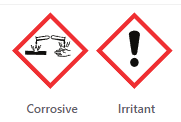 |
 |  |
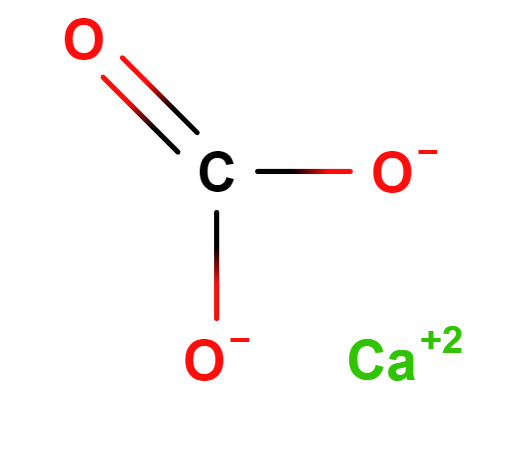 | 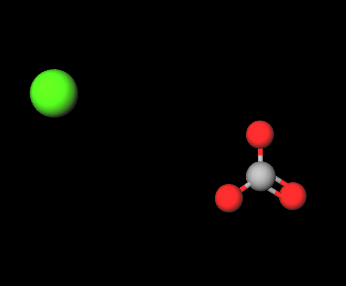 |
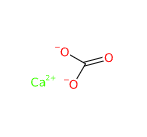
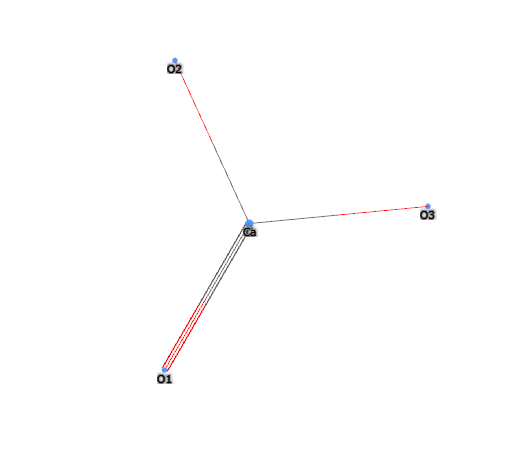
- Molecular Formula CCaO3 CaCO3
- Molecular Weight 100.086 g/mol
- Exact Mass 101.962982
- CAS 471-34-1
- UNII H0G9379FGK
- EC Number 207-439-9
- DSSTox Substance ID DTXSID3036238 DTXSID9050486 DTXSID90109374 DTXSID80163829
- IUPAC calcium;carbonate
- InChI=1S/CH2O3.Ca/c2-1(3)4;/h(H2,2,3,4);/q;+2/p-2
- InChl Key VTYYLEPIZMXCLO-UHFFFAOYSA-L
- SMILES C(=O)([O-])[O-].[Ca+2]
- MDL number MFCD00010906
- PubChem Substance ID 329749202
- ChEBI 3311
- ICSC 1193
- RXCUI 1897
- RTECS EV9580000 FF9335000
- Beilstein 8008338
- NCI C332
Synonyms :
- CI 77220
- Calcite (Ca(Co3))
- Aragonite
- Cupric carbonate
- C50 (carbonate)
- Carbonic acid, calcium salt (1:1)

